
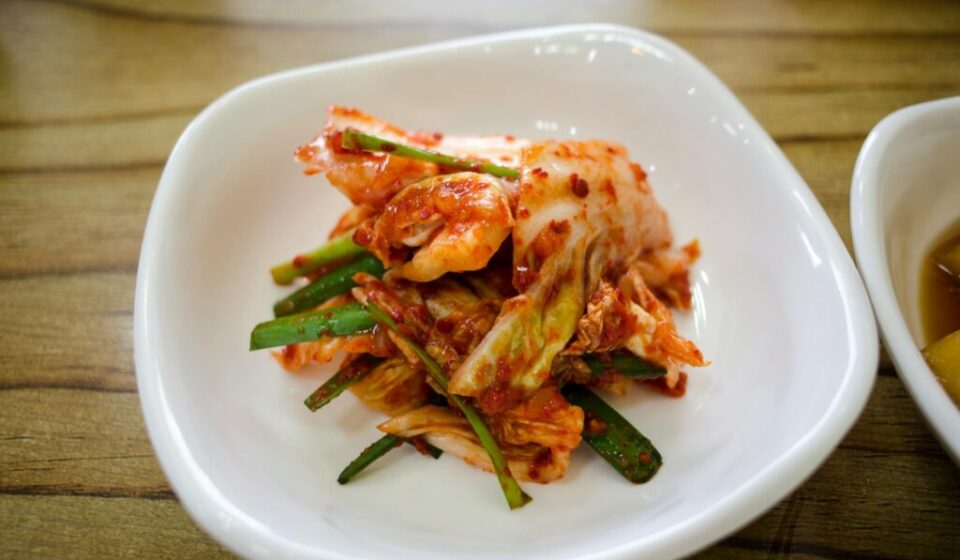

Traditional Korean kimchi types are not limited to one familiar red napa cabbage version — there are hundreds of varieties. Flavor and texture change dramatically with ingredients, seasoning, and fermentation conditions. Foreigners often know kimchi only as “spicy Korean fermented cabbage,” yet visitors to Korea quickly discover a far more diverse world. This guide centers on baechu kimchi and explains the characteristics, taste differences, and best pairings across the major traditional Korean kimchi types.
| Kimchi Type | Main Ingredient | Flavor | Recommended Pairing |
|---|---|---|---|
| Baechu Kimchi | Napa cabbage, chili powder | Spicy and refreshing | Samgyeopsal, suyuk |
| Baek Kimchi | Napa cabbage, salt, vegetables | Mild and crisp | Korean pancakes, dumplings |
| Dongchimi | Radish, clear brine | Cool and clean | Noodle dishes, oily foods |
| Yeolmu Kimchi | Young radish greens | Refreshing, mildly spicy and tangy | Yeolmu guksu, bibimbap |
| Gat Kimchi | Mustard leaves | Pungent with deep umami | Braised mackerel, seafood |
| Pa Kimchi | Green onions (daepa) | Bold with a sweet finish | Grilled meat, fish dishes |
1) Baechu Kimchi: The Foundation of Traditional Korean Kimchi Types
Baechu kimchi, the most iconic among traditional Korean kimchi types, splits broadly into two styles. One is the red version mixed with gochugaru (Korean chili powder), and the other is baek kimchi — a white kimchi made with shredded radish, green onion, garlic, and ginger but no chili powder.
Red Kimchi (Bbal-gan Kimchi)
Red baechu kimchi is generously coated with chili powder and seasoning paste, producing a sharp yet refreshing taste. Many regions add salted shrimp (saeujeot), anchovy fish sauce (myeolchi-aekjeot), or other fermented seafood for extra umami. As fermentation progresses, lactic acid bacteria develop a tangy flavor and crisp texture — Koreans call this the moment when kimchi is “ripe.” Mature red kimchi pairs spectacularly with pork suyuk and samgyeopsal. For more context, see our Korean food fundamentals guide.
Baek Kimchi (White Kimchi)
Baek kimchi uses salt, vegetables, and only a little seasoning instead of chili powder. Without gochujang, it stays white and almost non-spicy, making it popular with children and with foreign visitors who struggle with heat. The broth is cool and gently savory, but over-fermentation can introduce bitterness, so storage temperature matters. For travel context see the Korea Tourism Organization. Also see our halal food in Korea guide for muslim-friendly notes.

2) Water-Based Traditional Kimchi Types: Dongchimi and Yeolmu Kimchi
Water kimchi (mul-kimchi) is defined by a brine you can sip and enjoy on its own. The broth itself becomes a dish, refreshing the palate during hot Korean summers or after spicy meals.
Dongchimi (Radish Water Kimchi)
Dongchimi is made by salting whole or large-cut radishes and fermenting them in clear water. Almost no chili powder is used, so the broth stays crystal-clear and cool. In winter, lightly frozen dongchimi broth poured over noodles is one of the season’s finest treats.
Among traditional kimchi types, dongchimi is especially prized for its cool flavor and the sharp aroma unique to fresh radish, which cuts through heavy or oily foods.
Yeolmu Kimchi (Young Radish Kimchi)
Yeolmu kimchi is a summer water kimchi made with young radish greens. Its broth is refreshing, lightly spicy, and tangy — relatively thin rather than thick, perfect for noodles or as a chilled side with rice.
Koreans treat it almost as a restorative dish that revives appetite during humid summers. Spooned over yeolmu guksu (noodles) or stirred into yeolmu bibimbap, it suits sweltering days perfectly.
3) Gat Kimchi: Mustard Leaf Kimchi With Pungent Aroma
Gat kimchi is a specialty of the Jeolla region, particularly the city of Yeosu. Gat (Korean mustard leaf) carries the sharp mustard-family aroma, and when mixed with gochugaru seasoning and aged, the result is one of the most distinctive flavors among traditional Korean kimchi types.
The appeal of gat kimchi is its biting aroma and crisp bite. The heat feels denser than other kimchi varieties, while a deep umami follows from the mustard greens themselves. Slice well-fermented gat kimchi thinly over rice, or pair it with seafood dishes such as braised mackerel for an outstanding match.
4) Pa Kimchi and Buchu Kimchi: Side-Dish Traditional Korean Kimchi Types
Kimchi made from green onions or chives also sits regularly on Korean tables. Pa kimchi uses the long white sections of daepa (Korean green onion); after seasoning and fermentation, it combines a bold aroma with natural sweetness. Buchu kimchi balances the distinctive texture and gentle sweetness of garlic chives with chili seasoning, making it an excellent everyday side dish.
Pa kimchi pairs surprisingly well with grilled fish and barbecued meats. The slightly sticky seasoning amplifies the green onion’s natural sweetness, and a bite alongside grilled meat balances the overall flavor beautifully.
5) Regional Differences Among Traditional Korean Kimchi Types
Korea’s climate, soil, and produce vary widely by region, so traditional Korean kimchi types differ accordingly. Jeolla favors seafood-heavy kimchi packed with fermented fish flavor, while Gyeongsang leans saltier and spicier with a sharp bite. Mountainous Gangwon uses local wild greens and vegetables, and Chungcheong tends to be lighter on salt with cleaner flavors overall.
Regional kimchi character is shaped by local ingredients — coastal jeotgal (fermented seafood), grain from the plains, or mountain vegetables. Jeju Island at the southern tip of the peninsula uses generous amounts of seafood, amplifying the umami.
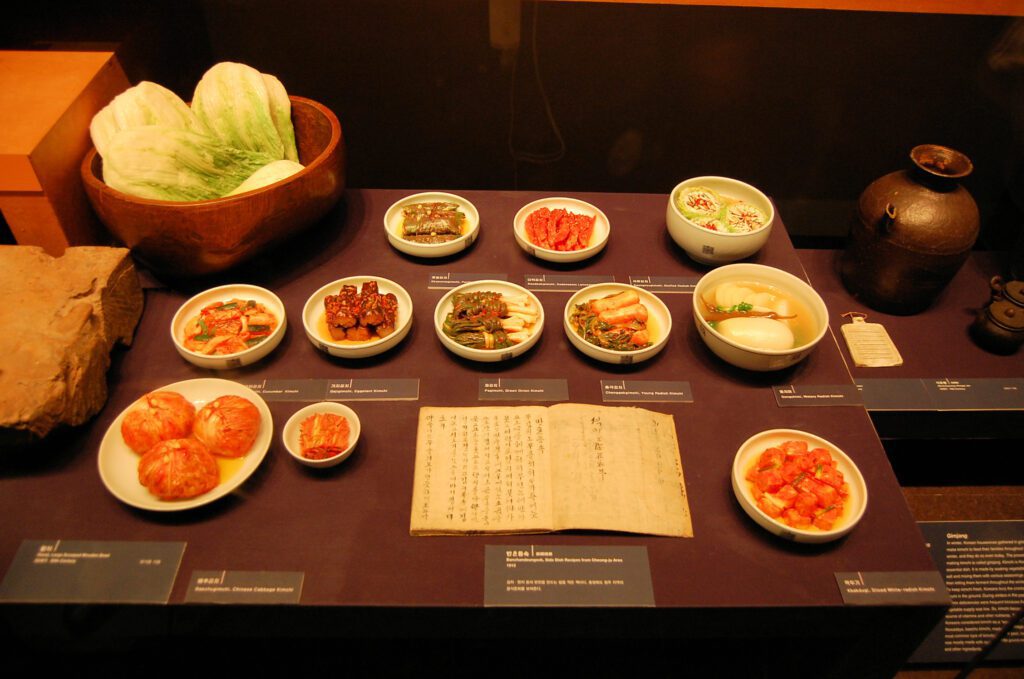
6) Food Culture Built Around Traditional Korean Kimchi Types
Kimchi is more than a side dish; it powers stews, fried rice, savory pancakes, and many other dishes. Well-ripened kimchi becomes the base for kimchi-jjigae or kimchi fried rice, and kimchi-jeon (kimchi pancake) is a popular snack.
The ingredient is versatile, and the flavor shifts as fermentation deepens, so the same kimchi can become a different dish depending on when it is used. The health benefits — lactic acid bacteria, vitamins, and dietary fiber — are well documented.
Wrap-Up: The Diverse World of Traditional Korean Kimchi Types
Traditional Korean kimchi types are easy to dismiss as simply “spicy fermented cabbage,” yet there are dozens — even hundreds — of varieties, each with distinctive ingredients and flavors. Seasonal vegetables and regional specialties widen the spectrum further, and every stage of fermentation reveals new appeal.
For Koreans, kimchi means more than food. It anchors family traditions such as gimjang (communal kimchi making) and helps neighbors stay connected through sharing. If you have only met kimchi abroad, visiting Korea is the best chance to taste and compare the full range of traditional Korean kimchi types in their original context.
K-Name Studio: Create your perfect Korean name based on your personality and style.
What’s My K-Beauty Personal Color?
WeBring Service : Provides personalized services to foreigners living in Korea
Exclusive offer: Introducing foreign car rental in Korea, WeBring-SoCar
- Temple Cuisine: Discover the Healthy Secrets of Korean Buddhist Food
- Top 3 Korean Gukbap: Seolleongtang, Gamjatang, Dwaeji-gukbap
- Korean Vegetarian Food Guide: Temple Cuisine, Vegan Restaurants, and How to Eat Plant-Based in Korea
- Yeosu Seafood Foodie Route: Gat Kimchi & Gejang Bongsan-dong Guide
Last updated: 22 September 2026
Prices, opening hours and transport schedules change with the season and the operator. Check the official channel again before you go.
WeBring operates its own Korea tour and vehicle services. The following is a promotion for that service.
Explore Korea's mountains — guides in your language
Courses, transport and seasonal tips for 30 mountains, from Bukhansan to Hallasan, available in 11 languages. Pick up essential travel Korean and find events for the global community, too.