

Korean Vegetarian Food Guide: Temple Cuisine, Vegan Restaurants, and How to Eat Plant-Based in Korea
When people think of Korean cuisine, dishes like bulgogi, samgyeopsal (grilled pork belly), and fried chicken often come to mind. However, vegetarian and vegan options in Korea are more abundant than many might expect. Thanks to Korea’s deep-rooted temple cuisine tradition and the growing wellness trend, more eateries catering to vegetarians and vegans are emerging.
In this guide, we’ll explore Korean vegetarian food, including information on temple cuisine, vegetarian buffets, and vegan restaurants. If you’re looking for healthy meals that focus on vegetables, tofu, and grains instead of meat or seafood, this guide will be a valuable resource.
1) The Tradition of Korean Temple Cuisine
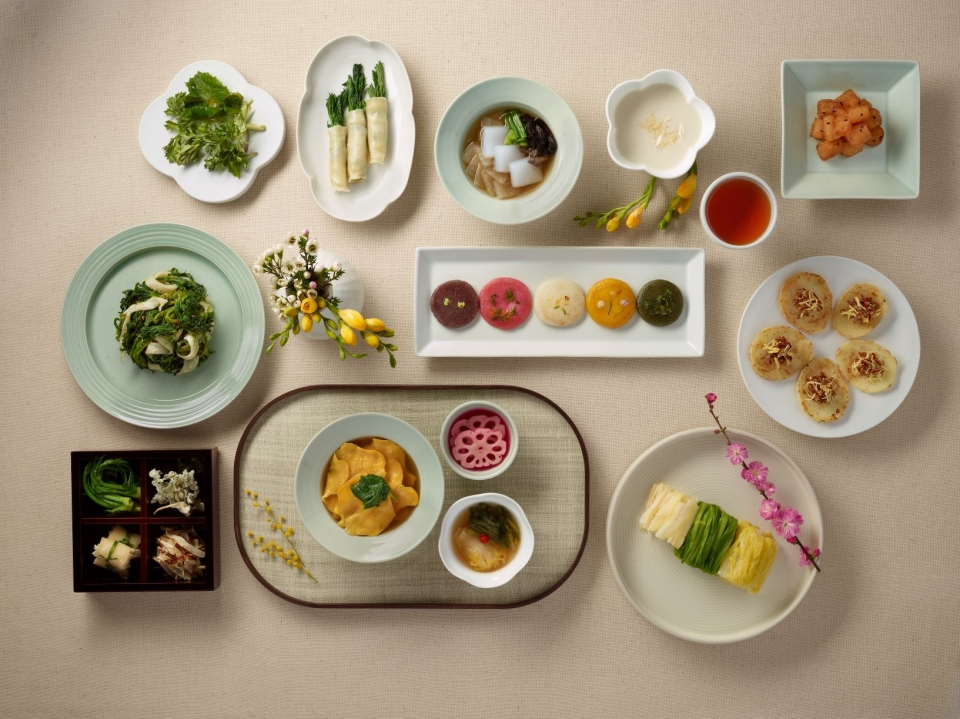
Temple cuisine follows Buddhist traditions, meaning it is entirely plant-based and excludes meat, fish, and pungent ingredients like garlic, onions, and chives. Having evolved over centuries, temple cuisine focuses on preserving the natural flavors of ingredients.
Key Features of Korean Temple Cuisine
- Signature Dishes: Lotus root fritters, lotus leaf rice, seasoned mountain greens, braised tofu, and soybean paste soup.
- Unique Characteristics: No artificial seasonings—only natural ingredients. Simple preparation methods make it nutritious and light.
Tip for International Students
Major cities like Seoul and Busan have specialty restaurants that serve authentic temple cuisine. These meals usually consist of a well-balanced combination of rice, vegetables, and steamed or fried dishes. While the pricing can be on the higher end, dining at a temple cuisine restaurant offers a unique chance to experience Korea’s refined and tranquil food culture.
2) Vegetarian Buffets in Korea
Vegetarian buffets are becoming more popular in Korea, especially in Seoul and surrounding metropolitan areas. These buffets feature self-serve salad bars filled with a variety of vegetarian dishes, including fresh vegetables, fruit, tofu dishes, grain salads, and soups. Some places are completely meat- and seafood-free, while others may include eggs, dairy, or cheese, so it’s important to check before dining.
Things to Keep in Mind
- Some places labeled as “vegetarian” may still include animal products like dairy and eggs.
- If a restaurant explicitly states “100% vegan”, you can be assured that all dishes are free from animal-based ingredients.
Tip for International Students
Visiting a vegetarian buffet once a month can be a great way to experiment with different plant-based dishes and discover new meal ideas. To find nearby vegetarian buffets, try searching online with keywords like “vegetarian buffet + [your location]”. Alternatively, you can ask for recommendations in local community groups on social media or apps like Carrot Market (당근마켓).
3) Vegan Restaurants and Cafés in Korea
Recently, vegan restaurants have been multiplying in cities like Seoul (Itaewon, Hongdae, Gangnam), Busan (Haeundae), and Jeju Island, especially in areas popular with tourists. Many restaurants now offer fully vegan menus, as well as gluten-free and raw food options.
Popular Vegan Dishes
- Vegan Burgers: Made with plant-based buns and patties (e.g., soy meat or mushroom-based burgers).
- Vegan Pasta & Pizza: Cheese substitutes made from soy or cashew nuts are commonly used.
- Vegan Desserts: Dairy-free cakes, cookies, and pastries are becoming increasingly available.
Tip for International Students
Search for “비건 식당 (vegan restaurant)” or “비건 카페 (vegan café)” online to find reviews and check locations, menus, and pricing before visiting. Many cafés also offer plant-based milk options like soy milk or oat milk, so when ordering, ask “Can I have plant-based milk instead?” (식물성 우유로 바꿔주세요).
4) Ordering Vegetarian Options at Regular Restaurants
If you’re dining at a restaurant that doesn’t specialize in vegetarian food, finding a suitable meal can be tricky. However, you can adjust some dishes:
- Bibimbap: Ask for your bibimbap without meat and eggs, and request only vegetables and red pepper paste (gochujang).
- Soybean Paste Stew (Doenjang Jjigae): Check if seafood or anchovy broth has been used. Some restaurants make it without any broth, so it’s worth asking.
- Kimchi: Traditional kimchi often contains fish sauce or shrimp paste, making it non-vegan. Ask, “Does this kimchi contain fish sauce?” (이 김치에 젓갈이 들어갔나요?). Some restaurants offer vegan versions of kimchi made only with fruits and vegetables.
Tip for International Students
Keep a written note in Korean that says:
“I do not eat meat, fish, seafood, eggs, or dairy. Could you adjust the dish?”
(저는 고기, 생선, 해산물, 달걀, 우유를 먹지 않습니다. 혹시 빼주실 수 있나요?)
While achieving 100% vegan meals at regular restaurants may be challenging, small modifications can make a big difference.
5) Grocery Shopping for Vegan Ingredients in Korea
When cooking at home, reading ingredient labels carefully is crucial. While vegetables, fruits, soybeans, and tofu are easy to find, some sauces and seasonings contain animal-based ingredients.
Key Shopping Tips
- Check Soy Sauces & Fermented Pastes: Some gochujang (red pepper paste) and doenjang (fermented soybean paste) contain seafood-derived ingredients like anchovies. Look for versions labeled “temple-use (사찰용)”, which are often vegan-friendly.
- Vegan Certified Products: Large supermarkets and online stores now offer vegan-certified items such as plant-based protein (soy meat), vegan sausages, and vegan cheese. Although these products tend to be pricier, the selection is growing.
6) Experiencing Korean Temple Cuisine Through Temple Stay
If you’re fascinated by Korean temple cuisine and Buddhist traditions, consider joining a Temple Stay program. Many temples across Korea offer immersive experiences for foreigners, where participants stay for 1-2 nights and engage in:
- Early morning Buddhist rituals
- Tea ceremonies
- Cooking & tasting traditional temple food
- Meditation and nature walks
A Temple Stay not only offers a chance to experience authentic temple cuisine, but also provides a peaceful retreat from busy city life.
7) Joining Vegetarian & Vegan Communities in Korea
If you meet other vegetarian or vegan students, sharing information can make life much easier. Many online communities, such as KakaoTalk open chat rooms or social media groups, allow members to exchange restaurant recommendations, cooking recipes, and new vegan product discoveries.
- Discover the latest vegan ramen releases
- Stay updated on new vegan menu items near your university
- Connect with like-minded people who understand your dietary needs
8) Essential Tips for Dining Out in Korea as a Vegetarian or Vegan
- Always ask: “Does this dish contain meat, seafood, fish broth, or shellfish?” (이 요리에 고기, 해산물, 육수 들어갔나요?).
- Look for vegan labels: If a restaurant is labeled merely “vegetarian-friendly,” it may still contain dairy or eggs.
- Double-check kimchi & sauces: Many contain fish-based ingredients, so it’s best to confirm before eating.
9) Blending Korean Cuisine with Plant-Based Diets
Despite Korea’s heavy use of meat and seafood, vegetarian-friendly options already exist in traditional Korean cuisine. Side dishes like seasoned spinach, fermented soybean products like tofu, and vegetable-based bibimbap can be easily adapted to a meat-free diet.
10) Final Thoughts
Being vegetarian or vegan in Korea is easier than ever. Thanks to temple cuisine traditions and a growing vegan market, new restaurants and products continue to emerge. While challenges like hidden animal ingredients exist, a little preparation goes a long way in ensuring an enjoyable, plant-based experience in Korea.
Happy vegan dining! 🌿

K-Name Studio: Create your perfect Korean name based on your personality and style.
What’s My K-Beauty Personal Color?
WeBring Service : Provides personalized services to foreigners living in Korea
Exclusive offer: Introducing foreign car rental in Korea, WeBring-SoCar
Explore Korea's mountains — guides in your language
Courses, transport and seasonal tips for 30 mountains, from Bukhansan to Hallasan, available in 11 languages. Pick up essential travel Korean and find events for the global community, too.