Korea Temple Stay Complete Guide: Booking, Daily Schedule, Etiquette, Dawn Yebul
Korea temple stay is a Korean Buddhist cultural program that lets you spend a night inside a mountain temple and personally experience meditation, ritual chanting, formal monastic dining (barugongyang), and tea conversations with monks. Among foreign travelers, Korea temple stay consistently ranks as one of the most satisfying Korea travel experiences because it is not simply a night of lodging but a full day’s schedule built on 1,700 years of Korean Buddhist tradition. Official Korea temple stay reservations can be made on the official Korea Temple Stay site (templestay.com), available in Korean, English, Japanese, and Chinese, with roughly 130 temples registered nationwide.
Choosing a Korea Temple Stay Temple and How to Get There
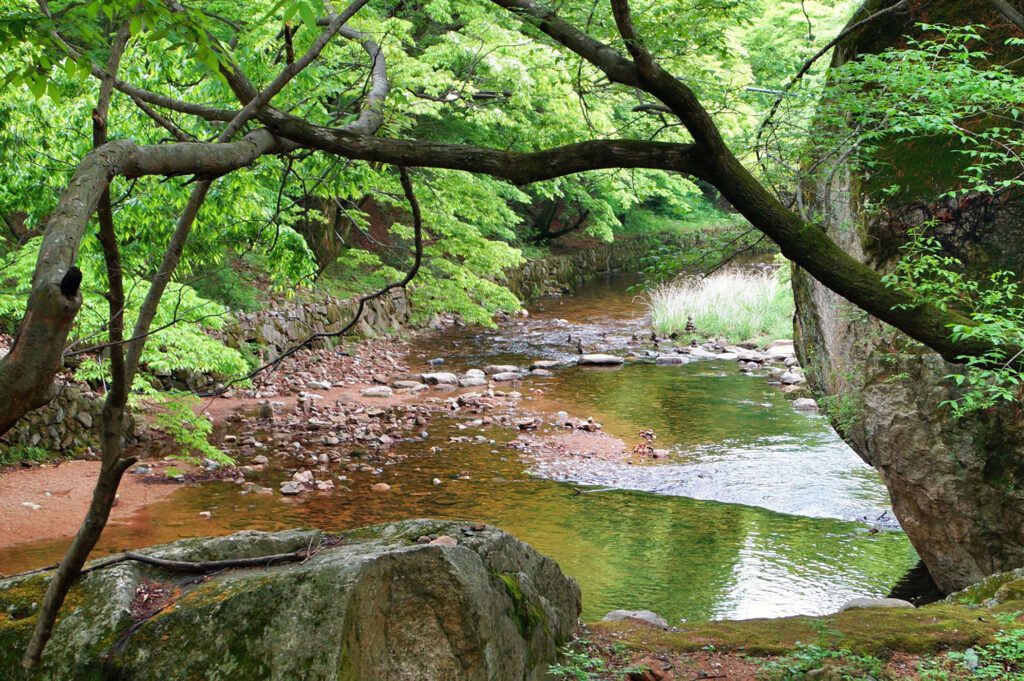
When applying for a Korea temple stay for the first time, choosing the right temple is the most important decision. Korea has many temples with deep historical roots, and scenery, facilities, and programs vary by region. Near Seoul you will find urban temples like Jogyesa and Bongeunsa, perfectly fine even for a one-night, two-day plan. In Gangwon-do, Woljeongsa on Odaesan blends forest and valley scenery beautifully. Major nationally designated heritage temples such as Tongdosa (South Gyeongsang), Bulguksa (North Gyeongsang), Songgwangsa (South Jeolla), and Geumsansa (North Jeolla) also operate Korea temple stay programs.
Getting to the temple often involves mountain roads or limited public transit, so it is wise to confirm transportation in advance. The most common route is KTX or an intercity bus from Seoul Station or the express bus terminal, followed by a local connection. Check during booking whether the temple operates a shuttle bus. For other Korean traditional culture trips, also see the Hahoe Village one-day course guide and the hanok, seowon, and temple 4-night route.
Korea Temple Stay Daily Schedule: Meditation, Chanting, Barugongyang
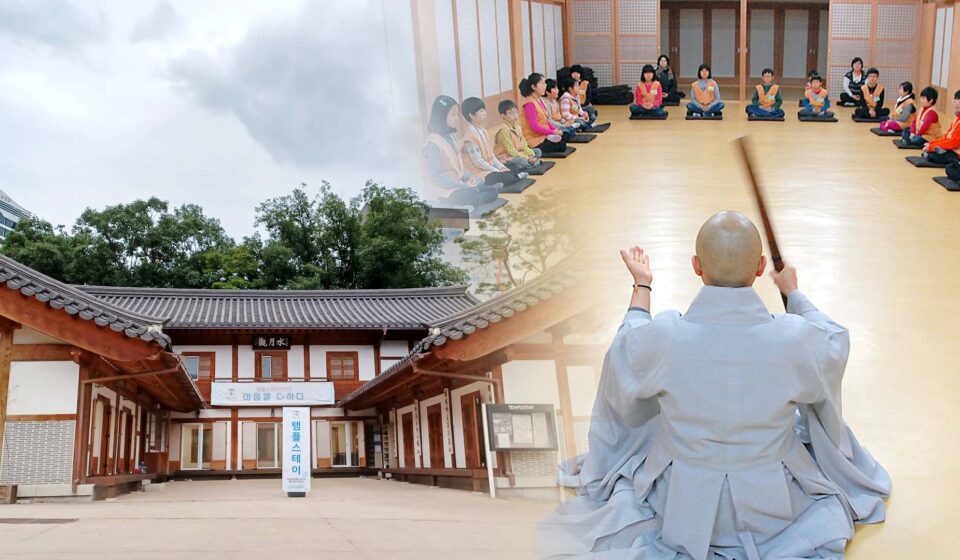
Korea temple stay programs vary slightly by temple, but most include meditation, ritual chanting (yebul), barugongyang (formal communal meal), and tea conversations with monks. Meditation can be as short as 10 minutes or as long as two hours of seated breath-focused practice, or walking meditation along the temple’s forest paths.
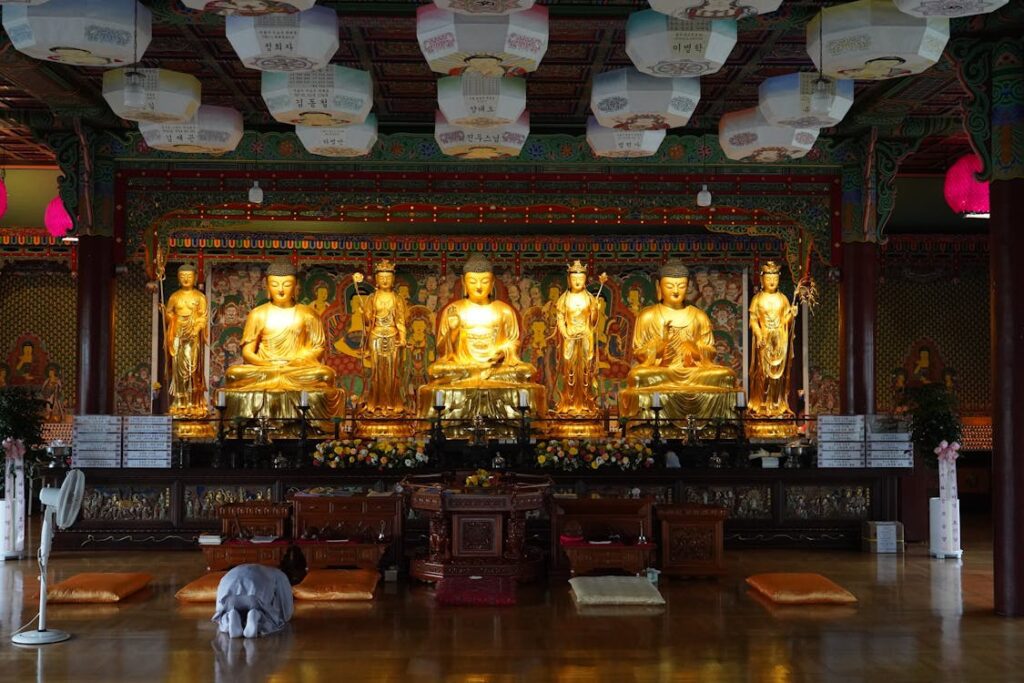
During yebul you bow to the Buddha in the main hall and chant Buddhist hymns or sutras to the rhythm of the monk’s wooden percussion (moktak). Barugongyang uses the same bowls monks use; participants portion their food carefully and leave not a single grain of rice behind, learning the Buddhist food etiquette firsthand. Taking part in this traditional meal after yebul often becomes a reason to rethink everyday eating habits. A typical day on a standard program flows as follows.
| Time | Schedule | Note |
|---|---|---|
| 14:00 | Check-in, change into practice robes, orientation | Phones stored in lockers |
| 17:00 | Evening barugongyang | Learn bowl, utensil, and water sequence |
| 19:00 | Evening yebul (chanting) | Silence and no electronics in the hall |
| 20:30 | Tea conversation with a monk | Casual questions OK, interpretation possible |
| 04:30 | Dawn yebul, doryangseok | Bring warm and waterproof layers |
| 06:00 | Breakfast, ulryeok (light work) | Sweeping the yard or similar short labor |
| 10:00 | Closing ceremony, departure | Reflection sharing and small souvenirs |
Silence and Dawn Yebul: Special Korea Temple Stay Moments
Some Korea temple stay programs set aside a designated “silence” (默言, mugeon) period in which participants do not speak aloud. Walking quietly, eating quietly, and turning inward becomes a kind of comma in everyday life that modern people rarely get to experience. It can feel awkward at first, but as the silence continues, you often start noticing landscapes more carefully and finding a deeper sense of inner calm.
At the temple you usually wake between 4:30 and 5:00 AM to join the dawn yebul. The mountain ridges still wrapped in darkness, the moonlight, and the sound of the temple bell carrying through crisp air offer a stillness and reverence that is hard to find in a city. According to Korea Tourism Organization data on Visit Korea, dawn yebul and barugongyang consistently rank highest in foreign-visitor satisfaction surveys.
Tea with a Monk: Korean Buddhist Culture Through Korea Temple Stay
One highlight of a Korea temple stay is sharing tea with a monk. The monk brews the tea by hand and engages in conversation about life and meditation. Rather than pushing religious doctrine, monks usually share wisdom about what kind of mindset is helpful for daily life. Foreign visitors can often request simple interpretation services.
Through tea conversation you naturally learn the answers to questions like “Why do we bow before the Buddha?” or “Why is the temple bell struck at certain hours?”. Once you begin to grasp what Buddhist “impermanence” (無常, musang) means for daily living, and what mindfulness really is, a Korea temple stay expands from a simple tour into a deep cultural experience.
Korea Temple Stay Dress Code and Temple Etiquette
Comfortable, easy-to-move clothing works best for a Korea temple stay. Many temples provide practice robes, so you do not need to stress over outfits, but it is courteous to avoid clothing that is overly flashy or revealing. Inside the temple, treat other participants and the monks with respect, minimize phone use, and avoid loud behavior. Korean traditional etiquette pairs naturally with the Jeonju hanok village hanbok experience and the traditional village visit etiquette guide.
- When entering the main hall, line up your shoes neatly and bow with palms together.
- When passing in front of a monk, pause briefly and bow your head slightly.
- During barugongyang, avoid clinking your bowls or utensils.
- Photography is allowed only in marked areas; ask consent before photographing people.
- Refrain from bringing food or drinks into the main hall or living quarters.
A Pause for the Mind: What Korea Temple Stay Leaves Behind
After finishing a Korea temple stay, many people describe it as “a little tired in the body but very clear in the mind.” The early wake-ups and disciplined schedule come with small discomforts, but the chance to empty cluttered thoughts and immerse in meditation and nature usually leaves you mentally refreshed.
Small Realizations from a Korea Temple Stay
Korea temple stay deepens your understanding of Buddhist culture and gives the kind of stillness and reflection that is hard to find in daily life. The grand mountain temple buildings, the clear forest, and the wisdom embedded in the monks’ way of living come together to make even a short stay emotionally rich.
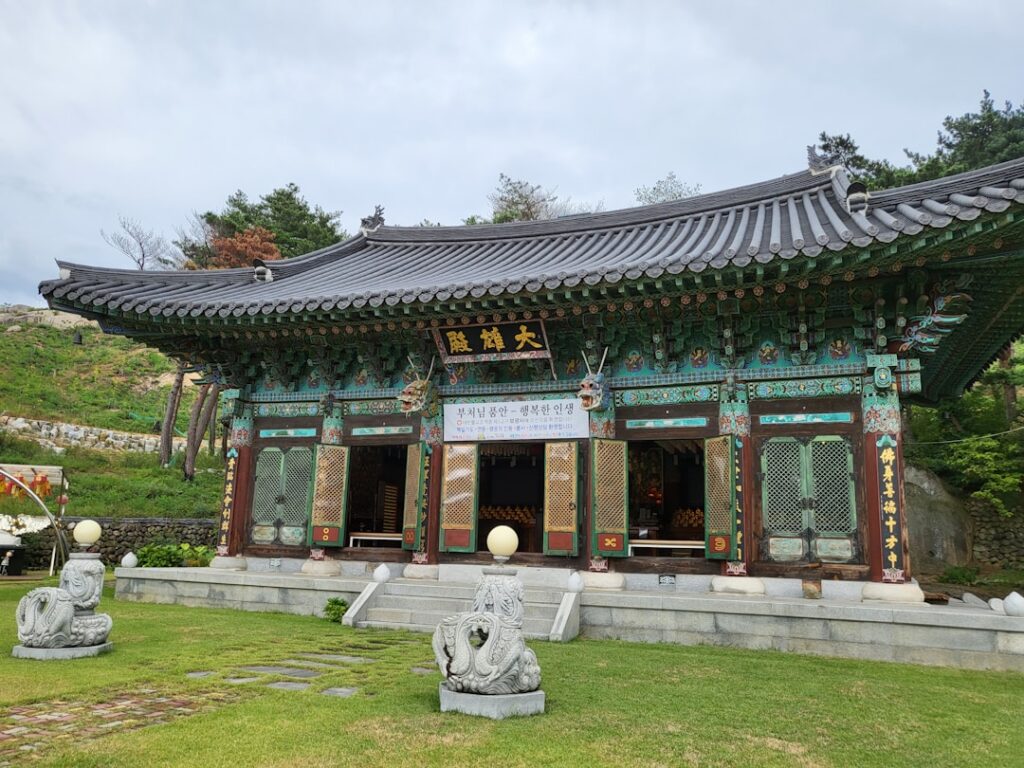
If you want traditional culture, mindfulness, and spiritual rest all at once, consider planning a Korea temple stay at least once. The view quietly looking down from the main hall, the moktak sound floating through the dawn air, every drop of water gathering on the eaves of the Daeungjeon — each detail nudges you to look back on your life. It is only a day or two, but the realizations and rest you find there go deep and stay with you for a long time.
K-Name Studio: Create your perfect Korean name based on your personality and style.
What’s My K-Beauty Personal Color?
WeBring Service : Provides personalized services to foreigners living in Korea
Exclusive offer: Introducing foreign car rental in Korea, WeBring-SoCar
Explore Korea's mountains — guides in your language
Courses, transport and seasonal tips for 30 mountains, from Bukhansan to Hallasan, available in 11 languages. Pick up essential travel Korean and find events for the global community, too.