

Korea Jeonse Wolse Difference: Complete Rental Guide for Foreigners
The Korea jeonse wolse difference is the core rental cost structure that every foreigner settling in Korea encounters first in the housing market. Korea has a unique lease system called jeonse, its variant semi-jeonse (banjeonse), and the familiar wolse (monthly rent), all coexisting. Understanding the Korea jeonse vs wolse difference properly can save you tens of millions of won during long-term stays. We organized the jeonse, semi-jeonse, and wolse concepts and contract precautions from a foreigner’s perspective, complete with a comparison table.
Jeonse: The Starting Point of the Korea Jeonse vs Wolse Difference
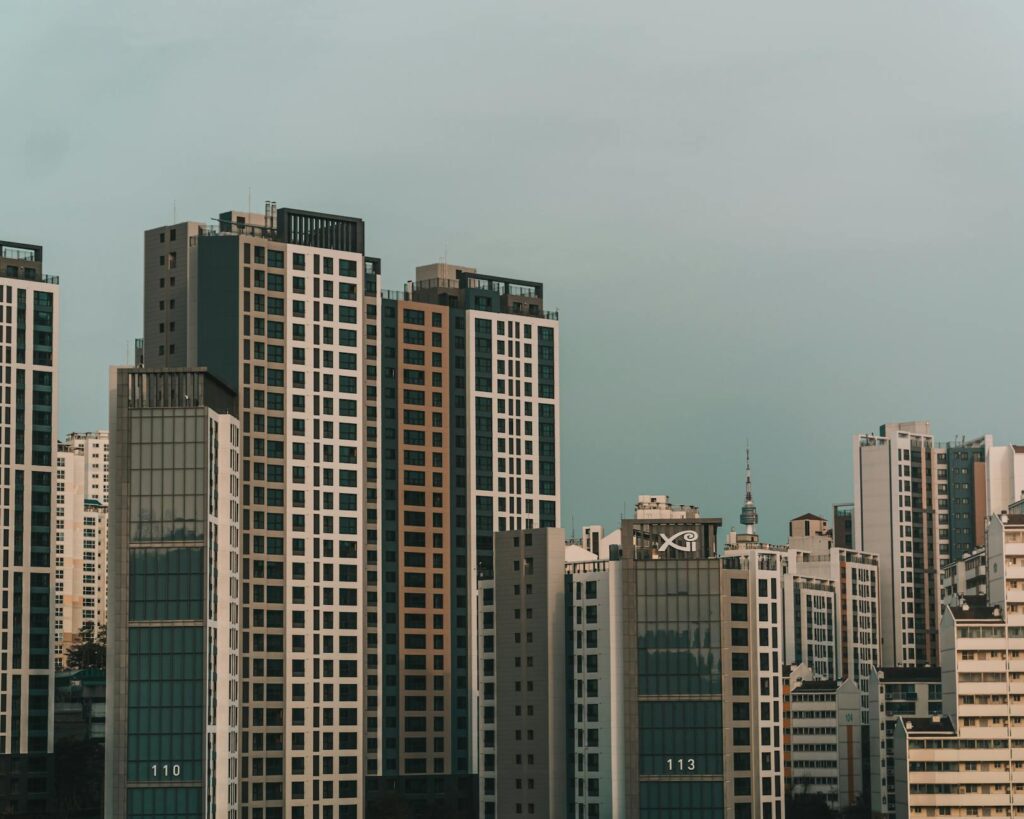
How Jeonse Works
Jeonse is a structure where the tenant deposits a lump sum (100 million to 500 million KRW in Seoul) with the landlord and lives without paying monthly rent. The landlord earns interest income by managing the deposit and must return the full amount when the contract ends. The tenant has no monthly cost burden but the initial deposit is very large, typically 60-80% of the property’s value. Jeonse contracts usually run for two years and can be renewed by agreement with the landlord.
Jeonse Pros and Cons (Foreigner Perspective)
- Pros: Zero monthly rent burden; over 2 years, you can save 10-20 million KRW compared to wolse
- Cons: Deposit non-return risk (jeonse fraud). Verifying the property register and joining HUG deposit guarantee insurance is essential
- Foreigner caution: Jeonse loans under a foreigner’s name are restricted, so you must arrange the deposit from personal funds or overseas remittance
Semi-Jeonse: Bridging the Korea Jeonse vs Wolse Difference
Semi-Jeonse Structure with Calculation Example
Semi-jeonse is a compromise where you pay a smaller deposit than jeonse and a modest monthly rent. For example, on a property normally listed at 100 million KRW jeonse, you might pay only 50 million as deposit and 300,000 KRW monthly rent. It works well for tenants who cannot raise the full jeonse amount, and landlords gain extra rent income. The standard conversion ratio is roughly 40,000-50,000 KRW monthly per 10 million KRW of unpaid deposit. Detailed deposit and rent terms and the Housing Lease Protection Act regulations can be checked on the National Law Information Center (Housing Lease Protection Act).
Semi-Jeonse Contract Precautions
Semi-jeonse is also covered by the Housing Lease Protection Act, so the same procedures as jeonse apply, including a written contract and fixed date stamp. The deposit is smaller, so monthly rent is involved, but the monthly payment is lower than ordinary wolse. At contract renewal, the deposit cap rises by up to 5%, and the same cap applies to monthly rent increases, so you can refuse excessive landlord demands.
Wolse: The Most Familiar Form in the Korea Jeonse vs Wolse Difference

Wolse Structure and Regional Rates
Wolse is the most familiar rental form worldwide. In Korea, you pay a deposit (hundreds to tens of millions of KRW) along with 300,000 to 1,000,000+ KRW monthly. Monthly rent varies greatly by room size and region: Gangnam studios in Seoul charge 700,000-1,000,000 KRW, while outskirts or provincial cities run 300,000-500,000 KRW. See the Foreigner Korea Monthly Rent Payment Guide for transfer and auto-debit procedures.
- Pros: Low initial capital burden, easy access, suitable for short-term stays
- Cons: Cumulative cost grows over long stays. Two years at 600,000 KRW/month totals 14.4 million KRW
- Foreigner tip: Always confirm in advance whether management fees, electricity, and gas are included in the rent
Korea Jeonse vs Wolse Difference at a Glance
| Category | Jeonse | Semi-Jeonse | Wolse |
|---|---|---|---|
| Deposit | Very large (60-80% of property value) | Medium (30-50% of jeonse) | Small (3M-30M KRW) |
| Monthly payment | None | Small (100K-400K KRW) | 300K-1M+ KRW |
| Long-term cost | Most efficient | Medium | Highest |
| Initial burden | Very high | Medium | Low |
| Contract term | 2 years standard | 2 years standard | 1-2 years (negotiable) |
| Foreigner accessibility | Limited (hard to get a loan) | Possible | Easiest |
What Foreigners Must Check When Signing a Lease

Verifying the Property Register and Deposit Safety
When choosing jeonse or semi-jeonse, you must verify the landlord’s rights situation (property register, mortgage status). If language is a barrier as a foreigner, ask the licensed real estate agent to explain “how much the property is mortgaged for, and what the priority order of the mortgage is.” Also confirm whether the property is eligible for deposit guarantee insurance (HUG or SGI). The Seoul Foreigner Real Estate Fraud Prevention Guide details actual cases and how to avoid them.
Move-in Registration and Fixed Date Stamp — Two Keys to Protect Your Deposit
Within 14 days after signing the lease, complete move-in registration (jeonipsingo) at the local community service center to gain protection under the Housing Lease Protection Act. At that point, receiving a fixed date stamp (hwakjeong-ilja) grants you a priority claim that protects your deposit. Especially for jeonse and semi-jeonse tenants, this is mandatory. The Korea Real Estate Contract Guide walks through the move-in registration steps in order.
Setting the Address for Foreigner Registration
If foreigner registration is required, address registration is possible based on the lease contract and move-in registration. Some landlords are reluctant to register foreigners, but with a valid lease contract this is legally permitted. It’s best to discuss this with the agent or landlord before signing. If the housing type categories confuse you, first check the Korea Housing Type Comparison (studio, officetel, villa, apartment).
Korea Jeonse vs Wolse Difference: Which Option Fits You?
| Situation | Recommended Rental | Reason |
|---|---|---|
| 5+ years settlement, 100M+ KRW funds | Jeonse | Zero monthly rent burden, save 10M+ KRW every 2 years |
| 2-5 year stay, 30M-50M KRW funds | Semi-Jeonse | Reduced monthly burden plus deposit recovery |
| Under 1 year short-term, under 10M KRW | Wolse | Flexibility and mobility, minimal initial capital |
| Students or exchange (6-12 months) | Wolse or share house | Semester-based contracts available, see Student Housing Comparison |
The Korea jeonse vs wolse difference goes beyond simple cost comparison. For foreigner residents, it’s a topic that requires comprehensive evaluation of deposit recovery, contract renewal rights, and Housing Lease Protection Act coverage. Use the comparison table above to choose the optimal rental method based on your personal finances and stay duration. To start with studio listings, see the Seoul Foreigner Studio Rental Guide.
K-Name Studio: Create your perfect Korean name based on your personality and style.
What’s My K-Beauty Personal Color?
WeBring Service : Provides personalized services to foreigners living in Korea
Exclusive offer: Introducing foreign car rental in Korea, WeBring-SoCar
Living in Korea? You don't have to figure it out alone
Insurance, visas, jobs and hospital interpretation — WeBring supports every step of settling in Korea, in your language.