

Korean Cooking Class Guide: Kimchi, Bibimbap, Bulgogi Workshops in Seoul, Busan, Jeonju

Korean cooking class is one of the fastest ways for international residents and tourists to dive into Korean food culture beyond eating out. Hands-on classes for kimchi making, bulgogi/bibimbap, tteok (rice cakes), and traditional liquor tasting are widely available in Seoul, Busan, and Jeonju, with English-led options concentrated in tourist-heavy districts. Class formats range from one-time KRW 50,000–120,000 single sessions to multi-week certification programs at the government-affiliated Korean Food Promotion Institute. This guide breaks Korean cooking class options by city, class type, price range, and English-friendliness.
Korean cooking class — by city
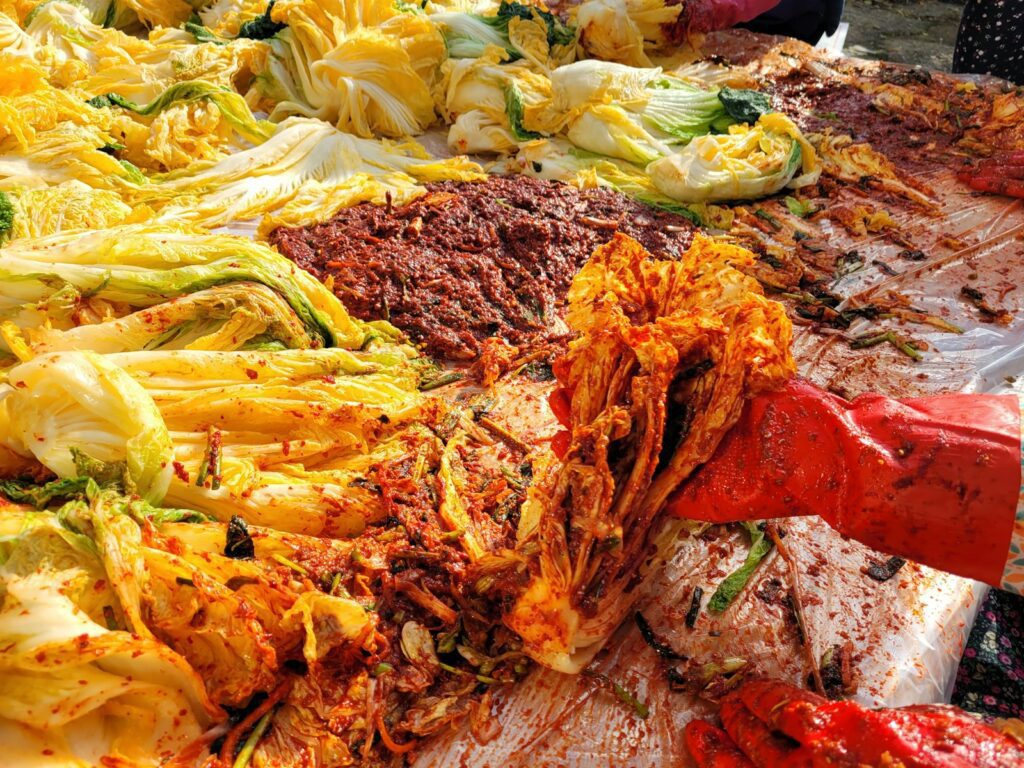
- Seoul (Tongin-dong, Insadong, Itaewon): highest English availability, biggest variety; most classes 1.5–3 hours
- Busan (Haeundae, Seomyeon): smaller scene but strong seafood-focused classes
- Jeonju (Hanok Village): traditional bibimbap + makgeolli classes paired with hanok atmosphere
- Jeju (Hallim, Seogwipo): limited but growing; Jeju black pork BBQ + island ingredients
Korean cooking class — by class type
| Class type | Duration | Price (KRW) | English available? |
|---|---|---|---|
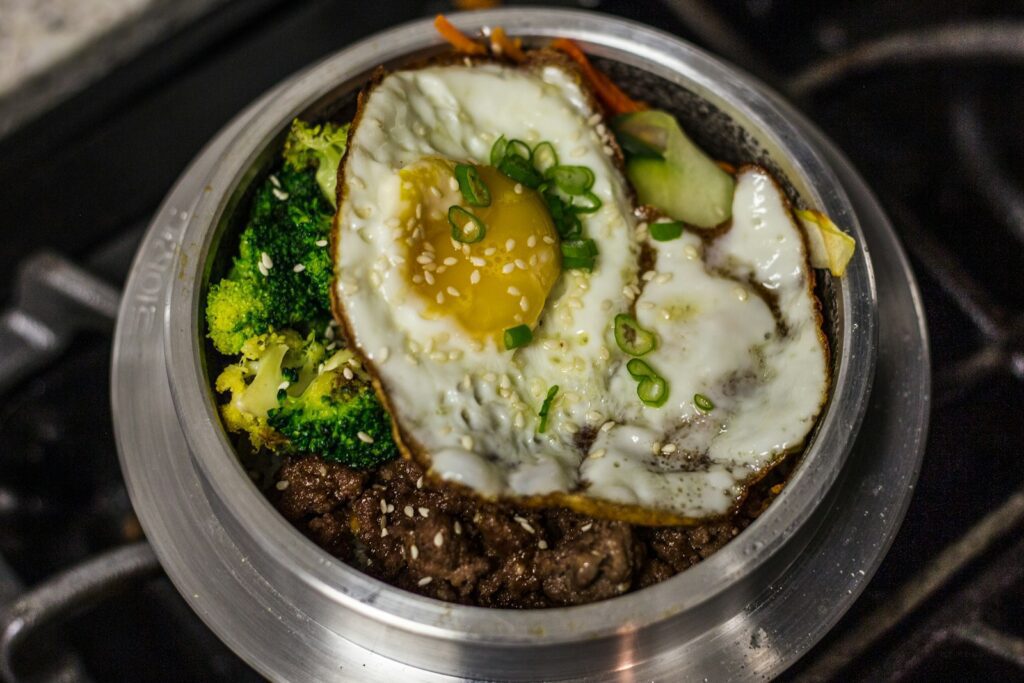
| Kimchi making | 1.5–2 hr | 50,000–80,000 | Yes (most popular for tourists) |
| Bulgogi + bibimbap | 2–3 hr | 70,000–120,000 | Yes (Seoul, Jeonju) |
| Tteok (rice cake) | 2–3 hr | 60,000–100,000 | Yes (Insadong specialty) |
| Korean royal cuisine | 3–4 hr | 120,000–250,000 | Limited; advance booking |
| Traditional liquor (makgeolli, soju) | 2 hr | 50,000–90,000 | Yes (Jeonju, Seoul) |
| Multi-week certification | 1–3 months | 500,000–2,000,000 | Some (Korean Food Promotion Institute) |
Korean cooking class — top recommended studios
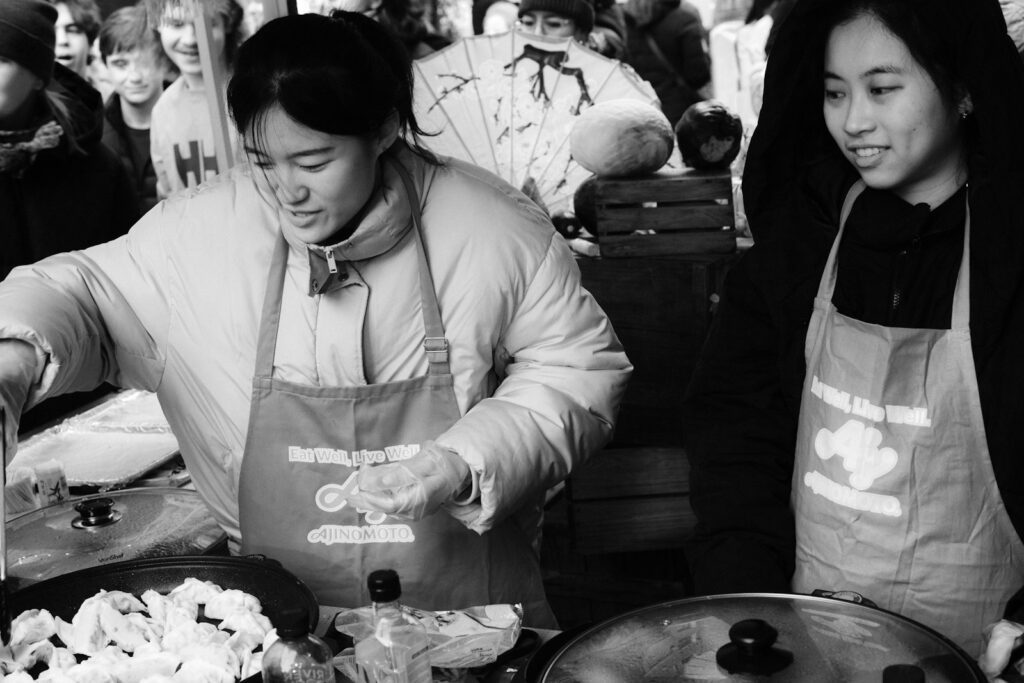
- OnGo Food Communications (Seoul Bukchon) — English specialty, kimchi + bulgogi + bibimbap combos
- Korean Food Foundation (Bukchon) — government-backed, certificate programs available
- Tongin Market Class (Tongin-dong) — traditional market shopping + cook-along format
- Jeonju Hanok Village classes — combine traditional bibimbap + hanok stay packages
- O’ngo Tour Cooking — adds cultural-history layer to ingredients
Korean cooking class — booking and what to expect
- Booking: Klook, Trazy, Airbnb Experiences for tourist-friendly classes; Naver for local Korean classes
- What to bring: appetite, hair tie if needed, light cooking apron (some studios provide)
- Tools provided: yes — knives, cutting boards, ingredients all included
- Take-home: most classes let you take leftovers; kimchi classes give you a 1L jar
- Group size: 4–10 typical; private 1-on-1 available at higher cost
- Dietary restrictions: vegetarian/vegan/halal versions available at most major studios — request 48 hr ahead
Korean cooking class — at-home starter recipes
Before signing up, three beginner-friendly recipes work well at home with Korean groceries from H-Mart or Coupang:
- Kimchi pancake (kimchi jeon): aged kimchi + flour + egg, 15 min total
- Doenjang jjigae: fermented soybean paste stew, 25 min
- Bibimbap: leftover vegetables + gochujang + fried egg, 20 min
These build muscle memory for ingredients and seasonings before the class, so the in-class experience layers more advanced techniques on top.
Korean cooking class: pick one type, book one English-led studio
Korean cooking class is the cleanest cultural-immersion lever for short-term and long-term residents alike. Pick a single class type (kimchi for first-timers; bulgogi or bibimbap for cooks who already know basic Korean ingredients), book through an English-led studio, and treat it as a 2–3 hour cultural deep-dive rather than an exhaustive curriculum. The take-home jar of kimchi or take-home recipe card is a strong souvenir that beats most other Korean trip mementos.
K-Name Studio: Create your perfect Korean name based on your personality and style.
What’s My K-Beauty Personal Color?
WeBring Service : Provides personalized services to foreigners living in Korea
Exclusive offer: Introducing foreign car rental in Korea, WeBring-SoCar
- K-Food Cooking Class: The Joy of Korean Food, Learning Through Experience
- Korean Vegetarian Restaurant Guide: Vegan Korean Food 7-Day Complete Itinerary
- Korean Vegetarian Food Guide: Temple Cuisine, Vegan Restaurants, and How to Eat Plant-Based in Korea
- Vegan Restaurants Seoul: Complete Guide to Gluten-Free Dining in Korea
Last updated: 22 September 2026
Rules, fees and procedures can change over time. Before an important decision, check the latest guidance from the relevant authority.
WeBring operates its own services for foreign residents in Korea. The following is a promotion for those services.
Living in Korea? You don't have to figure it out alone
Insurance, visas, jobs and hospital interpretation — WeBring supports every step of settling in Korea, in your language.