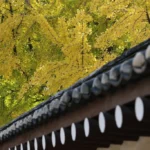


Looking for an unforgettable memory from your Korea trip? A Hanji craft experience is one of the best ways to step beyond standard tourism and into Korean culture itself. Using ‘Hanji’ — Korea’s traditional paper made from mulberry bark — you can complete your own one-of-a-kind work in just a few hours. Here is everything you need to know about a Hanji craft experience.
What is Hanji: a thousand-year-old traditional Korean paper
Hanji is Korea’s traditional paper, dating back to the Three Kingdoms era. It is made by boiling and beating mulberry bark, separating the fibers, then sheet-forming and drying the pulp by hand. Unlike ordinary paper, its long, interlaced fibers give Hanji exceptional durability, a natural texture and a soft sheen. Koreans often say “Hanji barely fades even after a thousand years,” a testament to its preservation quality.
It was once used everywhere in daily life — from sliding-door panels and lanterns to book covers — and today it has returned as a material for crafts and fine art. Hanji is also valued as a sustainable, eco-friendly and biodegradable material. A Hanji craft experience is your chance to touch this material with your own hands and turn it into a finished piece.
Hanji craft experience studios: where to find them
Hanji craft studios operate across Seoul and the wider country. Around Insadong and the Bukchon Hanok Village, you will find many studios that comfortably welcome foreign visitors with English-speaking instructors. Pair your visit with our Insadong & Ikseondong one-day course to enjoy Korean traditional culture in a single day.
Some of the most popular Hanji studios are listed below.
- Insadong Hanji studios: along Insadong-gil in Jongno-gu, Seoul; beginner-friendly 1–2 hour programs
- Jeonju Hanji Museum: covers the history of Jeonju Hanji together with hands-on classes — best combined with a day trip to the Jeonju Hanok Village
- Imsil Pilbong Cultural Village: integrated program covering traditional Hanji production and crafting
- National Folk Museum of Korea (inside Gyeongbokgung Palace): seasonal Hanji craft programs throughout the year
Hanji craft experience programs: what can you make?
Each studio runs a variety of Hanji craft programs. Most can be completed in 1–3 hours, so they slot easily into a trip itinerary.
| Item | Duration | Difficulty | Notes |
|---|---|---|---|
| Hanji lantern | 1.5–2 hrs | Medium | Add an LED bulb to use as a mood lamp |
| Hanji storage box | 1–1.5 hrs | Easy | Best for beginners; practical keepsake |
| Hanji folding fan | 1 hr | Easy | Popular summer souvenir |
| Hanji bookmark | 30–60 min | Very easy | Quick and simple souvenir |
| Hanji photo frame | 2–3 hrs | Medium | Perfect for displaying a travel photo |
What to bring and wear for your Hanji craft experience
You do not need to bring anything special. The studio provides all materials and tools. Still, a few tips are worth keeping in mind beforehand.
- Clothing: glue may get on your hands, so wear something you do not mind getting messy
- Dry hands: Hanji is sensitive to moisture — wash and fully dry your hands before starting
- Reservation required: most studios run on advance booking via Naver Reservation or phone
- English support: confirm with the individual studio before booking, including who will teach and whether written instructions are available.
- Price: roughly KRW 15,000–40,000 per person depending on the item
Why a Hanji craft experience is so popular with travelers
This is more than just a make-and-take activity — here is why travelers keep coming back to it.
First, you take the finished piece home. Unlike a souvenir from a shop, it carries the meaning of being a one-of-a-kind object you made with your own hands. Second, the focus required for gluing and layering Hanji is calming — a quiet, mindful break from the bustle of city travel. Third, the cultural depth is real: as you learn about Hanji’s history and process, you gain a fuller understanding of Korean culture.
Do not miss the modern side either. Many studios now combine traditional patterns with contemporary design — phone cases, LED mood lamps, mini frames and more — making the experience equally popular with younger travelers.
A deeper Hanji craft experience in Jeonju
Jeonju Hanji Museum is in Deokjin-gu, Jeonju, not Wanju County. It presents hanji history and papermaking. Check the museum’s current experience schedule and allow transport time between Palbok-dong and Hanok Village.
Jeonju Hanji Museum visitor info (subject to change — please confirm on the official site before visiting):
- Address: 59 Palbok-ro, Deokjin-gu, Jeonju-si, Jeollabuk-do
- Hours: Tuesday–Saturday 09:00–17:00, admission until 16:30; closed Sunday, Monday, January 1 and holiday breaks. Check special closure notices before visiting.
- Admission: free. Check the specific experience notice for its schedule, booking and any separate program conditions.
- Official website: Jeonju Hanji Museum.
How to book a Hanji craft experience
Slots fill quickly on weekends and during peak season, so we recommend booking at least one week ahead. Search “Hanji craft” on the Naver Reservation platform to see studios in Seoul, Jeonju, Gyeongju and beyond with real-time availability. If you need English support, confirm with the studio in advance.
Group sessions are available too. Many studios offer discounts or private classes for groups of five or more — just contact them in advance.
Hanji craft experience wrap-up: Korean culture in a single sheet of paper
A Hanji craft experience adds one special memory to an otherwise ordinary trip itinerary. A single sheet of paper that began as mulberry bark, shaped by an artisan, blooms into another small artwork in your own hands. It can become a memory that outlasts any tourist photo.
Whether you are in Insadong, Jeonju or Gyeongju, drop by one Hanji studio during your trip. It is far easier than it looks — and a lot more fun.
K-Name Studio: Create your perfect Korean name based on your personality and style.
What’s My K-Beauty Personal Color?
WeBring Service : Provides personalized services to foreigners living in Korea
Exclusive offer: Introducing foreign car rental in Korea, WeBring-SoCar
Sources checked (2026-09-08): 1, 2.
- Jeonju 1-night 2-day Hanok Stay Route: Zero-Detour Itinerary Guide
- Hanok Guesthouse Complete Guide: Jeonju, Gyeongju and Seoul Booking and Ondol Stay
- Hangul Calligraphy Class Korea: A Foreigner’s Complete Seoul One-Day Guide
- Insadong vs Myeongdong: Which One Should You Visit in Seoul?
- Jeonju Family Travel Course: Complete Guide for Trips with Kids
Last updated: 7 October 2026
Rules, fees and procedures can change over time. Before an important decision, check the latest guidance from the relevant authority.
WeBring operates its own services for foreign residents in Korea. The following is a promotion for those services.
Living in Korea? You don't have to figure it out alone
Insurance, visas, jobs and hospital interpretation — WeBring supports every step of settling in Korea, in your language.