
Why Start Korea Famous Mountain Hiking
Korea famous mountain hiking offers a different appeal in every season. About 70% of South Korea’s land area is classified as mountainous, so ridgelines are visible from almost any city street, and on weekends, hiking-attired crowds fill subways and chartered mountain buses. From ancestral grave visits during holidays to workplace hiking clubs and pre-dawn sunrise climbs, mountains are not just nature here — they’re woven into the rhythm of Korean daily life.
The most common question from first-time hikers is “Which mountain should I start with?” This guide lays out recommended trails, difficulty levels, and seasonal highlights for the five iconic peaks of Korea famous mountain hiking — Bukhansan, Seoraksan, Jirisan, Hallasan, and Deogyusan. We cover everything from beginner day hikes to overnight ridge traverses that even seasoned hikers find demanding. Good companion reads: 23 Mountains in Seoul and K-Hiking in Seoul.
Korea Famous Mountain Hiking at a Glance: 5-Mountain Comparison Table
| Mountain | Height | Region | Signature Route | Difficulty | Best Season |
|---|---|---|---|---|---|
| Bukhansan | 836.5m | Seoul / Goyang | Gupabal–Bibong, Jingwansa–Munsubong | Beginner–Intermediate | Spring / Autumn |
| Seoraksan | 1,708m | Sokcho / Inje, Gangwon | Sogongwon–Ulsanbawi, Cheonbuldong–Daecheongbong | Intermediate–Advanced | Autumn foliage |
| Jirisan | 1,915m | Jeonnam / Jeonbuk / Gyeongnam | Jungsan-ri–Cheonwangbong, Piagol Trek | Advanced (traverse) | Summer / Autumn |
| Hallasan | 1,947m | Jeju | Seongpanak–Baengnokdam, Yeongsil–Witse Oreum | Intermediate–Advanced | Winter snowscape |
| Deogyusan | 1,614m | Muju, Jeonbuk | Gondola–Hyangjeokbong, Muju Gucheondong Valley | Beginner–Intermediate | Winter snowscape |
Bukhansan: City-Adjacent Entry Point for Korea Famous Mountain Hiking
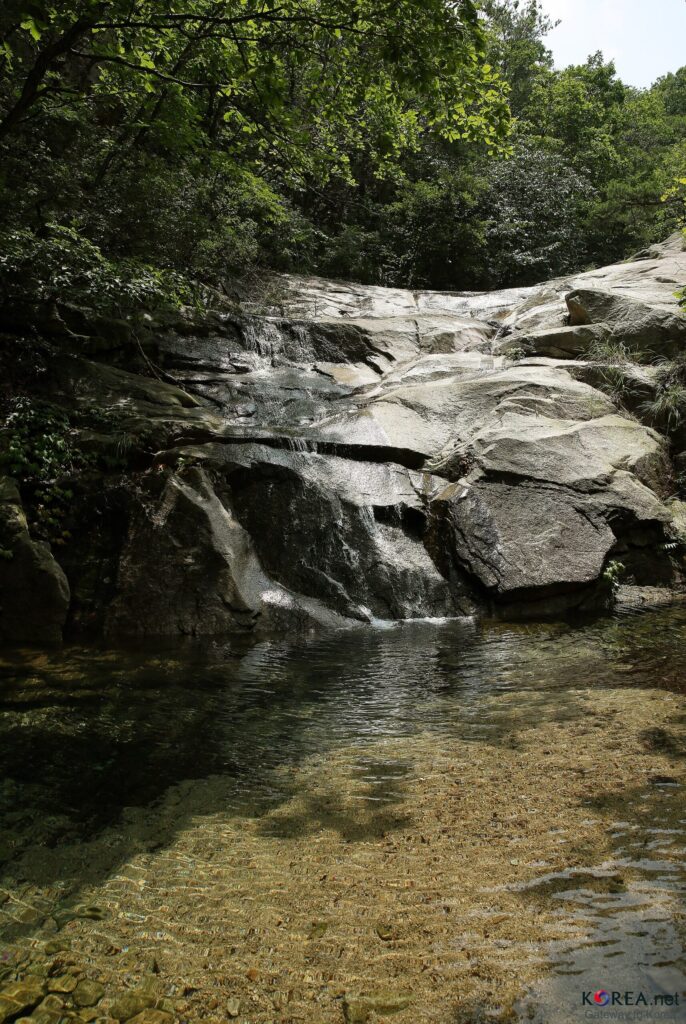
Bukhansan is easy to reach from Seoul, but access does not make every trail easy. Baegundae and ridge routes include steep rock and exposed sections. Choose a lower valley walk for a first outing and check the official difficulty map for the exact route.
For beginners, the gentle route from Gupabal Station through Jingwansa Temple, or the path following Uidong Valley, both work well. After descending, sampling makgeolli (rice wine), pajeon (scallion pancake), or tofu dishes near the trailhead is practically part of the course. Check the Korea National Park Service for seasonal trail closures, entry hours, and parking.
Seoraksan: The True Face of Korea Famous Mountain Hiking — Autumn Foliage & Rocky Ridges

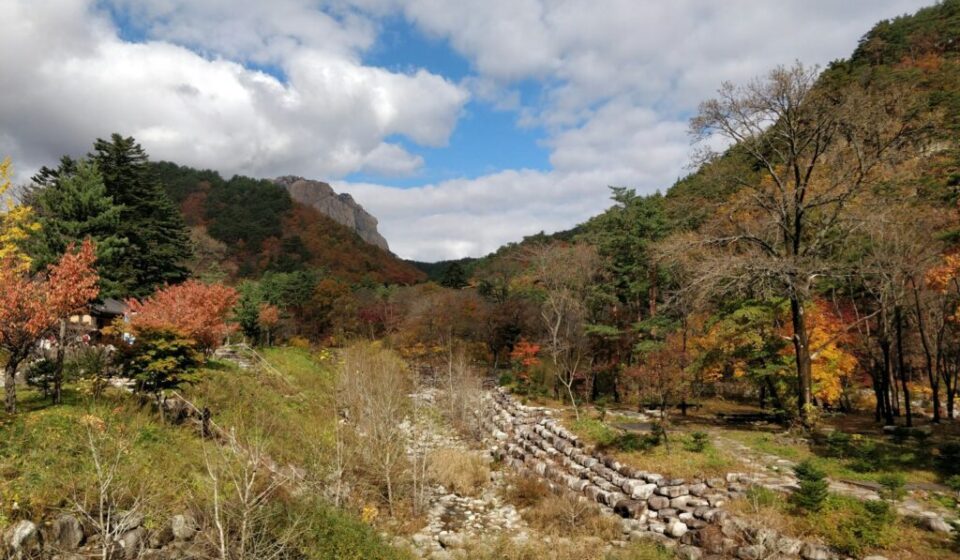
Spanning Sokcho, Goseong, and Inje in Gangwon Province, Seoraksan is the symbol of Korea famous mountain hiking — drawing hikers from across the country when autumn foliage peaks. Daecheongbong (1,708m), Gongnyong (Dinosaur) Ridge, and Cheonbuldong Valley are bucket-list routes that veteran mountaineers want to tackle at least once in their lifetime. At the same time, beginners can ride the Gwongeumseong cable car up for impressive summit-area views, so the barrier to entry is lower than expected.
Signature routes include the Sogongwon → Ulsanbawi round trip (about 4–5 hours) and the Cheonbuldong Valley → Daecheongbong route (about 12–14 hours, overnight stay recommended). With many rocky sections and rapidly changing weather, a windproof jacket, hiking boots, and a headlamp are essential. For Gangwon-region activities, pair this with Gangwon Leisure Sports for a tighter itinerary.
Jirisan: The Pinnacle of Korea Famous Mountain Hiking — Cheonwangbong Sunrise
Jirisan spans Jeonnam, Jeonbuk and Gyeongnam and was South Korea’s first national park. Cheonwangbong (1,915m) is the highest peak on the South Korean mainland. A sunrise itinerary requires experience, suitable equipment and compliance with trail entry hours; if staying at a shelter, reserve it in advance.
Short lower sections of Piagol or Baemsagol suit a less demanding outing; the entire valley trail is not automatically easy. Multi-day ridge traverses require experience, a precise route and confirmed accommodation. Check the current KNPS shelter lottery and remaining-space schedule rather than assuming reservations always open one month ahead.
Hallasan: The Youngest Peak in Korea Famous Mountain Hiking — Baengnokdam & Volcanic Terrain
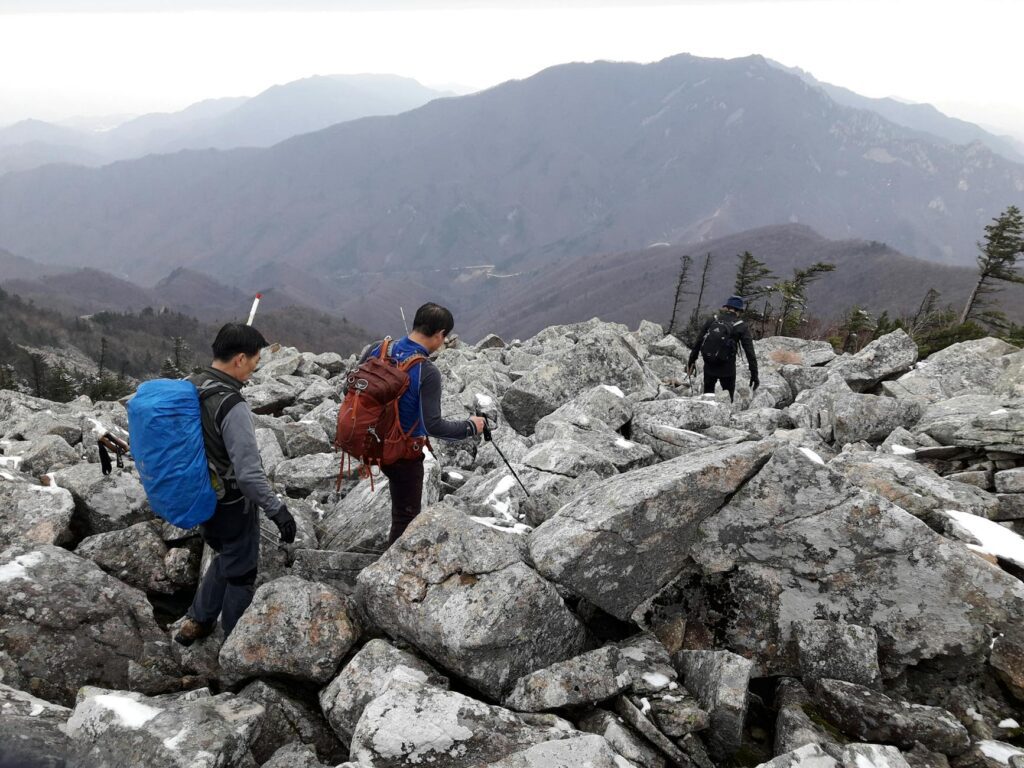
Hallasan on Jeju is South Korea’s highest mountain, with the Baengnokdam crater lake at its summit. Summit routes require advance reservation. As checked on 8 September 2026, the Gwaneumsa section from Samgakbong to the summit is scheduled closed through 30 September; Seongpanak is the available summit approach subject to daily controls. Confirm reopening and your booked trail before departure.
The most manageable route is Seongpanak → Jindallaebat → Baengnokdam (9–10 hours round trip), while the scenically varied Yeongsil → Witse Oreum route (4–5 hours round trip) suits travelers short on time — though it doesn’t reach the actual Baengnokdam summit. Hallasan enforces strict entry cutoffs, and latecomers get turned back at checkpoints. Pair your Jeju itinerary with Top 10 Jeju Oreum.
Deogyusan: Korea Famous Mountain Hiking with a Gondola Start
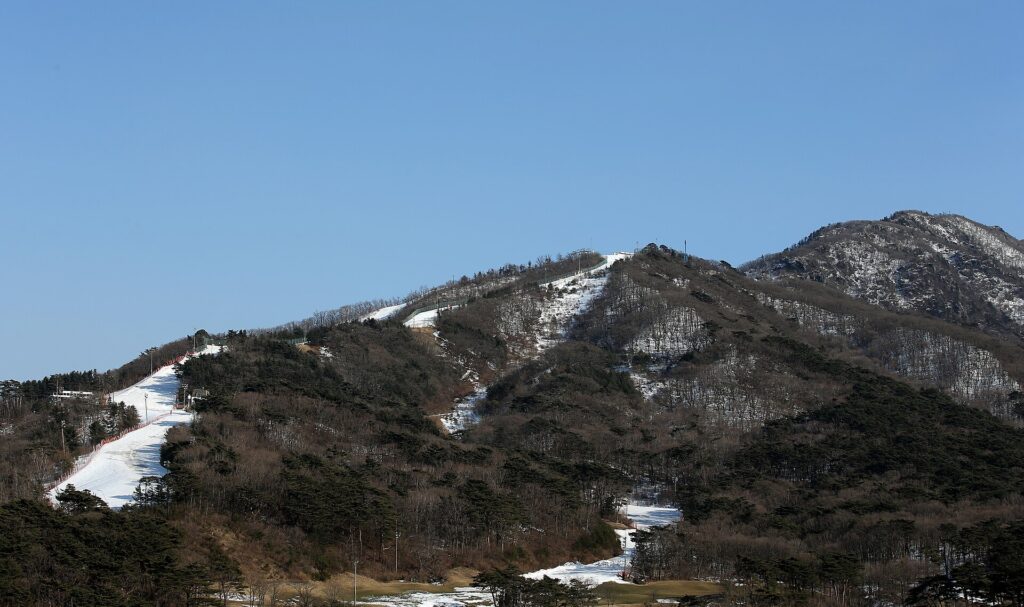
The gondola can shorten the approach to Deogyusan’s Hyangjeokbong, but the walk from Seolcheonbong remains a mountain trail. Allow extra time for queues, snow and ice. Hiking boots alone are not enough in winter: prepare warm layers and traction equipment, and check gondola operation and trail restrictions before booking.
Each season has a distinct character — royal azalea fields in spring, the cool Muju Gucheondong Valley in summer, ridge foliage in autumn, and rime ice and sea-of-clouds views in winter. Beyond the short gondola route, a full traverse from Anseong Visitor Center via Dongnyeongnyeong to Hyangjeokbong (about 7–8 hours) is also an option.
Korea Famous Mountain Hiking Safety Rules & Gear Checklist
High-altitude trails can be much colder and windier than the city, and weather can deteriorate quickly. Match the route to the least experienced person, set a turnaround time and carry equipment for a delayed descent.
- Hiking boots: mid-cut or higher for ankle support
- Windproof / waterproof jacket (regardless of season)
- Water and trail food: calculate supplies for the route, heat and reliable refill points; 1–1.5L is not a sufficient universal allowance for long mountain days.
- Headlamp + spare batteries
- Map or offline GPS app (Ramblr, Tranggle)
- Winter: crampons, gaiters, trekking poles
- Whistle, emergency bivvy bag
Check entry restrictions, safety notices, and shelter reservations on the Korea National Park Service system. Foreign travelers can also reference English-language hiking information on the Korea Tourism Organization’s VisitKorea.
Start Korea Famous Mountain Hiking with One Peak
Korea famous mountain hiking isn’t about summiting all five mountains in one go. Test your fitness and gear on the city-accessible Bukhansan, then add one peak per season — Seoraksan foliage in autumn, Hallasan’s Yeongsil in summer, Deogyusan’s gondola route in winter — for a sustainable pace. When the urge to traverse hits, the Jirisan Hwadae traverse is the final gate.
If you’d rather start with walking trails, browse Korea Walking Trail Courses and Seoul Suburban Walks first. Korean mountains aren’t peaks to conquer once — they’re friends you meet again every year.
K-Name Studio: Create your perfect Korean name based on your personality and style.
What’s My K-Beauty Personal Color?
WeBring Service : Provides personalized services to foreigners living in Korea
Exclusive offer: Introducing foreign car rental in Korea, WeBring-SoCar
Sources checked (2026-09-08): 1, 2, 3, 4.
Last updated: 16 September 2026
Prices, opening hours and transport schedules change with the season and the operator. Check the official channel again before you go.
WeBring operates its own Korea tour and vehicle services. The following is a promotion for that service.
Explore Korea's mountains — guides in your language
Courses, transport and seasonal tips for 30 mountains, from Bukhansan to Hallasan, available in 11 languages. Pick up essential travel Korean and find events for the global community, too.