

Dorm vs Self-Boarding for International Students in Korea: A Complete Housing Guide

For international students in Korea, the dorm vs self-boarding comparison is the first real-world decision you face before even landing. Dorms are safe and convenient but come with rules, while self-boarding gives you freedom but adds costs and administrative work. Compare the pros and cons of dorms and self-boarding by budget, lifestyle, and campus location to find your best fit. For broader housing options, see the complete housing guide for international students.
1) Dorm vs Self-Boarding: Which Choice Shapes Your Student Life?
When you first arrive in Korea for studies, most universities offer dormitories, and you can also choose self-boarding in a studio (one-room) or officetel. Each housing type has different strengths and weaknesses in cost, convenience, and privacy. The heart of the dorm vs self-boarding decision comes down to one question: “What kind of student life do I want?”
2) Dorm Advantages: Starting Your Studies in a Safe Environment
Dormitories are the most representative housing form offering stability and convenience. They are especially beneficial for international students in terms of safety and management. Located on or near campus, commute times are short, and most dorms have 24-hour staffed management offices, making it easier to handle emergencies.
When language is unfamiliar and the culture is new, dormitory staff or RAs (Resident Assistants) can be a real help. They may guide you through Korean living procedures such as room cleaning or utility bill payments, or resolve issues that arise inside the dorm on the spot. Campus facilities (libraries, lecture halls, gyms) are also a short walk away, so even during Korea’s cold winter you can reach class in just a few minutes.
3) Dorm Disadvantages: Rules and Privacy Limits
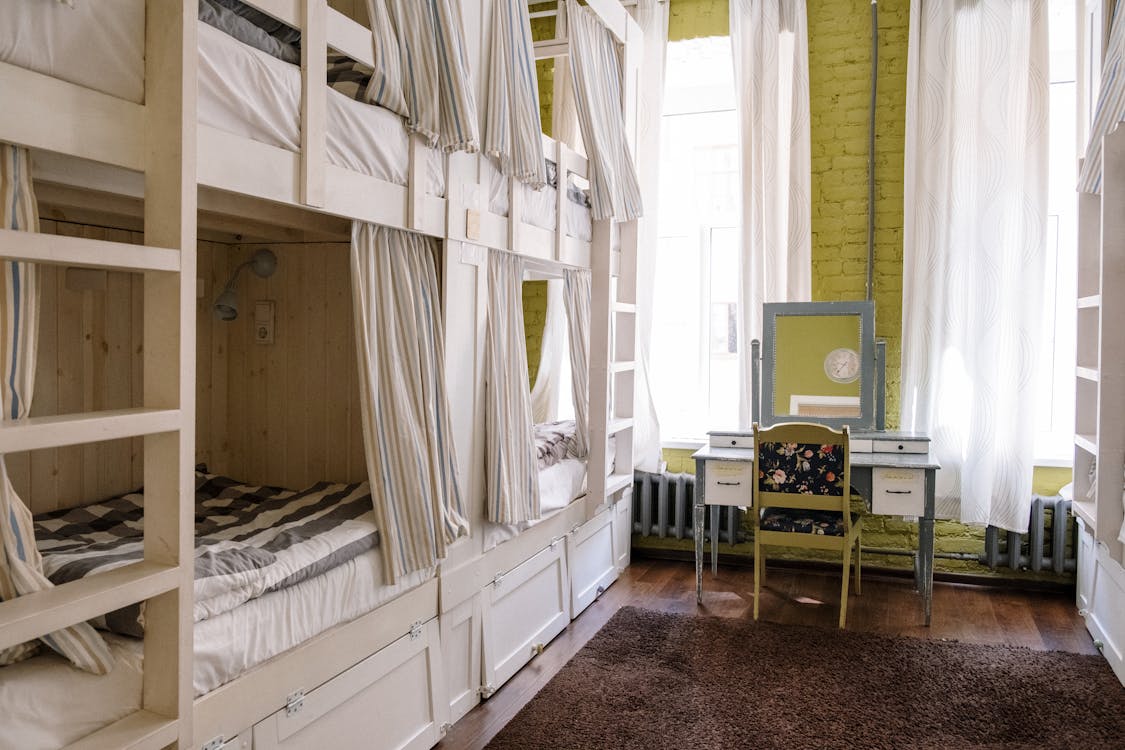
Because dorms are a form of communal living, many rules and restrictions follow. The most common example is curfew. Some university dorms lock entrances around midnight to 1 a.m., making it hard to go out freely at night. With 2-person or 4-person room layouts, personal space is limited, and differences in roommate routines can lead to conflict.
If bathrooms or kitchens are shared, personal space is even more limited, and you’ll have to communicate often with others. Wanting to cook ramen late at night while your roommate is sleeping can be a problem; conversely, when you want to sleep early but someone is gaming loudly, stress builds on both sides. Before choosing a dormitory, ask yourself honestly whether you can adapt to communal life.
4) Self-Boarding Advantages: Free and Independent Life in Korea
Self-boarding means signing a contract for a studio or officetel near campus and living in your own independent space. The biggest advantage is freedom. You can go out whenever you want, decorate the space as you like, and live without interference from others. There are no roommate conflicts, and inviting friends over is also relatively free.
Self-boarding in Korea also lets you cook Korean dishes yourself and become familiar with Korean ingredients. The experience of paying rent and utility bills on your own helps you grow. Many international students later say that this independent living experience became a great personal asset after returning home.
5) Dorm vs Self-Boarding: Self-Boarding’s Cost and Paperwork Burden
Self-boarding guarantees a free lifestyle but brings a heavy financial burden. Compared to dorms, monthly rent is higher, and the deposit system requires a lump sum upfront. Most international students rent monthly (wolse), and there are also extra costs like real estate broker fees, management fees, and utilities. For the basics of Korean real estate contracts, see Understanding Korean Housing Types.
Beyond rent and deposit, internet installation, move-in cleaning, furniture and appliance purchases, and waste disposal arrangements all add up. Foreign students also have to handle paperwork in Korean, which can be a real stress point. For tasks the school covers in the dorm — late-night safety, security, internet setup, basic furniture — you now have to take care of them yourself. The freedom of self-boarding comes with the price tag of responsibility.
6) Dorm vs Self-Boarding Decision Criteria: Budget, Lifestyle, Campus Location
When choosing between a dorm and self-boarding, you must consider budget, lifestyle, and campus location together. If your budget is tight, the dorm option, which is cheaper and includes utilities and internet, is usually safer. However, if you have curfew issues or want a roommate-free environment, self-boarding may be more comfortable even at a higher cost.
If the campus is located outside the city in a remote area, the dorm has the advantage of being right next to lecture halls. On the other hand, if the campus is in central Seoul, self-boarding in nearby neighborhoods like Hongdae, Sinchon, or Sillim makes daily life much more enjoyable. Differences in academic schedule, school events, and part-time work all influence which housing form fits your lifestyle. The dorm vs self-boarding comparison ultimately changes depending on your situation.
7) Things You Must Know Before Moving Into a Dorm
If you’ve decided on a dormitory, check the application schedule and required documents in advance. Most university dorms accept applications about 2–3 months before each semester starts, and an admission certificate or enrollment confirmation document is usually required. Quotas often fill up faster than you’d think, so secure your bed early — especially for popular schools or limited 1-person rooms.
Before moving in, you should also check rules around curfew, overnight absence reporting, meal plan operating hours, laundry facilities, and visitor policy. Once you start dorm life, breaking those rules can sometimes lead to being asked to leave, so it’s important to know your school’s specific dorm regulations precisely. For other settlement tasks after orientation, see 10 things to do after orientation in Korea.
8) Self-Boarding Success Tips: Start Hunting After the Dorm vs Self-Boarding Decision
If you’ve decided on self-boarding, first choose a neighborhood and set a budget. Check the distance to school, transportation convenience, and whether everyday facilities like supermarkets, banks, and hospitals are nearby. When viewing rooms, visit several listings through a real estate agent or share-house platform to compare. Photos online can differ from reality, so go in person and carefully check wall mold, soundproofing, and the boiler operation.
When signing the contract, thoroughly verify how the contract is written, how the deposit and monthly rent are paid, and the contract period. As a foreigner, you’ll submit a passport or Alien Registration Card instead of a national ID, and you should talk through any vague clauses before signing. Also agree in advance on how to reach the landlord if a problem arises and who covers repair costs to prevent disputes. For the basic concepts of jeonse and wolse contracts, you can also check the Ministry of Land, Infrastructure and Transport official site.
Wrap-Up: Finding the Housing Form That Truly Fits You
It’s hard to say either dorm or self-boarding is unconditionally the right answer. Dorms offer safety and convenience but come with many rules; self-boarding is free but increases financial burden and administrative work. In the dorm vs self-boarding comparison, what truly matters is taking your lifestyle, realistic budget, and campus surroundings into account together.
Some students move from dorm to self-boarding after feeling restricted, and others move from self-boarding back to dorm after feeling lonely. Student life is a continuous series of new experiences and trial-and-error, so don’t put too much pressure on a single choice. Whether dorm or self-boarding, the experience itself becomes a meaningful asset for your future.
Comparing Total Cost Changes the Answer
Comparing dormitory fees against monthly rent makes living out look expensive. Set against everything that actually leaves your account, the conclusion flips depending on term length and location.
| Item | Dormitory | Living out |
|---|---|---|
| Upfront | No deposit, or a small one | Deposit + agency fee + moving + appliances and furniture |
| Monthly fixed | Dormitory fee, often including utilities | Rent + maintenance fee + utilities |
| Food | Cheaper where a meal plan is included | Entirely your own |
| Vacations | Many universities require you to vacate | You stay — and keep paying |
| Transport | Zero if on campus | A monthly cost depending on location |
The key is dividing the upfront cost by your length of stay. The deposit comes back, but agency fees, moving costs and appliances do not — and over a single year that converts into a large monthly figure. Past roughly two years, living out starts winning.
Vacations are the other variable. If the dormitory requires you to leave, you move your belongings and find temporary accommodation every break, and that cost and hassle frequently cancels out the rent difference. Confirm the vacation policy with your university first.
If You Live Out: The First Semester Checklist
A dormitory is managed for you; living out is entirely yours. These are the things that make everything afterwards easier if done in the first month.
- Move-in registration and the fixed date stamp — handle both at the community service center on moving day. They protect the deposit and connect to your residence reporting duty.
- Utility accounts — check whose name electricity, gas and water are in, and set up direct debits if they are yours. Arrears lead to disconnection.
- Internet — a contract longer than your stay means early termination penalties. Check the term before signing.
- Waste disposal — volume-rate bags and recycling rules differ by district, and breaches carry fines.
- Emergency contacts — landlord, building management, nearest police box. Save them in your phone.
The commonest first-semester mistake is not anticipating winter heating costs. Signing in summer means never feeling the effect of the heating type until January. Before signing, ask about the heating system and last winter’s maintenance bills.
K-Name Studio: Create your perfect Korean name based on your personality and style.
What’s My K-Beauty Personal Color?
WeBring Service : Provides personalized services to foreigners living in Korea
Exclusive offer: Introducing foreign car rental in Korea, WeBring-SoCar
- Dormitory vs Self-Boarding in Korea: A Complete Housing Guide for International Students
- Your Complete Guide to international student housing Korea Costs Lifestyle & Risks
- Dormitories in Korea and Residences in Korea: A Guide for Foreigners
- Share House vs. One-Room in Korea: Which Option is Best for Foreigners?
Last updated: 22 September 2026
Rules, fees and procedures can change over time. Before an important decision, check the latest guidance from the relevant authority.
WeBring operates its own services for foreign residents in Korea. The following is a promotion for those services.
Living in Korea? You don't have to figure it out alone
Insurance, visas, jobs and hospital interpretation — WeBring supports every step of settling in Korea, in your language.

