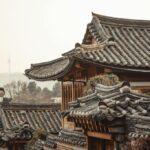
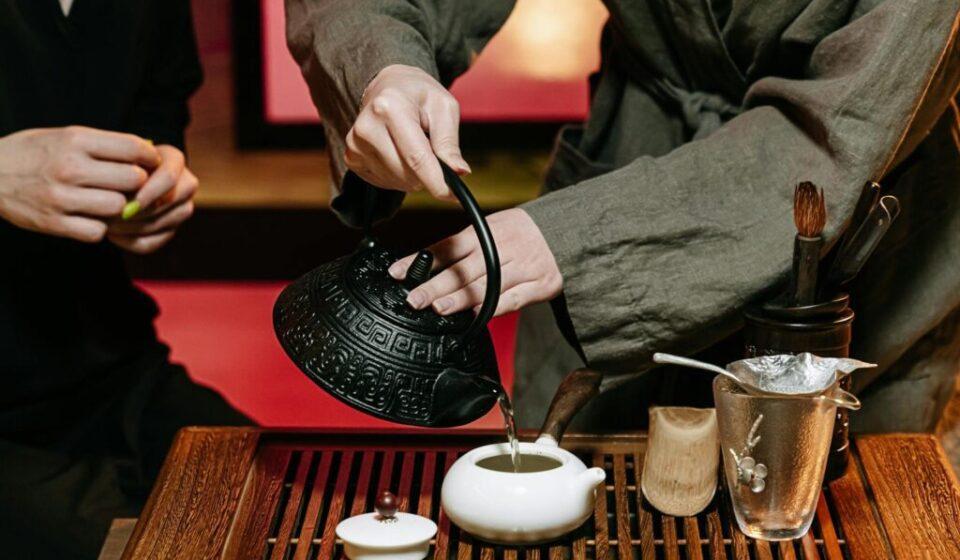

The Korean tea ceremony experience elevates the entire process of brewing and sharing tea into a single ritual of traditional culture. More than a simple beverage, it is a living art of calming the mind and focusing on the present — a precious experience to try on any visit to Korea. Tea has developed over thousands of years alongside the spiritual traditions of Buddhism and Confucianism.
Roots of the Korean Tea Ceremony Experience: Buddhism and Confucianism
Historical accounts describe tea drinking in Silla and its links with Buddhist practice. The Samguk Sagi records the envoy Daeryeom bringing tea seeds from Tang China in 828 and their planting on Jirisan by royal order. This is a documented cultivation episode, not proof that a single group first introduced every form of tea drinking. Tea later held roles in court life, scholarship and hospitality.
Korean tea practices vary by school, temple and occasion, from formal etiquette to casual conversation. Japanese practices also vary, so a simple strict-versus-relaxed national comparison is misleading. Follow the host’s explanation of the specific ceremony you attend.
Varieties and Characteristics of Korean Traditional Tea
Korean traditional tea is not only green tea. Beyond green teas grown in Boseong (Jeonnam), Hadong (Gyeongnam), and Jeju, there are black tea, yellow tea, fermented teas, and more. Herbal teas like jujube tea, citron tea, ginger tea, and ssanghwa tea — along with grain teas like barley and corn tea — are also important parts of Korea’s tea culture.
Choose tea for its taste, aroma and ingredients. Green tea, jujube tea and ginger tea offer different flavors, but a pleasant tasting experience is not a guaranteed stress or concentration benefit. Ask about ingredients and caffeine if these affect your choice.
Korean Tea Ceremony Experience Programs: Moments of Learning
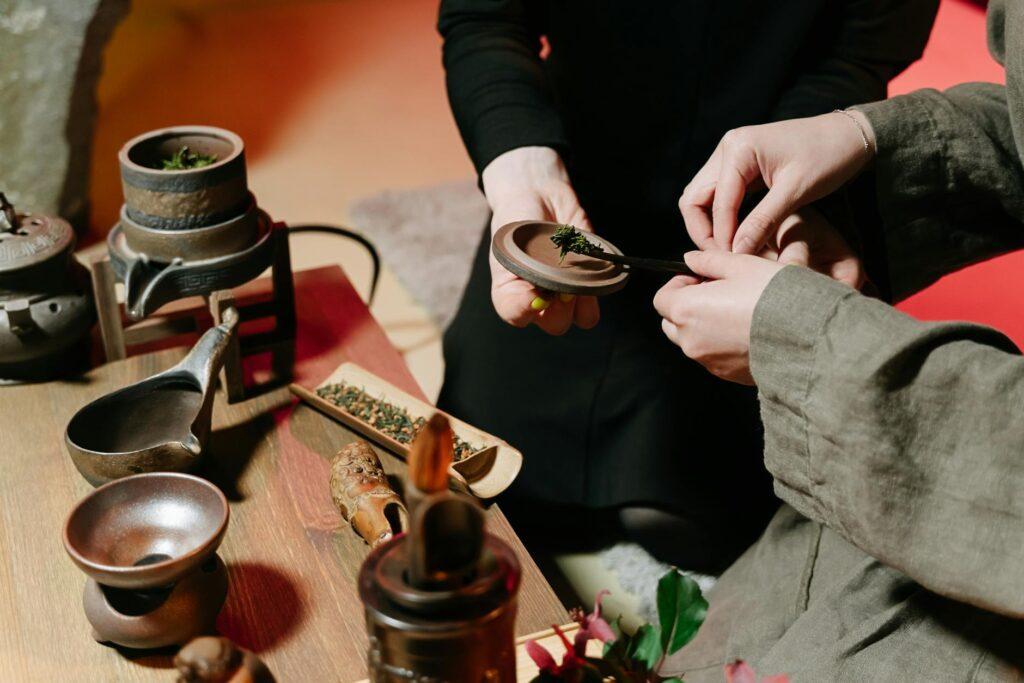
A class may introduce teapots, cups and scoops, warming the utensils and choosing water temperature and steeping time. Some use a sharing pitcher called a gongdobae; it is not compulsory in every Korean tea practice. Ask which brewing method, tasting and language support the booked class includes.
Water temperature, leaf quantity and steeping time change the brew. Comparing two infusions can help you notice aroma and flavor differences. Take it at your own pace; participants do not all experience the same emotional effect.
Korean Tea Ceremony Experience: Etiquette and Spirit
The tea ceremony is “an act of conveying the heart.” The person serving tea prepares it with full sincerity, and the receiver drinks each sip with gratitude. In this two-way care and respect, silence or quiet conversation flows naturally, and a sense of inner ease arises.
An unhurried, calm attitude is at the heart of the tea ceremony. Tea needs time to brew fully, and through that patience you experience the value of “slowness.” In a fast-paced modern society, the Korean tea tradition offers a real chance for healing and reflection.
Korean Tea Ceremony Experience: Recommended Teahouses and Hanok Spots
To experience traditional tea in Korea, look for traditional teahouses, hanok cafes, and cultural centers that offer tea ceremony programs. Seoul’s Insadong and Ikseondong have many old-fashioned teahouses where you can quietly enjoy tea. Jeonju Hanok Village and Gyeongju Gyochon Village are also great spots to enjoy tea in traditional tea rooms.
Some Templestay programs include tea with a monk, while tea gardens may offer seasonal harvest or processing activities. Check the actual program and reservation requirements; a museum or garden ticket does not automatically include a class. Osulloc’s official Tea Stone page is one place to check current tea experiences.
Finding Daily Calm Through a Korean Tea Ceremony Experience
Brewing tea offers time to pause and pay attention to a shared activity. Enjoy the aromas, utensils and conversation as a cultural experience, without expecting a particular health effect.
If you want a new kind of cultural experience during your trip to Korea, a traditional teahouse or tea ceremony class is highly recommended. The moment you sit on the wooden veranda of a hanok and slowly sip a fragrant cup of tea, the noise of the city fades and a deep ease settles in. Leave time to enjoy the cup without rushing to the next stop.
K-Name Studio: Create your perfect Korean name based on your personality and style.
What’s My K-Beauty Personal Color?
WeBring Service : Provides personalized services to foreigners living in Korea
Exclusive offer: Introducing foreign car rental in Korea, WeBring-SoCar
Sources checked (2026-09-08): 1, 2, 3.
Last updated: 16 September 2026
Rules, fees and procedures can change over time. Before an important decision, check the latest guidance from the relevant authority.
WeBring operates its own services for foreign residents in Korea. The following is a promotion for those services.
Living in Korea? You don't have to figure it out alone
Insurance, visas, jobs and hospital interpretation — WeBring supports every step of settling in Korea, in your language.