

Why Farm Work Is More Than a Trip
If you want to know about the rural volunteer experience in Korea, this guide is for you. Life in the countryside is very different from city life. People wake up before sunrise to head into the fields, plant and harvest crops with the rhythm of the seasons, and live alongside nature with both its joys and its hardships. A great way for city dwellers to peek into rural life is the rural volunteer experience. Among them, half-day helping hands is a short program you can join without much pressure.
This article walks you through the value of farm volunteering, what you need to prepare, and what you can actually expect on the day. If your travel is not only about consumption but also helps the local community and nature, isn’t it even more meaningful?
Short but Powerful: How to Sign Up for a Rural Volunteer Experience
Look for a current recruitment notice through the 1365 Volunteer Portal, a local volunteer center or a local agricultural cooperative. A news report about a corporate volunteer group does not mean the same farm accepts individual tourists. Ask whether half-day participation is available, who is eligible, what language is used, and whether transport, meals, insurance and equipment are included. Obtain confirmation before travelling; the morning-work/afternoon-visit plan below is an example, not an open booking.
What you do during those short hours depends on the season and the crop. Spring brings rice planting and seedling work; summer means weeding and fruit picking; autumn focuses on rice harvest and fruit packing. Nobody expects you to work like a full-time farmer all day, but even a small hand really matters to the host family. Working shoulder to shoulder, like the traditional Korean pumasi (mutual aid), you bond quickly with strangers and feel a unique kind of fulfillment from physical work. For more details, see the Korea Tourism Organization.
Feel the Living Energy of the Land
Even though a half day is short, sweating alongside the farmers reminds you of how precious your everyday meals really are. A single grain of rice or a bite of vegetable carries hours of labor and the rhythm of nature. The fresh village air, the birdsong, the cluck of chickens, and the smell of soil all give you a sensory experience completely unlike a city.
Especially while you bend over green rice paddies or orchards to pull weeds or check the crops, the daily worries crowding your mind tend to drift away. The energy rising from the ground and the seasonal air wraps around your body and brings a quiet kind of healing for body and mind. Some people say that only through a farm helping-hand trip did they finally meet “real nature.” Related read: Korean Tea Ceremony Experience.
Rural Volunteer Experience and Local Economy: A Win-Win Connection
A farm helping-hand activity does more than help one farmer. It is also about coexistence with the local economy. In Korean countryside areas that have aged and depopulated, lack of labor is a serious problem. After young people leave for the cities, only older residents remain, and they often struggle with manpower shortages during the farming season. So when a city dweller volunteers, even briefly, it makes a real difference for the local farm. For background on foreign labor policy, see Foreign Rural Workers Expansion 2025.
After the volunteer session, you can also support the local economy by eating at a nearby village restaurant or buying produce at a direct-market stall. For example, you might buy harvested fruit directly on site, or have a meal at a restaurant serving regional specialties. When this cycle continues, the participant gets high-quality farm products and the local community gets economic momentum — a real win-win relationship.
What to Bring and Safety Tips
To join a half-day helping-hand activity, comfortable clothing and shoes come first. Because field work means contact with soil and water, rubber boots, work shoes, or sneakers with a fairly thick sole are best. A hat or sleeve covers protect you from sunlight and bugs. There can be sudden rain, so a raincoat or spare clothes are a smart backup.
Follow the coordinator’s safety briefing, take regular breaks in a cool place and keep water available. Reschedule strenuous work in heat or severe weather. Do not operate farm machinery, handle pesticides or repair tools without the appropriate training and authorization. Ask for a lighter task if needed, stop if unwell, and keep the work area tidy.
Seasonal Rural Volunteer Experience Activities at a Glance
| Season | Main Activities | Indicative effort; task-dependent | Recommended Region |
|---|---|---|---|
| Spring (Mar–May) | Rice planting, seedlings, greenhouse setup | Medium | Chungnam, Jeonbuk |
| Summer (Jun–Aug) | Weeding, fruit picking, crop thinning | High | Gyeongbuk, Jeonnam |
| Autumn (Sep–Nov) | Rice harvest, apple and pear picking, kimchi prep | Medium | Jeonnam, Gangwon |
| Winter (Dec–Feb) | Supervised greenhouse sorting, meju (soybean block) making | Low | Jeonbuk, Chungbuk |
After a Half-Day Rural Volunteer Experience: Small Changes in You
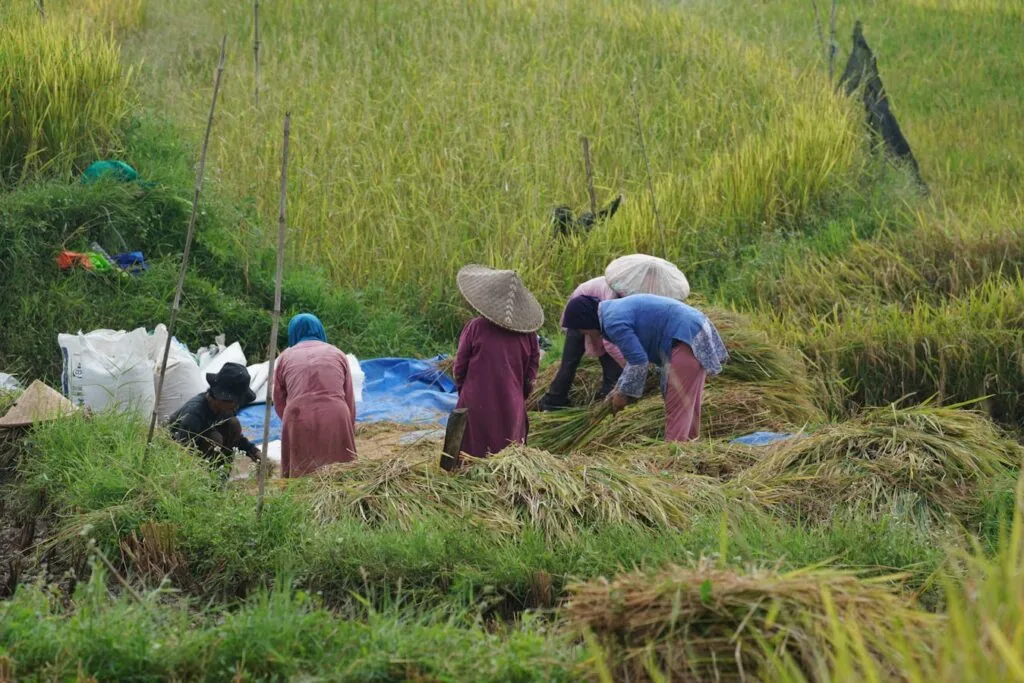
Even after such a short time helping out, you may find yourself a little different on the way home. The lunch you eat after sweating feels especially fulfilling, and the sounds of nature you rarely catch in the city stay in your ears. Listening to farmers talk plainly about their lives, you also glimpse the humble, resilient philosophy of working the land.
Later, when you buy ingredients at the supermarket, you will think one more time about the farmer’s effort behind them, and naturally feel more determined not to waste food. Even if it is only one day, if such a small change makes our lives a little richer, isn’t that meaningful enough?
Beyond the Rural Volunteer Experience: Hanok Stays and Village Tourism
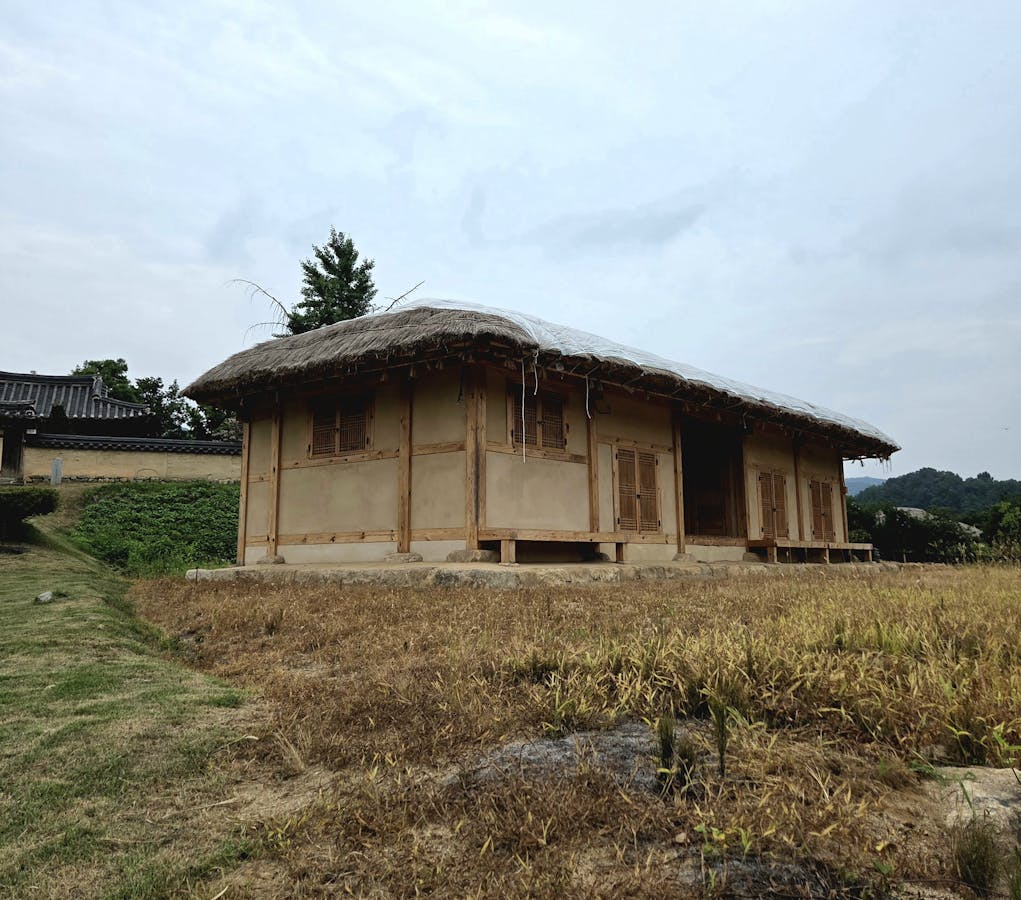
If there is a hanok stay or minbak nearby, you can extend your trip to one night and two days. By day you volunteer; in the evening, you mingle with villagers, try traditional food, or take a walk along the paddy paths. As you chat quietly under stars you rarely see in the city, a moonlit landscape — where even a stray cat is hard to spot — suddenly feels almost magical.
While you are at it, exploring nearby tourist spots after the volunteer session is also recommended. In Chungcheong or Jeolla provinces, you can often find rivers, lakes, fortress walls, temples, and traditional markets close by, turning a short trip into a varied experience. The farm helping hand becomes part of the journey. If you want other meaningful Korean activities, see also Seoul Nearby Day Trip Guide.
A New Value for Your Next Trip
A half-day farm helping-hand activity is one of the easiest ways for busy city dwellers to step out of consumption-focused travel and step into connection-and-sharing travel. Your body may feel a little tired, but touching the soil and being with nature stays with you for a long time and becomes everyday energy. Above all, you make a small contribution to the problems the countryside is facing and come to understand another side of the world you live in.
For a weekend farm volunteer visit, first find an organizer with a current notice and obtain acceptance. Confirm the actual tasks and time commitment; half a day will not suit every farm. If no suitable volunteer place is open, a booked farm visitor activity can offer another way to learn, but it should not be presented as volunteer work.
Image credits
- Featured and body images: Pexels Free License (Pexels License)
- Hanok village scenery: Pexels — Andong-si, South Korea
- Harvest scene: Pexels — Cambodian farm harvest
- Group helping hands: Pexels — rice paddy harvest
K-Name Studio: Create your perfect Korean name based on your personality and style.
What’s My K-Beauty Personal Color?
WeBring Service : Provides personalized services to foreigners living in Korea
Exclusive offer: Introducing foreign car rental in Korea, WeBring-SoCar
Sources checked (2026-09-08): 1, 2, 3.
Photographs are illustrations of rural work and traditional village visits, not documentation of a bookable Korean volunteer program. The harvest photograph is identified in its source as Cambodia.
- Korea Four-Season Travel Guide: Cherry Blossoms to Skiing Adventures
- Rural Hanok Stay Guide: Regions, Architecture and Booking Tips
- Nongak Festival Guide: Korea’s Regional Folk Music Festivals & Hands-On Tips
- Hanbok Photoshoot Rural Village Guide: Stone Walls, Fields, Traditional Korean Photos
Last updated: 7 October 2026
Prices, opening hours and transport schedules change with the season and the operator. Check the official channel again before you go.
WeBring operates its own Korea tour and vehicle services. The following is a promotion for that service.
Explore Korea's mountains — guides in your language
Courses, transport and seasonal tips for 30 mountains, from Bukhansan to Hallasan, available in 11 languages. Pick up essential travel Korean and find events for the global community, too.