
Korean Traditional Tea: Discovering Authentic Cafes and Desserts
While Korea is renowned for its abundance of specialty coffee shops, it’s also worth seeking out cafes dedicated to serving traditional Korean tea (jeontongcha). From soothing brews like jujube, citron, ginger, and green tea to fusion-style desserts inspired by time-honored ingredients, there’s a growing effort to reinterpret Korean tastes in a contemporary setting. In this post, we’ll explore how to fully enjoy a relaxing teatime at Korea’s unique traditional tea and dessert cafes.
1) Types and Health Benefits of Traditional Korean Tea
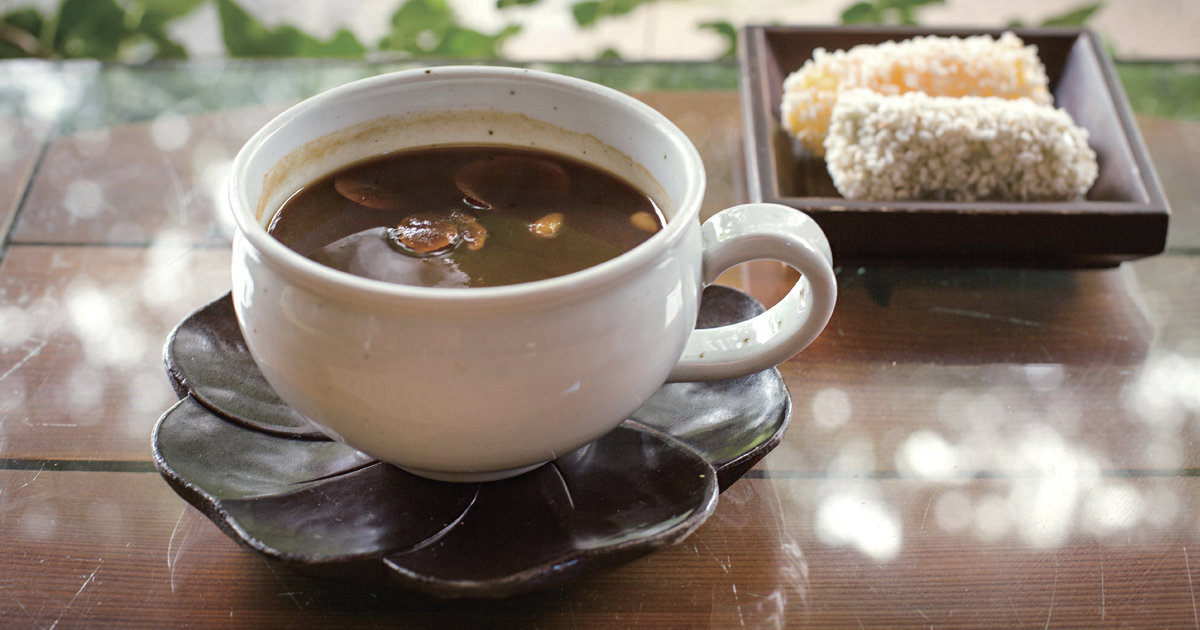
Korean traditional teas are typically brewed from grains, fruits, and medicinal herbs. For example, jujube tea (daechucha) is known for its sweet flavor and its ability to warm the body, often enjoyed for fatigue relief. Citron tea (yujacha), with its tangy-sweet profile, is popular in winter for its immune-boosting properties, while ginger tea (saenggangcha) is prized for aiding digestion and circulation thanks to its spicy aroma.
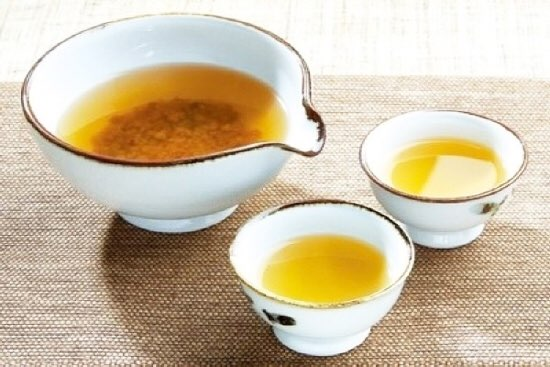
Teas brewed from tea leaves, such as green tea (nokcha), yellow tea (hwangcha), and pu-erh tea (boeicha), are also considered part of Korea’s traditional tea culture. In particular, green tea from Boseong in Jeollanam-do and Hadong in Gyeongsangnam-do is so renowned that it is even exported overseas. With such a diverse selection, Korean teas offer the joy of choosing according to personal taste or health needs.
2) The Atmosphere of Traditional Tea Cafes
Most traditional tea cafes evoke a calm and introspective mood through hanok-style interiors, wooden furniture, and traditional ornaments. Popular spots include Seoul’s Insadong and Bukchon districts, Jeonju Hanok Village, and Gyeongju’s Gyochon Village — all famous destinations housing charming tea cafes.
Inside, you’ll often find soft lighting, the subtle scent of wood, and Korean traditional music gently setting the tone. Menus are usually divided into hot and iced teas, and are accompanied by classic Korean sweets such as yakgwa (honey cookies), gyeongdan (rice cakes), hangwa (traditional confections), or tteok (steamed rice cakes). These offerings echo the old custom of serving a dawasang (tea and sweets table) to guests.
Some cafes even offer a brief explanation of their tea-brewing process, giving thoughtful tips such as, “This tea pairs well with honey,” or “You can enhance the flavor by steeping it a little longer.”
3) Desserts: A Blend of Tradition and Innovation
When thinking of desserts that pair with traditional tea, most people expect Korean-style confections like yakgwa or tteok. However, creative fusion desserts are now gaining popularity. Green tea macarons, injeolmi toast, and black sesame cream cakes are examples of modern sweets that offer a new twist on heritage flavors.
Some cafes go even further, serving items like ginger syrup-based ades or pound cakes glazed with jujube syrup. While these may look Western on the outside, one bite reveals layers of distinctly Korean ingredients. These East-meets-West fusions add another layer of appeal to K-Food culture.
4) Must-Visit Traditional Tea Cafes by City
- 🏯 Insadong & Bukchon, Seoul: As major tourist hubs, these neighborhoods offer countless traditional tea houses tucked into alleyways. You’ll find everything from serene teahouses to themed cafes offering hanbok (Korean traditional clothing) experiences.
- 🏡 Jeonju Hanok Village: Known for its authentic regional teas like ssanghwacha or quince tea, Jeonju is also the perfect place to enjoy local delicacies like red bean bingsu or grilled tteokgalbi alongside your tea.
- 🍃 Near Green Tea Farms in Gangneung & Boseong: Cafes near tea plantations often provide farm experiences, allowing visitors to try picking or roasting tea leaves. Green tea lattes and freshly made desserts at these spots boast a rich, fragrant profile.
5) DIY Tea Brewing Classes for a Hands-On Experience
If you’d like to dive deeper into the world of traditional Korean tea, consider attending a tea-making class or a Korean tea ceremony (dado) session. Some temple stay programs include dado classes, and you can also find 1–2 hour experiences at urban workshops and specialty tea cafes.
These classes walk you through the ritual of preparing tea — from arranging the tea set, adjusting water temperature, to cooling and pouring techniques. Unlike fast-paced coffee culture, traditional Korean tea emphasizes calmness and etiquette. Many who attend say the process provides mental relaxation and helps bring focus to the present moment.
Traditional tea and dessert cafes are a goldmine for Instagram or YouTube content. A beautifully arranged dawasang or the tranquil interior of a hanok makes for a visually appealing post. When shared with hashtags such as #KoreanTea, #TraditionalCafe, or #HanokCafe, these photos connect like-minded tea lovers from around the world.
Just remember to follow proper photo etiquette to avoid disturbing other customers. Avoid bright flashes or loud conversations. If in doubt, asking “Would it be alright if I take a few photos?” usually earns a warm response from the staff.
7) Bring the Experience Home: Buying Traditional Teas
If you discover a tea you love, it makes for a thoughtful gift or souvenir. Many traditional Korean teas — jujube, citron, ginger — are available in convenient tea bags or as syrup and jam in jars. Drinking these at home can instantly bring you back to your travel memories.
They also make for a more unique gift than coffee. Saying something like, “Here’s some Korean jujube tea I brought back — try it with a bit of honey,” adds a personal and cultural touch that’s sure to be appreciated.
Final Thoughts: A Sweet Sip of Serenity
In the bustle of travel or daily life, a moment spent at a traditional Korean tea and dessert cafe can serve as a true mental sanctuary. If the glitz of K-pop concerts and the energy of urban exploration wear you out, why not step into a quiet alley and enjoy a cup of jujube tea with a bite of tteok?
With traditional music softly playing, the warmth of the tea, and a sweet treat in hand, your scattered thoughts begin to settle. What was once just another stop becomes a moment of peace and presence. Travel isn’t always about constant motion — sometimes, a brief pause with tea and dessert can offer the deepest joy.
Find your perfect tea time in Korea’s beautifully modernized yet deeply traditional tea cafes.

K-Name Studio: Create your perfect Korean name based on your personality and style.
What’s My K-Beauty Personal Color?
WeBring Service : Provides personalized services to foreigners living in Korea
Exclusive offer: Introducing foreign car rental in Korea, WeBring-SoCar
Explore Korea's mountains — guides in your language
Courses, transport and seasonal tips for 30 mountains, from Bukhansan to Hallasan, available in 11 languages. Pick up essential travel Korean and find events for the global community, too.