
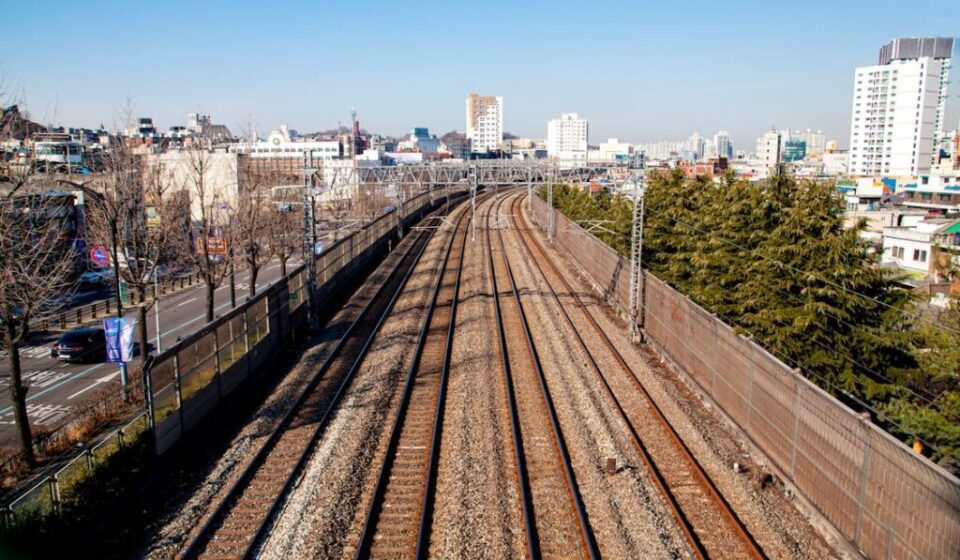
Korail Pass Complete Guide: Routes, Reservations and Fares for Foreign Train Travel in Korea

With a single Korail Pass you can crisscross Korea by train as much as you like. The Korail Pass is an unlimited rail ticket sold only to foreign visitors, valid on a wide range of trains from KTX to Mugunghwa, which lets you cover several cities efficiently in a short trip. This guide walks through how to buy the Korail Pass, how to exchange it after arrival, how to plan routes, KTX seat reservation tips, and a sample 5-day nationwide tour itinerary — everything you need for foreign train travel in Korea.
What is the Korail Pass? Unlimited Train Pass for Foreigners
The Korail Pass is a rail pass sold only to non-Korean tourists and overseas Koreans, allowing free unlimited rides on KTX, ITX, Saemaul and Mugunghwa trains operated by Korail for a set period. The main options break down as follows.
| Type | Days | Format | Best for |
|---|---|---|---|
| Korail Pass 2-day | 2 days | Consecutive | Short Seoul + Busan or Seoul + Gyeongju trip |
| Korail Pass 3-day | 3 days | Consecutive | 3-city loop like Seoul-Busan-Daegu |
| Korail Pass 4-day | 2 or 4 days | Consecutive / Flexible (2 of 5 / 4 of 10) | Use only travel days within a 1-week plan |
| Korail Pass 5-day | 5 days | Consecutive | Full nationwide tour |
If you buy a 3-day pass, you can hop on any eligible train at any time during those three activated days and visit several Korean cities quickly without paying extra fares. Note that popular KTX and SRT routes essentially require advance seat reservations. For the overall flow of train travel in Korea, also see the Korea Train Travel Guide.
Buying the Korail Pass and Exchanging After Arrival in Korea
The Korail Pass is typically purchased as an e-voucher from overseas travel agencies or the official Korail website letskorail.com, then exchanged for a physical pass after arrival at designated counters such as Incheon Airport Station, Seoul Station or Busan Station. At the exchange counter you must present your passport to prove foreign status, so carrying the passport is mandatory. Once exchanged, the Korail Pass activates from the date you choose and you can ride trains freely within the validity period. Fares depend on the number of days, consecutive vs. flexible options, and the adult / youth (13-25) / group tier, so it is safest to confirm the official fare table on letskorail.com before you fly.
Planning Efficient Routes With the Korail Pass
To get the most out of a Korail Pass, the smartest move is to tie several cities into one “circle trip” loop. With a 3-day pass you can start from Seoul, hit Daejeon → Busan → Daegu → Gwangju → Jeonju, and return to Seoul on the last day. If you sightsee during the day and move to the next city in the evening, you save both lodging cost and travel time. Allow at least half a day to one full day per city for meaningful sightseeing, so avoid overpacking the itinerary. Mid-sized cities like Gyeongju, Jeonju, Gangneung and Yeosu also have train stations close to downtown, so they are easy to reach with the Korail Pass.
KTX vs Regular Trains: Korail Pass Use Compared
Trains you can ride with the Korail Pass include KTX (high-speed rail), ITX, Saemaul and Mugunghwa. Their characteristics compare at a glance as follows.
| Train | Top speed | Stop density | Korail Pass usage point |
|---|---|---|---|
| KTX | ~300 km/h | Sparse (major cities only) | Long-distance city hops, seat reservation required |
| ITX-Saemaul | ~150 km/h | Medium | Central region, scenic lines like Gangneung |
| Mugunghwa | ~120 km/h | Dense | Smaller cities, scenic tourist train links |

If KTX will be your main ride, you can move between several cities in a single day, though sightseeing time gets tight. Mugunghwa is slower but great for soaking in the view through the window, perfect for the slow-travel feel that the Korail Pass train experience is known for. If you also plan to handle city-level transport, the Korea Travel Transit Card Guide makes transfers far smoother.
Tourist Trains and Events You Can Ride With the Korail Pass
Korail also operates themed tourist trains beyond the regular fleet. Korail Pass eligibility varies by line, so always confirm on the official reservation page before departure.
- Jeongseon Arirang Train (A-train): Mountain views of Jeongseon, Gangwon + on-board traditional shows and experiences
- S-train (Southern Coast Tourist Train): South coast loop linking Busan-Yeosu-Gwangju
- DMZ-train: Departs Seoul Station for Dorasan Station, a tour of the divided border
- V-train (Central Inland Circular Train): Slowly cruises the inland canyons of central Korea
Some lines such as the Jeongseon Arirang Train charge a separate fare or only apply a discount to Korail Pass holders, so it is safest to compare Korail Pass prices using the official letskorail.com fare table beforehand.
Lodging and Station-Area Strategy
For convenient train travel, the most efficient move is to pick lodging close to the train station in each city. Stations are usually surrounded by hotels, guesthouses and motels, with plenty of restaurants and convenience stores nearby, which fits perfectly with frequent inter-city moves using the Korail Pass. Station-side lodging lets you handle laundry or repack luggage quickly, so you can stay flexible if your itinerary shifts. Keep in mind that in some cities the downtown core sits far from the train station, so be ready to transfer by taxi or local bus when needed.
Korail Pass 5-Day Nationwide Tour: Sample Itinerary
| Day | Route and sightseeing |
|---|---|
| Day 1 | Arrive Incheon Airport → exchange Korail Pass at Seoul Station → KTX to Busan (about 2h 30m) → evening Busan downtown |
| Day 2 | Busan morning market → KTX to Daegu (about 50m) → Modern Alley walk → KTX to Gwangju → overnight in Gwangju |
| Day 3 | Gwangju art museums and food tour → Mugunghwa train to Yeosu → Yeosu night sea + seafood dinner → overnight in Yeosu |
| Day 4 | Suncheon Bay Wetlands → KTX to Jeonju → overnight in Hanok Village |
| Day 5 | Jeonju Hanok Village tour, then KTX back to Seoul Station |
Thanks to the Korail Pass 5-day plan, inter-city transport cost drops sharply and travel time is minimized. Segments KTX does not reach directly, such as Busan-Yeosu or Gwangju-Yeosu, fill in with Mugunghwa so you also catch the scenery — that is the real charm of a Korail Pass nationwide tour.
Korail Pass Usage Tips: Seat Reservation and Buffer Time
When taking KTX with a Korail Pass, seat reservation is practically required. Weekend and holiday seats sell out quickly, so it is safest to lock dates in via letskorail.com or station counters as soon as your daily plan is set. You must arrive at the station and pass the gate by at least 10 minutes before departure. It also pays to give yourself a generous buffer between cities. City traffic or a longer-than-expected meal can easily delay you, so a 10–20 minute cushion keeps the walk to the platform stress-free.
Korail Pass FAQ
Can I ride SRT with the Korail Pass?
No. SRT is operated by SR, a company separate from Korail, so it is not covered by the Korail Pass. SRT services from Suseo, Dongtan and Jije stations must be purchased separately.
How many seat reservations can I make with the Korail Pass?
Based on letskorail.com, you can pre-reserve up to 2 reserved seats per day. Beyond that you must use standing or free-seat sections, so it is wise to spread KTX seat reservations across your trip when planning the Korail Pass itinerary.
Can the Korail Pass be reissued if lost?
Reissue of a lost physical pass is generally not allowed, so keep the Korail Pass in a separate case together with your passport. Backing up the e-voucher PDF to the cloud at least prevents trouble at the exchange step.
Free Train Travel in Korea, Powered by the Korail Pass
The Korail Pass is an attractive product designed to let foreigners freely tap into the Korean rail network. Its biggest strength is letting you connect cities fast with KTX while savoring window views on slower regional trains, adjusting the route as much as you like. If you are planning varied train travel in Korea, put the Korail Pass at the center of your itinerary and design the route from there.
K-Name Studio: Create your perfect Korean name based on your personality and style.
What’s My K-Beauty Personal Color?
WeBring Service : Provides personalized services to foreigners living in Korea
Exclusive offer: Introducing foreign car rental in Korea, WeBring-SoCar
- The Complete Guide to Train Travel in Korea – From KTX to Mugunghwa Lake
- For Foreigner KTX, Buses, and Flights – The Complete Guide to Travelling Between Cities in Korea
- Korea Transportation Guide: Subway, Bus, Taxi & KTX for Foreigners
- Navigating Korea Subway: A Comprehensive Guide for International Students
- Korea City Tour Bus Guide: Cover Korean Cities on a Short Trip
Last updated: 7 October 2026
Prices, opening hours and transport schedules change with the season and the operator. Check the official channel again before you go.
WeBring operates its own Korea tour and vehicle services. The following is a promotion for that service.
Explore Korea's mountains — guides in your language
Courses, transport and seasonal tips for 30 mountains, from Bukhansan to Hallasan, available in 11 languages. Pick up essential travel Korean and find events for the global community, too.