


Choosing the right worker residence region korea defines the quality of your work life in Korea. Seoul and its metropolitan suburbs offer the largest job pool, while Busan, Daejeon, and other provincial cities trade fewer headquarters for lower rent and a calmer pace. Below we compare seven regions side by side to help you match a city to your salary, commute, and lifestyle.
Worker Residence Region 1: Seoul Pros and Cons
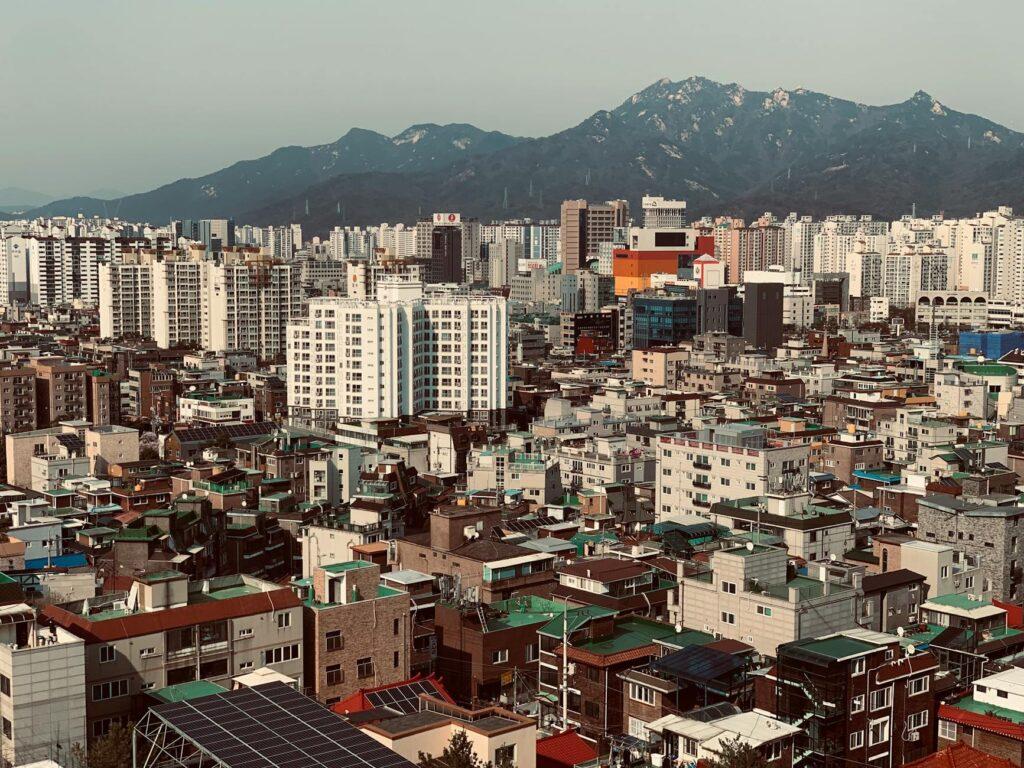
As Korea’s political, economic, and cultural center, Seoul hosts most major conglomerate headquarters and global company branches. The expat community, international schools, and English-friendly hospitals and public services are excellent. For job hopping and career growth, Seoul is the strongest worker residence region korea offers.
The trade-off: one-room and officetel rents are very high and overall living costs are steep. Cultural hotspots such as Insadong and Ikseondong are lively but expensive. Within Seoul itself, rent varies sharply by proximity to Gangnam, Yeouido, and Jongno business districts and by subway line access.
Suburb Worker Residence Region: Gyeonggi and Incheon
Gyeonggi cities such as Seongnam, Yongin, Goyang and Suwon have rail or bus links to Seoul, but a particular new-town apartment can cost more than a Seoul listing. Compare equivalent size, deposit, rent and maintenance costs using current listings and reported transactions. Pangyo is a useful candidate for nearby IT jobs; choose Incheon housing by the actual worksite, because Songdo and airport workplaces on Yeongjong Island have different commutes.
Commuting from a suburb may take more than an hour depending on the two addresses and time of day. Test the route during your real shift hours, including transfers and walking. An airport-related role does not by itself make Songdo the best home location.
Provincial Worker Residence Region: Busan’s Energy
Busan is a major metropolitan city, built on shipping, logistics, and tourism. Compare housing and living costs for the actual neighborhood; and beaches like Haeundae and Gwangalli make it a high-quality-of-life worker residence region. Subway, universities, hospitals, and department stores cover all major urban needs.
The catch is that most headquarters remain in Seoul, so job options are narrower. KTX reaches Seoul in about 2 hours 30 minutes, which adds up in cost and time if you travel to headquarters or clients often.
Daegu, Daejeon, Gwangju: Provincial Metro Worker Residence Region
Daejeon has KAIST and government research institutes; Daegu has textile and auto-parts businesses, and Gwangju has automotive and cultural industries. Match these broad examples to a current job offer. A blanket claim that all three cities are 30–50% cheaper than Seoul is not supported by a specified dataset: compare like-for-like homes and total monthly costs.
The flip side is fewer foreign-affiliated employers and limited English-speaking environments. International schools and expat communities are far less developed than in Seoul. Families relocating with children should pre-check school options carefully.
Small Cities and Countryside: Calm vs Job Limits
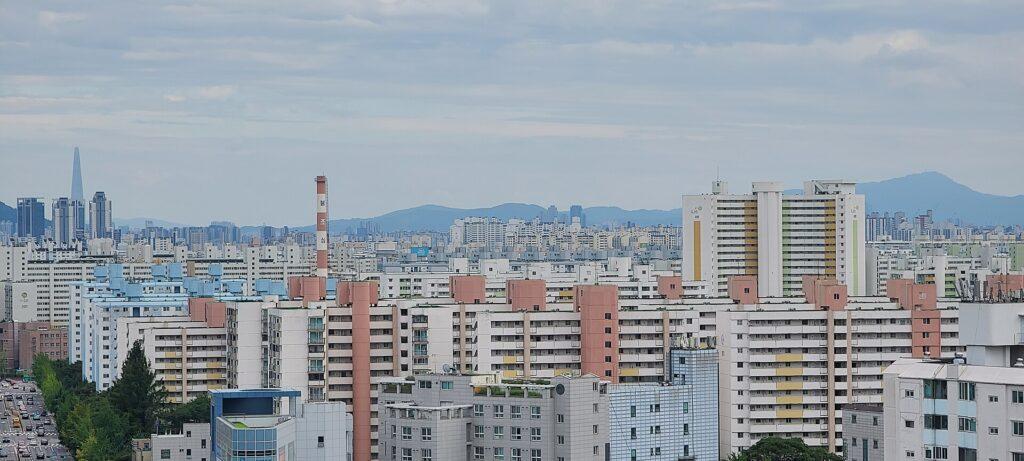
If your employer permits remote work and your immigration status permits the activity, a smaller city may widen your housing choices. Check broadband, transport, healthcare and actual air-quality conditions rather than assuming every rural area has clean air or low costs. Visa permission for freelancing is not automatic.
Worker Residence Region Comparison Table
The table below is a broad planning comparison, not a measured rent ranking; individual neighborhoods and schools vary.
| Region | Lead Industries | Rent Level | Expat Infra | Best Fit |
|---|---|---|---|---|
| Seoul | Conglomerate HQ, finance, IT | Very high | Excellent | Job hopping, foreign firms, intl. school families |
| Suburbs (Gyeonggi, Incheon) | Pangyo IT, Songdo intl. business | High | Strong | Nearby Pangyo or Incheon worksite |
| Busan | Shipping, logistics, tourism | Mid | Moderate | Maritime, tourism, quality of life |
| Daejeon / Daegu / Gwangju | R&D, manufacturing, culture | Mid-low | Limited | Researchers, manufacturing engineers |
| Small cities & countryside | Primary industries, remote | Low | Weak | Freelancers, remote workers |
Worker Residence Region and Commute Check
Measure the commute between your actual home candidate and workplace, including walking, waiting, transfers and the last service after overtime. Set your own acceptable time limit; one hour is a planning preference, not an official universal maximum. Central Seoul does not automatically shorten a trip to a suburban workplace.
Check the Seoul transport portal in advance to map realistic commute zones around your workplace. Confirm whether the company runs a shuttle bus, and check parking conditions if you plan to drive. Tourist-favorite neighborhoods such as Bukchon often carry premium rent, so factor that in.
Budget and Lifestyle Decide the Final Region
High earners can stretch into Gangnam-area Seoul, but tighter budgets get more space in the suburbs or provinces. Foreign-firm employees and parents needing international schooling lean toward Seoul or Incheon Songdo. Those who prioritize quiet and balance often thrive in smaller cities. The real-world contrasts covered in our long-term living in Korea guide can sharpen your choice further.
Worker Residence Region: Final Selection Guide
Rank workplace access, language services, schools, space and total housing costs before choosing a region. KTX does not serve every town, and a two-to-three-hour train ride excludes the trip to and from stations. Check the exact timetable, fare and first/last connection on KORAIL before considering repeated intercity commuting; occasional travel and a daily commute place very different demands on a household.
Pair colleague advice with in-person site visits and you will land on the right city. Weigh finances, lifestyle, and workplace location together, and choose the worker residence region korea that fits your life.
K-Name Studio: Create your perfect Korean name based on your personality and style.
What’s My K-Beauty Personal Color?
WeBring Service : Provides personalized services to foreigners living in Korea
Exclusive offer: Introducing foreign car rental in Korea, WeBring-SoCar
Sources checked (2026-09-08): 1, 2, 3.
- Korea Housing Cost Comparison: Seoul vs Gyeonggi vs Busan for Foreigners
- Seoul Gyeonggi Busan Housing Cost Comparison — Foreigner Region Guide
- Navigating Korea Subway: A Comprehensive Guide for International Students
- IT Jobs in Korea: Opportunities and Insights for Foreign Professionals
Last updated: 21 October 2026
Rules, fees and procedures can change over time. Before an important decision, check the latest guidance from the relevant authority.
WeBring operates its own services for foreign residents in Korea. The following is a promotion for those services.
Living in Korea? You don't have to figure it out alone
Insurance, visas, jobs and hospital interpretation — WeBring supports every step of settling in Korea, in your language.