
Korean Desserts: Exploring Traditional and Fusion Treats
When people think of Korean cuisine, rice, soups, side dishes, and meat-based meals often come to mind. However, traditional Korean desserts also boast a long and rich history. From royal court sweets enjoyed by kings and aristocrats during the Joseon Dynasty to fusion desserts created with modern interpretations, the variety is vast and diverse. Made with glutinous rice, beans, fruits, nuts, and honey, these treats offer a sweet yet healthy taste. Recently, they have been reinvented in stylish café settings, captivating the palates of not only Koreans but also international tourists.
In this article, we’ll explore both the traditional and contemporary sides of Korean desserts, looking into the different types and how to best enjoy them.
1) The World of Traditional Korean Sweets: Hangwa and Tteok
Traditional Korean desserts can largely be categorized into two types: “Hangwa” (traditional sweets) and “Tteok” (rice cakes). These desserts were often served during banquets, ceremonies, or alongside tea in royal courts or noble households. They exhibit artistic finesse, featuring time-honored recipes and premium ingredients.
Hangwa: Gangjeong, Yakgwa, Dasik, and More
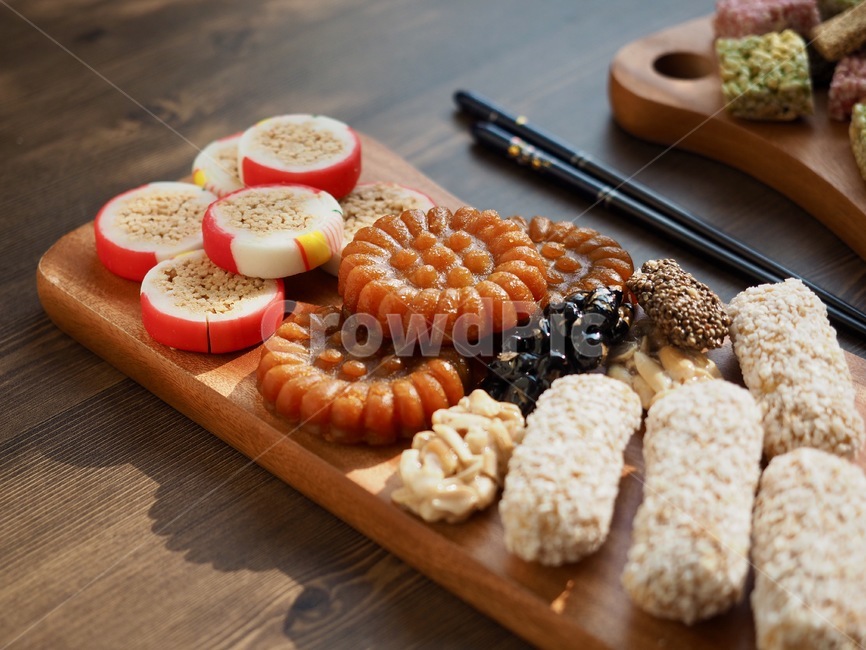
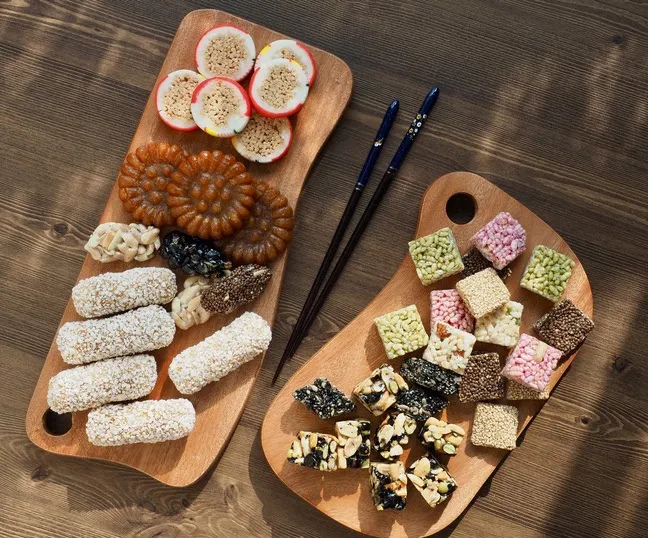
Hangwa is a category of traditional confections made from ingredients like glutinous rice flour, soybean powder, honey, malt syrup, and sesame seeds. Notable examples include Gangjeong, Yakgwa, and Dasik.
- Gangjeong is made by frying glutinous rice dough to create a crispy texture, then coating it with honey or syrup and sprinkling it with sesame seeds, peanuts, or puffed rice for added sweetness.
- Yakgwa is a honey cookie made from wheat flour dough mixed with honey and oil, then deep-fried. It’s known for its melt-in-your-mouth texture and rich, sweet flavor.
- Dasik is a small bite-sized confection made by kneading fine powders such as ground beans or green tea with honey, then pressing the mixture into decorative molds. Beautifully shaped, it pairs excellently with traditional teas.
Tteok: Songpyeon, Injeolmi, Gyeongdan, and Others
Tteok, or Korean rice cakes, are symbolic of celebrations and holidays. From Garaetteok and Injeolmi to Songpyeon and Mujigae-tteok (rainbow rice cake), the varieties are extensive, with textures and flavors that differ depending on ingredients and preparation methods. Made from ground rice or glutinous rice, the dough can range from soft to chewy. Fillings like sweet red bean paste, honey, or roasted soybean flour enhance their savory-sweet flavor.
For instance, Songpyeon is traditionally enjoyed during Chuseok (Korean harvest festival). These half-moon-shaped rice cakes are filled with sesame seeds, beans, or sweetened red beans. Injeolmi, made by pounding glutinous rice and coating it with roasted soybean powder, is known for its soft and sticky consistency.
2) Pairing with Traditional Korean Teas
Korean desserts are often enjoyed alongside traditional teas. Various options—such as jujube tea, citron tea, Ssanghwa-cha, and green tea—complement Hangwa or Tteok perfectly. The natural sweetness of the desserts and the warmth and fragrance of these teas create a harmonious pairing.
For example, desserts with intense sweetness like Yakgwa or Gangjeong go well with clear-flavored teas like green or yellow tea. Tteok, on the other hand, pairs wonderfully with aromatic teas like jujube or citron tea which enhance the flavor of the rice cake. This pairing tradition dates back to the royal court and can still be experienced at specialized tea houses today.
3) Fusion Korean Desserts: A Blend of Tradition and Modernity
Recently, Korean desserts have been reimagined in more modern and sophisticated styles. By combining traditional elements such as Tteok or Hangwa with Western dessert techniques, these new creations bring unique flavors, textures, and visual appeal.
Examples: Hangwa Macarons, Tteok Cakes, and Tea-Based Beverages
- Hangwa Macarons: These unique desserts blend the French macaron with ingredients from Hangwa. Fillings like Injeolmi cream, roasted soybean powder, or black sesame create distinctive flavor profiles and colorful visuals.
- Tteok Cakes: Rather than using conventional sponge cake, these use layered glutinous rice cakes. Frosted with soy milk cream or sweet bean paste instead of whipped cream, they offer a luxurious appearance and healthier alternative that has gained popularity.
- Traditional Tea Lattes: A variety of tea-based lattes and sparkling drinks made with green tea, Pu’er tea, and even Ssanghwa-cha are now featured in many cafés. Often served with side desserts like Tteok or Gangjeong, they make Korean dessert culture more accessible and enjoyable.
4) How to Enjoy Korean Desserts: Tips and Considerations
Traditional Korean desserts often use natural sweeteners like honey, molasses, or rice syrup rather than refined sugar, providing a deep and nuanced sweetness. To fully appreciate this, it’s best to savor them slowly in small bites.
Some rice cakes tend to harden if left out for too long, so for the best texture, consume them fresh or gently warm them up. Pairing with traditional tea aids digestion and balances the sweetness for a more harmonious experience.
5) Where to Enjoy Them: Cafés and Traditional Markets
If you’re looking to experience Korean desserts authentically, visit a traditional tea café or a Hanok-style café. In Seoul’s Insadong, Jeonju Hanok Village, Gyeongju, and other cultural heritage areas, cafés often serve curated dessert sets or feature unique fusion offerings.
Traditional markets are also a treasure trove of quality Tteok and Hangwa. Handmade by local vendors with care and fresh ingredients, these desserts make great souvenirs or treats to enjoy during your travels.
Conclusion: A New Discovery in Korean Dessert Culture
Korean desserts are not just a sweet bite after a meal—they’re rooted in centuries-old traditions from royal ceremonies to everyday customs, now evolving with creative modern twists. A single piece of Tteok or Hangwa encapsulates Korean culinary wisdom, unique ingredients, and heartfelt warmth.
As Korean desserts gain global attention, even those familiar only with cupcakes or macarons are showing interest in treats like Injeolmi, Yakgwa, and Dasik. With ongoing innovation and fusion, the scope of Korean desserts continues to expand.
If you’re traveling in Korea, don’t miss the chance to try traditional sweets and fusion-style desserts. Pairing them with a cup of warm tea offers not only delicious flavors but also a cozy glimpse into Korean culture that’s both elegant and comforting.


K-Name Studio: Create your perfect Korean name based on your personality and style.
What’s My K-Beauty Personal Color?
WeBring Service : Provides personalized services to foreigners living in Korea
Exclusive offer: Introducing foreign car rental in Korea, WeBring-SoCar
Explore Korea's mountains — guides in your language
Courses, transport and seasonal tips for 30 mountains, from Bukhansan to Hallasan, available in 11 languages. Pick up essential travel Korean and find events for the global community, too.


