
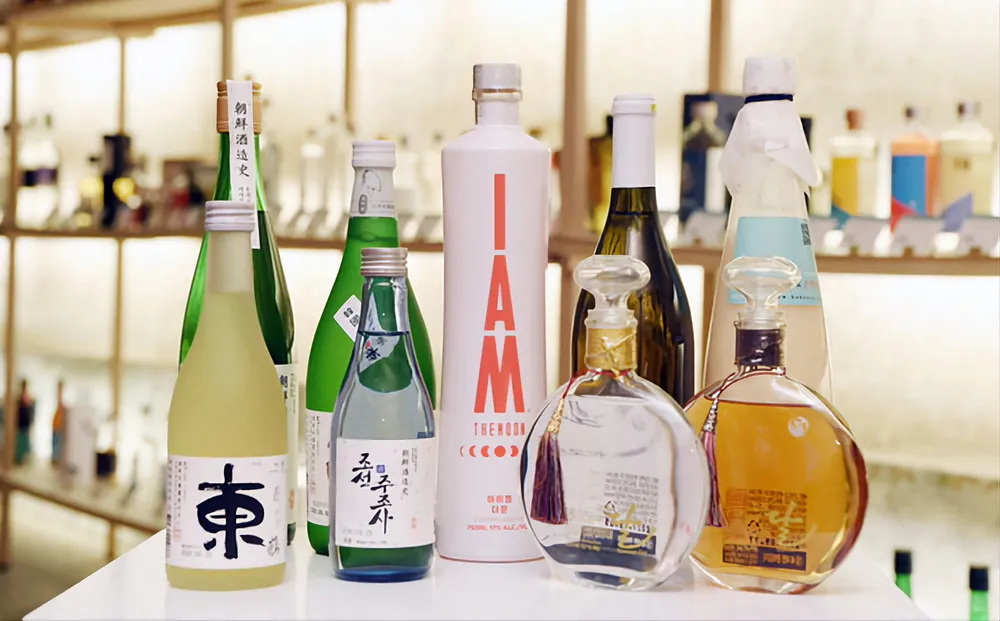

Introduction: The Emotions Poured into a Glass of Korean Alcohol
Korea’s drinking culture has developed over centuries, balancing tradition, unique etiquette, and a strong sense of community. Soju and makgeolli are more than just alcoholic beverages—they are a means to strengthen bonds with family, friends, and coworkers, to relieve stress, and to uphold cultural heritage. In this blog post, we explore how to enjoy Korea’s leading alcoholic drinks—soju, makgeolli, and a variety of traditional liquors—while diving into the rich cultural context that promotes mindful and respectful drinking experiences.
Family and Kinship Gatherings
Alcohol has always played a vital role in Korean traditional rituals such as holidays and ancestral rites. Families would honor their ancestors and bond over home-brewed takju (makgeolli) or fruit wine prepared by elder family members. Though it’s now rarer to brew alcohol at home, the custom of placing traditional liquors on the ceremonial table during special occasions continues to this day.
Workplace and Company Gatherings
In modern Korea, drinking culture is closely tied to workplace dinners, or hoesik. Sharing soju or beer during these events promotes communication between superiors and juniors and helps ease work-related stress. Recently, however, new trends such as alcohol-free gatherings and lunchtime meetings are on the rise, representing a more diverse and health-conscious shift in corporate social culture.
2) Soju: Korea’s Most Beloved Popular Spirit
Origins and Evolution of Soju
Soju traces its roots back to the Goryeo Dynasty, when distillation techniques were first introduced to Korea. Today’s diluted soju, recognizable by its characteristic green bottle, became widely popular in the 1960s to 70s. Thanks to its affordability and accessibility, it has become Korea’s national drink. In recent years, lower-alcohol options (14-17%) and fruit-flavored soju varieties have expanded the flavor profile for modern drinkers.
How to Drink Soju and Etiquette
In Korea, when a senior offers you a drink, it is customary to receive the glass with your right hand while supporting it with your left to show respect. Though the “one-shot” tradition still persists, more people today prefer to enjoy their drinks slowly, based on personal limits. Soju pairs wonderfully with salty dishes and spicy soups like maeuntang or sashimi, enhancing its mild yet distinct character.
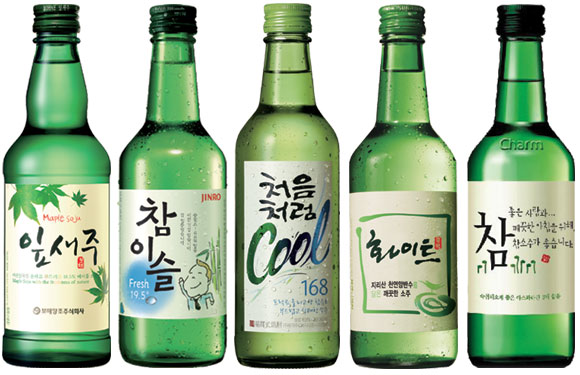
3) Makgeolli: From Farmers’ Fuel to Urban Trend
The Charm of Makgeolli
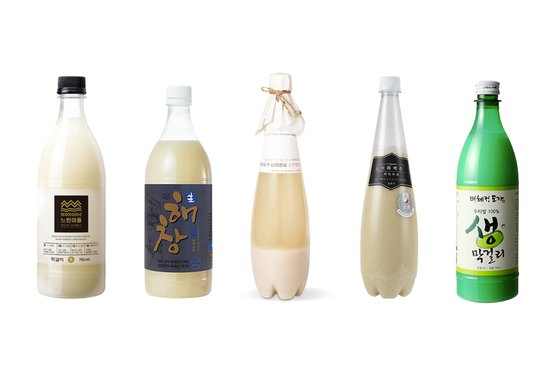
Makgeolli is a traditional Korean takju made by fermenting grains, typically with an alcohol content of 6–8%. It’s known for its rich texture, delicate sweetness, and refreshing taste, often accompanied by a creamy foam. Historically, farmers replenished their energy with makgeolli after laboring in the fields, earning it the nickname “farmer’s wine.”
Makgeolli Bars and Modern Trends
Nowadays, makgeolli bars and cafes are gaining popularity in urban areas, attracting younger generations. Some places serve artisanal makgeolli with fresh twists, offering cocktails and fruit-infused variations. While savory pancakes like pajeon, buchujeon, and haemuljeon remain classic accompaniments, makgeolli also pairs surprisingly well with chicken or cheese, sparking new fusion dish trends.
4) Traditional Liquors: Regional Flavors and Unique Histories
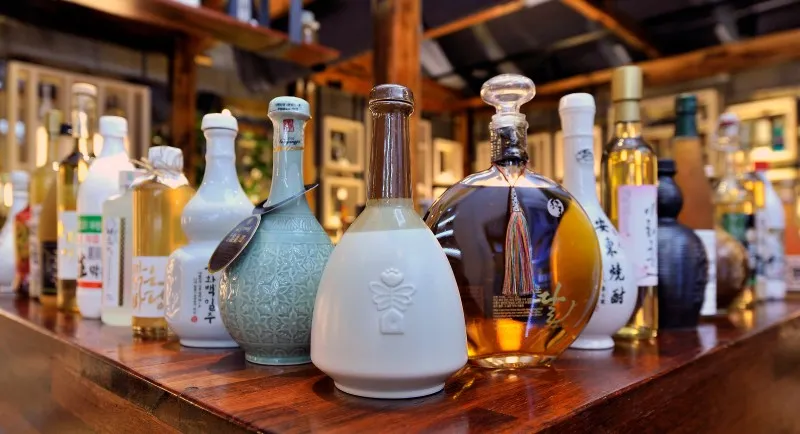
Diverse Traditional Drinks: Hanyangju, Ihwaju, Chrysanthemum Wine, and More
While soju and makgeolli are widely familiar, Korea is home to an even richer variety of traditional liquors crafted regionally. For instance, Seoul’s court drink Ihwaju, Hanyangju from Yangju in Gyeonggi Province, Chungcheong’s Cheongmyeongju, Jeolla’s Hongju, and Gyeongsang’s Gamhongro all exhibit different tastes shaped by local climates, ingredients, and brewing methods. Traditional liquor connoisseurs often enjoy exploring these regional varieties through tastings.
Tasting Events and Brewery Experiences
To promote traditional liquors, tasting events, and brewery tours are becoming increasingly popular. Watching the brewing process firsthand or crafting your own bottle of makgeolli or cheongju helps deepen one’s understanding of Korean alcohol culture. Traditional liquor festivals during holidays and local events also provide excellent opportunities to sample various drinks—even for beginners.
5) The Fusion of Traditional Liquor and Modern Cuisine
Experiments at Fusion Korean Restaurants
Upscale Korean and fusion restaurants are increasingly presenting makgeolli and cheongju in wine-style pairings with course meals. For instance, makgeolli might accompany a seafood course, while cheongju (yakju) could be paired with beef dishes to create a harmonious balance. Such innovations are well-received by foreign tourists, indicating that traditional liquor is not just an “old-fashioned drink” but an integral part of modern Korean gastronomy.
6) Drinking Etiquette and Responsible Alcohol Culture
Moderation and Consideration
The once-popular “one-shot” or “bomb shot” culture has sometimes led to excessive drinking or health issues. Today, there’s a growing respect for individual tolerance and health, with less pressure to drink beyond one’s limits. Alcohol-free options like non-alcoholic beer or mocktails are increasingly embraced, making social outings more inclusive and comfortable for everyone.
Evolving Etiquette
Traditionally, juniors would turn away when drinking in front of elders or cover their mouths out of respect. However, younger generations are loosening these rules outside formal or educational settings. What’s essential is maintaining respect for others, knowing your limits, and making the drinking experience enjoyable for everyone involved.
7) Home Drinking (Homesul) Culture and Snack Pairings
The Homesul Trend
As modern life becomes more hectic, many people now prefer drinking in the comfort of their own homes—known as “homesul.” A wide variety of soju, makgeolli, traditional liquors, and craft beers are readily available at convenience stores or supermarkets, allowing for personalized selection. Light snacks or delivered food make for easy-going private parties or relaxation time.
Recommended Food Pairings
- Makgeolli: Pajeon (green onion pancake), potato pancakes, kimchi pancakes, salad
- Soju: Grilled pork belly, spicy chicken feet, fish cake soup, tofu kimchi
- Cheongju/Yakju: Bulgogi, braised fish, soy sauce-marinated crab and other subtly seasoned Korean dishes
- Fruit Liqueur: Cheese platter, assorted nuts, salad, and other light Western dishes
8) Tips for Drinking with Foreign Guests
Say “Cheers!” Instead of “Jjan!”
When drinking with foreign friends or colleagues, minimizing cultural awkwardness makes for a smoother experience. Koreans often say “One shot!” or “Geonbae!” when making toasts, but if such expressions make your guest uncomfortable, feel free to just say “Cheers!” Respecting one another’s drinking capacities and preferences leads to a universally enjoyable time.
Briefly Explain Traditional Liquors
Introduce guests to makgeolli, soju, or other traditional drinks with a simple explanation about their ingredients, fermentation process, alcohol content, and ideal food pairings. For example, makgeolli might be called “rice wine,” but its fermentation differs significantly from grape wine—pointing this out often piques interest. Sharing impressions on taste creates a natural segue into deeper cultural discussions.
9) Special Drinks for Special Moments: Gifting Traditional Liquors
Limited Editions and Beautiful Bottles
Gifting traditional liquors has become increasingly common for special occasions. Premium yakju or meticulously designed artisanal makgeolli in elegant bottles make for wonderful gifts or celebratory highlights. They can also be memorable souvenirs for foreign friends interested in Korean culture, offering a firsthand experience of Korea’s distinctive flavors and aromas.
10) After-Drinking Care: Hangover Remedies and Wellness Tips
The Korean Hangover Soup Culture
Korea has a deep-rooted culture of hangover remedies through comforting meals. Popular hangover soups include bean sprout soup with rice, dried pollack soup, blood sausage soup, and pork bone stew. In fact, enjoying such a dish and then heading home has become a common routine. Staying hydrated and allowing time for rest is also crucial for recovery.
Responsible Drinking and Self-Care
No matter how good the drink, overindulgence can ruin the next day and harm long-term health. Because alcohol tolerance differs greatly from person to person, it’s vital to know and respect your own limits. To reduce hangovers, drink water or soda throughout the night, eat food along with your drinks, and pace yourself.
11) Conclusion: Exploring the Diversity and Evolution of Korean Drinking Culture
Korean alcohol culture, centered around soju and makgeolli, is rich with history and tradition. Whether at family gatherings, company dinners, or friends’ parties, drinking plays a role in forming social connections, etiquette, and emotional ties. Yet today, the culture is shifting toward healthier, more inclusive, and open-minded ways of drinking.
While the past often emphasized bomb shots and “one-shots,” people now enjoy a broader range of traditional liquors and fusion dishes, in an environment that values mutual respect over peer pressure. If you get the chance, try visiting a brewery or joining a makgeolli-making workshop to discover the unique depth of Korean spirits. Through mindful and enjoyable drinking, every gathering can become a cherished memory.
K-Name Studio: Create your perfect Korean name based on your personality and style.
What’s My K-Beauty Personal Color?
WeBring Service : Provides personalized services to foreigners living in Korea
Exclusive offer: Introducing foreign car rental in Korea, WeBring-SoCar
- Makgeolli Soju Beginner Guide – Korean Drinking Culture Decoded
- Jeonju Bibimbap Makgeolli Food Tour Guide: Alleys, Old Shops, 1N2D Course
- Korean Cooking Class Guide: Kimchi, Bibimbap, Bulgogi Workshops in Seoul, Busan, Jeonju
- University campus food guide: 10 BEST Korea dining courses
Last updated: 23 September 2026
Rules, fees and procedures can change over time. Before an important decision, check the latest guidance from the relevant authority.
WeBring operates its own services for foreign residents in Korea. The following is a promotion for those services.
Living in Korea? You don't have to figure it out alone
Insurance, visas, jobs and hospital interpretation — WeBring supports every step of settling in Korea, in your language.