
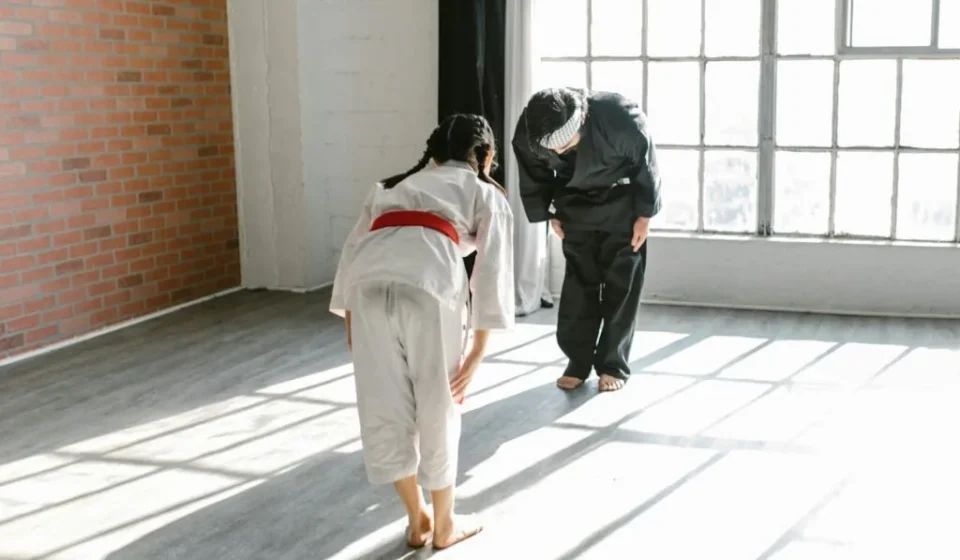

Korean traditional etiquette — especially bowing (jeol) and greeting customs — is a centuries-old culture of respect and consideration. Whether you are a tourist or a long-term resident, knowing the basics will leave a much warmer impression in your encounters with Koreans. This guide covers everything from distinguishing keunjeol and pyeongjeol to holiday sebae and workplace greetings in one place.
Korean Traditional Etiquette: Origins and Meaning of the Bow
Bowing expresses respect, gratitude and greeting. Korean bowing customs predate Joseon and have varied across religious and family traditions; Confucian ritual manuals helped systematize ceremonial forms. Today the form depends on the occasion and the host’s custom.
Lowering one’s head shows respect for the other person, while bending at the waist and clasping the hands together is a physical expression of humility and esteem. Mastering the proper bowing posture will leave a much more courteous impression in your encounters with Koreans. If you want to experience Korean traditional culture firsthand, the cultural experience programs offered by the Korea Tourism Organization are a great reference.
The Heart of Korean Traditional Etiquette — Keunjeol and Pyeongjeol
Seated ceremonial bows include keunjeol, pyeongjeol and abbreviated forms. A standing waist bow is a separate everyday greeting. The following is a simplified comparison; follow the host or an etiquette instructor at a ceremony.
| Type | Occasion | Male Posture | Female Posture |
|---|---|---|---|
| Keunjeol (Deep Bow) | Holidays, ancestral rites, weddings; to parents and ancestors | Kneel on both knees and lower head until forehead touches the back of the hands | For a commonly taught female deep bow, raise joined hands above the eyebrows, sit and bow while keeping the hands raised |
| Pyeongjeol (Seated Bow) | Everyday etiquette, when meeting elders | Kneel and bow, with less prolonged formality than a deep ceremonial bow | Sit with the hands supported beside the body and lower the head and upper body |
Keunjeol and pyeongjeol differ in formality and posture; pyeongjeol is not simply a standing bow. For everyday encounters a small standing bow and polite greeting are usually enough. Adapt the movement to your physical ability.
The Highlight of Korean Traditional Etiquette — Bowing to Elders and Holiday Sebae
At Seollal, many families offer sebae (a keunjeol bow) to their elders along with the greeting “Saehae bok mani badeuseyo” (May you receive many blessings in the new year). On Seollal (Lunar New Year) morning, after performing the ancestral rite charye, children and grandchildren offer a deep bow to their elders, wishing them well-being for the year ahead. In return, elders respond with words of wisdom or pocket money, strengthening family bonds.
The one receiving the bow must also maintain a polite attitude. Etiquette is never one-sided; it is grounded in mutual respect. You can also experience this etiquette culture firsthand by wearing hanbok and trying traditional culture at Jeonju Hanok Village.
Korean Traditional Etiquette: Eye Contact and Honorific Speech
Beyond bowing, daily greetings in Korea also have distinctive features. When speaking with elders or higher-ranking people, there is a tendency to slightly lower the gaze rather than stare directly — this is to avoid appearing impolite and to maintain courtesy.
Use polite speech when meeting someone new or in a formal setting; both polite -yo endings and formal -seumnida endings can be appropriate. Choose a title that matches the relationship or ask how the person would like to be addressed. Abeonim is a family-related address, not a general title for every older man.
Korean Traditional Etiquette in Modern Society
Today’s younger generation does not observe traditional etiquette as strictly as before, but at specific events such as weddings, funerals, and holidays, these customs still play an important role.
Etiquette is also alive in corporate culture and daily life. Typical examples include slightly bowing when meeting a supervisor and using both hands when handing over objects. At meals, younger people wait for elders to pick up their spoon first before starting — a natural extension of respect for seniors. These small gestures are exactly why Koreans are remembered for “kindness and consideration.”

The Warm Difference Korean Traditional Etiquette Creates
The spirit behind bowing and greeting etiquette retains its value even as times change. A simple bow and a respectful tone of voice can bring warmth and dignity between people. When you greet someone politely in Korea, remember that you are carrying on a tradition of several centuries.
Image credits
- Outdoor hanbok ceremony photo: Junseop Yoon / Pexels (Pexels License)
K-Name Studio: Create your perfect Korean name based on your personality and style.
What’s My K-Beauty Personal Color?
WeBring Service : Provides personalized services to foreigners living in Korea
Exclusive offer: Introducing foreign car rental in Korea, WeBring-SoCar
Sources checked (2026-09-08): 1, 2, 3.
Last updated: 16 September 2026
Prices, opening hours and transport schedules change with the season and the operator. Check the official channel again before you go.
WeBring operates its own Korea tour and vehicle services. The following is a promotion for that service.
Explore Korea's mountains — guides in your language
Courses, transport and seasonal tips for 30 mountains, from Bukhansan to Hallasan, available in 11 languages. Pick up essential travel Korean and find events for the global community, too.