
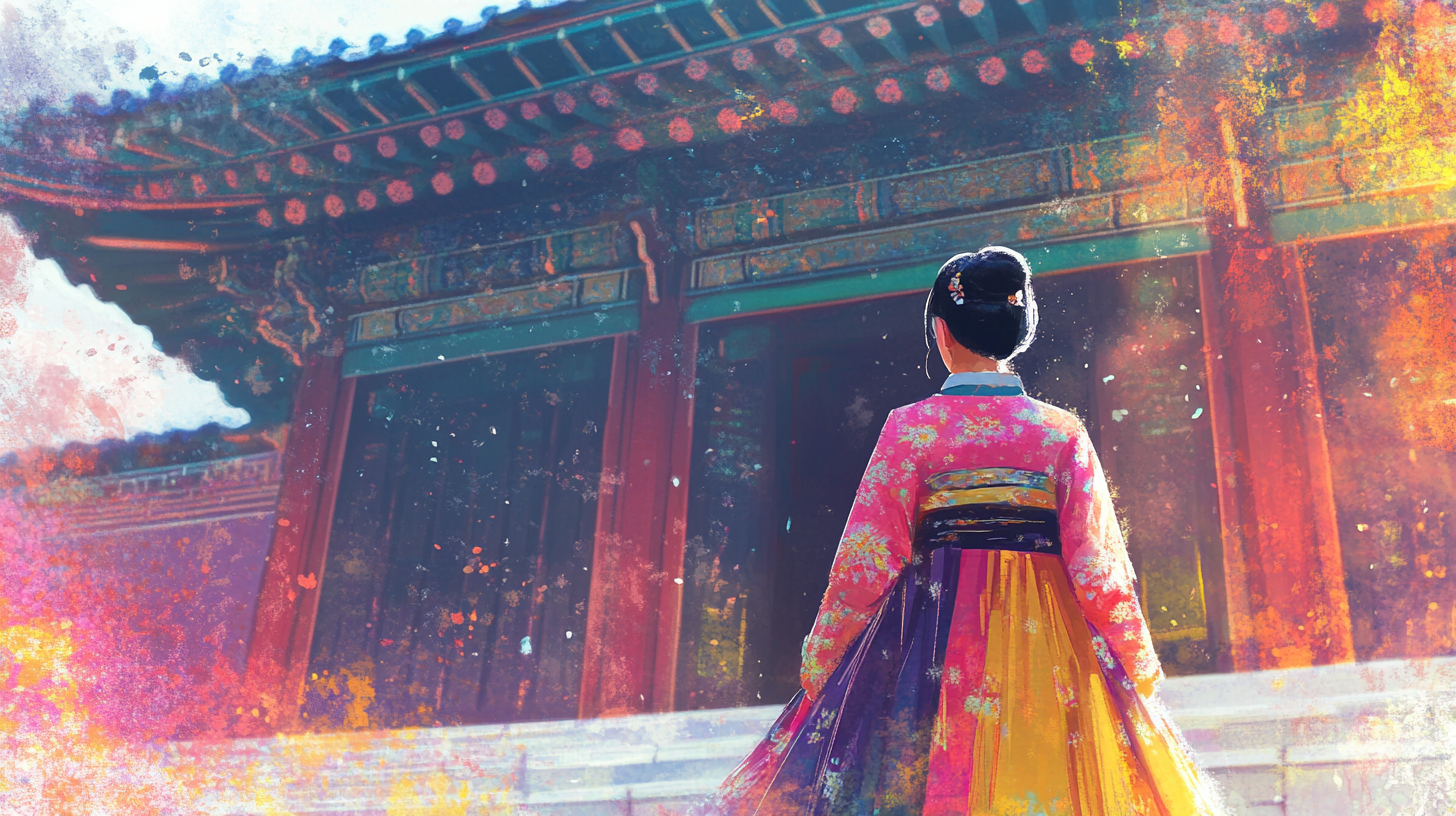

1) The Beauty and Cultural Significance of Hanbok
Many foreign visitors to Korea are interested in Hanbok experiences, the nation’s traditional attire that symbolizes Korean heritage. Hanbok is known for its elegant lines and flowing curves, typically consisting of a jeogori (jacket) and chima (skirt for women) or baji (pants for men). It has evolved through a long history, reflecting changes in society and fashion. While Hanbok is mainly worn today during weddings, holidays, and special occasions, its everyday use is slowly regaining popularity. The colors, patterns, sleeve lengths, and skirt widths all carry traditional symbolism and aesthetics, expressing Korean identity and notions of beauty.
To Koreans, Hanbok is a source of cultural pride passed down through generations. It represents etiquette, dignity, and heritage. During Korean holidays, it is common for families to wear Hanbok to perform ancestral rites and make formal New Year’s greetings. Brides often wear wedding Hanbok for ceremonies or receptions. For foreigners, trying on Hanbok is a unique way to immerse themselves in Korean tradition, and it creates memorable and stunning photographs.
2) Where to Experience Hanbok
If you want to try wearing Hanbok, start by visiting cultural landmarks or tourist attractions. In areas like Gyeongbokgung Palace, Changdeokgung Palace, and Bukchon Hanok Village in Seoul, you’ll find numerous Hanbok rental shops. It’s common to see visitors walking around these historic sites dressed in vibrant Hanbok that blends traditional elegance with modern style. Taking photos in Hanbok with these architectural backdrops results in exotic pictures that gain attention on social media. Recently, “modernized Hanbok” — which combines traditional aesthetics with comfort — has become increasingly popular.
Outside Seoul, many regional cultural tourist spots also offer Hanbok experience programs. For example, Jeonju Hanok Village is famous for its Hanbok experiences, with many rental stores lining the traditional streets. Visitors can enjoy the scenery in Hanbok and participate in packaged programs that include tea ceremonies, traditional food-making, and performances.
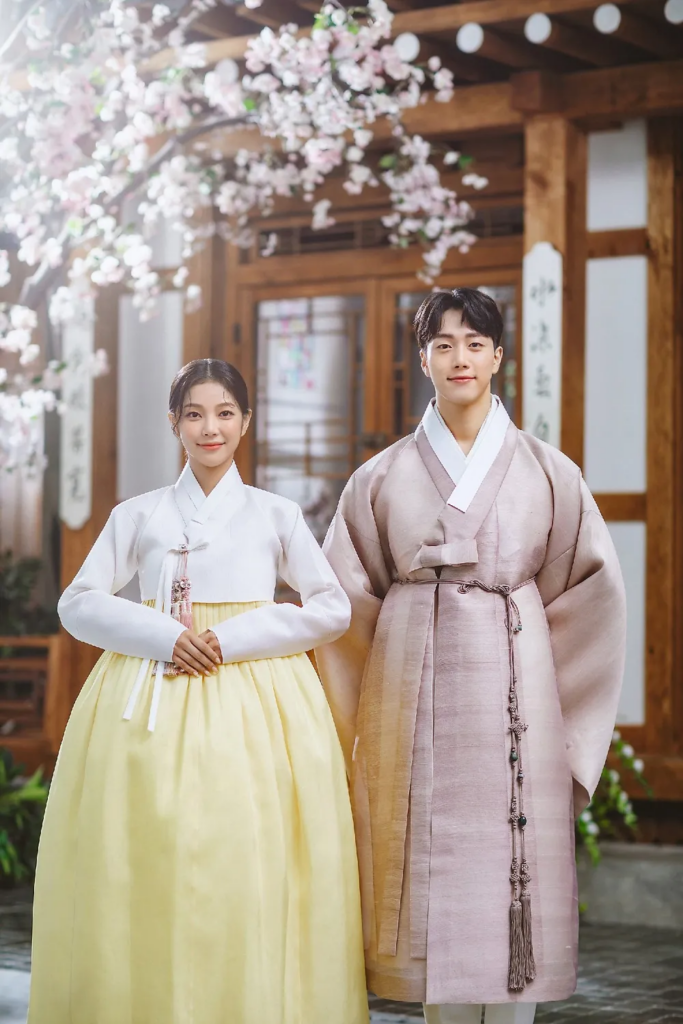
3) Traditional Hanbok for Holidays
Korea’s major holidays are Seollal (Lunar New Year) and Chuseok (Korean Thanksgiving). During these times, families gather to pay respects to ancestors or visit graves, exchanging formal bows and greetings. Traditionally, Hanbok is worn during holidays — while not mandatory today, many still uphold this custom. Modern Hanbok comes in a variety of materials, colors, and designs, making them lighter and easier to wear, even for children.
Wearing traditional Hanbok bridges generational gaps within families. Seeing grandparents and parents dressed in Hanbok enhances the holiday spirit, and children get a firsthand feel for familial traditions. People often accessorize with traditional items like jokduri (bridal crown) or binyeo (hairpins), and men might wear gat or jeollip (traditional hats), further enriching the atmosphere. Holiday Hanbok fosters a warm, respectful, and festive family environment.
4) How to Rent Hanbok and Expected Costs
Nowadays, many people prefer renting Hanbok instead of purchasing it, due to high costs and limited usage. Hanbok rental shops allow customers to choose outfits that suit their body type and preferences, usually renting for time periods such as 2 hours, 24 hours, or a full day. Accessories, shoes, and hairpieces are often provided as part of the rental package. Depending on the location and type of Hanbok, prices generally range from KRW 15,000 to 30,000 for a 2-hour rental.
Rental stores near tourist spots often offer English guides and carry a wide range of sizes and designs for foreign visitors. You may need to leave identification or a deposit. Be careful not to damage or heavily stain the garments, as additional cleaning or repair fees may apply. Hanbok can be bulky to wear, but staff members will assist with fitting and provide instructions, ensuring a smooth experience.
5) Trendy “Modernized Hanbok” and Practical Fashion
To counter the perception that traditional Hanbok is beautiful but impractical, designers have created “modernized Hanbok.” These styles retain the classic lines and colors but incorporate functional elements like buttons or zippers, making them more convenient for daily wear. Skirts may be shorter, and jeogori redesigned like blouses. This modern interpretation appeals to younger generations looking for accessible traditional wear.
Modern Hanbok brands strive to blend tradition with everyday fashion—some offer Hanbok tops that pair well with jeans or outerwear resembling the traditional dopo (overcoat). Increasingly, people wear modern Hanbok for special occasions outside traditional holidays, such as photo shoots. Numerous online shops offer a wide selection of designs, making it easier for both international customers and those in rural areas to access Hanbok collections.
6) Traditional Etiquette and Wearing Hanbok
Wearing Hanbok encourages not just a change in clothing, but a deeper engagement with traditional Korean etiquette and posture. Korean gestures such as bowing or greeting respectfully are closely tied to the structure of Hanbok. For example, women in Hanbok bow by placing their hands together and lowering their upper body while kneeling. Men overlap their hands with the right hand on top and raise them toward the forehead. Adhering to these customs enhances the dignity and beauty that Hanbok embodies.
Because of Hanbok’s loose and flowing design, it’s important to be cautious when climbing stairs or moving around — gently lifting the skirt or adjusting pant legs adds a graceful touch. While dining, one should take care not to spill food on the fabric; when eating at Western-style restaurants, it is wise to tuck in long sleeves or ensure they don’t touch food. These small gestures add to the elegance of the experience.
7) Hanbok Experiences Recommended for Foreign Visitors
If you’re a foreigner visiting Korea, trying on Hanbok is a must-do cultural experience. Dressing in Hanbok and taking photos at palaces or Hanok villages creates an unforgettable memory and offers a hands-on way to engage with Korean culture. It’s especially fun to match with friends in “couple Hanbok” or coordinate family outfits in matching colors. These photos make for perfect souvenirs and shareable content on social media or blogs.
If you visit Korea during a major holiday, you might even join a traditional family gathering where Hanbok is worn for ancestral rites and formal greetings. As these are personal family events, you may need an invitation or join through a homestay program. In such cases, learning how to wear Hanbok and some basic etiquette beforehand will help you connect more naturally and meaningfully with your host family.
8) The Future of Hanbok and Preserving Tradition
Although Western-style formal wear dominates modern society, Hanbok continues to stand out as a symbol of Korean identity and is gaining attention as a fresh cultural trend. Artists and fashion designers bring the elegance of Hanbok to global fashion stages, and Korean celebrities and K-pop idols often wear it in performances and photoshoots to showcase a unique cultural style. This evolution highlights Hanbok’s dynamic ability to adapt and thrive through changing times.
More than just traditional attire, Hanbok encapsulates Korean history, manners, and aesthetics. Through rental shops and cultural programs, more people are experiencing Hanbok comfortably. Wearing it during holidays or weddings isn’t just about preserving tradition—it’s also about inspiring new creativity. Once you experience the graceful lines and vivid colors, you begin to understand the deeper meaning behind Hanbok and feel the essence of “Korean style.” Trying on Hanbok is more than a dress-up moment — it’s a gateway to genuine respect and emotional connection with Korean culture.
K-Name Studio: Create your perfect Korean name based on your personality and style.
What’s My K-Beauty Personal Color?
WeBring Service : Provides personalized services to foreigners living in Korea
Exclusive offer: Introducing foreign car rental in Korea, WeBring-SoCar
- Hanbok Rental: Experience Korean Palaces in Traditional Attire
- Hanbok Palace Photo Travel: Best 1-2 Day Course in Seoul and Suwon
- Hanbok Photoshoot Rural Village Guide: Stone Walls, Fields, Traditional Korean Photos
- Korean Four Season Fashion: Tips and Trends
Last updated: 22 September 2026
Prices, opening hours and transport schedules change with the season and the operator. Check the official channel again before you go.
WeBring operates its own Korea tour and vehicle services. The following is a promotion for that service.
Explore Korea's mountains — guides in your language
Courses, transport and seasonal tips for 30 mountains, from Bukhansan to Hallasan, available in 11 languages. Pick up essential travel Korean and find events for the global community, too.


