


Introduction: Diverse Food Cultures in Korea
Among foreigners living in Korea, many adhere to specific dietary restrictions due to religious beliefs or personal reasons. Muslims seek Halal food, while those who follow Judaism require Kosher meals. However, it’s often difficult to find detailed information or dedicated restaurants offering such foods in Korea. Fortunately, in recent years, efforts to embrace cultural and religious diversity have been growing, making it increasingly easier to access Halal and Kosher ingredients and dining options. In this article, we’ll explore the basic concepts of Halal and Kosher, and offer practical tips on how to find these foods while living or traveling in Korea.
Understanding Halal and Its Application in Korea
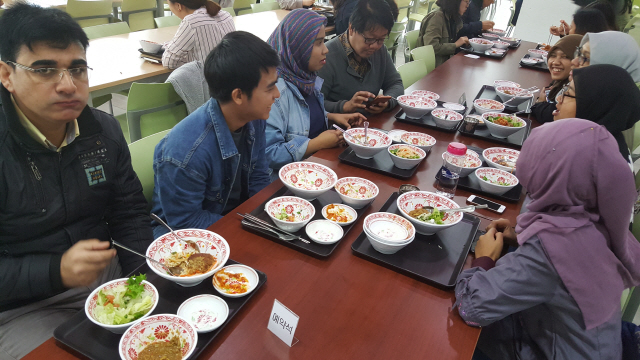
“Halal” is an Arabic term meaning “permissible,” and refers to dietary laws followed by Muslims. The most well-known restrictions include the prohibition of pork and alcohol, with specific slaughtering methods required in accordance with Islamic law. Strictly observant Muslims only consume meats and ingredients that are Halal-certified, which can make ordering from a typical Korean menu quite difficult.
However, with increasing cultural exchange with Islamic countries and a rise in Muslim tourists, Korea has begun expanding its selection of Halal-certified restaurants and imported ingredients. Areas like Itaewon in Seoul are home to several Halal-certified diners. Major supermarkets and online malls have also started offering meat products labeled “Halal Certified.” For example, near Seoul Central Mosque in Itaewon, you’ll find a wide variety of Middle Eastern and Southeast Asian restaurants that offer Halal-friendly meals.
Where to Find Halal Restaurants and Markets: Seoul and Major Cities
Walking through the alleys of Itaewon in Seoul, you’ll come across Middle Eastern restaurants, Indian and Pakistani eateries, Turkish kebab shops, and more. Many of these establishments are Halal-certified or at least avoid pork and alcohol in meal preparation. In other tourist-heavy areas like COEX, Myeongdong, and Gangnam, some hotels and restaurants are starting to offer partial Halal menus to cater to international guests.
Other cities like Busan, Incheon, Daegu, and Jeju are also gradually seeing an increase in Halal food offerings. In neighborhoods with a high concentration of multicultural families, you can find supermarkets that carry Middle Eastern and Southeast Asian ingredients. If local restaurant options are limited, consider joining online communities (such as Muslim expat forums) to exchange regional information or learn about how to order Halal groceries for home cooking.
What is Kosher? An Overview of Jewish Dietary Laws
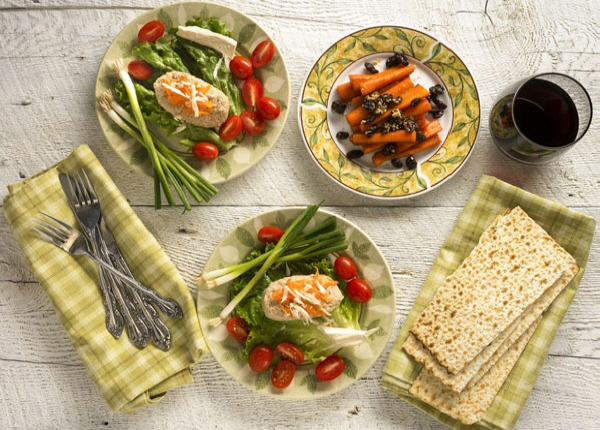
Kosher refers to the set of dietary laws outlined in Jewish law. Only certain animals—like cattle, sheep, and goats with split hooves and that chew the cud—are permissible. Pork and other prohibited animals are strictly forbidden. Additional rules include not mixing dairy and meat in the same meal. These laws are complex, and in many cases, restaurants need direct inspection and certification from a rabbi to be deemed Kosher-compliant. As a result, unless in places with a larger Jewish population (like Israel), it can be quite difficult to find a dedicated Kosher restaurant.
In Korea, the Jewish community is relatively small, making Kosher-specific dining options rare. However, some embassies and international hotels provide Kosher meals during special events. During major Jewish holidays such as Passover or Rosh Hashanah, related events and dining options may be available.
Finding Kosher Dining in Korea: Limited, But Available
In areas such as Itaewon, Hannam-dong, and other foreigner-friendly neighborhoods in Seoul, you may occasionally find snack shops that carry Kosher snacks or small quantities of Kosher-certified products. Some upscale hotels will also arrange Kosher catering during international conferences that host Jewish attendees. To access such offerings, it’s best to connect with members of the Jewish community, embassy staff, or follow updates through social media groups.
Because there are so few fully certified Kosher restaurants in Korea, it’s safer to choose vegetarian or fish-based dishes when dining out. Take extra care to avoid any ingredients considered non-Kosher, such as pork, shrimp, or clams. Be especially mindful of dairy being mixed with meat. Always inquire with staff who speak English or ask the chef directly to ensure compliance with your dietary needs.
Shopping for Halal and Kosher Products: Online and Supermarkets
Through online shopping platforms, you can purchase frozen Halal-certified chicken or beef and canned goods or sauces from globally recognized Kosher brands. Some shoppers prefer international shipping to stock their trusted brands in bulk. However, customs duties and shipping fees may apply, so local sources are often more convenient.
International food sections at large supermarkets or specialty international grocery stores sometimes stock Halal meats or Kosher-certified snacks and beverages. Be aware that due to lower turnover, products may occasionally be out of stock or restocked irregularly. To ensure steady access to desired items, speak with store employees about regular orders or consider organizing a group purchase through a Muslim or Jewish network.
What to Watch For While Traveling in Korea: Restaurants and Tour Packages
If you’re visiting Korea for tourism or business and require Halal or Kosher meals during your trip, it’s essential to inform your tour operator or hotel in advance. Recently, Halal-friendly tour packages have emerged specifically for Muslim travelers. These packages include visits to officially Halal-certified or Muslim-friendly restaurants.
Even if you’re not part of a package tour, you can research independently using internet guides and maps created by Muslim and Jewish communities. Since not all restaurants offer English menus, it’s a good idea to confirm if English-speaking staff are available ahead of your visit, or make use of translation apps for easier communication.
Community Activities Promoting Halal and Kosher Awareness
Although there are only a few synagogues in Korea compared to places like Seoul Central Mosque or Myeongdong Cathedral, small Jewish communities often organize cultural or food-sharing events. Participating in foreign community gatherings or multicultural festivals can offer great opportunities to bond with people who follow Halal or Kosher diets and share helpful information.
For example, during the Islamic holy month of Ramadan, Muslims prepare Iftar (breaking the fast) after sunset and often invite others to join. Experiencing Iftar is not only a cultural exchange but also a valuable chance to learn more about Halal-friendly ingredients and cooking styles.
The Meaning of Halal and Kosher Dining: Embracing Diversity
Restaurants specializing in Halal and Kosher cuisine serve a greater purpose than simply offering convenience to certain religious groups; they reflect a growing respect for diversity in Korean society. As the number of Muslim students, diplomats, and professionals continues to rise, the nation’s culinary landscape is gradually expanding. This trend is likely to accelerate in the coming years.
Thanks to this shift, more opportunities are opening up for Muslims and Jews—previously hesitant to try Korean food due to concerns over alcohol or prohibited ingredients—to enjoy local cuisine. For instance, some restaurants now offer bulgogi prepared in Halal style. These fusion dishes that blend tradition with specific dietary laws represent an exciting new direction in Korean dining culture.
Conclusion: Ongoing Research and Open Communication Are Key
Finding Halal or Kosher-friendly restaurants in Korea has become much easier compared to the past, but accurate information can still be limited and subject to change. To avoid misunderstandings and ensure comfort, regularly check online cafes, forums, and SNS groups for up-to-date guides. Religious centers such as mosques, synagogues, or relevant embassies also provide helpful resources.
As Korea continues to grow into a global cultural hub, embracing various dietary practices is becoming more common. This trend opens more doors for those who adhere to Halal or Kosher diets, while offering Korean residents the chance to explore new and exciting international food cultures. With the continued development of the Halal and Kosher markets, a more inclusive dining environment for people of all beliefs and backgrounds is on the horizon.
Let me know if you want this optimized further for targeted keywords or formatted for a specific publishing platform (e.g., WordPress).
K-Name Studio: Create your perfect Korean name based on your personality and style.
What’s My K-Beauty Personal Color?
WeBring Service : Provides personalized services to foreigners living in Korea
Exclusive offer: Introducing foreign car rental in Korea, WeBring-SoCar
- Korean Vegetarian Food Guide: Temple Cuisine, Vegan Restaurants, and How to Eat Plant-Based in Korea
- Vegan Restaurants Seoul: Complete Guide to Gluten-Free Dining in Korea
- Itaewon Haebangchon Course: World Cuisine and Noksapyeong Overpass Night View Guide
Last updated: 7 October 2026
Rules, fees and procedures can change over time. Before an important decision, check the latest guidance from the relevant authority.
WeBring operates its own services for foreign residents in Korea. The following is a promotion for those services.
Living in Korea? You don't have to figure it out alone
Insurance, visas, jobs and hospital interpretation — WeBring supports every step of settling in Korea, in your language.