


One of the most important things to consider when starting your student life in Korea is, “Where will I live?” While many students opt for studio apartments or dormitories, a uniquely Korean housing option called the “hasukjip” (boarding house) continues to be a steady choice. A hasukjip typically offers both a living space and meals, giving it a “home-like” atmosphere that sets it apart from hotels or guesthouses. In this article, we will explore the cultural background of hasukjip, its pros and cons, real-life experiences, and whether or not meals are provided.
1) What is a Hasukjip?
A hasukjip is usually a private home or multi-room dwelling where the owner (commonly referred to as “hasukjip ajumma” or landlady) rents out rooms and provides meals. In the past, Korean university students often turned to hasukjip accommodations when commuting was not feasible or living alone was burdensome. Although studio apartments and dormitories are now more common, it’s still not unusual to see signs saying “boarding students wanted” in university neighborhoods.
Typically, each room houses one or sometimes two to three students, and common areas such as the kitchen or living room are shared. Most hasukjips follow the “meal-included” model, where the landlord prepares meals—commonly breakfast and dinner. However, there are hasukjip/studio hybrids that do not provide meals, so it’s important to confirm details in advance.
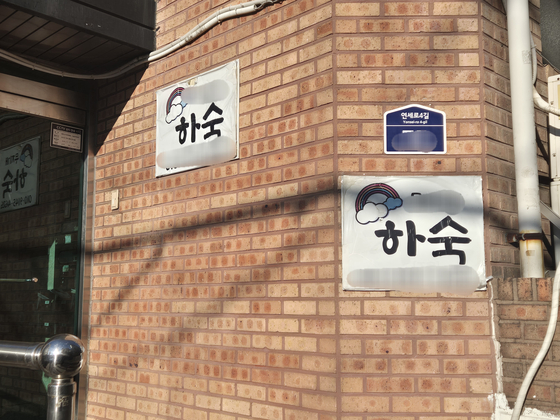
2) Cultural Background of Hasukjip
Korea’s hasukjip culture traditionally emphasizes the idea of “taking care of students from far away and creating a family-like atmosphere.” This is why the term “hasukjip ajumma” feels familiar—these women commonly start hosting after their own children have grown, offering students not only meals but also support in everyday life. From a student’s perspective, this meant daily home-cooked meals and a sense of community that helped alleviate loneliness.
For foreign students, hasukjip provides the perfect opportunity to experience authentic Korean home-style meals and culture. Daily meals become a natural gateway to learning table manners and language expressions, and chatting with the landlady or other boarders can help students adapt more easily to life in Korea.
3) Real-Life Experiences Living in a Hasukjip
One international student shared their initial concern about the possibility of limited privacy. However, once they began living in a hasukjip, they quickly bonded with fellow boarders, exchanging useful information over breakfast. Speaking Korean during mealtimes helped improve their language skills significantly, and watching TV with other residents in the shared living room became an enjoyable way to discuss cultural differences.
Of course, the atmosphere varies by house. Some are strict, with curfews after 11 PM or rules requiring notification if you skip breakfast. Others are more relaxed—especially if run by younger couples or households with diverse family structures, allowing for a more friendly, peer-like environment. It’s crucial to clarify the house rules and atmosphere before signing any agreement.
One of the defining features of hasukjip living is “meal provision.” Typically, breakfast and dinner are included, while lunch is handled independently—usually on campus or outside. Meals are generally served Korean home-style with rice, soup, kimchi, and a variety of side dishes. For foreign students, eating Korean food daily can be exciting at first, but some may find it difficult to adjust. If you have dietary restrictions (e.g., vegetarian, halal, allergies), it’s essential to discuss these in advance.
Occasionally, the landlady may prepare Western dishes like pasta, but more often you’ll see staples like kimchi stew, soybean paste stew, stir-fried kimchi, bulgogi, or grilled fish. If certain meals are to your liking, satisfaction runs high. If not, it’s okay to request modifications, like “less spicy” or report food allergies. Most landladies are receptive to students’ needs and try to accommodate them appropriately.
5) Pros and Cons Comparison
The biggest advantages of living in a hasukjip are the reduced burden of meal preparation and cleaning. Breakfast and dinner are taken care of by the landlord, and basic cleaning of rooms and communal areas is often included. Getting along well with the owner or other residents can provide helpful support for both study and everyday life. Many students appreciate the emotional warmth of a “home-like” atmosphere.
On the downside, many hasukjips are older homes rather than modern facilities like dorms or share houses, resulting in cramped or outdated bathrooms and kitchens. Freedom is also more limited compared to a studio apartment. Some landlords restrict entrance times, with rules like missing a meal if you’re late or showing displeasure if frequent overnight absences occur. It’s essential to think carefully about whether your lifestyle matches a hasukjip environment.
6) Contract and Cost
Hasukjip costs vary greatly depending on location, facilities, and number of meals offered. In central university areas, prices often range from 500,000 to 600,000 KRW per month, but can be under 400,000 KRW farther from campus. Costs are heavily influenced by meal inclusion and frequency, so be sure to clarify this during the contract process.
Most hasukjips either require no deposit or a minimal one, with the general rule being an upfront payment of the first month’s fee or a small contractual deposit. Agreements are usually informal verbal arrangements or simple documents, but key clauses—such as meal frequency, possibility of room changes, or curfew rules—should be clearly stated in writing. For international students, it’s important to ensure smooth communication with the owner, either in English or basic Korean.
7) Relationship with the Hasukjip Owner
The most crucial aspect of hasukjip life is the relationship with the landlord (ajumma or sajangnim). While these figures once played a parental role in students’ daily lives, the current trend is toward respecting personal privacy. Still, if you maintain basic etiquette—such as greeting properly, being on time for meals, and reporting room issues promptly—relationships generally remain smooth.
International students may find landlords asking “Do you like the food?” or “Are you doing your laundry okay?” This is usually out of care rather than control. If you’re looking to quickly overcome language and cultural barriers, casually chatting with your host can help improve your Korean and enhance your immersion in local life.
8) Checklist When Choosing a Hasukjip
When looking for a hasukjip, you can gather information through real estate agents, online communities, or university bulletin boards. Before visiting, call in advance to ask about meal offerings, monthly fees, curfew rules, and whether bathrooms are shared. When visiting, assess the condition of the room (moisture, mold), shared spaces (cleanliness, kitchen facilities), internet access, and heating or cooling systems.
Double-check details about the meals. If you’re vegetarian or restricted by religion from eating certain foods, be sure to ask whether the owner can accommodate your needs. This is especially critical for those with allergies. If the hasukjip cannot meet your dietary requirements, it’s better to look elsewhere.
9) Hasukjip vs. Other Housing Options
If you’re considering a hasukjip, it’s wise to compare it with dormitories, studio apartments, and share houses. Dormitories are affordable and conveniently located on campus but often don’t include meals and may have curfews. Studio apartments allow the most privacy but require handling all meals and chores yourself. Share houses offer freedom with shared spaces but generally do not include meals.
Hasukjips shine in “meal provision” and “emotional support” but may lack freedom. Your decision should depend on how independent you want to be and how much time you’re willing to dedicate to cooking or cleaning.
10) Conclusion: Finding the Right Hasukjip for You
Hasukjip is a long-standing housing tradition in Korean university culture. For foreign students, it offers a unique chance to experience Korean home-cooked meals and everyday life, serving also as a safety net during their studies. However, as not all hasukjips are the same, it’s vital to speak thoroughly with the owner and visit in person to get a feel for the environment.
If living in a hasukjip suits your personality and lifestyle, you can enjoy warm, homemade meals without worrying about cooking, while easily adjusting to life in Korea. And the memories with the landlady or fellow residents might become one of the most cherished parts of your study abroad journey. Be sure to match your choice with your lifestyle, budget, and expectations for your Korean experience, and don’t hesitate to consider a hasukjip as a meaningful option.
What to Settle in Writing Before Moving In
Boarding houses run on informal arrangements, which is part of their appeal and the source of most disputes. A small deposit is not a reason to skip a written agreement — without one, there is nothing to point to when the argument comes.
- Monthly fee and what it covers — meals, electricity, water, gas, internet, laundry. State which are included and which are billed separately.
- Meal terms — how many meals a day, on which days, and what happens when you miss one. “Two meals daily” and “meals on weekdays” are very different arrangements.
- Refund basis for leaving early — pro-rated by day, by month, or not at all. This is the single most disputed item.
- Notice period — how far in advance you must say you are leaving.
- Deposit and its return timing — when after departure, and what may be deducted.
- House rules — curfew, guests, cooking in rooms, quiet hours. Getting these on paper protects both sides.
If the owner will not provide a document, confirm the same points by text message and keep the thread. A short exchange agreeing the monthly fee, what is included and the refund basis is genuinely usable later.
Residence Registration and Why It Matters Here
This is where boarding houses differ most from a standard lease, and where foreign residents get caught. You still need to register this address as your place of residence.
- Ask before moving in whether you can register. Some owners are reluctant, and an address you cannot register creates problems for visa extensions, banking and deliveries.
- Your immigration reporting duty applies regardless. Moving without reporting your change of residence within the deadline carries a fine, and it surfaces at your next extension review.
- Proof of residence for extensions — with no lease in your name, you will need a residence certificate or contract from the owner plus payment records. Confirm the owner will provide one.
- Deposit protection does not work the same way — the amounts are small, but neither move-in registration nor a fixed date operates as it would on a lease. Keep payment records instead.
Pay by bank transfer rather than cash wherever possible, with a memo naming the month. It costs nothing and creates the record that substitutes for the paperwork a boarding house does not generate.
K-Name Studio: Create your perfect Korean name based on your personality and style.
What’s My K-Beauty Personal Color?
WeBring Service : Provides personalized services to foreigners living in Korea
Exclusive offer: Introducing foreign car rental in Korea, WeBring-SoCar
- Dormitory vs Self-Boarding in Korea: A Complete Housing Guide for International Students
- Dormitories in Korea and Residences in Korea: A Guide for Foreigners
- Share House vs. One-Room in Korea: Which Option is Best for Foreigners?
- Dorm vs Self-Boarding for International Students in Korea: A Complete Housing Guide
Last updated: 22 September 2026
Rules, fees and procedures can change over time. Before an important decision, check the latest guidance from the relevant authority.
WeBring operates its own services for foreign residents in Korea. The following is a promotion for those services.
Living in Korea? You don't have to figure it out alone
Insurance, visas, jobs and hospital interpretation — WeBring supports every step of settling in Korea, in your language.