
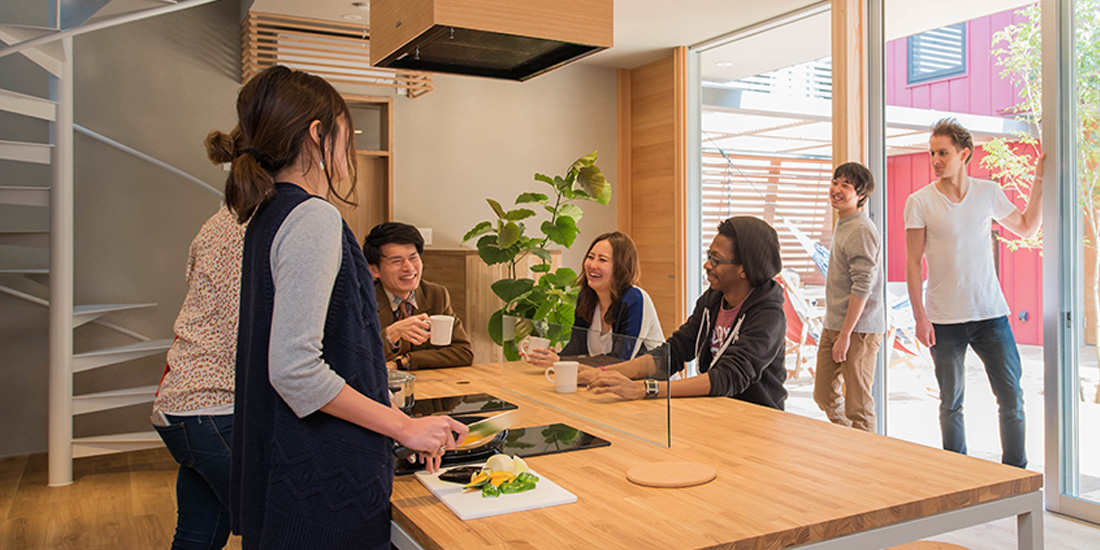

In recent years, the concept of ‘Share Houses’ has emerged as a new housing trend in Korea. For students struggling to find dormitories or studio apartments, or young professionals burdened by high living costs, share houses offer an attractive alternative. Particularly for international students, living in a share house provides an excellent opportunity to experience cultural exchange with Korean or other foreign roommates, while also reducing monthly rent costs. In this guide, we will explore the concept of share houses, share some useful living tips, and introduce recommended platforms for finding the right one.
A share house is a form of co-living where multiple tenants share a house while maintaining their individual private rooms. While each resident has a personal room, common areas such as the kitchen, bathroom, and living room are shared. Some share houses accommodate just two to three people, while others are larger and house more than ten residents in a remodeled home. The management structures also vary; some are run by private landlords, while others are operated by professional co-living companies that provide structured management.
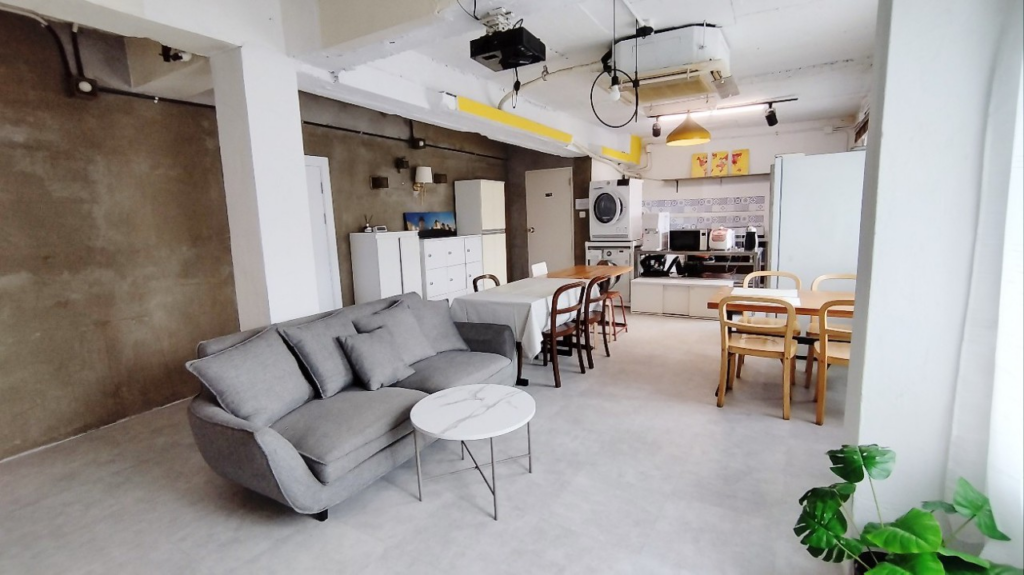
The biggest advantage of a share house is affordability. In major cities like Seoul, where studio apartments typically cost 500,000 to 600,000 KRW per month, a share house offers a much lower rent. Since common spaces are shared, maintenance and interior costs are divided among tenants, allowing many to enjoy comfortable living conditions for around 300,000 to 400,000 KRW per month.
Another major benefit is the social aspect. Living with others means frequent opportunities for interaction and cultural exchange. International students can improve their Korean language skills and learn firsthand about Korean culture while having locals readily available to answer questions. Additionally, living with others helps reduce loneliness and provides reassurance in case of emergencies, as housemates can offer support when needed.
3) Drawbacks and Considerations
Despite its many advantages, share houses also come with some downsides. The biggest challenge is the lack of complete privacy. Even with a private room, sharing common spaces like the kitchen and bathroom inevitably leads to occasional friction or disagreements. Conflicts may arise over household chores such as cleaning and waste disposal, and differences in daily routines or noise levels can sometimes cause stress.
Some share houses also have strict selection criteria for tenants. For example, certain places may not accept smokers or individuals who frequently host gatherings. If your lifestyle does not align with the house rules, long-term residence may become difficult. Therefore, it is crucial to carefully review the house’s policies before signing any contract.
4) Etiquette for Co-Living
To ensure a pleasant experience in a share house, it is essential to follow some basic etiquette:
- Respect shared living spaces: Keep noise levels low, especially during late-night hours, to avoid disturbing your housemates. If you need to cook in the early morning or late at night, try to minimize noise as much as possible.
- Clean up after yourself: Maintaining cleanliness in shared spaces is key to harmonious living. Leaving unwashed dishes or food waste in the kitchen can quickly lead to unpleasant odors and pest problems. Similarly, keeping the bathroom tidy by wiping away water or removing stray hair after use will help prevent conflicts.
- Contribute to shared expenses: Items such as detergent, toilet paper, and other communal supplies should be purchased collectively. If a household manager oversees such responsibilities, follow their guidelines to ensure smooth cooperation.
Observing these simple courtesies can greatly enhance the share house experience for everyone involved.
5) Move-in Process and Rental Contracts
Like traditional housing, share houses require rental contracts. However, unlike typical studio apartments, share houses often have little to no security deposit. Instead, tenants pay a monthly fee, which may already include maintenance fees and utility costs. For corporate-managed share houses, vacancies and lease procedures can often be checked and initiated through company websites or mobile apps. On the other hand, smaller, privately-run share houses typically involve direct communication with the landlord or house manager for move-in inquiries.
Before signing a contract, carefully review details such as:
- Tenant responsibilities (including damage liability for shared facilities)
- Conditions for contract termination
- Lease duration and renewal terms
- Any penalties for early termination
Some share houses allow short-term contracts on a month-to-month basis, offering flexibility for students with limited stays in Korea.
6) Recommended Platforms and Communities
Finding a reliable share house is easier with the help of specialized platforms and online communities. Popular websites like ‘Coliving’ and ‘Come&Stay’ focus on share house listings. Additionally, share house rental options can often be found through KakaoTalk channels and Facebook groups dedicated to students and expatriates. These communities frequently post available housing listings, providing a valuable resource for those seeking accommodation.
Corporate-run share houses operated by startups or large enterprises offer modern facilities and systematic management. Some include shared lounges, fitness centers, and study rooms, making them a great choice for those who prioritize convenience. Although these options may come with slightly higher rental costs, they provide added comfort and security—especially appealing for international students looking for hassle-free living.
7) Cultural Exchange and Making International Friends
One of the most exciting aspects of share house living is the opportunity to meet and interact with people from diverse backgrounds. In mixed-nationality share houses, tenants can experience cultural exchange daily. Simple activities such as cooking meals together or going on weekend trips foster camaraderie and help build long-lasting friendships—an experience not easily found in dormitories or private one-room apartments.
Additionally, cohabiting with both Korean and international students provides a natural language-learning environment. Informal language exchanges can take place effortlessly, allowing tenants to improve their skills without extra tutoring costs or scheduled study sessions. This organic interaction enriches the experience of living in Korea, making share house life an excellent choice for students looking to expand both their social and linguistic horizons.
Living in a share house is an excellent way to ease financial burdens while creating valuable experiences and friendships in Korea. However, since co-living requires consideration for others, maintaining proper etiquette and choosing housemates carefully is crucial for a successful stay.
Before moving in, always inspect the condition of the house and its shared facilities. If possible, speak with current residents or the house manager to get a feel for the household dynamics. While a single visit might not reveal everything, paying attention to small details can help prevent any unexpected surprises after moving in.
By making an informed decision and selecting the right share house, you can enrich your student life in Korea and create unforgettable memories.
K-Name Studio: Create your perfect Korean name based on your personality and style.
What’s My K-Beauty Personal Color?
WeBring Service : Provides personalized services to foreigners living in Korea
Exclusive offer: Introducing foreign car rental in Korea, WeBring-SoCar
- Share House vs. One-Room in Korea: Which Option is Best for Foreigners?
- Foreigner housing, a guide to housing options for your stay in South Korea
- Korea Housing Guide: Buying, Renting, and Leasing
- Hasukjip: Korean Boarding House Guide for Students
Last updated: 22 September 2026
Rules, fees and procedures can change over time. Before an important decision, check the latest guidance from the relevant authority.
WeBring operates its own services for foreign residents in Korea. The following is a promotion for those services.
Living in Korea? You don't have to figure it out alone
Insurance, visas, jobs and hospital interpretation — WeBring supports every step of settling in Korea, in your language.