
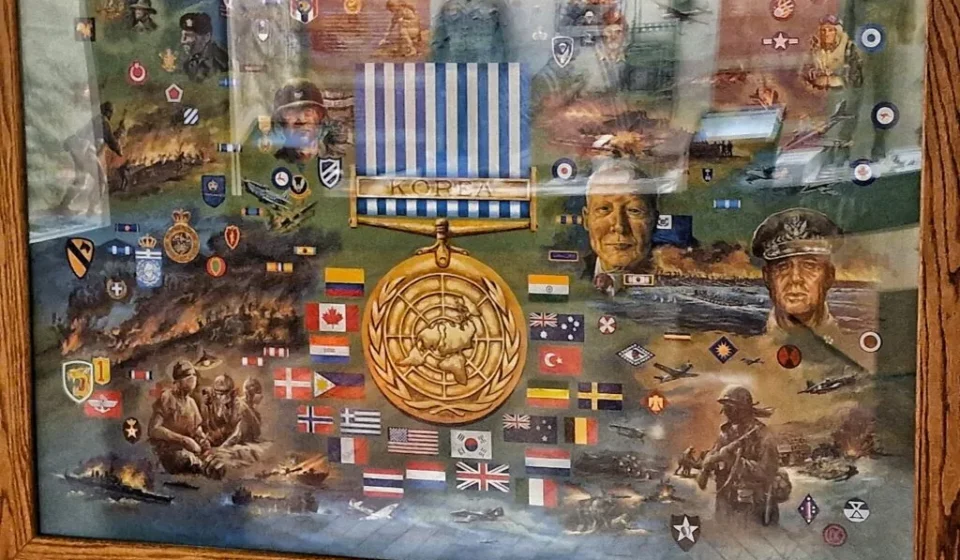

Korea war and modern history sites give foreign travelers a deeper understanding of Korea than any other type of itinerary. Traces of the Korean War (1950–1953), the Japanese colonial period, the Cold War division, and the Jeju 4·3 incident still remain across Seoul, the DMZ, Busan, Jeju, Ganghwa, and Geoje. This guide stays politically neutral and fact-based, organizing routes by region so first-time foreign visitors can plan smoothly.
Korea war and modern history sites: 6 regions at a glance
Here is the big picture. Korea war and modern history sites split into six regions, each with a slightly different era and theme.
| Region | Core theme | Main sites | Foreign accessibility |
|---|---|---|---|
| Central Seoul | Korean War + Japanese colonial era + Provisional Government | War Memorial of Korea, Seodaemun Prison History Hall, Hyochang Park, Provisional Government bases | ★★★★★ (subway) |
| DMZ (Paju) | Korean War armistice + Cold War division | Imjingak, Dorasan Station, 3rd Tunnel, DMZ Security Center | ★★★ (shuttle tour required) |
| Busan | Wartime capital + UN forces | UN Memorial Cemetery, Provisional Capital Memorial Hall, 40-Step Cultural Hall, Jagalchi area | ★★★★ (subway + bus) |
| Jeju | Jeju 4·3 + Japanese-era military facilities | Jeju 4·3 Peace Park, Jeju Resistance Memorial, Alddreu Airfield (Altteureu) | ★★★ (rental car recommended) |
| Ganghwa | 1866 French campaign, 1871 US campaign — early modern battlefields | Ganghwa War Museum, Gwangseongbo, Chojijin | ★★★ (intercity bus) |
| Geoje | Korean War POW camp | Geoje POW Camp Historic Park | ★★★ (intercity bus + taxi) |
The routes below are designed for 1 day to 4 days. Many Korea war and modern history sites are free or under KRW 5,000 in admission, and English audio guides are widely available, which keeps the planning load light.
Seoul — War Memorial, Seodaemun Prison, Hyochang Park: 1-day Korea modern history route
This central Seoul route uses only the subway. It connects the Korean War (War Memorial) → Japanese colonial-era resistance (Seodaemun) → independence activists’ cemetery (Hyochang) in one logical flow.

War Memorial of Korea (Yongsan)
- Samgakji Station (Lines 4 & 6), Exit 12, 3-minute walk
- Hours: 09:30–18:00 (closed Mondays)
- Admission: free
- Audio guide: English, Japanese, Chinese (front desk; ID deposit)
- Visit time: 2–3 hours (Korean War Hall on B1, Memorial Hall on 1F, June 25 War Hall on 2F)
- Photography: mostly allowed, restricted in some video rooms
The outdoor weapons display includes about 90 aircraft, tanks, and naval vessels used by US and Korean forces, making it family-friendly. The War Memorial is the most common starting point for a Korea war and modern history sites itinerary.
Seodaemun Prison History Hall
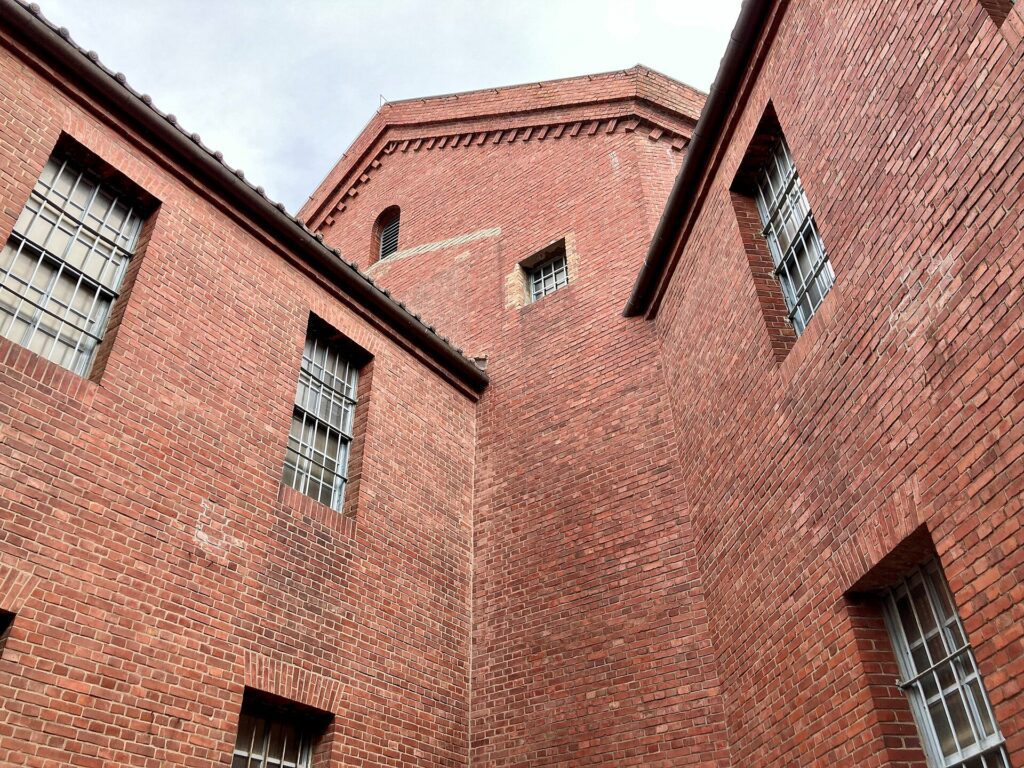
- Dongnimmun Station (Line 3), Exit 5, 3-minute walk
- Hours: 09:30–18:00 (Mar–Oct), 09:30–17:00 (Nov–Feb). Closed Mondays
- Admission: KRW 3,000 adults, KRW 1,500 youth, KRW 1,000 children
- Audio guide: English, Japanese, Chinese (free rental)
- Visit time: 1.5–2 hours
- Photography: mostly allowed; quiet zones at memorial walls and torture-recreation rooms
This prison opened in 1908 under Japanese rule and remained in use until 1987, so visitors see both colonial-era and military-government detention history. It is one of the highest-rated Korea war and modern history sites among foreign travelers.
Hyochang Park (independence activists’ cemetery)
- Hyochang Park Station (Line 6), Exit 1, 5-minute walk
- Hours: park 24/7 (Uiyeolsa shrine and Three Martyrs’ grave area: 09:00–18:00)
- Admission: free
- Visit time: 1 hour
The park holds the graves of Kim Gu, Lee Bong-chang, Yun Bong-gil, and Baek Jeong-gi. The adjacent Baekbeom Kim Gu Memorial Hall (free) covers Provisional Government materials, making this a fitting closing stop for a central Seoul route.
Recommended Seoul 1-day flow
- 09:30 War Memorial of Korea (3 hours)
- 13:00 Lunch — move to Yongsan or Gwanghwamun
- 14:30 Seodaemun Prison History Hall (2 hours)
- 17:00 Hyochang Park & Baekbeom Memorial Hall (1 hour)
- 18:30 Wrap up
If you want to combine hanbok and palaces on a separate day, see our history-themed photo trip with hanbok, palaces, and fortress walls.
DMZ tour — Imjingak, Dorasan, 3rd Tunnel as Korea war and modern history sites
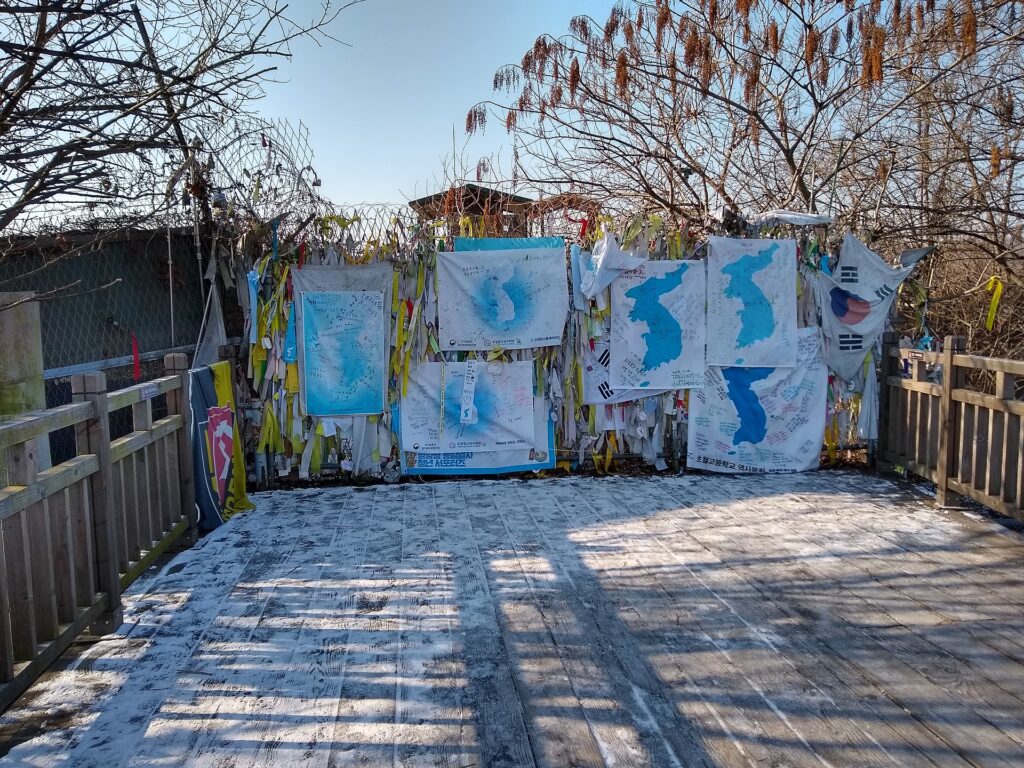
Foreign visitors can enter parts of the DMZ (Demilitarized Zone) on registered shuttle tours. Among Korea war and modern history sites, this is the route where the reality of division is felt most directly.
Imjingak Pyeonghwa-Nuri Park — free area, no tour required
- Munsan Station (Gyeongui-Jungang Line) + 10-minute taxi, or walk from Imjingang Station
- Hours: park 24/7; Peace Gondola 10:00–18:00 (closed Tuesdays)
- Admission: park free; Peace Gondola round trip KRW 11,000
- Visit time: 1.5–2 hours
- Photography: mostly allowed (some restrictions facing military areas)
Outdoors you will see the Freedom Bridge, the Mangbaedan altar, and a steam locomotive frozen in time after the 1953 armistice. It is the most symbolic stop reachable without a passport check or pre-booking.
Dorasan Station, 3rd Tunnel, Dora Observatory — security tour
- Accessible only via Imjingak shuttle or a packaged DMZ tour
- Departure times: 09:20, 10:30, 12:30, 14:30 (some seasonal changes)
- Fee: about KRW 24,000–28,000 (shuttle + admissions)
- Closed Mondays
- Passport required — foreigners must carry the original passport (no copies)
- Guide: English, Japanese, Chinese guides or audio sets available
- Photography: limited zones at Dora Observatory; no photos inside the 3rd Tunnel
Dorasan Station is the northern terminus of the Gyeongui Line, symbolic of a future Pyongyang-bound route. The 3rd Infiltration Tunnel was discovered in 1978; visitors view part of its 1,635 m length on a monorail or on foot.
DMZ tour booking process for foreigners
- Booking platforms: KTO partner agencies, Klook, Trazy, Viator (English)
- Bring: original passport, one ID copy, comfortable shoes
- Departure: usually hotel pickup in Myeongdong or Hongdae, or meet at Imjingang Station
- Duration: half-day 6 hours, full-day 9 hours (lunch often not included)
- Price: KRW 50,000–95,000 (varies with hotel pickup or lunch)
- JSA (Panmunjom) tours are separate — booked 30–60 days in advance with background check
Many tours enforce a dress code, so it is safer to avoid short shorts, tank tops, military-pattern clothing, and ripped jeans. For an additional peace-themed stop nearby, see the Gimpo Aegibong Peace Ecology Park guide.
Busan — UN Memorial Cemetery and Provisional Capital Memorial Hall
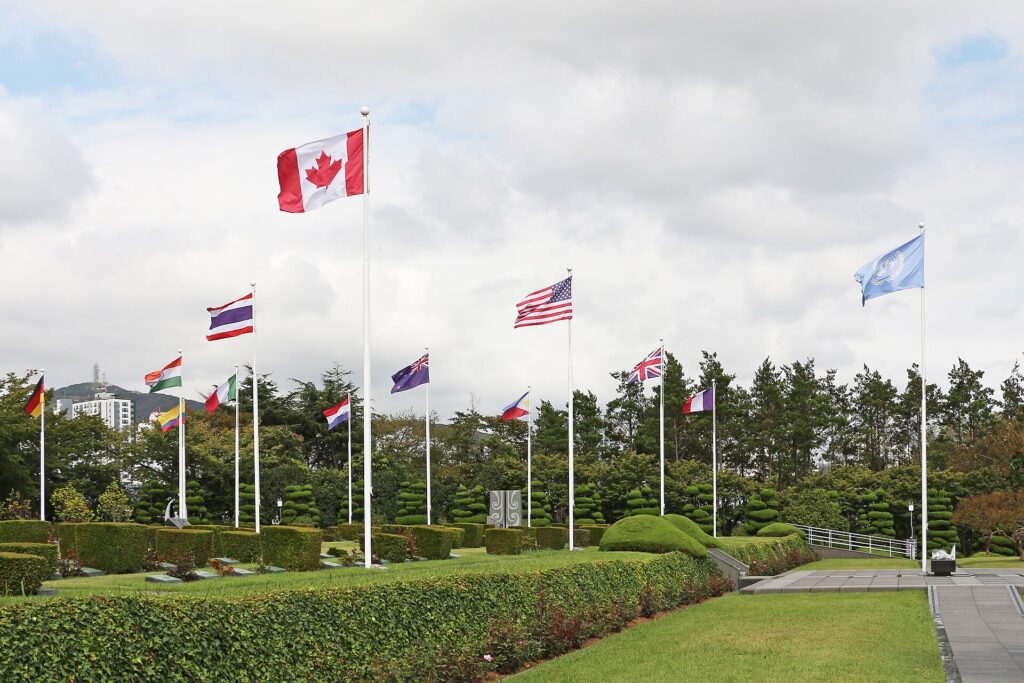
Busan served as Korea’s wartime capital for 1,023 days during the Korean War. Among the 16 troop-contributing and 5 medical-support nations of the UN forces, soldiers from 11 countries are buried at the UN Memorial Cemetery — the focal point of Busan’s Korea war and modern history sites.
UN Memorial Cemetery
- Daeyeon Station (Line 2), Exit 3, 15-minute walk; or buses 134, 138
- Hours: 09:00–18:00 (May–Sep), 09:00–17:00 (Oct–Apr). Open year-round
- Admission: free
- Audio guide: English, Japanese, Chinese (information desk)
- Visit time: 1–1.5 hours
- Photography: keep quiet at graves; avoid close-ups of individual headstones
This is the only UN cemetery in the world. About 2,300 soldiers from Australia, Canada, France, the United Kingdom, Türkiye, the Netherlands, New Zealand, Norway, South Africa, the United States, and South Korea rest here. Many foreign visitors look for their own country’s section to leave flowers.
Provisional Capital Memorial Hall, 40-Step Cultural Hall, Jagalchi area
| Place | Highlight | Hours | Admission |
|---|---|---|---|
| Provisional Capital Memorial Hall | President Syngman Rhee’s wartime residence; 1950–1953 government records | 09:00–18:00 (closed Mon) | Free |
| 40-Step Cultural Hall | Postwar refugee street life — exhibitions on film and literature | 09:00–18:00 (closed Mon) | Free |
| Jagalchi area | Original refugee market settlement, the setting of the song “Gutsuera Geumsuna” | Dawn–22:00 | Free |
Provisional Capital Memorial Hall is a 12-minute walk from Busanjin Station; 40-Step Cultural Hall is 5 minutes from Jungang Station Exit 11, so all three connect on a single subway line.
Jeju — 4·3 Peace Park and Alddreu Airfield as Korea modern history sites
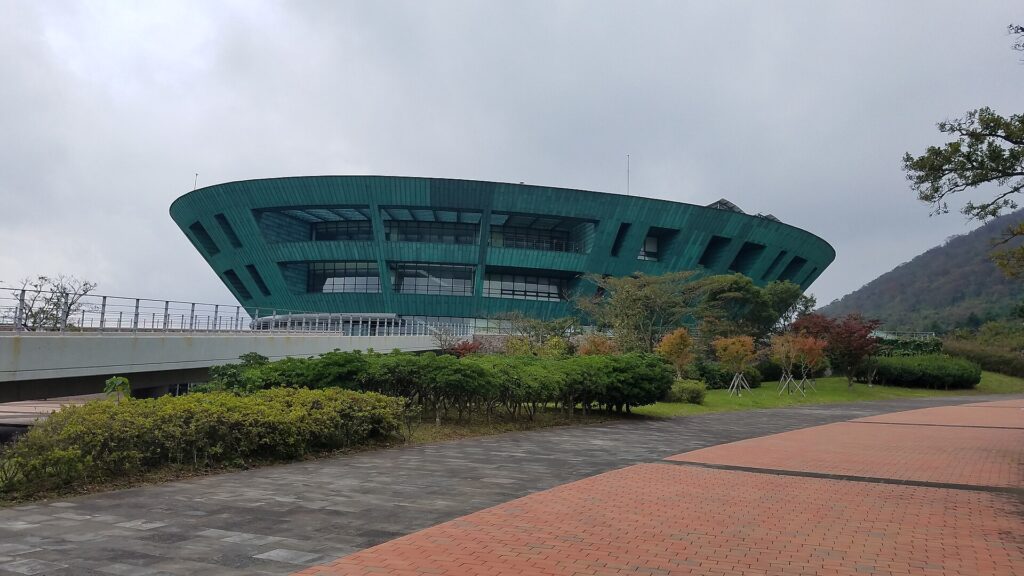
Jeju 4·3 refers to events in Jeju between 1947 and 1954, for which the Korean government has officially conducted a truth-finding process and issued an apology. Jeju’s Korea war and modern history sites center on the 4·3 Peace Park and the colonial-era Alddreu (Altteureu) Airfield.
Jeju 4·3 Peace Park & Memorial Hall
- 30 minutes by car from Jeju International Airport (1 hour by public transport)
- Hours: 09:00–18:00 (closed 1st and 3rd Monday)
- Admission: free
- Materials: English, Japanese, Chinese leaflets and films
- Visit time: 2 hours
- Photography: mostly allowed; the Spirit Tablet Hall asks for silence and no photos
The 4·3 Peace Memorial Hall opened in 2008 following the official truth and rehabilitation decision. Exhibits cover archives, witness testimony, and contemporary art reflecting the events.
Alddreu Airfield — Japanese colonial-era military relic
- Sangmori, Daejeong-eup, Seogwipo (near Songaksan)
- Hours: open 24/7 (information center 09:00–18:00)
- Admission: free
- Visit time: 1 hour
- Access: rental car recommended (limited public transport)
About 19 concrete aircraft hangars built by the Imperial Japanese Army in the 1930s remain in place, forming an open-air museum you can walk through. Pair it with the Songaksan trail for a half-day Korea modern history route.
Ganghwa — Gwangseongbo and Chojijin: early modern battlefields
Ganghwa Island was the battleground of the 1866 French campaign and the 1871 US campaign. Adding Ganghwa to a Korea war and modern history sites itinerary covers the starting point of Korea’s first modern military encounters with the West and Japan.
- Ganghwa War Museum: at the Gwangseongbo entrance. 09:00–18:00, closed Mon, free
- Gwangseongbo: site of the 1871 US campaign (death of General Eo Jae-yeon). KRW 1,100, 09:00–18:00
- Chojijin: site of the 1875 Unyo incident. KRW 700, 09:00–18:00
- Access: bus 3000 from Sinchon or Hapjeong (1.5 hours) → Ganghwa Terminal → local bus transfer
Geoje — Geoje POW Camp Historic Park
- 61 Gyeryong-ro, Geoje-si, Gyeongsangnam-do
- Hours: 09:00–18:00 (Mar–Oct), 09:00–17:00 (Nov–Feb). Open year-round
- Admission: KRW 7,000 adults
- Materials: English information panels and KO/EN booklets
- Visit time: 2 hours
- Access: 1-hour intercity bus from Busan Sasang Terminal or Gohyeon Terminal + local bus
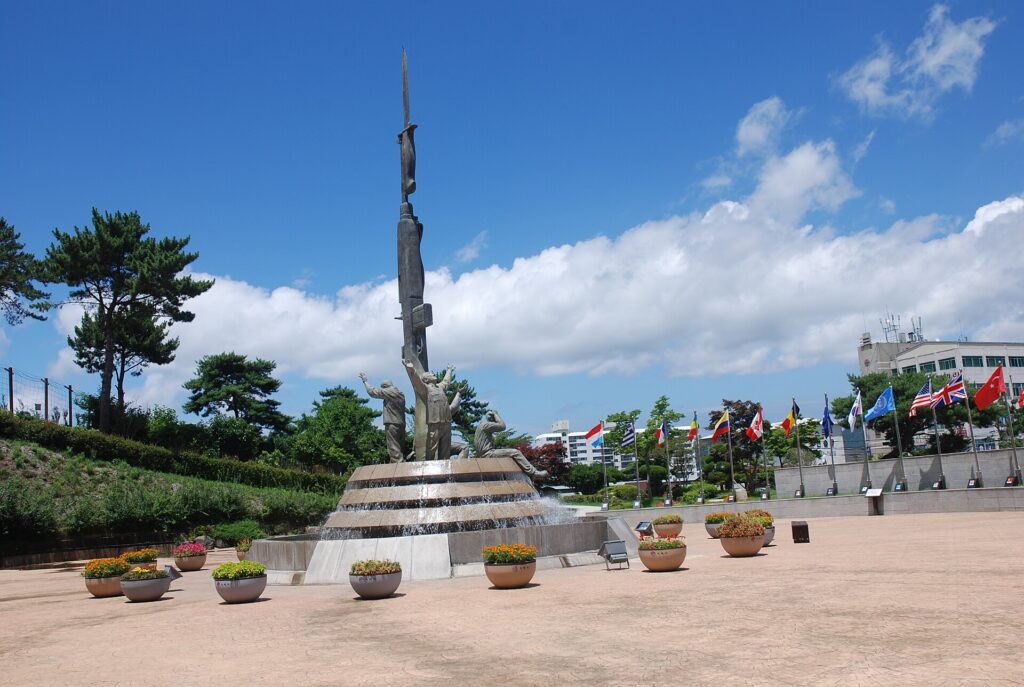
This indoor-and-outdoor museum sits on the grounds of the Korean War’s largest POW camp, operated 1951–1953. Dioramas, replica barracks, and a repatriation train make it accessible for families.
Recommended itineraries — 1 day / 2 days / 4 days for Korea war and modern history sites
1 day (central Seoul)
- Morning — War Memorial of Korea (Yongsan)
- Afternoon — Seodaemun Prison History Hall (Dongnimmun)
- Evening — Hyochang Park + Baekbeom Kim Gu Memorial Hall
2 days (Seoul + DMZ)
- Day 1 — central Seoul 1-day route (above)
- Day 2 — full-day DMZ tour (Imjingak + Dorasan + 3rd Tunnel)
4 days (full circuit)
| Day | Morning | Afternoon | Transport |
|---|---|---|---|
| Day 1 | War Memorial of Korea | Seodaemun Prison & Hyochang Park | Seoul subway |
| Day 2 | DMZ tour | Return to Seoul, Gwangjang night market | Shuttle + subway |
| Day 3 | Seoul → Busan KTX (2.5 hr) | UN Memorial Cemetery + Provisional Capital Memorial Hall | KTX + subway |
| Day 4 | Busan → Geoje intercity bus (1 hr) | Geoje POW Camp Historic Park, return to Busan | Intercity bus |
To add Jeju, swap Day 4 for a 1-hour flight from Gimpo or Gimhae and stay overnight to cover Jeju 4·3 Peace Park and Alddreu Airfield. To pair this with traditional markets, see Korean traditional market courses; for spring, look at the Jinhae Gunhangje cherry blossom festival guide or spring cherry blossom destinations in Korea.
Visitor etiquette — photography, dress, and audio guides
- Photography: outdoor exhibits at the War Memorial, Imjingak, UN Memorial Cemetery, and 4·3 Peace Park are mostly allowed. The 3rd Tunnel interior, areas facing military zones, and the Spirit Tablet Hall are off-limits.
- Dress code: DMZ and JSA tours commonly ban short shorts, tank tops, military-pattern clothing, and torn jeans.
- Audio guides: English, Japanese, and Chinese sets are offered at the War Memorial, Seodaemun Prison, UN Memorial Cemetery, and DMZ. Most are free or require an ID deposit.
- Admission: Seoul facilities mostly free–KRW 3,000. Geoje POW Camp at KRW 7,000 is the highest.
- Closures: Mondays are common. Jeju 4·3 closes 1st and 3rd Mondays; UN Memorial Cemetery is open year-round.
- Food and drink: usually banned inside cemeteries and memorial halls.
Korea war and modern history sites — frequently asked questions
Can foreigners visit the DMZ on their own?
Imjingak, Pyeonghwa-Nuri Park, and the Peace Gondola allow independent visits. Dorasan Station, the 3rd Tunnel, and Dora Observatory are accessible only via registered shuttles or packaged DMZ tours, and Panmunjom (JSA) requires booking 30–60 days in advance with a background check.
Are there separate foreigner discounts?
Most major sites charge the same fees for locals and foreigners, and many are free. Foreigners aged 65+ may receive partial discounts on showing a passport, and children aged 6 and under typically enter free, as do companions of national merit recipients.
Where should I start to understand the Korean War and the division together?
Begin at the War Memorial (Seoul) for the overall narrative, see the armistice and division at the DMZ, and conclude at the UN Memorial Cemetery in Busan to grasp the international dimension. This sequence is usually the easiest for foreign visitors.
Are these sites suitable for families with children?
The outdoor weapons display at the War Memorial and the dioramas at Geoje POW Camp engage children well. Seodaemun Prison’s torture-recreation rooms suggest age 10+ in their own guidance, so plan accordingly.
References (official sources)
- War Memorial of Korea — official site
- Seodaemun Prison History Hall — official site
- UN Memorial Cemetery in Korea — official site
- Jeju 4·3 Peace Foundation
- Korea DMZ integrated portal
Image credits
- Featured image (UN Allied Forces exhibition at War Memorial of Korea): Photo by Gre regiment / Wikimedia Commons (CC BY-SA 4.0)
- War Memorial of Korea main building: Photo by Adbar / Wikimedia Commons (CC BY-SA 3.0)
- UN Memorial Cemetery: Photo by Bernard Gagnon / Wikimedia Commons (CC0)
- Imjingak Freedom Bridge: Photo by Lance Vanlewen / Wikimedia Commons (CC BY-SA 4.0)
- Seodaemun Prison History Hall: Photo by Dudva / Wikimedia Commons (CC0)
- Jeju 4·3 Peace Park: Photo by GtDX8NNO3Efn2oF6q0s3 / Wikimedia Commons (CC BY-SA 4.0)
- Geoje POW Camp Historic Park: Photo by Asfreeas / Wikimedia Commons (CC BY-SA 3.0)
K-Name Studio: Create your perfect Korean name based on your personality and style.
What’s My K-Beauty Personal Color?
WeBring Service : Provides personalized services to foreigners living in Korea
Exclusive offer: Introducing foreign car rental in Korea, WeBring-SoCar
- DMZ Tour Paju Guide: Imjingak, Dora Observatory, 3rd Tunnel for Foreigners
- DMZ tour: Experience History and Tension in Korea
- Korea History Museum Tour: 10 One-Day Heritage Routes
Last updated: 22 September 2026
Prices, opening hours and transport schedules change with the season and the operator. Check the official channel again before you go.
WeBring operates its own Korea tour and vehicle services. The following is a promotion for that service.
Explore Korea's mountains — guides in your language
Courses, transport and seasonal tips for 30 mountains, from Bukhansan to Hallasan, available in 11 languages. Pick up essential travel Korean and find events for the global community, too.