

Korea History Museum Tour: 10 One-Day Heritage Routes
The most common mistake when planning a Korea history museum tour is to visit a single museum and leave the city. Seeing the same artifacts in their excavation site on the same day deepens the experience. This guide pairs museums and nearby heritage in 10 cities — Seoul, Gyeongju, Suwon, Gongju, Buyeo, Andong, Ganghwa, Busan — into one-day routes. Tickets, closing days, transit, and walking times are all listed in one place.
Three rules for pairing museums and heritage in one day
- Geography first: museum and site within 30 minutes on foot or one transit hop.
- Topic match: visit the excavation site or related ruin tied to artifacts you just saw.
- Avoid closing days: most national museums close on Mondays; major heritage sites stay open.
1. Seoul Overview Route: National Museum of Korea + Yongsan Park
Start in Ichon-dong with the National Museum of Korea. Its standing exhibition spans Paleolithic to Joseon and easily takes 4–5 hours. Admission is free; special exhibitions are ticketed. Closed every Monday and on January 1. The museum connects to Yongsan Family Park and the Reflecting Pond, which makes a clean lunch loop.
- Transit: Ichon Station (Line 4 / Gyeongui-Jungang) Exit 2, 5-min walk.
- Tickets: Permanent free, special 5,000–12,000 KRW.
- Closed: Every Monday and January 1.
- Loop: Museum → Reflecting Pond → Yongsan Family Park → National Hangeul Museum (free, 5-min walk).
2. Gyeongju Silla Route: Gyeongju Museum + Bulguksa and Seokguram

This Korea history museum tour stop concentrates a thousand years of Silla. See the gold crowns and Divine Bell at Gyeongju National Museum in the morning, then ride city bus 10 or 11 to Bulguksa and Seokguram (UNESCO World Heritage). Museum is free, Bulguksa 6,000 KRW, Seokguram 6,000 KRW; a shuttle connects the two temples every 30 minutes.
- Transit: 50 min on bus 700 from KTX Singyeongju Station, or walk from Gyeongju Station.
- Museum closed: Every Monday.
- Bulguksa: 09:00–17:00 (winter 16:30).
- Lunch: Korean set menus near Jjoksaem Village, around 12,000 KRW per person.
3. Gyeongju Night Add-On: Hwangnidan-gil + Daereungwon + Cheomseongdae
If time remains after the temples, pair Hwangnidan-gil with Daereungwon and Cheomseongdae for the evening. Daereungwon stays open until 21:00 from April to October, and the soft lighting on Bomun-ro near Cheomseongdae photographs well. Expect about 10,000 steps, so wear comfortable shoes.
4. Suwon Jeongjo Route: Hwaseong Haenggung + Suwon Hwaseong Museum
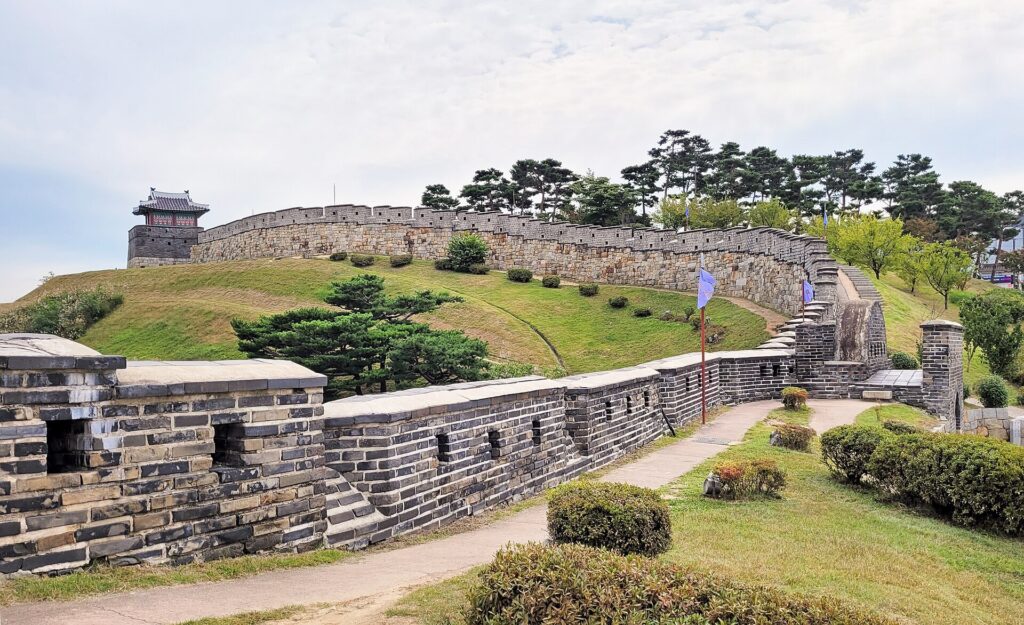
Suwon walks you through King Jeongjo’s 18th-century city plan. Start at Suwon Hwaseong Museum to see Jeong Yak-yong’s crane-lift model and the Hwaseong Construction Records, then walk 10 minutes to Hwaseong Haenggung. The Mu-ye 24-gi martial arts demonstration is free at 11:00 and 14:00 daily. The 5.74-km fortress wall takes about two hours to walk; Paldalmun, Janganmun, Changnyongmun, and Hwaseomun are the key gates.
| Place | Ticket | Closing day |
|---|---|---|
| Suwon Hwaseong Museum | 2,000 KRW | Every Monday |
| Hwaseong Haenggung | 1,500 KRW | Open year-round |
| Suwon Hwaseong (wall) | 1,000 KRW | Open year-round |
5. Gongju Baekje Route: Gongju Museum + King Muryeong Tomb
Gongju was the Baekje capital during the Ungjin period. To cover Baekje, pair Gongju National Museum with the Songsanri tomb cluster (King Muryeong Tomb) on the same day. The museum displays the original artifacts excavated from Muryeong, while the actual tombs are a 10-minute walk away. Both are free; the museum closes Mondays. Add Gongsanseong Fortress, a 30-minute walk, to finish the Baekje day.
6. Buyeo Baekje Route: Buyeo Museum + Jeongnimsa + Busosanseong
Stay overnight in Gongju, then move to Buyeo to see the final Baekje capital. The order is Buyeo National Museum (free, closed Mondays) → Jeongnimsa Five-Story Stone Pagoda (National Treasure 9, 1,500 KRW) → Busosanseong and Nakhwaam (2,000 KRW). All three are within a 20-minute walk. Add Baekje Cultural Land (6,000 KRW) only on a two-day plan.
7. Andong Confucian Route: Korean Studies Institute + Hahoe Village
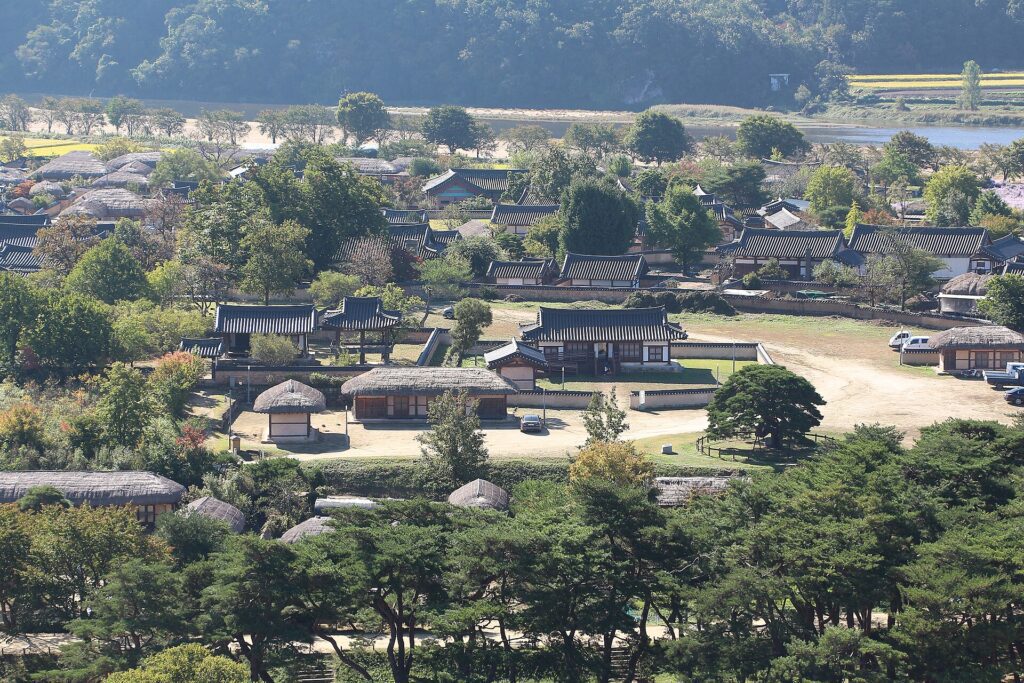
Andong is a city where Joseon Confucian culture is still alive. Visit the Confucian Culture Museum at the Korean Studies Institute first, then take shuttle 246 to Hahoe Village (UNESCO World Heritage). The 5,000 KRW village ticket includes the shuttle, and Yangjindang and Chunghyodang are within a 1-minute walk inside the village. Skip Byeongsan Seowon to keep the day manageable.
8. Seoul Royal Route: Jongmyo + Changgyeonggung + National Folk Museum
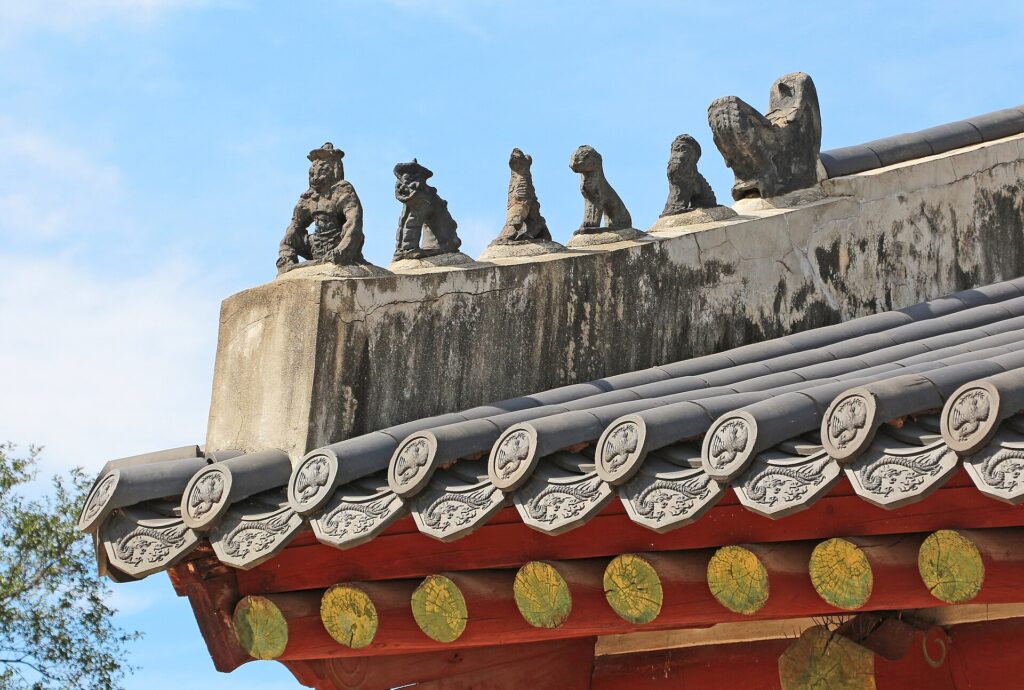
For Joseon royal culture, the smart loop is Jongmyo (UNESCO World Heritage) → Changgyeonggung → National Folk Museum. Jongmyo runs scheduled guided entries on weekdays (1,000 KRW) and free walking on weekends; closed Tuesdays. Changgyeonggung is 1,000 KRW and 5 minutes on foot, and the National Folk Museum sits inside Gyeongbokgung, one subway stop away. Total time is about 5–6 hours.
9. Ganghwa Prehistory–Modern Route: Ganghwa History Museum + Dolmen
Ganghwa Island is an open-air museum spanning prehistory through the modern era. Ganghwa History Museum (free, closed Mondays) sits next to Ganghwa Dolmen Sites (UNESCO World Heritage), so the two combine in one stop. A 15-minute drive from the museum reaches late-Joseon forts like Gwangseongbo and Chojijin, letting you cover prehistoric, Goryeo, Joseon, and modern eras in one place.
10. Busan Modern Route: Forced Mobilization Museum + Provisional Capital Memorial Hall
For Korea’s modern history, Busan is the strongest pairing. The National Memorial Museum of Forced Mobilization Under Japanese Occupation (free, closed Mondays) sets the colonial-era ground; from there, ride the Busan Metro to Toseong Station for the Provisional Capital Memorial Hall (free). The hall preserves the central government building used while Busan served as Korea’s temporary capital for 1,023 days during the Korean War.
Korea history museum tour at a glance (tickets and closing days)
| Route | Main museum | Ticket | Closed |
|---|---|---|---|
| Seoul overview | National Museum of Korea | Free | Monday |
| Gyeongju Silla | Gyeongju National Museum | Free | Monday |
| Suwon Jeongjo | Suwon Hwaseong Museum | 2,000 KRW | Monday |
| Gongju Baekje | Gongju National Museum | Free | Monday |
| Buyeo Baekje | Buyeo National Museum | Free | Monday |
| Andong Confucian | Korean Studies Institute | Free | Monday |
| Seoul Royal | National Folk Museum | Free | Tuesday (Jongmyo) |
| Ganghwa prehistory | Ganghwa History Museum | Free | Monday |
| Busan modern | Provisional Capital Memorial Hall | Free | Monday |
| Gyeongju night | Daereungwon · Cheomseongdae | Free at night | Open year-round |
Day pack checklist
- Comfortable shoes: museum + heritage averages 8–12 km of walking.
- Audio guide: free apps from national museums (English, Chinese, Japanese).
- T-money or post-paid transit card: shuttles and city buses transfer cleanly.
- Water and snacks: kiosks are rare inside heritage sites; lunchboxes are allowed.
- Passport / ID: required when claiming foreign-visitor free entry at some sites.
FAQ
Q1. Where should a first Korea history museum tour begin?
Start at the National Museum of Korea in Seoul. It covers every era of the peninsula in one place; expand to a regional route once you know which period (Silla, Baekje, Joseon) interests you most.
Q2. Are these routes friendly for foreign visitors?
Yes. The National Museum of Korea, Gyeongju Museum, and Gongju Museum all offer English panels and free audio guides. Book English docent tours in advance through the museum’s website. See the National Museum of Korea English site for details.
Q3. How should I split time between museum and heritage?
Plan 2–3 hours for the museum, 1.5–2 hours for the heritage site, and 1–1.5 hours for transit and meals. On Mondays, when most museums close, build an outdoor-only heritage day instead.
Q4. Is photography allowed?
Most exhibitions allow no-flash, no-tripod photos. Some special exhibits and treasure-grade artifacts ban photography; check the panel before each room. Heritage sites are almost always free to photograph.
- Korean War & Modern History Heritage Routes (Seoul, DMZ, Busan, Jeju)
- Hanbok & Heritage Photo Tour: Seoul + Suwon Best Course
- Traditional Markets and Historic Streets Combined Course
Image credits
- Featured: Photo by Jinah78 / Wikimedia Commons (CC BY-SA 3.0)
- Bulguksa Temple: Photo by Basile Morin / Wikimedia Commons (CC BY-SA 4.0)
- Hwaseong Fortress: Photo by Bernard Gagnon / Wikimedia Commons (CC0)
- Hahoe Village: Photo by Bernard Gagnon / Wikimedia Commons (CC0)
- Jongmyo Shrine: Photo by Bgag / Wikimedia Commons (CC0)
K-Name Studio: Create your perfect Korean name based on your personality and style.
What’s My K-Beauty Personal Color?
WeBring Service : Provides personalized services to foreigners living in Korea
Exclusive offer: Introducing foreign car rental in Korea, WeBring-SoCar
Explore Korea's mountains — guides in your language
Courses, transport and seasonal tips for 30 mountains, from Bukhansan to Hallasan, available in 11 languages. Pick up essential travel Korean and find events for the global community, too.