

South Korea is the only divided nation in the world. The tense standoff between North and South Korea, separated by the Demilitarized Zone (DMZ), offers travelers a truly unique experience. Through a DMZ tour, visitors can witness the remnants of Korea’s modern history, experiencing both the pain of division and the anticipation of reunification. This tour provides more than just a sightseeing experience—it presents an opportunity to engage with Korea’s tumultuous past and deeply understand the geopolitical situation of the Korean Peninsula.
In this guide, we’ll explore the key highlights of a DMZ tour, its historical significance, and the emotions you may experience on-site. If you’re visiting Korea and looking for a meaningful adventure, consider adding the DMZ tour to your itinerary.
What is the DMZ? A 2km-Wide No-Man’s Land
The DMZ (Demilitarized Zone) was established as part of the Korean Armistice Agreement, creating a buffer zone where military activity is strictly prohibited. Spanning a width of 4km—2km on each side—the DMZ is a largely uninhabited area with minimal military and civilian infrastructure. Interestingly, due to the lack of human intervention, the DMZ has evolved into an ecological haven, preserving a unique biodiversity that is now globally recognized.
However, the DMZ is far more than just a border. For nearly 70 years since the Korean War, this region has served as a symbolic space where North and South Korea have stood face to face in perpetual tension. Visiting the DMZ is an opportunity to reflect on the profound question: How did one nation become divided? For peace seekers around the world, it serves as a powerful reminder of the lessons history has left behind.

Major DMZ Tour Destinations: The Third Tunnel, Dora Observatory, and Panmunjom
DMZ tours typically operate around Paju, a region bordering North Korea. The most famous tour sites include the Third Infiltration Tunnel, Dora Observatory, Dorasan Station, and Panmunjom (JSA: Joint Security Area). Since visiting Panmunjom requires prior approval due to strict regulations, it’s essential to book in advance.
The Third Tunnel
The Third Tunnel was discovered in 1978 and is believed to have been built by North Korea for military infiltration. The tunnel, designed for quick and large-scale troop movements, is preserved today as a chilling reminder of the ongoing tensions. Visitors who venture deep into the underground passage can grasp the gravity of war firsthand. Due to military security protocols, photography is restricted in many areas, so following the guide’s instructions is crucial.
Dora Observatory
Dora Observatory offers a rare glimpse into North Korea through high-powered telescopes. On a clear day, you can even see Kaesong city in North Korea. The proximity of a place that remains so distant politically is a sobering experience.
Dorasan Station
Dorasan Station represents South Korea’s hope for reunification. Built with the aspiration that one day trains will travel freely between Seoul and Pyongyang, the station remains closed for passenger service—but its ticket booths and platforms remain intact, standing as a symbolic gateway to the North.
Panmunjom (Joint Security Area – JSA)
Perhaps the most iconic stop of the DMZ tour, Panmunjom is where North and South Korean soldiers literally stand face-to-face. Visitors who join the JSA tour can step inside the blue meeting rooms used for inter-Korean dialogue, even momentarily crossing the Military Demarcation Line that divides the two Koreas. However, entry to Panmunjom is subject to sudden restrictions depending on diplomatic agreements, so checking ahead for availability is necessary.
The Scars of Division and the Value of Peace
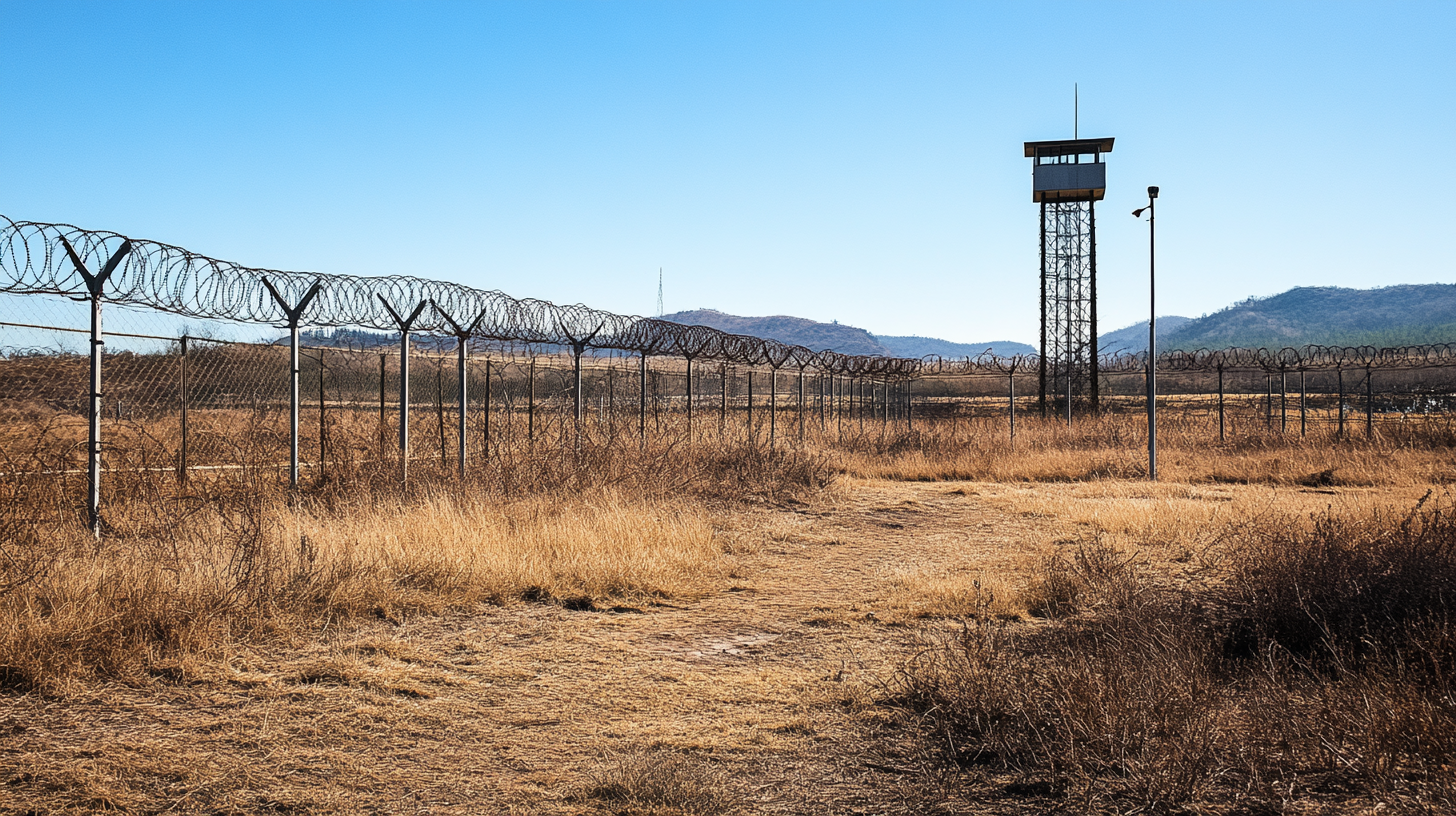
A visit to the DMZ exposes visitors to fences lined with barbed wire, landmine warning signs, and soldiers maintaining high-alert security postures. These sights make it clear that Korean division is not just a history lesson but an ongoing reality. International visitors often leave with a deeper understanding of the Korean War and the fragility of inter-Korean relations.
Beyond military tensions, the scars of division extend into human suffering, such as separated families who have yet to reunite. The continuing political strain between the two Koreas plays a significant role in global geopolitics. A DMZ tour allows visitors to not only learn about this history but also physically experience its lingering impact. Importantly, because no formal peace treaty was ever signed, Korea remains technically at war, making the DMZ a reminder of the unresolved conflict.
Essential Tips for the DMZ Tour
1. Official Tours Only: Since most of the DMZ is designated as a military-protected area, individual access is prohibited. Booking through authorized tour agencies or government-approved reservations is required.
2. Identification and Dress Code: Visitors may need to present their passports before entering. Inappropriate attire, including overly revealing outfits or anything resembling military gear, is usually not allowed.
3. Comfortable Clothing & Stamina: The tour involves walking through tunnels and observation decks, so comfortable shoes and attire are highly recommended. The tunnels can be humid and physically demanding, so maintaining your energy levels is essential.
4. Photography Restrictions: Many areas have strict no-photography policies, especially near military posts. Following the guide’s instructions is crucial to avoid security breaches.
Souvenirs and Nearby Attractions
At the end of a DMZ tour, visitors often stop by souvenir shops selling items emblazoned with “DMZ,” along with themed t-shirts, mugs, and postcards promoting peace on the Korean Peninsula. Military-inspired memorabilia is also popular among tourists.
For those wanting a moment of relaxation after the intense historical experience, cultural stops like Paju Provence Village and Heyri Art Valley provide an artistic retreat. A visit to a serene hilltop café with a view towards North Korea can be a refreshing way to reflect on the day’s experience.
Global Significance: Hopes for the Future
The DMZ is a place where the echoes of war remain but also where aspirations for peace continue to rise. It has hosted world leaders and key diplomatic meetings, reinforcing its importance in global affairs. As visitors stand at this historic frontier, they can’t help but wonder: Will this border ever disappear?
Experiencing the DMZ first-hand helps one grasp the complexity of North-South relations beyond what’s seen in the media. At the same time, it reinforces the immense value of peace.
Conclusion: More Than Just a Tour
Many think of travel as an opportunity for leisure and relaxation, but a DMZ tour offers something far more profound. It provides a rare glimpse into a nation split in two, the echoes of war, and the ceaseless yearning for peace. This is not just a tourist attraction but a place of reflection and learning.
Visitors often leave contemplating deeper questions—what does peace truly mean? What are the costs of war? And will a future without division ever come? Paradoxically, it is this solemnity that makes the DMZ tour so captivating.
For those visiting Korea, dedicating even a short time to experience the DMZ is a meaningful way to understand the nation’s past, present, and hopes for the future.
K-Name Studio: Create your perfect Korean name based on your personality and style.
What’s My K-Beauty Personal Color?
WeBring Service : Provides personalized services to foreigners living in Korea
Exclusive offer: Introducing foreign car rental in Korea, WeBring-SoCar
- DMZ Tour Paju Guide: Imjingak, Dora Observatory, 3rd Tunnel for Foreigners
- Korea War and Modern History Sites: Foreigner Route Guide
- Aegibong Peace Park Gimpo: Complete DMZ Viewpoint Guide
Last updated: 22 September 2026
Prices, opening hours and transport schedules change with the season and the operator. Check the official channel again before you go.
WeBring operates its own Korea tour and vehicle services. The following is a promotion for that service.
Explore Korea's mountains — guides in your language
Courses, transport and seasonal tips for 30 mountains, from Bukhansan to Hallasan, available in 11 languages. Pick up essential travel Korean and find events for the global community, too.


