

The Charm of a Rural Hanok Stay: A Quiet Trip Through Time
A rural hanok stay is not just lodging; it is a way to follow the grain of Korean time. A hanok is the traditional Korean architectural form often associated with wooden structures, ondol floors and a maru, with roof and window materials varying. To foreign travelers it feels exotic; to Koreans it triggers nostalgia for grandparents’ country homes. Spending a night in a rural hanok instead of a concrete building does not just change the space — it slows down time itself. Waking with the sun and sleeping when it sets is the first reward of a rural hanok stay.
Staying in an old hanok nestled in a mountain valley or a coastal village means you experience rural life up close. The star-filled night sky and the rooster crow that opens the morning are bonuses you simply cannot buy in a city hotel — that is the everyday reality of a rural hanok stay.
Recommended Regions for a Rural Hanok Stay: Where to Sleep
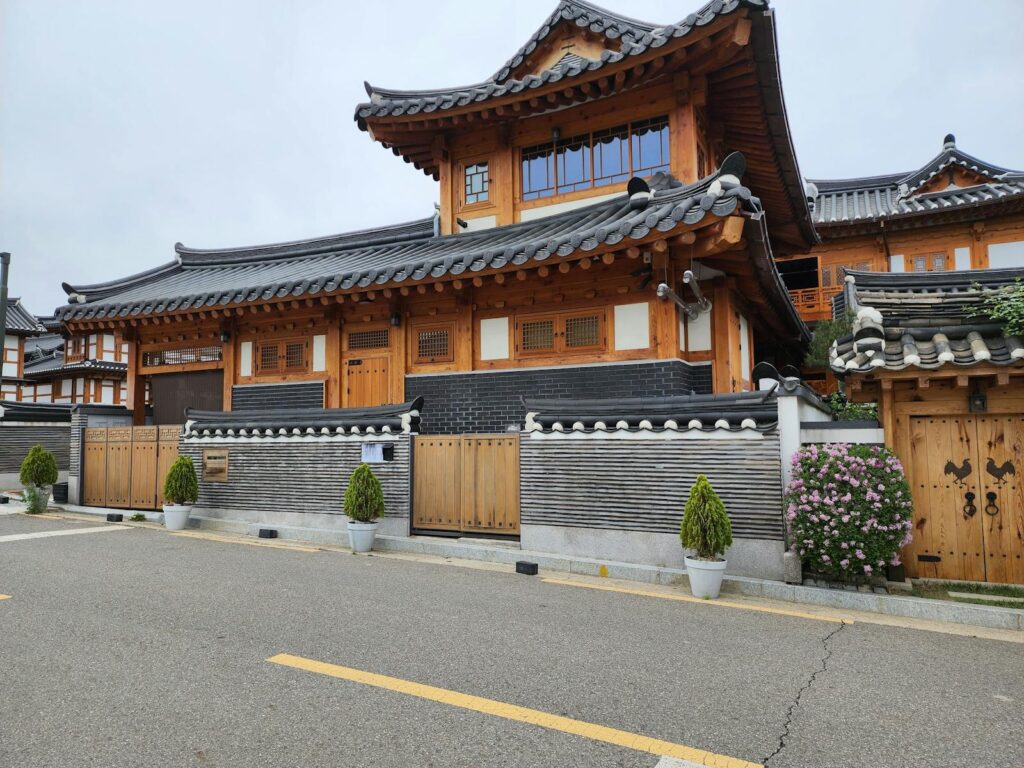
Hanok villages large and small are scattered across Korea, so a rural hanok stay can be chosen to match the mood and the schedule. Jeonju Hanok Village in North Jeolla is the most famous, but it draws large crowds; if you want quiet, nearby countryside is a better fit. Andong Hahoe Village in North Gyeongsang, the old houses near Haein Temple in Hapcheon (South Gyeongsang), and small villages in Gangjin or Gurye (South Jeolla) still hold the old atmosphere and give a real rural hanok stay feel.
For a rural hanok stay, use regional tourism or Korea Tourism Organization’s hanok accommodation introductions to identify a property, then confirm availability, price and booking directly with its operator. Templestay is a Buddhist temple-stay service, not the general booking platform for rural hanok lodging. Cooking or garden activities require separate confirmation.
Hanok Structure: Why a Rural Hanok Stay Feels So Comfortable
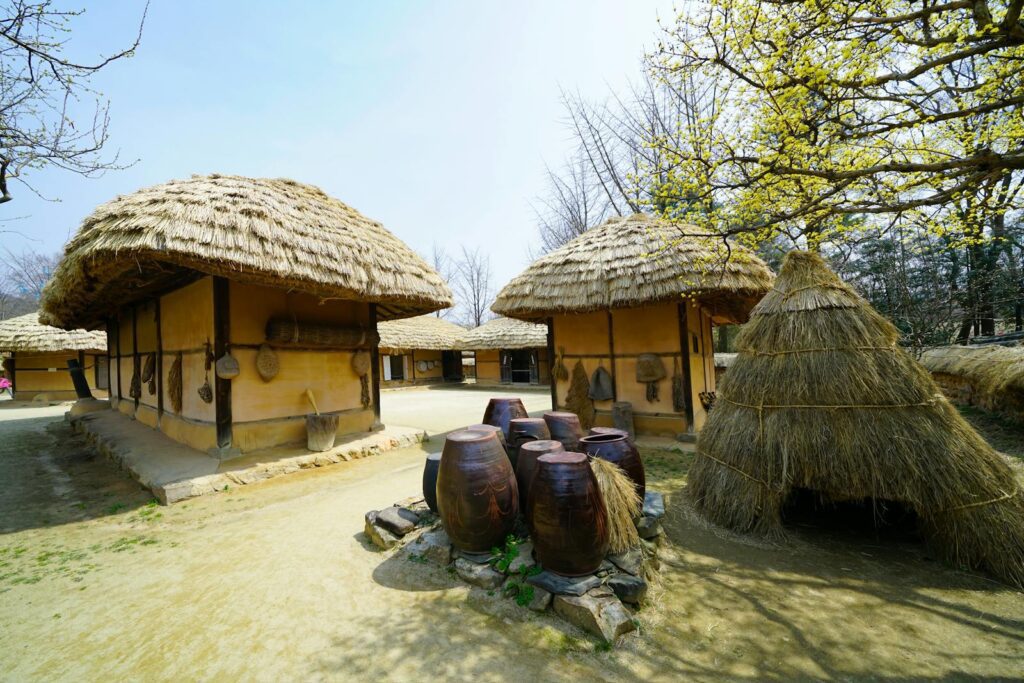
Hanok design varies by region and building. Ondol provides floor heating, while a maru can support ventilation and summer use. Roofs are not always tiled: traditional examples include thatch and other materials. Modern guesthouses use different heating, glazing and cooling systems; paper doors alone do not guarantee humidity control or comfort in extreme weather.
| Element | Function | Seasonal Effect |
|---|---|---|
| Ondol | Underfloor heating | Warm feet in winter |
| Maru (wooden floor) | Ventilation and rest area | Natural cooling in summer |
| Paper-paneled door | Light and humidity control | Depends on materials and ventilation |
| Tile roof | Rain and sun shield | Monsoon and heatwave defense |
Thanks to this structure, a rural hanok stay lets you feel each season up close. Pine-scented wind drifts through the room in spring, cicadas sing while you nap in a hammock in summer, autumn leaves cover the yard, and in winter you open the paper door from a warm ondol room and watch the snow fall. Related reads: Korean Tea Ceremony Experience Guide · Hanok, Seowon, and Temple 4N5D Route.
Rural Hanok Stay Programs With Farm Experience
Some hanok operators offer farm activities, but these are not included in every stay. Confirm the crop, season, age requirements, price and weather policy. Enter fields and pick produce only with permission; wash anything intended to be eaten raw. Harvest dates vary by crop and region, so do not assume potatoes, corn and tomatoes are available for an autumn visit.
For families with children, farm activities are far more powerful than any textbook. Kids who touch soil and watch plants grow learn to value food and become more attuned to nature. In the evening, listen to grandmother’s folk tales and chase fireflies at the edge of the village — content that only a rural hanok stay can deliver.
Traditional Food and Regional Flavors in a Rural Hanok Stay
Food is another headline act of any rural hanok stay. Every region has its own specialty and long-running recipes for side dishes, soups, and stews. Jeolla hanoks fill the table with generous banchan, savory jeotgal (salted seafood), and pickled jangajji. Gyeongsang hanoks lean toward spicy maeuntang and deep doenjang stews, while Gangwon serves buckwheat pancakes (memil-buchimgae), gondre-bap, and potato dumpling soup (gamja-ongsimi).
| Region | Signature Dishes | Recommended Hanok Stay Villages |
|---|---|---|
| Jeolla | Banchan, jeotgal, hanjeongsik | Gangjin, Gurye, Damyang |
| Gyeongsang | Maeuntang, doenjang stew, heotjesatbap | Andong Hahoe, Yeongyang, Hapcheon |
| Gangwon | Memil-buchimgae, gondre-bap | Pyeongchang, Jeongseon, Gangneung |
| Chungcheong | Olgaengi-guk, siraegi-bap | Goesan, Boeun, Cheongyang |
Food cooked with vegetables grown by the hanok owner or local villagers tastes nothing like city convenience food. Broth simmered over a wood-fired stove and sweet potatoes roasted in embers bring back memories of grandmother’s home. When food and memory tie together, a rural hanok stay becomes more than a meal — it becomes emotional repair.
Rural Hanok Stay Booking Checklist
Picking a beautiful hanok is not the end of the job. A rural hanok stay runs differently from a standard hotel, so check these 4 items before you confirm the booking.
- Bathroom location — Confirm whether the bathroom is en suite or shared. Many rural hanoks still use outdoor restrooms.
- Heating type — Wood-burning ondol or electric ondol can change winter comfort dramatically.
- Meal inclusion — Check if breakfast and dinner are included or charged separately. The iron-cauldron rice experience is usually an add-on.
- Transit access — Some villages run only 2 to 4 buses per day; if you don’t have a car, ask about pickup service in advance.
Etiquette and Safety Rules for a Rural Hanok
A rural hanok stay is atmospheric, but the building is traditional and demands care. Wooden architecture is fire-prone, so smoking and open flames are allowed only in designated areas. Before using any heating appliance for cooking, ask the host and follow the safety instructions; avoid loud noise late at night out of respect for other guests and villagers.
Hanok doors and windows are made of paper over thin wooden frames and tear easily if pushed roughly. Open them gently with both hands — that is basic hanok etiquette. Adjust the ondol temperature before bed so it doesn’t get too hot. If you are traveling with foreign companions, brief them on taking off shoes, walking on the wooden floor, and handling paper doors; that small briefing keeps the rural hanok stay flowing smoothly. Related reads: Bukchon Hanok Village Quiet Walking Guide · Hahoe Village One-Day Course · Jeonju Hanok Village Hanbok Itinerary.
A Rural Hanok Stay and the Value of Slow Travel
The heart of a rural hanok stay is slowness. In the city every minute counts; in a rural hanok the body simply tunes to the rhythm of the sun. Switch off your phone for a while, walk the yard, peek into the small chicken coop or flower bed to open the day. At dusk, sit on the wide wooden veranda and watch the sunset stain the village.
Nights bring star showers. With fewer streetlights and clean air, constellations that disappear in cities show up clearly here. Talking with family or friends in the courtyard, you feel that even without flashy facilities, a rural hanok stay can fill the heart faster than any luxury suite.
The solid beauty of traditional architecture, the honesty of farm life, and the open arms of nature combine in a rural hanok stay that restores body and mind together. If your next weekend is open, book a rural hanok even if the detour out of the city is a little inconvenient. Waking to a rooster call and ending the day on the wooden veranda counting stars — that short stay will live as a warm memory for a long time.
K-Name Studio: Create your perfect Korean name based on your personality and style.
What’s My K-Beauty Personal Color?
WeBring Service : Provides personalized services to foreigners living in Korea
Exclusive offer: Introducing foreign car rental in Korea, WeBring-SoCar
Sources checked (2026-09-08): 1, 2, 3, 4.
- Hanok Ondol: Discover the Traditional Korean House and Underfloor Heating
- Hanok Guesthouse Complete Guide: Jeonju, Gyeongju and Seoul Booking and Ondol Stay
- Korean Traditional Architecture Tour: Hanok, Seowon, Temple Best Routes (4-Day Plan)
- Hidden Small-Town Getaways: Discover Secret Spots in Korea
- Rural Volunteer Experience in Korea: Half-Day Guide
Last updated: 7 October 2026
Prices, opening hours and transport schedules change with the season and the operator. Check the official channel again before you go.
WeBring operates its own Korea tour and vehicle services. The following is a promotion for that service.
Explore Korea's mountains — guides in your language
Courses, transport and seasonal tips for 30 mountains, from Bukhansan to Hallasan, available in 11 languages. Pick up essential travel Korean and find events for the global community, too.