
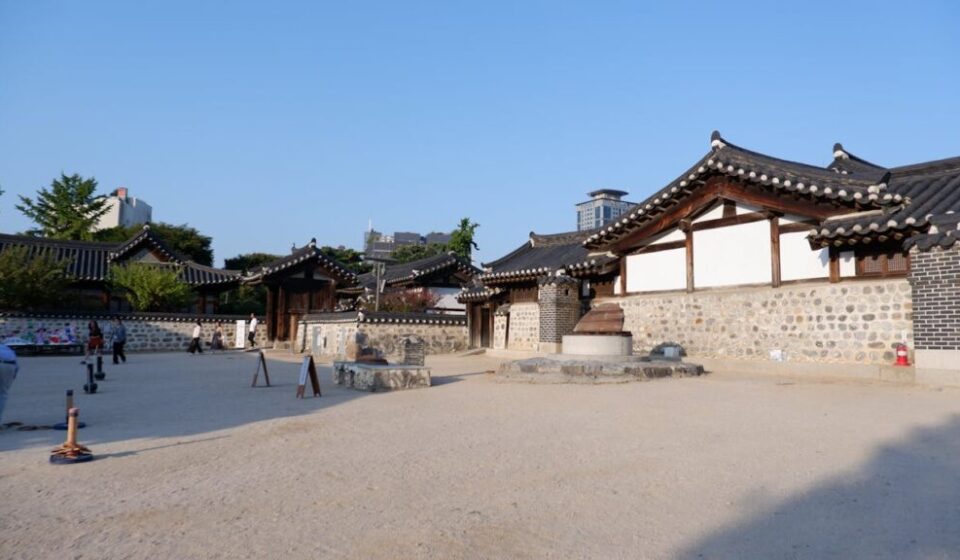

A night at a hanok guesthouse is more than a place to sleep. It is a hands-on encounter with Korean traditional culture, and the moment you lie down on an ondol floor under curved tile roofs the whole mood of your trip changes. From the 700 plus traditional houses in Jeonju Hanok Village to the Silla atmosphere of Gyeongju Hwangnidan-gil and the downtown hanok of Seoul Bukchon and Seochon, a hanok guesthouse feels different in every region. This guide walks through hanok guesthouse booking tips, one-night price tiers, ondol room basics, and hanbok and tea ceremony experiences in one place.
What Is a Hanok Guesthouse? Features and Appeal of a Traditional Stay
A hanok guesthouse is a Korean traditional house (hanok) converted into lodging or newly built in the same style, with exposed wooden pillars, beams and rafters and a tiled roof. The rooms use ondol heating, where heat radiates from the floor to warm your whole body, and you trade the noise of city hotels for an unusual stillness. Most properties have modernized the bathroom and kitchen so daily inconveniences are small, and soft daylight passes through the hanji paper windows in a gentle way. The charm of a hanok guesthouse stay comes from quiet conversations with the host that make you feel like you are staying at someone’s home rather than a hotel. Options range from tiny hanok with one or two rooms to large complexes with a courtyard and separate annex. For region-by-region certified hanok lists you can check Korea Tourism Organization (visitkorea.or.kr).
Hanok Guesthouse Recommended Regions: Jeonju, Gyeongju, Seoul, Andong
Hanok guesthouses exist all over Korea, but each region has a clearly different mood and strength. Jeonju Hanok Village packs more than 700 hanok together, and many of them operate as guesthouses, making it the most popular hanok guesthouse hub for foreign travelers. Gyeongju has hanok scattered through Hwangnidan-gil, Gyochon Village and the Bomun resort area side by side with thousand-year-old Silla ruins, so you can pair Daereungwon and Bulguksa by day with the Woljeonggyo Bridge night view in one route. Andong Hahoe Village lets you sleep inside a UNESCO World Heritage traditional village, which is rare, and the Bukchon and Seochon neighborhoods of Seoul offer downtown hanok lodging where modern convenience and tradition meet.
| Region | Mood | Main Hanok Area | Suggested Route |
|---|---|---|---|
| Jeonju | Most popular, lively at night | Jeonju Hanok Village, around Gyeonggijeon | Two-day food trip + hanbok experience |
| Gyeongju | Silla ruins, calm strolls | Hwangnidan-gil, Gyochon, Bomun | Daereungwon and Woljeonggyo + hanok stay |
| Andong | Most traditional, very quiet | Hahoe Village, Byeongsanseowon | UNESCO village + seowon tour |
| Seoul | Downtown, easiest access | Bukchon, Seochon, Ikseon-dong | Gyeongbokgung and Insadong + city hanok |
For more depth see the Bukchon Hanok Village walking guide and the rural hanok stay complete guide. Comparing downtown and countryside hanok side by side makes it much easier to pick a hanok guesthouse that matches your taste.
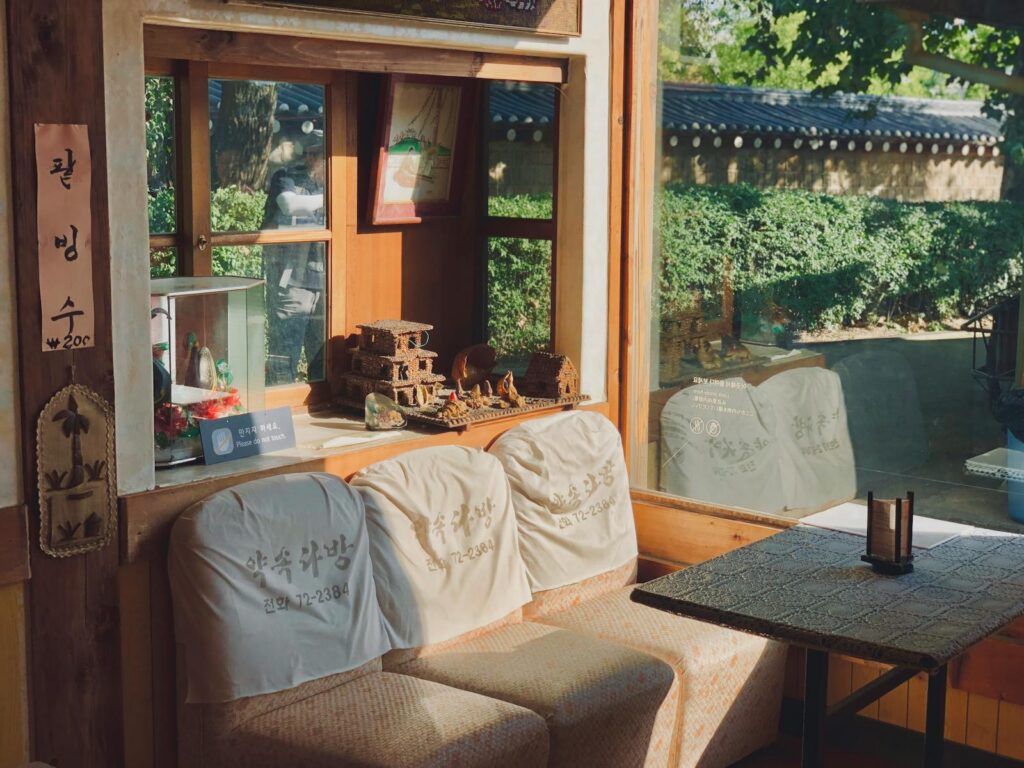
Hanok Guesthouse Booking Methods and Per-Night Price Range
You can search for a hanok guesthouse on global platforms like Airbnb, Trip.com and Agoda, but some smaller properties accept reservations only through their own website or by phone. During peak season (summer holidays, Chuseok and Lunar New Year, cherry blossom and autumn foliage festivals) popular hanok sell out quickly, so locking in your dates four to eight weeks ahead is the safe choice. Per-night prices vary widely by region and room class.
- Jeonju and Gyeongju central standard rooms: 70,000 to 150,000 won per night, walking distance to the hanok village
- Premium hanok: 200,000 to 400,000 won per night, annex, private courtyard, breakfast included
- Outskirts and rural hanok guesthouse: 40,000 to 80,000 won per night, car needed
- Seoul Bukchon and Ikseon-dong: 120,000 to 250,000 won per night, downtown access premium
- Andong Hahoe and other cultural-heritage hanok: 80,000 to 180,000 won per night, some require an ID at booking
Even within the same hanok guesthouse, weekend rates can run 30 to 50 percent higher than weekdays, so a Tuesday or Wednesday check-in is a smart move when your schedule allows. Before paying, double-check the cancellation policy (whether 48-hour free cancellation is available), the check-in time (usually after 15:00) and the check-out time (around 11:00). For more booking know-how see the Korea travel accommodation guide and the Korea revisit travel complete guide.
Ondol Room Basics and Hanok Guesthouse Stay Etiquette
The ondol room in a hanok guesthouse is built around floor heating. Even in deep winter the floor stays warm and cozy, but in a poorly insulated hanok the shoulders can still feel chilly because of drafts through the doors, so layer the bedding generously or ask for an extra pillow blanket. Air conditioning is common in summer, but airflow can be awkward inside a traditional structure, so a room facing the courtyard tends to stay cooler. Soundproofing is not on hotel level, so avoid loud talking late at night, and always take off your shoes on the wooden floor or in the courtyard before stepping inside.
- Ondol temperature: use the controller by the door to set levels 1 through 5, start at 3 the first night
- Fire safety: hanok is a wooden structure, so no smoking or open flames inside the room
- Bathroom layout: annex-type hanok sometimes share a bathroom, confirm at booking
- Early-morning bird songs and temple bells sound louder than in a city hotel
- Floor temperature can reach about 50 C in winter, so do not place laptops or electronics on the floor
A hanok is a delicate structure built from wood and earth, so it asks for a bit more care than a modern hotel. If you also want a night walk with a city skyline view, check the Namsan Tower walking trail complete guide.
Hanok Guesthouse Experience Programs: Hanbok, Tea Ceremony, Crafts
Some hanok guesthouses run cultural programs alongside lodging, including hanbok wearing, tea ceremony and traditional craft sessions. You can sip green tea brewed by the host in the small courtyard or pose for a photo at the front gate to keep a meaningful memory. Hanbok rental usually costs 15,000 to 30,000 won per person for two hours, and you wear it on a walk through the hanok village or palace area before returning it. Tea ceremony sessions run 20,000 to 40,000 won per person, and natural dyeing or hanji paper craft sits around 25,000 to 50,000 won per person.
Hanok guesthouse owners often share neighborhood food tips and hidden walking routes. A simple line like “the kongnamul gukbap place on this street is famous, you should try it” connects you with local culture in a way no city hotel can. If you plan to walk around in hanbok, factor in the rental window (typically four to eight hours) when you build the route, and keep to flat paths because the long skirt drags on stairs and gravel. To plan a craft-heavy itinerary, see the craft workshop tour complete guide.
Photo Spots and SNS: Hanok Guesthouse Instagram Highlights
Thanks to the interiors, the courtyard and the traditional architecture, a hanok guesthouse is a dream spot for Instagram photos. The curve of the tiles on top of the wall, the wooden pillars and hanji doors, the jangdokdae jar platform, the jars and stepping stones in the courtyard — almost any angle works. The most striking shots come at dawn or dusk, when the golden light passes through the hanji doors and pools inside the room. At check-in it is polite to ask the host where you can take photos (the shared courtyard, other guests’ rooms, etc.), and on social media using location-specific hashtags like #HanokStay, #HanokGuesthouse, #JeonjuHanokVillage and #BukchonHanok connects you with other travelers who stayed at the same hanok.
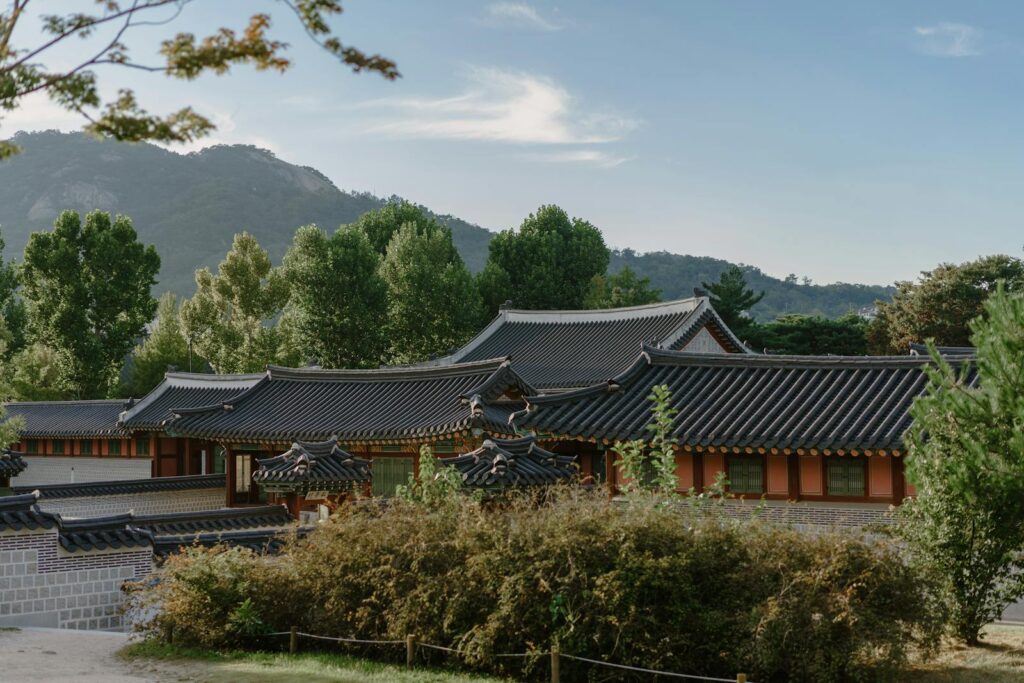
Hanok Guesthouse Surroundings: Food and Sightseeing Routes
Some hanok guesthouses serve breakfast (simple Korean dishes, juk porridge, bread) for 8,000 to 15,000 won per person, but most expect you to find your own meals. You can eat at nearby Korean restaurants (gukbap, bibimbap, jjigae) or stop by a cafe or snack bar as you wander. Walking-distance attractions depend on where your guesthouse sits.
- Jeonju: Hanok Village, Gyeonggijeon, Jeondong Cathedral, Nambu Market night bazaar (10 to 20 minutes on foot)
- Gyeongju: Daereungwon, Cheomseongdae, Donggung and Wolji, Gyochon Village (15 to 30 minutes on foot)
- Andong: Hahoe Village, Byeongsanseowon, Dosanseowon (in-village walking, drive to the seowon)
- Seoul Bukchon: Gyeongbokgung, Insadong, Samcheongdong cafe street (5 to 15 minutes on foot)
- Seoul Ikseon-dong: Jongmyo, Changdeokgung, Dongdaemun Design Plaza (one to three subway stops)
Around Jeonju Hanok Village the night market and makgeolli alley come alive after 20:00, and on Gyeongju Hwangnidan-gil the cafes and pubs light up together right after sunset. The morning after a hanok guesthouse stay is a great time to walk the empty alleys and capture the most hanok-like scenes with no crowds. To plan the food side in more detail, see the nationwide food trip complete guide.
Quiet Rest at a Hanok Guesthouse: Closing Notes
A hanok guesthouse is more than a room. It opens a door into the middle of traditional culture for the traveler. The scent of wooden pillars, the warmth of an ondol floor and the soft light through hanji windows slow the pace of modern life for a night. Looking up at stars from the wooden floor at night and rising slowly to bird songs at dawn are the kind of small luxuries you can only have on this kind of trip. With options spanning 70,000 won standard rooms and 300,000 won premium hanok, pick one of Jeonju, Gyeongju, Andong or Seoul that fits your schedule and budget, and plan your first hanok night. Once you feel the mood of a hanok guesthouse, you will likely want to come back on your next Korea trip.
K-Name Studio: Create your perfect Korean name based on your personality and style.
What’s My K-Beauty Personal Color?
WeBring Service : Provides personalized services to foreigners living in Korea
Exclusive offer: Introducing foreign car rental in Korea, WeBring-SoCar
- Gyeongju Emotional Lodging 2 Days 1 Night: Hwangnidan-gil Hanok Stay + Cafe Course Guide
- Gyeongju Bicycle Travel Route: 6.5km Loop Through Daereungwon, Cheomseongdae & Woljeonggyo
- Gyeongju Andong Heritage Tour: Discover Korea’s Ancient Roots
- Hanok Ondol: Discover the Traditional Korean House and Underfloor Heating
Last updated: 22 September 2026
Prices, opening hours and transport schedules change with the season and the operator. Check the official channel again before you go.
WeBring operates its own Korea tour and vehicle services. The following is a promotion for that service.
Explore Korea's mountains — guides in your language
Courses, transport and seasonal tips for 30 mountains, from Bukhansan to Hallasan, available in 11 languages. Pick up essential travel Korean and find events for the global community, too.