
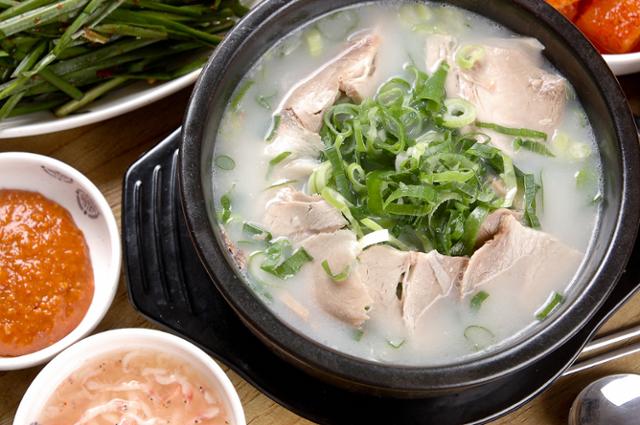

When talking about Korean food culture, one dish that can’t be left out is “gukbap.” Gukbap, literally meaning “soup with rice,” is a quintessential comfort food beloved by the masses. It fills the stomach and captures the humble spirit of Korean cuisine. There are countless types of gukbap, but among them, three are often referred to as the “Top 3 Korean Gukbaps”: seolleongtang, gamjatang, and dwaeji-gukbap. In this article, we’ll explore the unique characteristics and historical backgrounds of each, along with tips on how to best enjoy them.
1) Seolleongtang: Clear, Deep Broth with a Touch of History
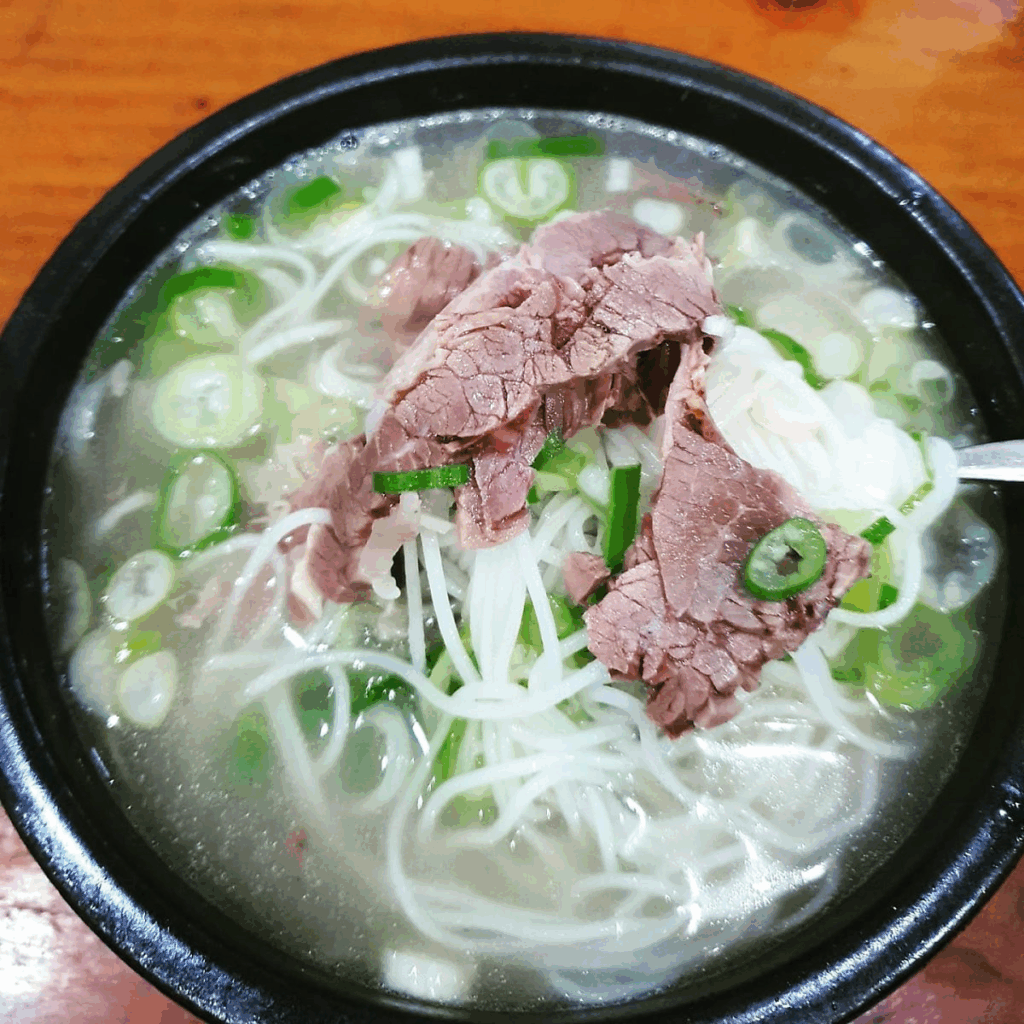
Seolleongtang is a dish made by simmering ox bones, head, internal organs, and various cuts of meat for hours to create a rich, milky-white broth into which rice is added. The color of the soup is generally opaque white, and its taste varies subtly depending on the region and how each restaurant prepares it.
The Origin of Seolleongtang
It is believed that seolleongtang originated during the Joseon Dynasty. According to legend, after the king held the Seonnongje (先農祭)—a ritual to pray for a good harvest with his officials—an entire ox was boiled in a large pot and served at a feast. Over time, the dish evolved from “Seonnong-tang (Seonnong + soup)” to today’s “Seolleongtang.”
While there may be discrepancies from official historical records, what’s certain is that seolleongtang has long been a staple among the general populace. Back in difficult times, simmering a whole cow to extract every bit of nutrition into a single bowl of soup with rice made for a nutritious and satisfying meal.
Flavor Profile and How to Enjoy
Though the broth of seolleongtang is cloudy, its taste is clean and not overly rich. Depending on the ratio of bones, offal, and simmering time, the umami flavor can vary from place to place.
Since seolleongtang is typically served without much seasoning, it is customary to adjust the flavor at the table with salt, pepper, and chopped green onions to your liking. Pairing it with side dishes like kkakdugi (radish kimchi) or napa cabbage kimchi enhances the experience. There’s nothing quite like that first spoonful of hot soup served in a stone bowl, followed by the savory depth of flavor that seeps out the longer you chew—it’s the true charm of seolleongtang.
2) Gamjatang: Hearty Flavor Clinging to the Bone
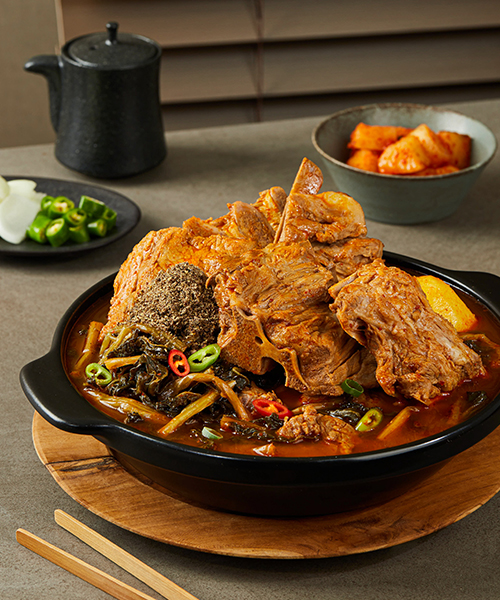
Despite its name, gamjatang doesn’t get its name from potatoes. Rather, its main ingredient is pork spine. Potatoes, spicy seasonings, and hearty greens are added and slow-cooked into a flavorful stew. When poured over rice, it becomes a satisfying gukbap that warms both body and soul. Depending on the region and preparation, it’s also known as “bone hangover soup” or “bone stew.”
The Name “Gamjatang” – Where It Comes From
There are several theories regarding the origin of the name “gamjatang.” One suggests that pork spine was colloquially referred to as “gamja bones,” while another attributes the name to the addition of large chunks of potato to the broth. During cooking, potatoes release starch, thickening the soup naturally and enhancing the richness of the pork-based broth.
Spicy and Deeply Savory
Gamjatang is spicy, savory, and often chosen as a hangover cure. The deep broth made from pork spine, layered with napa cabbage leaves, perilla leaves, and other greens, adds a rustic earthiness.
The joy of gamjatang comes from stripping the meat from the bone and mixing the remaining broth with rice for a final, spicy spoonful. Some restaurants even offer fried rice made with the leftover broth at the end of a meal—a bonus treat that’s hard to resist no matter how full you are.
3) Dwaeji-gukbap: A Hearty Pride of Busan and Gyeongsangnam-do
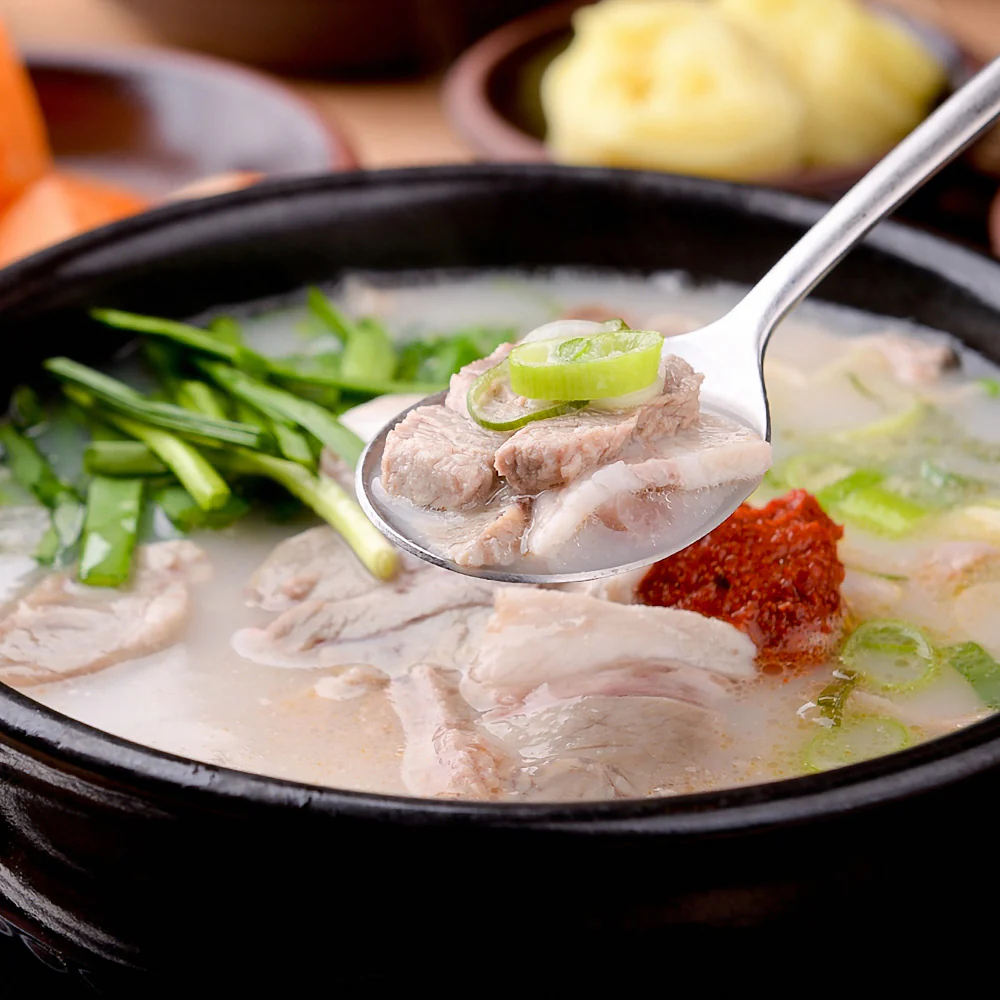
Dwaeji-gukbap (pork soup with rice) is a beloved local dish in the southeastern regions of Busan and Gyeongnam. Made by simmering pork bones and leg bones into a thick stock, then generously topping it with sliced boiled pork and rice, it is considered a nourishing go-to meal by locals. Many even say, “One bowl of dwaeji-gukbap powers me through the whole day.”
Regional Variations
Even within Busan and Gyeongnam, preparation and taste differ by eatery. Some offer a milky-white bone broth, while others prefer a clearer, lighter soup. Some places mix in seasonings from the kitchen; others provide a condiment tray at the table so guests can customize the taste. A blend of green onion, chives, garlic, chili flakes, and a spicy sauce enhances the dish’s depth and complexity dramatically.
A Warm and Satisfying Meal
As its name suggests, dwaeji-gukbap doesn’t skimp on pork, offering a protein-rich and filling meal in a single bowl. To remove the odor associated with pork, ingredients like garlic, soybean paste, ginger, and even a splash of soju are added during the cooking process. This creates tender meat packed with flavor.
When enjoying this dish, it’s recommended to pair it with kkakdugi or napa cabbage kimchi. A touch of saeujeot (fermented shrimp) added to the bowl might seem unexpected, but it perfectly complements the porky broth, further enriching its flavor.
4) Tips for Enjoying Each Gukbap
These three gukbap varieties are beloved everyday meals in Korea, each with distinct character and flavor. For travelers, sampling all three and comparing their differences can be a deeply rewarding culinary experience. Here are a few tips to enhance your enjoyment:
- Side Dishes: Essential flavor enhancers include kimchi, kkakdugi, saeujeot (fermented shrimp), chopped scallions, and spicy sauces. Since the broth is usually mild, feel free to season it to your preference at the table.
- Best Timing: Though soups may seem like cold-weather or hangover food, Koreans enjoy gukbap year-round. Still, it can be especially comforting during rainy days, late nights, or when you’re feeling peckish.
- Local Specialties: While you can find decent gukbap in Seoul, specialty spots in their respective regions offer deeper, more authentic flavors. Try dwaeji-gukbap in Busan or Gyeongnam, visit a longstanding seolleongtang restaurant in Seoul, or explore gamjatang-focused eateries around the capital.
Conclusion: The Warmth of Korea’s Top 3 Gukbaps
Each bowl of gukbap carries deep meaning. It offers comfort to the working class, nourishment after a hard day’s toil, and a strong sense of regional food identity passed down through generations.
Whether it’s seolleongtang, gamjatang, or dwaeji-gukbap, each soup has a distinct flavor and history. What they share in common is the heartwarming, soul-satisfying experience they offer in a single bowl. For anyone traveling in Korea, trying all three and discovering your personal favorite is a journey worth taking. With each steaming spoonful, you’ll not only savor the flavor—but also feel the emotional depth of Korean cuisine at its finest.
K-Name Studio: Create your perfect Korean name based on your personality and style.
What’s My K-Beauty Personal Color?
WeBring Service : Provides personalized services to foreigners living in Korea
Exclusive offer: Introducing foreign car rental in Korea, WeBring-SoCar
- Traditional Korean Kimchi Types: A Complete Guide
- Busan Travel Itinerary: A Complete 1-Day-2-Night Guide to Tradition and Modern Coast
- Explore Korean Regional Cuisine: A Food Tour Across Korea
- Jeonju Bibimbap Makgeolli Food Tour Guide: Alleys, Old Shops, 1N2D Course
Last updated: 22 September 2026
Prices, opening hours and transport schedules change with the season and the operator. Check the official channel again before you go.
WeBring operates its own Korea tour and vehicle services. The following is a promotion for that service.
Explore Korea's mountains — guides in your language
Courses, transport and seasonal tips for 30 mountains, from Bukhansan to Hallasan, available in 11 languages. Pick up essential travel Korean and find events for the global community, too.


