
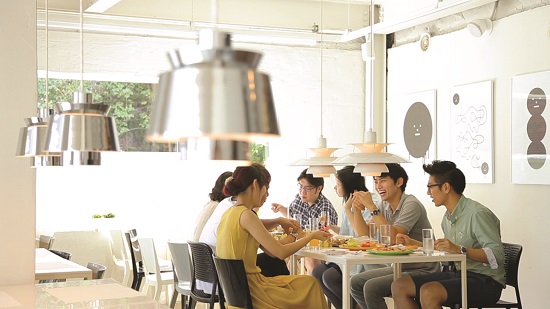

Traveling often ends as simply touring and sightseeing. However, if you get the chance to interact with locals, taste their culture, and exchange unique stories, your journey will become far more enriching. In line with this growing trend, experiences like “social dining” and “local cooking classes” are gaining popularity. The act of cooking and sharing delicious meals naturally leads to conversations and bonding, offering a deeper understanding of the local food culture. In this post, we’ll explore what makes social dining and cooking classes so special, and how you can take part in them.
Social dining literally means “a gathering where people connect over a meal.” It’s common for strangers to come together, introduce themselves, and enjoy a meal while chatting in a relaxed setting. Sometimes the host will open up their home, while other times the event is held in a shared kitchen space where participants cook together. These gatherings often go beyond one-time encounters and create opportunities for genuine friendships — locals and travelers mingling in a pleasant, inclusive atmosphere.
Although food is the medium, the real essence of social dining lies in “building human connections.” For foreign travelers, it becomes a precious chance to enjoy authentic Korean home-cooked meals. For the host, it’s a joyful experience to share their culture through conversation. Even with language barriers, the food on the table and shared laughter act as a bridge. As people share their favorite dishes or travel stories, the initial awkwardness fades away, and meaningful connections start to blossom.
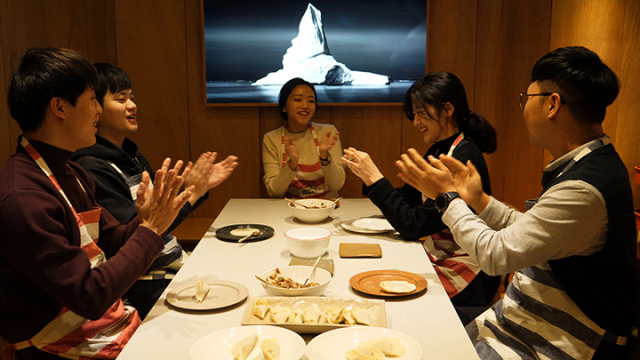
Cooking Classes: Creating Local Dishes Together
Cooking classes are similar to social dining but place more emphasis on the process of “cooking together.” For example, participants may cook traditional Korean dishes like bulgogi or bibimbap under the guidance of a host or chef, learning about ingredients, recipes, and tips along the way. Some experiences even start with a visit to a local market to purchase fresh ingredients, ending with everyone sitting down together to enjoy the meal they’ve prepared.
There are many advantages to this kind of experience. Conversation flows naturally while chopping vegetables or marinating ingredients. Participants often exchange personal tastes, compare seasoning styles between countries, and share cooking stories. The satisfaction of enjoying food you’ve cooked with your own hands lingers longer compared to just eating a pre-made dish. Food, in this context, becomes not just a way to fill your stomach, but a rich means of sharing emotions and culture.
Where to Find Them: Platforms and Local Communities
If you’re interested in participating in social dining or cooking classes, it’s now easier than ever thanks to online platforms and social networks. Popular travel communities, local experience booking platforms, or Facebook groups run by residents frequently post event details. Some cities have well-developed expat communities, where locals and foreign residents often gather and even invite travelers to join them.
In major Korean cities like Seoul, Busan, or Jeju, many cooking classes and social dining events offer English support, making it easy for non-Korean speakers to join. If your travel schedule allows, try booking one of these experiences in advance. Look into details like time, location, and theme — whether it’s a traditional home-cooked meal, a night market tour followed by cooking, vegetarian dishes, or dessert classes — and pick one that suits your interests best.
What to Expect: Scenes and Joyful Conversations
When invited to a social dining experience, you might walk into a cozy home where the host greets you warmly and a bubbling pot of doenjang-jjigae (soybean paste stew) is brewing in the kitchen. There may be a hint of initial awkwardness, but the aroma of food quickly puts everyone at ease. Simple questions like “Where are you from?” or “What kind of food do you like?” soon evolve into talks about daily life, travel plans, or hobbies. Conversations about K-dramas or K-pop often spark even more laughter and bonding moments.
In cooking classes, teamwork naturally develops when preparing ingredients or seasoning dishes. As you clean scallions or add spoonfuls of gochujang (red chili paste), people often exchange stories about their national cuisine or family food traditions. When the kimchi stew turns out just right, cheers erupt. If something’s too salty or bland, everyone laughs while adjusting the seasoning together. These experiences often lead to surprisingly deep exchanges and help participants understand cultural differences through food.
A Memory Beyond Travel
Relationships built through social dining and cooking classes can last much longer than expected. Even after the trip ends, many stay connected through social media and make plans to reunite in another country. A single meal can turn into a lasting bond and serve as a cultural bridge — that’s the unique power of shared culinary experiences. On top of that, such gatherings are an excellent way to receive useful local tips from residents. You might learn about hidden gems or local events, transforming an average itinerary into something truly special.
For foreigners, it’s a chance to dive deeper into Korean culture. For Koreans acting as hosts, it’s a source of pride and joy to introduce traditional dishes. When both sides show curiosity and respect, the brief moment shared over food truly sparkles like magic.
In Conclusion: Friendships Born Over Food
Social dining and cooking classes open the door to the heart through the act of making and sharing food. Unlike flashy media or museum exhibits, they offer a hands-on opportunity to feel the warmth of Korean cuisine and the human connection it brings. Realizing that even with different backgrounds and nationalities, people can become friends over a delicious meal, reminds us how diverse and kind the world can be.
Even if your travel itinerary is full, consider setting aside a day or even half a day to join a social dining gathering or a cooking class. Amid unfamiliar ingredients and the warm hospitality of new acquaintances, you’ll gain a firsthand encounter with Korean food culture and leave with unforgettable memories and a smile on your face. Ultimately, these experiences bring to life the idea that “food is a universal language that transcends borders and words.”
K-Name Studio: Create your perfect Korean name based on your personality and style.
What’s My K-Beauty Personal Color?
WeBring Service : Provides personalized services to foreigners living in Korea
Exclusive offer: Introducing foreign car rental in Korea, WeBring-SoCar
- Korean Cooking Class Guide: Kimchi, Bibimbap, Bulgogi Workshops in Seoul, Busan, Jeonju
- K-Food Cooking Class: The Joy of Korean Food, Learning Through Experience
- Temple Cuisine: Discover the Healthy Secrets of Korean Buddhist Food
- Korean Vegetarian Food Guide: Temple Cuisine, Vegan Restaurants, and How to Eat Plant-Based in Korea
- Low-budget travel Korea: Tips and routes
Last updated: 7 October 2026
Rules, fees and procedures can change over time. Before an important decision, check the latest guidance from the relevant authority.
WeBring operates its own services for foreign residents in Korea. The following is a promotion for those services.
Living in Korea? You don't have to figure it out alone
Insurance, visas, jobs and hospital interpretation — WeBring supports every step of settling in Korea, in your language.


