

Korean Workplace Culture for Foreigners: A Complete Guide to Hierarchy, Hoesik, and Titles

One of the most unfamiliar things for a foreigner joining a Korean company for the first time is Korean workplace culture for foreigners. Hierarchy (top-down structure), hoesik (team dinner culture), and titles like “Gwajang-nim” or “Daeri-nim” differ from Western flat cultures, which can cause culture shock. But understanding this culture in advance lets you quickly build trust and form teamwork in a Korean workplace.
The Core of Korean Workplace Culture for Foreigners: Hierarchy and Top-Down Structure
Why Hierarchical Culture Remains
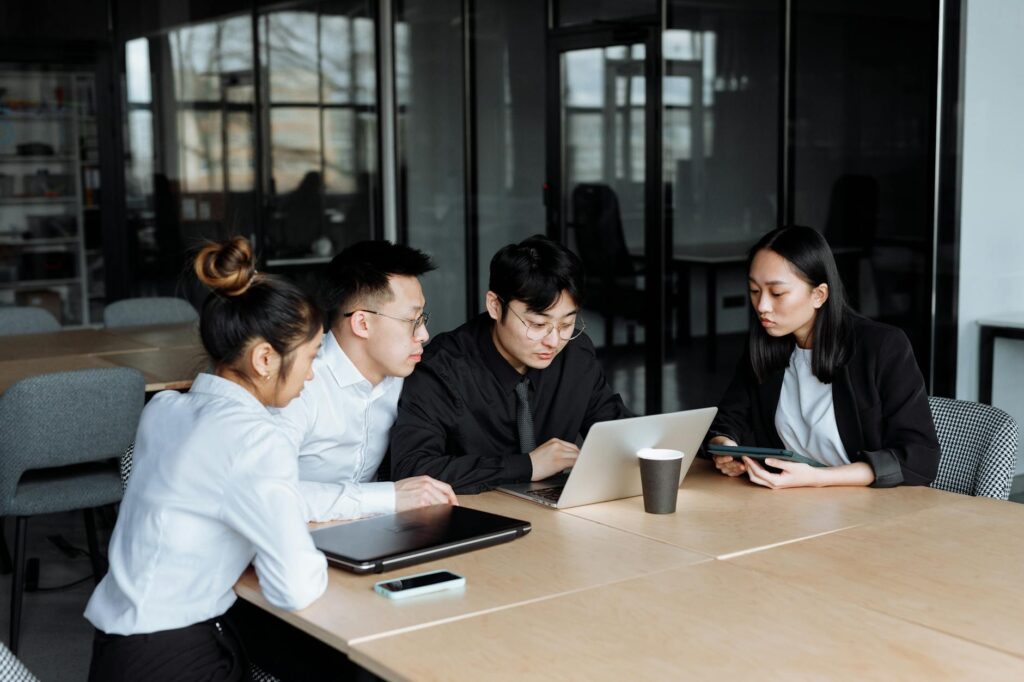
Korea has a strong tendency to value hierarchical relationships within organizations due to Confucian tradition and military service culture. A structure where subordinates follow their superior’s instructions is common, and senior opinions carry significant weight even in meetings. Recently, startups and global companies are adopting flat structures, but hierarchical culture still remains in mid-sized and large corporations.
How to Use Titles: Position + “nim” is the Basic Rule
In Korean workplaces, people are addressed by their position + “nim,” such as “Kim Daeri-nim,” “Park Gwajang-nim,” or “Lee Bujang-nim.” This differs from the first-name culture in English-speaking countries and can feel unfamiliar to foreigners, but this is the basic etiquette in Korean organizations. Even if a superior says “Feel free to call me casually,” it is safer to maintain the formal title in official settings. You can find more details at the Korea Tourism Organization.
Korean Workplace Etiquette Adaptation Tips for Foreigners

Expressing Opinions: Indirect Expressions Are Key
Even with hierarchical culture, you don’t need to stay completely silent. However, blunt opposing opinions can feel unpleasant to superiors or colleagues. Using indirect expressions like “I’d like to suggest a different approach. Would you mind reviewing it?” is effective for presenting your opinion. In Korean workplace culture, foreigners need a respectful tone to build trust.
Reporting Style: Give Frequent Interim Updates
In Korean workplaces, if you handle work independently and only report the result, superiors may complain “Why didn’t you report?” Sharing brief progress updates frequently aligns with the expectations of Korean workplace culture. It may feel cumbersome at first, but once you adapt it helps with teamwork formation.
Korean Hoesik Culture: A Participation Guide for Foreigners

How Much Should You Participate in Hoesik?
Team-level hoesik (after-work dinners) is a common culture in Korean workplaces. Attendance used to be almost mandatory, but recently the atmosphere has shifted toward respecting personal time. Even so, if you keep missing important team gatherings, you may have difficulty forming a sense of belonging. It’s good to attend the first few times to build internal relationships.
It’s Okay If You Can’t Drink
If you can’t drink or have cultural reasons against alcohol, most people will understand if you politely say “I can’t drink for health reasons.” What matters is being present at the gathering. The “2cha and 3cha” culture of moving to cafes or noraebang (karaoke) after dinner doesn’t require following everyone, but experiencing it once in the early stages helps build relationships. Preparing your financial and overseas remittance management alongside work life also makes daily living more convenient.
Senior-Junior Relationships and Conflict Prevention
Seniority Based on Year of Joining
In Korean organizations, senior-junior relationships are formed by year of joining or age. Even with the same job rank, those who joined earlier often take on the senior role. Seniors guide and advise juniors, and juniors express gratitude and politeness. It may feel ambiguous to foreigners, but once you get used to it, it helps with smooth collaboration.
How to Handle Conflicts When They Arise
You can prevent conflicts by clearly agreeing on work processes and reporting methods from the start. When conflicts occur, it is wise to seek advice from a trusted colleague or HR representative rather than confronting the issue directly. To avoid being misunderstood in Korean workplace culture, foreigners need active communication as the most effective solution. Combined with work life, understanding Korean workplace hierarchy culture more deeply will speed up your adaptation.
Key Summary: Korean Workplace Culture for Foreigners
The core of Korean workplace culture is respecting hierarchical structure, following title etiquette, actively giving interim reports, and flexibly participating in hoesik culture. You don’t need to fully assimilate, but if you maintain basic courtesy and communicate with team members, foreigners can have a successful Korean work life. Even if it feels unfamiliar at first, adapting one step at a time will let you experience the strong teamwork of Korean organizational culture.
K-Name Studio: Create your perfect Korean name based on your personality and style.
What’s My K-Beauty Personal Color?
WeBring Service : Provides personalized services to foreigners living in Korea
Exclusive offer: Introducing foreign car rental in Korea, WeBring-SoCar
- Korean Workplace Hierarchy and Organizational Culture: A Foreigner’s Adaptation Guide
- Understanding Korean Corporate Culture: Hoeshik and Team Titles
- Korean Workplace Communication: Honorifics, KakaoTalk, Meeting Rules for Foreigners
- Korean Workplace Email Etiquette: A Complete Guide for Foreigners
Last updated: 22 September 2026
Rules, fees and procedures can change over time. Before an important decision, check the latest guidance from the relevant authority.
WeBring operates its own services for foreign residents in Korea. The following is a promotion for those services.
Living in Korea? You don't have to figure it out alone
Insurance, visas, jobs and hospital interpretation — WeBring supports every step of settling in Korea, in your language.