


Living in Korea long term is a completely different experience from visiting as a tourist. Travelers see the pretty side while long-term residents navigate daily systems, paperwork, and unwritten social rules. Even in the same Seoul neighborhood, tourist mode and resident mode operate under entirely different playbooks.
Today we break down 20 key differences that foreigners living in Korea long term genuinely relate to. Along the way, we include practical survival tips you can apply right away.
Living in Korea Long Term: The One-Line Summary
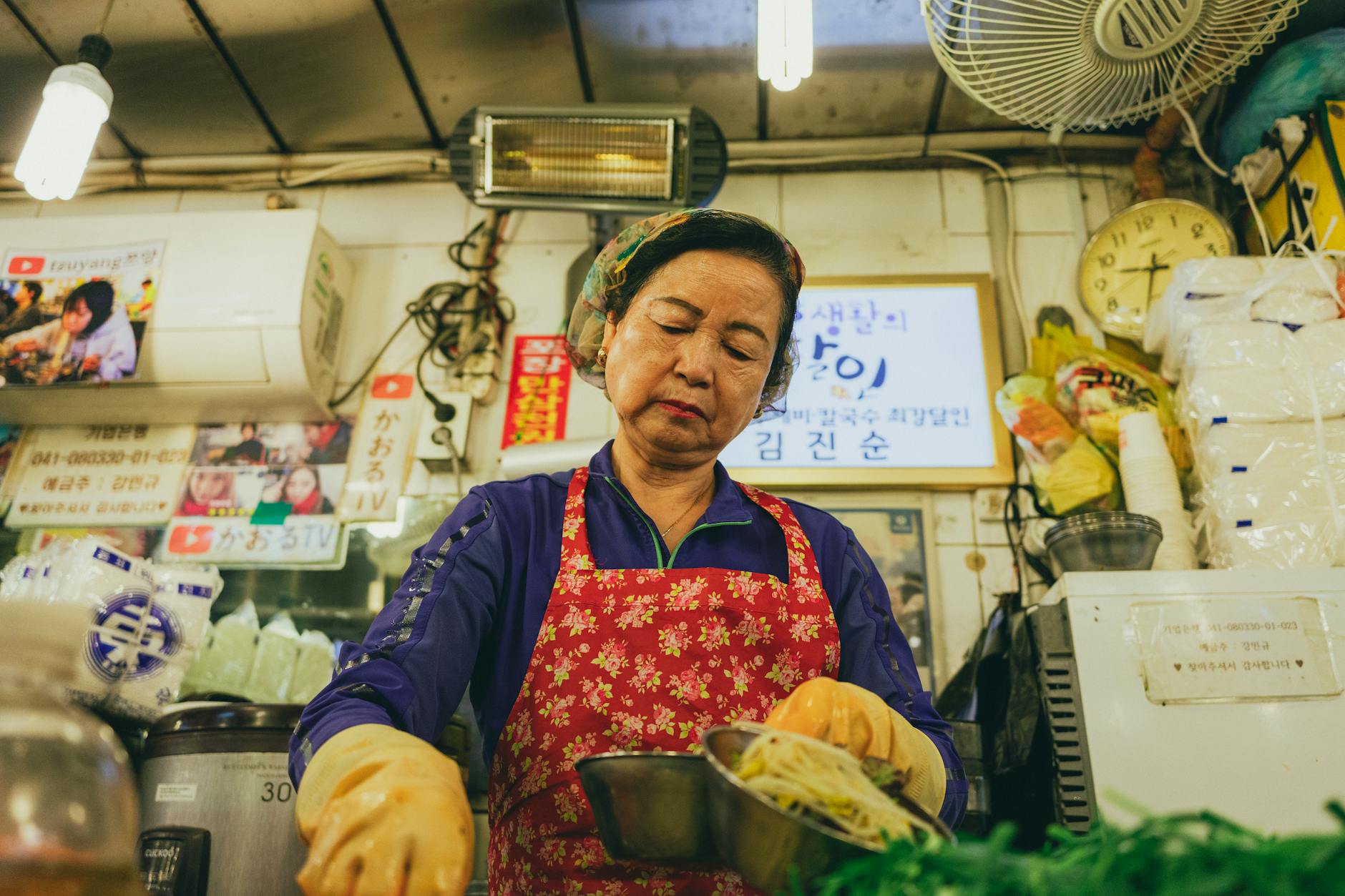
Travel is an experience. Living in Korea long term is a game of adapting to systems: administration, contracts, and rules. For related reading, check out our Bukchon Hanok Village Quiet Walk Guide.
Living in Korea Long Term 1: Your Residence Card Matters More Than Your Passport
Tourists only need a passport, but when you are living in Korea long term, your Alien Registration Card (ARC) becomes your primary ID. If you plan to stay beyond 90 days, registration at immigration is your first critical task. (Study in Korea) See also our Namsan Tower Loop Trail Guide for a great way to explore Seoul while settling in.
Resident tip: The number one reason things get stuck in daily life is usually an identity number or verification issue.
Living in Korea Long Term 2: Arrival Is Not the End, Registration Is the Beginning
Foreigners staying more than 90 days must register within 90 days of arrival. (Study in Korea)
Tourist mode: Clear customs and you are done. Resident mode: Clear customs and your to-do list begins (book appointments, prepare documents).
Living in Korea Long Term 3: Moving Means Filing a Report, Not Just Packing Boxes
Tourists switch hotels freely, but residents must file an address change report within 15 days of moving. (Study in Korea)
Resident tip: Add address change report to your moving checklist alongside landlord and utility transfers. Related: Foreign National Residence Change Report Guide.
Living in Korea Long Term 4: Visa Expiry Becomes a Life Risk, Not a Travel Date
For tourists, the return flight is the deadline. When living in Korea long term, your visa expiry date is the deadline that governs your entire life. Apply for extensions before expiry. (Study in Korea) Be sure to read our Korea Overstay Urgent Guide as well.
Living in Korea Long Term 5: Who Do You Call? 1345, 120, and 1330
- Visa/Immigration: 1345 (Immigration Contact Center) – weekdays 09:00-22:00, multilingual after 18:00 (Immigration Office)
- Seoul daily life help: 120 Dasan Call (foreign language) – 02-120 + ARS 9, weekdays 09:00-18:00 (120dasan.or.kr)
- Tourism help: 1330 Travel Hotline (phone/chat) – dial 1330 or +82-2-1330 from abroad (VISITKOREA)
Living in Korea Long Term 6: Your Home Is a Contract, Not a Hotel Room

Tourists check in and check out. When living in Korea long term, you deal with lease agreements, special clauses, maintenance responsibilities, move-out cleaning, and early termination penalties. Our Korean Housing Types Guide will help you understand the options.
Resident tip: Always photograph the special clauses in your lease. They become the reference point in any dispute.
Living in Korea Long Term 7: The Jeonse System Becomes Your Reality
Jeonse is a uniquely Korean rental system where you pay a large lump-sum deposit instead of monthly rent and get it back when the lease ends. (weave-living.com)
Tourist mode: Accommodation cost = per night. Resident mode: Deposit = life savings level.
Living in Korea Long Term 8: Maintenance Fees Are Scarier Than Rent
On top of rent, Korean apartments often charge monthly maintenance fees (gwanlibi) covering shared electricity, cleaning, elevator, security, and heating. Your actual monthly spend can be significantly higher than the rent alone.
Resident tip: Three questions to ask when viewing an apartment: What is the average maintenance fee? Is heating individual or central? What is included (water, internet)?
Living in Korea Long Term 9: Healthcare Is a System, Not Just a Hospital Visit
According to NHIS, foreigners staying more than 6 months may be required to enroll in National Health Insurance, depending on visa type and eligibility. (NHIS) For cost details, see our Korea Hospital Cost for Foreigners Guide.
Living in Korea Long Term 10: You Need Your ARC to Get a Phone and Bank Account
Your ARC is required to open a bank account, buy a phone plan, sign a lease, and work legally. (whic.mofa.go.kr) See our Open Bank Account Korea Foreigner Checklist.
Living in Korea Long Term 11: Trash Disposal Has Rules, Schedules, and Designated Bags
Korea has strict waste sorting rules that vary by district. Some areas require designated bags for general waste and separate systems for food waste (bags or RFID bins). (ddm.go.kr)
Resident tip: After moving in, ask your building manager three things: Where to buy trash bags, how to dispose of food waste, and which days and times to put out garbage.
Living in Korea Long Term 12: Convenience Stores Become Life Support Centers
As a tourist, convenience stores mean snacks. As a resident, they become your package pickup, returns desk, quick meal spot, and bill payment center all in one.
Living in Korea Long Term 13: Delivery Goes From Fun to Routine
Korea’s lightning-fast delivery is exciting at first, but as a resident you also learn to write your address in Korean, manage building access codes for couriers, and handle packages when you are not home (security desk, parcel lockers).
Living in Korea Long Term 14: You Optimize for Life Routes, Not Tourist Routes
Tourists plan around attractions. Residents plan around home-subway-grocery store-gym-hospital-district office efficiency. Our Korea Transportation Guide helps you design the most efficient daily commute.
Living in Korea Long Term 15: Cafes Become Your Office, Not Just a Break
Korea’s cafe culture is as much about workspace and study space as it is about coffee. Many residents use cafes as their remote office or meeting room throughout the week.
Living in Korea Long Term 16: Making Friends Requires Regular Meetups
Travel friendships happen by chance. Living in Korea long term means friendships are built through repeated contact: clubs, language exchange, volunteering, running groups, and other regular activities.
Living in Korea Long Term 17: Plans Are Precise, Not Spontaneous
Tourist life thrives on spontaneity. Resident life runs on specific times, places, and confirmations. When? What time? Where? These get locked in fast.
Living in Korea Long Term 18: Dating Becomes a Cultural Negotiation
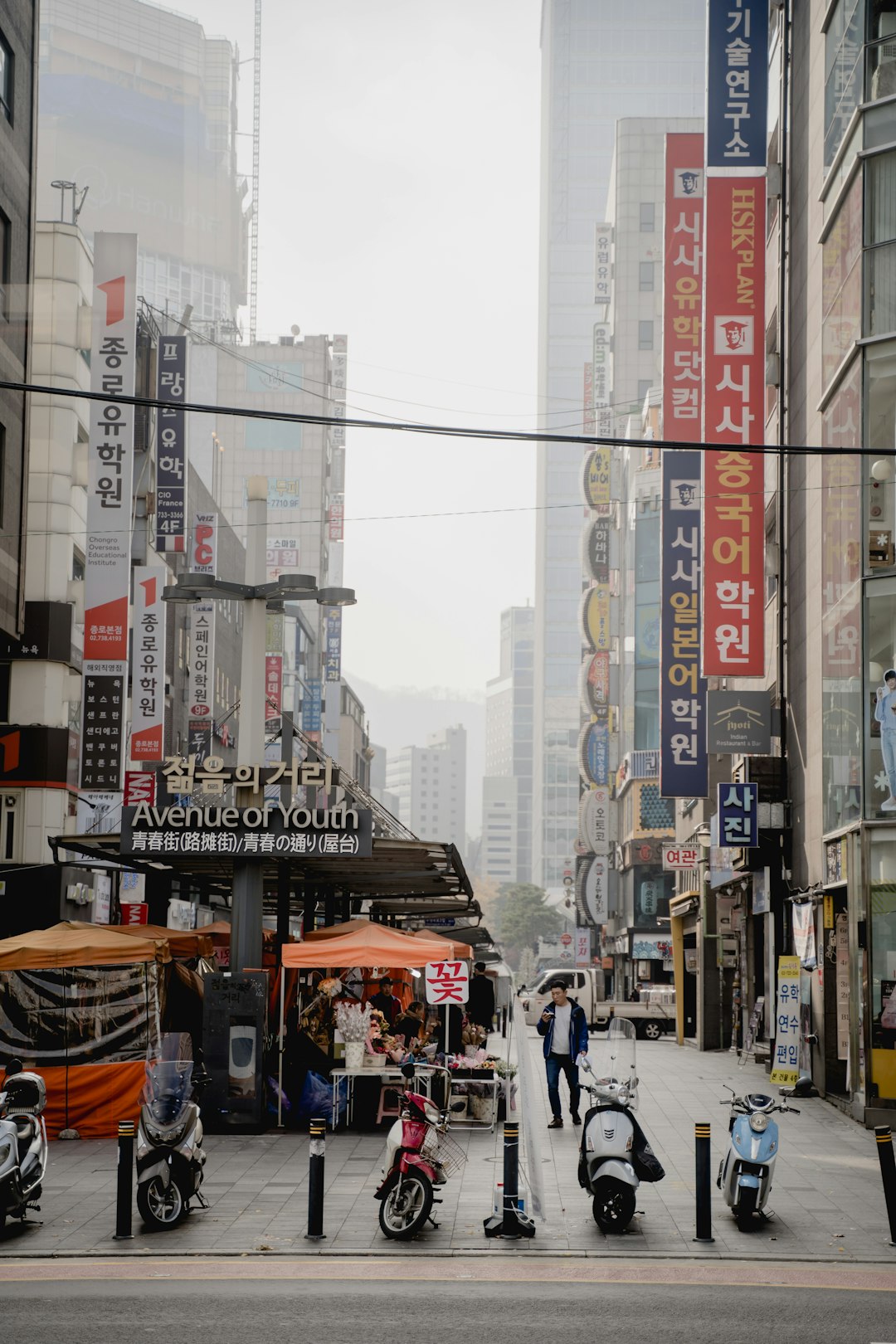
Romantic relationships are where cultural differences hit hardest. Messaging frequency, relationship labels, anniversary culture, and who pays for what all have different default settings that can cause misunderstandings if you are not aware of them.
Living in Korea Long Term 19: Korean Shifts From Travel Phrases to Legal Documents
Tourists survive on basic phrases. Residents encounter lease agreements, building notices, hospital intake forms, and government documents that demand a much higher reading level.
Resident tip: Photograph documents and use translation apps. Combine that with official helplines like 120 and 1345 for a powerful support system. (120dasan.or.kr) Also check out 15 Essential Apps for Foreigners in Korea.
Living in Korea Long Term 20: The Biggest Difference Is Settling In vs. Passing Through
At some point, every long-term resident thinks: I came because I love Korea, so why is it hard sometimes? It is not that Korea is strange. It is that you have graduated from tourist dopamine to the reality of daily life with contracts, rules, and relationships.
Living in Korea Long Term Bonus: 30-Day Settlement Checklist
Days 0-7
- Get a Korean phone number
- Confirm your address (able to receive mail)
Days 7-14
- Book immigration appointment and prepare documents (Study in Korea)
- Save emergency contacts: 1345 / 120 / 1330 (Immigration Office)
Days 14-30
- Set up banking, mobile, and housing infrastructure (whic.mofa.go.kr)
- Learn your area’s trash disposal rules (ddm.go.kr)
Living in Korea Long Term: Frequently Asked Questions
Q1. Do I have to register if I stay in Korea more than 90 days?
Yes. Government guidance (Study in Korea) states that foreigners planning to stay more than 90 days must register within 90 days of arrival. (Study in Korea)
Q2. Do I need to report an address change after moving?
Yes. After registering as a foreigner, you must file an address change report within 15 days of moving. (Study in Korea)
Q3. Are foreigners required to join National Health Insurance?
According to NHIS, foreigners who have stayed more than 6 months may be required to enroll, depending on visa type and eligibility. (NHIS)
Q4. Where do I call about visa or immigration issues?
The Immigration Contact Center at 1345 provides multilingual consultation. (Immigration Office)
Q5. Where can I get help with Seoul daily life in English?
The 120 Dasan Call Center offers foreign language assistance for daily life and administrative questions. Dial 02-120 then press 9 for foreign language service. (120dasan.or.kr)
Q6. Who do I contact for tourism help or lost items?
The Korea Tourism Organization’s 1330 Travel Hotline offers phone and live chat support. Dial 1330 within Korea or +82-2-1330 from abroad. (VISITKOREA)
Q7. Has the ARC issuance fee changed?
Yes. As of January 1, 2025, the ARC now includes an IC chip and the issuance fee increased from 30,000 KRW to 35,000 KRW. (Immigration Office)
Q8. Trash sorting is confusing. Where can I find the rules?
Rules vary by district. Check your district’s English-language website or ask your building management office. For example, Dongdaemun-gu provides English waste disposal guidelines on their official website. (ddm.go.kr)
K-Name Studio: Create your perfect Korean name based on your personality and style.
What’s My K-Beauty Personal Color?
WeBring Service : Provides personalized services to foreigners living in Korea
Exclusive offer: Introducing foreign car rental in Korea, WeBring-SoCar
- Long-term Living in Korea vs Travel: 20 Differences Long-Term Residents Agree On
- Tips for living in Korea: Understanding electricity, water, gas, heating, and garbage
- Korean recycling rules: bags, fines & district guide
- Korea Emergency Help Phrases — Foreigner Guide to Police, Hospital, Lost & Stolen (2026)
Last updated: 22 September 2026
Rules, fees and procedures can change over time. Before an important decision, check the latest guidance from the relevant authority.
WeBring operates its own services for foreign residents in Korea. The following is a promotion for those services.
Living in Korea? You don't have to figure it out alone
Insurance, visas, jobs and hospital interpretation — WeBring supports every step of settling in Korea, in your language.