
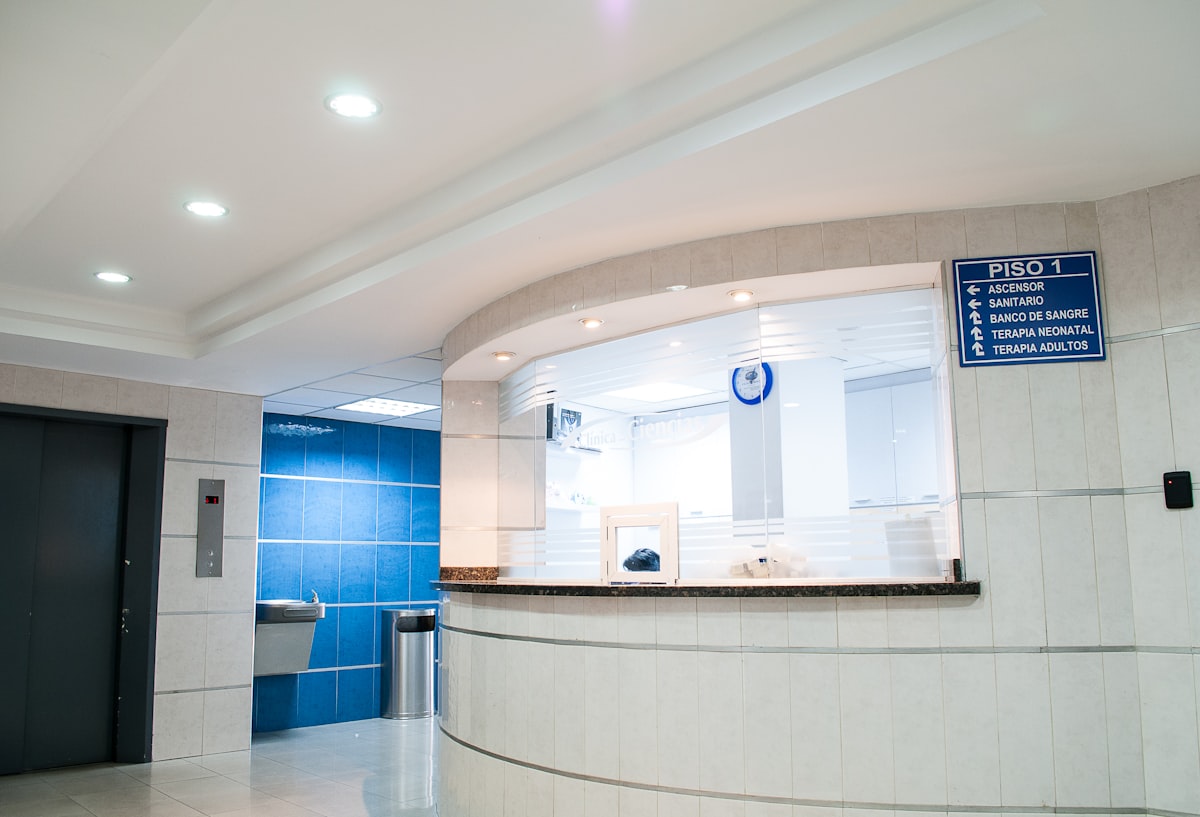

Korea hospital cost for foreigners can be a shocking surprise if you don’t have insurance. Here’s the bottom line upfront: without health insurance, you could pay 5 to 10 times more for the exact same treatment. If you’re living in Korea as a foreigner, health insurance isn’t a “nice-to-have” — it’s a necessity. This guide breaks down the real health risks you’ll face, actual Korea hospital cost comparisons, how to enroll in Korea’s National Health Insurance (NHIS), and when you need private insurance on top of it.
Korea Hospital Cost: Why Insurance Is Not Optional
Foreigners staying in Korea for six months or longer are legally required to enroll in the National Health Insurance Service (NHIS) under the National Health Insurance Act. If you skip enrollment, you’ll be stuck paying full price for every medical visit — and in an emergency, that could mean a bill of several million won. Here’s what you need to remember:
- 6+ months in Korea → NHIS enrollment is mandatory
- Hospital costs without insurance → 5 to 10 times higher than with NHIS
- One ER visit without insurance → easily 200,000–500,000 KRW or more (roughly $150–$380 USD)
Common Health Risks Foreigners Face in Korea

1. Minor Illnesses: Colds, Food Poisoning, Allergies
Korea’s extreme seasonal swings — from humid summers to freezing winters — catch many newcomers off guard. Colds are incredibly common during the transition months. Trying unfamiliar street food or spicy dishes can trigger food poisoning or allergic reactions. Pushing through symptoms and delaying a hospital visit only makes things worse — and more expensive.
2. Emergencies: Traffic Accidents, Injuries, Acute Conditions
Whether you’re riding a bicycle through Seoul traffic, hiking on a weekend trip, or skiing in Gangwon Province, accidents happen. Without insurance, a single ER visit starts at 200,000 KRW — and that’s for minor cases. If you need surgery or hospitalization, the Korea hospital cost for foreigners without coverage can reach millions of won in a matter of days.
3. Chronic Conditions and Dental Care
Managing diabetes, high blood pressure, or other chronic conditions in Korea means ongoing Korea hospital cost that add up fast. Dental care is especially tricky — insurance coverage for dental work is limited even with NHIS. If you don’t plan ahead, a single crown or implant can cost you 500,000–2,000,000 KRW out of pocket.
Korea Hospital Cost Breakdown: With Insurance vs. Without

The table below compares actual costs for treatments that foreigners commonly need. While Korea is known for affordable healthcare, the Korea hospital cost without insurance tells a completely different story.
| Treatment | With NHIS Insurance | Without Insurance |
|---|---|---|
| Cold / flu clinic visit | ~7,000 KRW (~$5) | 20,000–30,000 KRW (~$15–$23) |
| ER visit (minor) | 30,000–50,000 KRW (~$23–$38) | 200,000–500,000 KRW (~$150–$380) |
| Fracture treatment (with hospitalization) | 300,000–800,000 KRW (~$230–$610) | 1,500,000–4,000,000 KRW (~$1,150–$3,050) |
| MRI scan | 100,000–200,000 KRW (~$77–$153) | 500,000–800,000 KRW (~$380–$610) |
| Dental scaling | 10,000–20,000 KRW (1x/year covered) | 50,000–80,000 KRW (~$38–$61) |
| Appendectomy | 500,000–1,000,000 KRW (~$380–$760) | 3,000,000–5,000,000 KRW (~$2,290–$3,820) |
Key takeaway: NHIS covers roughly 70% of hospitalization costs and 60% of outpatient visit costs (per NHIS guidelines). Without insurance, you could pay up to 10 times more for the same treatment.
NHIS for Foreigners: Who Qualifies and How to Enroll

Who Must Enroll
You qualify for NHIS if you meet any of these conditions:
- Employed in Korea: Your employer enrolls you automatically from day one. Premiums are split 50/50 with your company.
- Resident for 6+ months: If you hold an Alien Registration Card (ARC) and have been in Korea for six months or longer, you must enroll as a community subscriber.
- International students: D-2 or D-4 visa holders must enroll after six months of residency.
How Much Does NHIS Cost?
- Employed foreigners: About 3.545% of your monthly salary (your employer pays the other half)
- Community subscribers: Based on income and assets — minimum around 150,000 KRW/month (~$115 USD)
- International students: Eligible for a 50% discount on community subscriber rates
3-Step Enrollment Process
- Visit your local NHIS office (or apply online at nhis.or.kr)
- Bring your documents: Alien Registration Card (ARC), passport, and proof of employment (for workers) or enrollment certificate (for students)
- Receive your insurance card: Usually arrives within 1–2 weeks after application
Struggling with Korean at the hospital? Check out our guide to hospital interpretation services in Korea so you’re prepared before you need care.
Is NHIS Enough? When You Need Private Insurance
What NHIS Doesn’t Cover
Korea’s national insurance is excellent, but it doesn’t cover everything. These items have limited or zero NHIS coverage:
- Non-covered items: Premium hospital rooms, elective procedures, some diagnostic tests
- Cosmetic dental work: Orthodontics, implants, teeth whitening
- Advanced cancer treatments: Certain non-covered chemotherapy drugs, proton therapy
- Comprehensive health checkups: Detailed screenings beyond the basic annual checkup
Recommended Private Insurance Options
- Silson (실손) insurance: Covers your NHIS copay plus non-covered items. Costs around 30,000–80,000 KRW/month (~$23–$61 USD). This is the most popular supplementary insurance in Korea.
- Foreigner-specific health plans: Companies like Meritz and DB Insurance offer packages designed specifically for expats.
- Student insurance: Many Korean universities offer group insurance plans. You can also extend your home country’s travel insurance.
It’s also smart to get personal liability insurance in Korea — it covers unexpected accidents in daily life and gives you extra peace of mind.
Korea Hospital Cost Without Insurance: Illustrative Estimates
Here are real-world scenarios that show why skipping insurance is a costly gamble:
- Scenario 1: Food poisoning → ER visit with IV drip + blood test + medication = 450,000 KRW billed (would have been ~50,000 KRW with NHIS)
- Scenario 2: Skiing fracture → 3-day hospitalization + surgery = 3,500,000 KRW billed (would have been ~700,000 KRW with NHIS)
- Scenario 3: Three dental fillings = 600,000 KRW billed (would have been ~150,000 KRW with NHIS)
Beyond the price shock, some hospitals require an upfront deposit before treatment or demand full payment at discharge if you don’t have insurance. For a foreigner in an unfamiliar system, this can be an incredibly stressful experience.
Reduce Your Korea Hospital Cost: 3-Step Action Plan

If you haven’t sorted out your insurance yet, here’s how to protect yourself from unexpected Korea hospital cost right now:
- Check your NHIS status: Call NHIS at 1577-1000 (English support available) and ask whether you’re already enrolled. If you’re employed in Korea, your company may have enrolled you automatically.
- Get your insurance card: If you’re not enrolled yet, visit your nearest NHIS branch or apply online at nhis.or.kr.
- Consider supplementary insurance: NHIS won’t cover everything. A silson (실손) plan at 30,000–80,000 KRW/month fills the gaps — covering copays and non-covered treatments that would otherwise come out of your pocket.
While you’re setting things up, make sure you also have the essential apps for foreigners in Korea installed on your phone — they’ll help you find nearby hospitals, call emergency services, and navigate the Korean healthcare system with ease.
Frequently Asked Questions
Is health insurance mandatory for foreigners in Korea?
Yes. All foreigners staying in Korea for six months or longer must enroll in NHIS (National Health Insurance Service). Employed foreigners are automatically enrolled through their employer. Others must register once they’ve been in Korea for six months. Without NHIS, you pay 100% of all medical costs yourself.
For employed foreigners, it’s about 3.545% of your salary (split 50/50 with your employer). Community subscribers pay based on income and assets, with a minimum of roughly 150,000 KRW per month (~$115 USD). International students may qualify for a 50% discount.
How much does a Korea hospital cost for an ER visit without insurance?
For a minor emergency, expect to pay 200,000–500,000 KRW (~$150–$380 USD). If you need surgery or hospitalization, the bill can easily climb into the millions of won. With NHIS, your out-of-pocket share drops to roughly 30–40% of the total cost.
Why the Emergency Room Costs So Much More
The same treatment costs considerably more in an emergency room, and not because the treatment itself is priced differently. Charges specific to the ER sit on top.
- The emergency medical care management fee — levied simply for using the ER. How much of it you carry depends on your triage result, and a non-urgent classification can leave you paying it in full.
- Night and holiday surcharges — applied to both consultation and medication costs.
- Bundled testing — ERs frequently run blood work and imaging together to rule causes out quickly.
- Triage order (KTAS) — patients are seen by severity, not arrival. A minor complaint means both a long wait and a larger share of the bill.
That makes a non-urgent ER visit at night or on a holiday the most expensive choice available. There are alternatives: Moonlight Children’s Hospitals for pediatric night care, neighborhood clinics that run evening and holiday hours, and services listing open pharmacies. For anything life-threatening or genuinely uncertain, go to the ER — but for a simple cold or minor pain, check these first.
If the health insurance premium is a burden, the answer is not going uninsured but reducing it inside the system. There are reductions people miss simply by not knowing.
- Workplace enrollment — if you are employed, this is often cheaper than regional enrollment. Confirm your employer actually filed it.
- Dependent registration — being added to a family member’s coverage is the cheapest route of all, with no premium. Check the requirements with NHIS.
- Student reduction — a premium reduction exists for students. It requires submitting an enrollment certificate and is not applied automatically.
- Voluntary continued enrollment — where leaving a job would sharply raise your regional premium, this holds it near the workplace level for a period. It has an application deadline.
Falling behind on premiums can restrict benefits and affect an extension of stay review. If paying is difficult, calling NHIS about installments or a reduction always beats simply not paying. The number is 1577-1000 and foreign-language support is available.
I got a large bill while uninsured. What now?
First check with NHIS whether you can acquire coverage now — acquisition dates sometimes fall before the treatment date, making retroactive application possible. Even if not, try two things before giving up.
One is asking the hospital’s billing office about installments; many allow it for large amounts. The other is a medical fee confirmation request, which reviews whether non-covered items were billed correctly. Some local governments and organizations also run medical cost support programs for foreign residents — ask your local foreigner support center.
The hospital asked for a deposit before treating me.
Some hospitals do ask uninsured foreign patients for a deposit. It is not unlawful and reflects bad-debt risk. What must not happen is necessary emergency care being refused because you cannot pay. In a life-threatening situation, ask for treatment first and settle the cost afterwards.
For planned treatment, ask about the expected cost and payment options when you book. Confirming that cards are accepted, or that installments are possible, prevents an awkward situation on the day.
K-Name Studio: Create your perfect Korean name based on your personality and style.
What’s My K-Beauty Personal Color?
WeBring Service : Provides personalized services to foreigners living in Korea
Exclusive offer: Introducing foreign car rental in Korea, WeBring-SoCar
- Student Insurance Korea: Medical, Dental & Hospital Guide
- NHIS for international students: A Complete Guide to Healthcare in Korea
- Korea Visa Insurance: Understanding Requirements for Foreigners
- Korean Healthcare System: 3 Things to Know When You Get Sick in Korea
- Dental Insurance Korea: Covered Procedures, Out-of-Pocket Costs, Implant Rules
Last updated: 7 October 2026
Rules, fees and procedures can change over time. Before an important decision, check the latest guidance from the relevant authority.
WeBring operates its own services for foreign residents in Korea. The following is a promotion for those services.
Living in Korea? You don't have to figure it out alone
Insurance, visas, jobs and hospital interpretation — WeBring supports every step of settling in Korea, in your language.