
The minimum wage is KRW 10,320 per hour for 2026 and the announced 2027 rate is KRW 10,700. Use the rate for the date worked. Your part-time permission determines the approved workplace, hours and conditions. Official guidance
The international student part-time work checklist is the first list any foreigner studying in Korea on a D-2 or D-4 visa should run through before taking on a side job. The basic rule is simple: get your permit first, stay under the weekly hour cap, and avoid prohibited industries. This guide walks through the part-time work permit (시간제취업 허가), allowed hours by visa, required documents, and the most common violation patterns — so you can start working legally without putting your visa at risk (as of January 2026; rules vary slightly by school and immigration office).
1) International Student Part-Time Work Checklist: 5-Minute Self-Audit
Before you go to a job interview, ask yourself the five questions below. If even one answer is “no” or “not sure,” you probably do not have a valid part-time work permit yet, and any violation can hurt your visa renewal or future re-entry.
- Is your current visa D-2 (bachelor’s, master’s, or doctoral) or D-4 (Korean language)?
- If you are a D-4 language trainee, have you met the six-month residence requirement? For D-2, check the conditions for your degree program and permission.
- Do you meet the TOPIK level or attendance requirement at your school?
- Are the actual role and workplace within your permitted scope? Some simple roles, such as restaurant assistance, can be allowed; do not assume every manual task is prohibited. Confirm the role with your university and immigration office.
- Have you applied for and received the part-time work permit (시간제취업 허가) from your immigration office or international affairs office?
These five lines form the backbone of the international student part-time work checklist. Everything else in this guide exists only to help you safely answer “yes” to step 5.
2) International Student Part-Time Work Hours by Visa
Allowed work hours vary by visa, education level, TOPIK grade, and whether classes are in session. Based on Korea Immigration Service guidance as of January 2026:
| Status | What to check |
|---|---|
| D-2 degree student | Weekday limits differ by degree level, Korean proficiency and accredited-university/grade conditions. |
| D-4 language trainee | Check the six-month residence rule and language criteria. Vacation does not mean unlimited work. |
| Weekends and vacation | Limits can remain when proficiency requirements are unmet or special extended-stay conditions apply. Night work is not a separate unlimited allowance. |
Use the weekday, weekend and vacation conditions written in your permission. Do not infer a 10- or 25-hour cap from year of study alone or add unlimited weekday night shifts. Build the work schedule from the school confirmation and immigration permission.
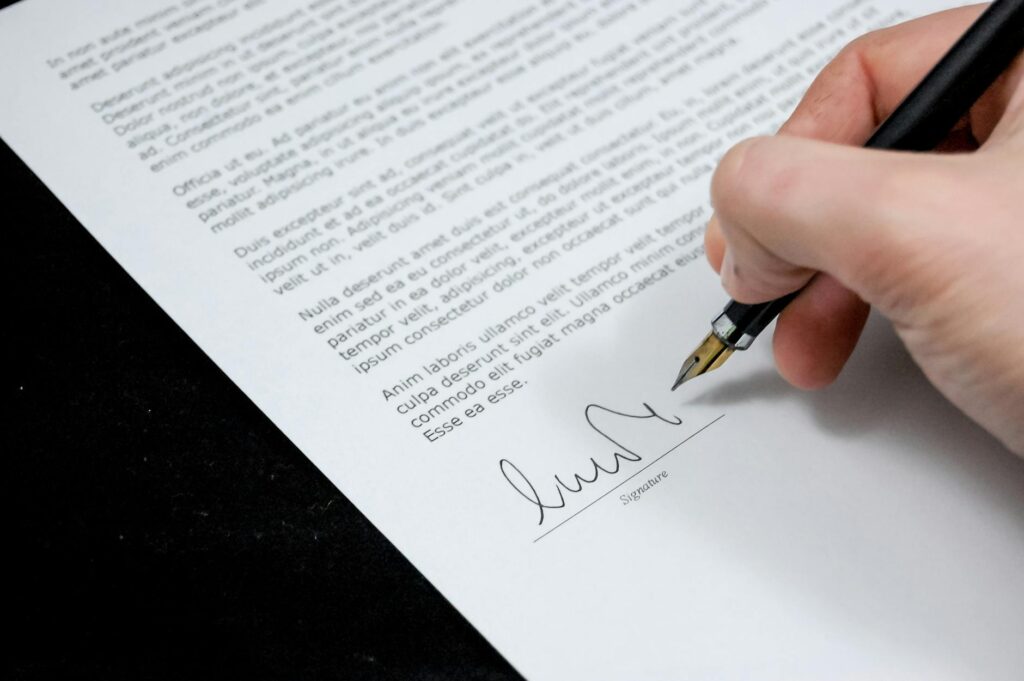
3) Required Documents for the Part-Time Work Permit
The permit (시간제취업 허가) is filed via HiKorea (www.hikorea.go.kr) with an in-person visit to your immigration office, or through your school’s coordination channel. The most commonly skipped step on the international student part-time work checklist is “apply before you start working.”
- Passport + Alien Registration Card (ARC), original and copy
- Part-time work permit application form (HiKorea template)
- Employer’s labor contract (specifying weekly hours, hourly wage, industry)
- Copy of the employer’s business registration certificate
- Confirmation from your academic advisor / international office, plus attendance, enrollment, and transcript records
- TOPIK score report (for D-4 or for grade-based hour bonuses)
- Application fee (electronic revenue stamp)
If your prospective employer says “I have never hired a foreign student before,” it is faster for you to walk in with the business registration copy and a draft labor contract ready. For broader administrative tips, see 15 services available at the community service center.
4) Prohibited Industries: Instant Visa Risk
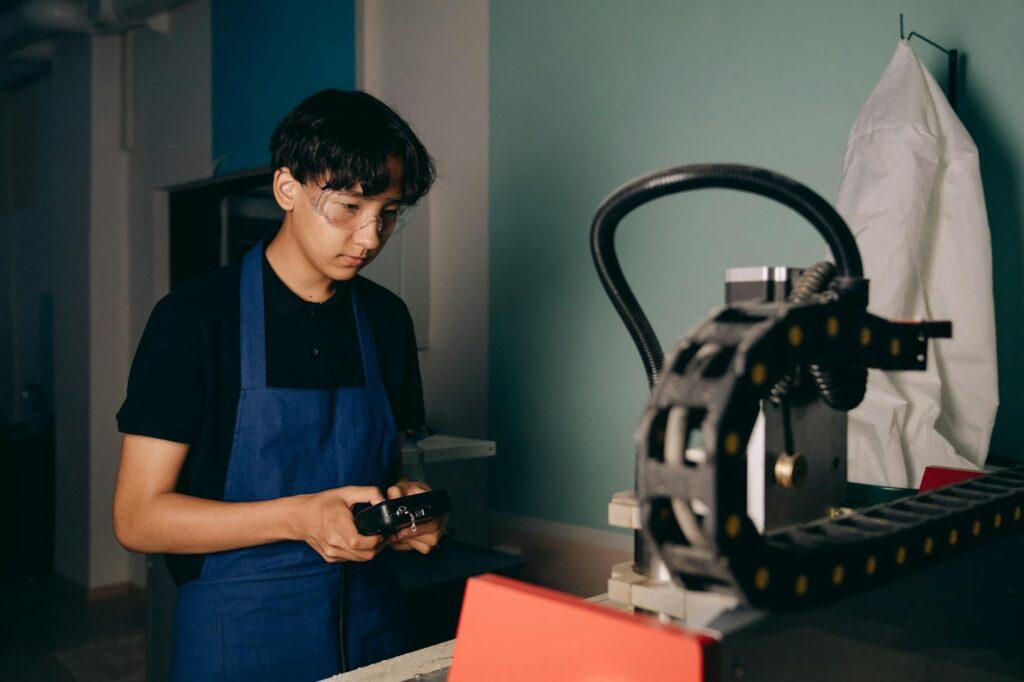
Even with a permit, some jobs are off-limits. This is where most violations on the international student part-time work checklist actually happen.
| Category | Examples | Allowed? |
|---|---|---|
| Adult entertainment | Hostess bars, karaoke bars with hostess service, massage parlors | Banned |
| Gambling / vice industries | Casino assistant, gambling halls, adult arcades | Banned |
| Manufacturing manual labor | Factory line work, warehouse sorting | Generally not allowed (separate permit needed) |
| Construction day labor | Daily construction site work | Generally not allowed |
| Academy instructor / translation / tutoring | Subject- or language-based jobs | Some allowed (extra permits and qualifications) |
| General service jobs | Cafes, restaurant floor, convenience stores, office support | Allowed (with permit) |
| Major-related internships | IT, research support, etc. | Allowed (with permit, within hour limits) |
Cash-only employers who refuse to enroll you in social insurance are a red flag. If the workplace is unregistered, your part-time work permit application will be blocked, and any work performed there is treated as “illegal employment.”
5) Interview & Contract Stage Checklist
Bring the seven items below into the interview, in Korean or in a Korean–English mix:
- “Are you aware that I need a part-time work permit?” (시간제취업 허가가 필요하다는 점을 알고 계신가요?)
- Can you provide a written labor contract specifying wage, hours, and industry?
- Can the schedule stay within my visa’s weekly hour cap?
- How are the four social insurances and income tax withholding handled?
- Will I be paid at or above the 2026 minimum wage (KRW 10,320 per hour)?
- Have you checked whether night, overtime or statutory-holiday premiums apply to this workplace and schedule? Working on a Saturday or Sunday does not by itself create the same premium in every case.
- When are final wages and any closing-day pay settled after I quit?
Employers who only say “let’s just try it first and figure it out later” are best avoided. For dispute channels, see Top 7 labor issues foreigners face in Korea.
6) Taxes and Health Insurance for Student Part-Time Workers
Side-job income earned in Korea still triggers tax and insurance obligations. The essentials:
- Income tax and local income tax are withheld monthly (per the simplified withholding table).
- If you work continuously at the same employer for a certain period, you become eligible for the four social insurances (national pension, health insurance, employment insurance, industrial accident insurance).
- International students may join NHIS as either a workplace insurer or a regional insurer (see Korean health insurance enrollment guide for foreigners).
- Working for less than one year does not guarantee a tax refund. Withholding, other income and deductions determine filing requirements and whether a refund or additional payment arises.
7) Violation Patterns and How to Recover
Knowing what gets caught helps you avoid the same mistake. The five most common patterns flagged by immigration:
- ① Working without a part-time work permit → visa renewal denial or departure recommendation
- ② Adding a second job at a different workplace without a separate permit → “unauthorized additional employment”
- ③ Going over weekly hour caps in term time (e.g. a year-1 or year-2 student exceeding 10 hours) → repeated violations stack penalties
- ④ Working in adult entertainment / vice industries → potential visa cancellation
- ⑤ Falling below attendance or GPA thresholds → loss of student status automatically invalidates your work permit
If you may have violated your permission, keep your work records and permission document and seek advice from your university or a qualified adviser. Voluntary disclosure does not guarantee a reduced penalty. The Foreigner Information Center, 1345, can explain immigration procedures.
8) International Student Part-Time Work Checklist FAQ
Q1. Can I start working right after enrolling?
Some D-2 students can apply immediately after enrollment, but work can start only after permission is issued. D-4 language trainees must check the six-month rule and other conditions. Use the individual permit for term-time and vacation limits.
Q2. Can I hold two part-time jobs at once?
Yes — but each workplace requires a separate permit, and your combined daytime hours must still respect the weekly cap. Working at a second site without a permit counts as unauthorized employment.
Q3. Are hour caps lifted during vacation?
Vacation does not automatically remove the limit for every D-2 student. Check proficiency, study status and any special extended-stay restrictions in your permission. D-4 trainees retain a vacation limit.
Q4. How long does the part-time work permit take?
Typically 1–3 weeks, depending on your immigration office and time of year. Applications spike at the start of each semester, so apply about four weeks before your intended start date.
Q5. Can I teach at an academy or do translation work?
Sometimes. Academy teaching usually requires a separate qualification (such as a native-speaker conversation instructor visa) or proper business registration. Translation and interpretation are reviewed more strictly than general part-time jobs and require contracts and registered businesses.
You may take home more in the short run, but you lose protection in wage disputes or workplace injuries, and unregistered employers usually cannot support a part-time work permit application either.
For the latest official guidance on visas and stay rules, check HiKorea directly. This guide is current as of January 2026; details may differ by school and local immigration office.
K-Name Studio: Create your perfect Korean name based on your personality and style.
What’s My K-Beauty Personal Color?
WeBring Service : Provides personalized services to foreigners living in Korea
Exclusive offer: Introducing foreign car rental in Korea, WeBring-SoCar
- Master the Teach English Korea E-2 Visa Process Your Ultimate Handbook
- Foreign Worker Employment Agreement: What You Need to Know
- Foreign Worker Labor Law: Essential Guide for Expats in Korea
- Mastering Your Stay and Part-Time Work with the Korea D-2 Visa
Last updated: 22 September 2026
Pay, working hours and what each residence status permits depend on your own contract and visa. This article is general guidance, not legal advice. If you are in a dispute, contact the Ministry of Employment and Labor helpline (1350).
WeBring operates its own job placement service. The following is a promotion for that service.
How employable are you in Korea? Find out in 2 minutes
Take the 7-question test and get your employment score with a personalized action plan for visas, resumes and interviews.