

International student stress management is a rite of passage almost every foreign student in Korea goes through in their first semester. Language barriers, homesickness, academic pressure, and visa paperwork pile up at the same time, and ordinary days start to feel overwhelming. This guide walks through the seven stress signals international students report most often, how to use free on-campus counseling, a daily 30-minute exercise routine that actually works, and the 24/7 crisis hotlines you can call in an emergency.
Why International Student Stress Management Matters
Being an international student means you’ve left your home base behind. You’re physically far from family and longtime friends, and you have to solve daily problems on your own in a different language and culture. If your Korean isn’t strong yet, lectures are hard to follow and assignment loads compound the stress. Add financial pressure and visa administration, and fatigue accumulates without much chance to recover.
In this kind of pressure, some students hit a real wall. Small language slips drain confidence, social connections feel out of reach, and missing home turns into a daily mood drop. Homesickness can look minor from outside, but for the person feeling it, even a familiar bedsheet or a piece of bread can trigger tears. The first step in international student stress management is recognizing these signals accurately instead of dismissing them.
International Student Stress Management: 7-Signal Self-Check
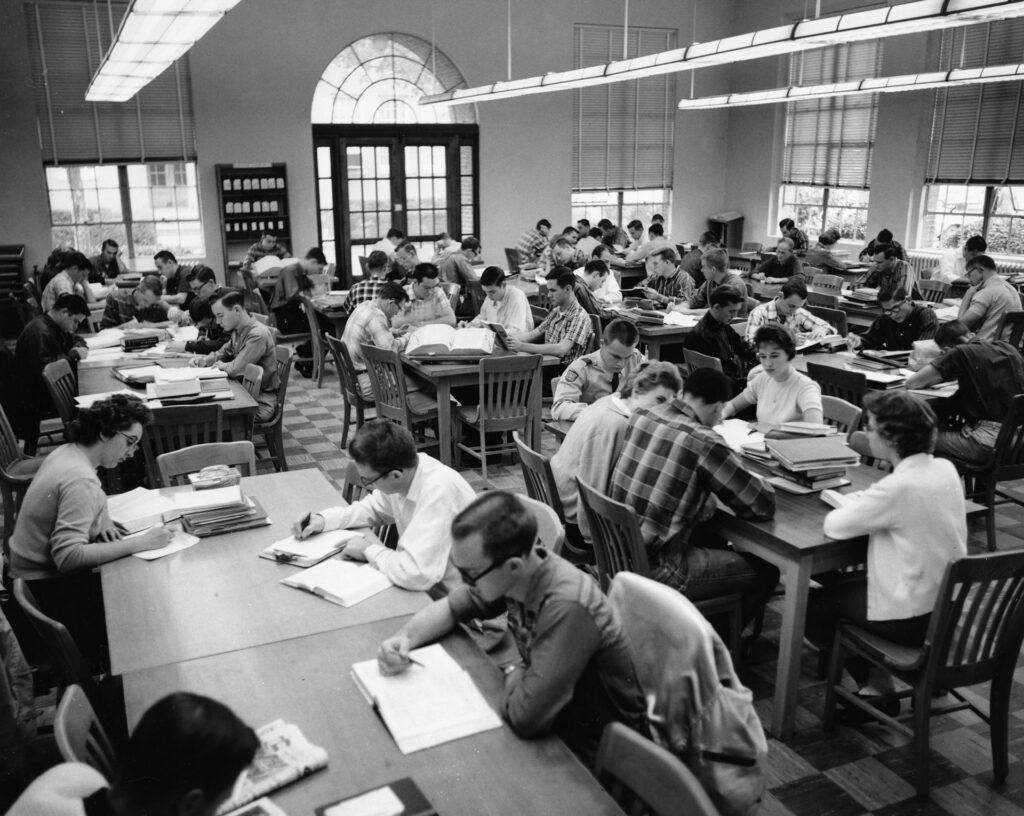
The following are signs to notice, not a diagnostic test or a validated score. If distress persists, worsens or affects everyday life, contact a counselor or health professional. Seek immediate help for self-harm risk without waiting two weeks or counting symptoms.
- Sleep pattern shift — Trouble falling asleep, frequent early-morning waking, or sleeping 12+ hours and still feeling exhausted.
- Appetite change — Korean food doesn’t fit your palate and you skip meals, or the opposite, with frequent binge eating.
- Concentration drop — You can’t focus for 5 minutes in class, or you reread the same page over and over.
- Social withdrawal — You start avoiding peer meetups or club events without a real reason.
- Frequent tearfulness or irritability — Small things you’d normally ignore set off strong reactions.
- Body symptoms — Headaches, stomach issues, and shoulder tension become chronic outside exam weeks.
- Heavy reliance on home calls — You feel anxious unless you talk to family or friends back home for 2+ hours daily.
Beating Homesickness: Step 1 of International Student Stress Management
The first thing to accept is that homesickness is a natural emotion. Missing family, friends, and familiar streets is normal — it’s not a flaw. What matters is how you respond. Video calls home offer short-term comfort, but if you’re constantly tethered to your home country, adapting to Korea takes longer. Detailed support resources for foreign students are listed on Study in Korea.
The four practical international student stress management steps for homesickness are listed below. Don’t try them all at once — adding one per week is sustainable.
- Stay connected with trusted people — arrange calls that support your sleep, studies and wellbeing; there is no universal 30-minute limit.
- Weekly local exploration — Visit one new café, market, or park nearby every week.
- Slow Korean food challenge — Start with milder dishes (gimbap, bibimbap, dumplings) and expand from there.
- International office programs — Join 2–3 cultural or sightseeing programs run by your school’s international office each semester.
Using Your Campus Counseling Center
Ask your university counseling center or international office about eligibility, fees, session limits, waiting time and available languages. These differ by institution; do not assume a fixed number of free sessions.
| Item | Detail | Notes |
|---|---|---|
| Cost | Confirm eligibility and cost with school | Check school-specific session limits |
| Booking | School portal · phone · international office walk-in | Check current waiting time |
| Language support | Confirm languages currently available | Ask whether an interpreter can join |
| Confidentiality | Protected by school policy | Ask about confidentiality and exceptions for serious safety risks |
| Crisis hotlines | 109 (suicide prevention), 1577-0199 (mental health) | 109 operates 24/7; confirm language support |
Some students hesitate because of cultural stigma — “Does going to counseling mean I have a real mental illness?” It doesn’t. Counseling is a regular maintenance practice for emotional health, and you don’t need a diagnosis to qualify. If a Korean-language session feels too heavy, look for centers offering English or Chinese, or ask whether interpreter support is available. If the Korean language itself is a stress source, see the TOPIK exam strategy.
Exercise as Part of International Student Stress Management
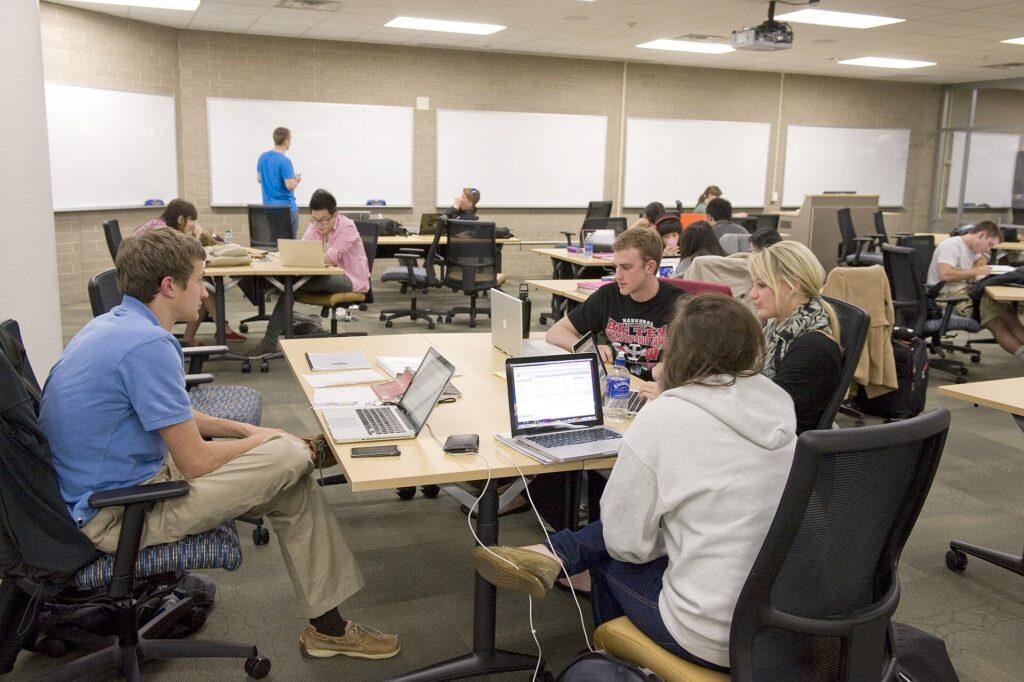
Physical activity may help with stress and mood, but it does not guarantee recovery or replace needed treatment. Start with a manageable activity and adjust the routine to your health and energy.
Most campus gyms offer cheap or free access for students with valid IDs, including weight rooms, yoga, swimming, and badminton. On weekends, hiking clubs and cycling groups give you fresh air with a built-in social layer. Even without equipment, you can run through stretches and bodyweight workouts in your dorm room with a YouTube routine. If making Korean friends is part of the challenge, the Making Korean friends guide pairs well with this approach.
- Wake-up 5-minute stretch — Loosen shoulders and lower back next to the bed.
- Post-lunch 20-minute walk — Loop around campus, get sunlight.
- Evening 30-minute jog or gym — Three or more times per week.
- One weekend outdoor activity — Hiking, cycling, or a Han River walk.
- Pre-sleep 5-minute breathing — 4-7-8 method: 4-second inhale, 7-second hold, 8-second exhale.
Isolation is one of the heaviest burdens international students report. Reducing it requires social contact, and that means actively joining clubs, department meetups, and the international student association even when your Korean is shaky. School festivals, volunteer events, and seminars build natural conversations over time. Mixing with local Korean students or students from other countries — instead of staying only in your home-country circle — broadens your cultural perspective faster.
Outside campus, hobby groups on Meetup, Facebook, and local cafés are open to international students too. Shared hobbies make Korean conversation flow easier and give you company when loneliness hits. The first meetup feels intimidating, but the welcome you receive is usually warmer than expected.
Crisis Response: 24/7 Hotlines
If stress escalates to self-harm or suicidal thoughts, contact a professional immediately. Korea’s suicide-prevention counseling number is 109, available 24/7. Do not assume English counseling is always available; state your language needs when you connect. This is the final and most important safety net in international student stress management.
- 109 — Suicide Prevention Hotline — 24/7 suicide-prevention counseling; ask about language support.
- 1577-0199 — Mental Health Crisis Line — 24/7, free, comprehensive mental health counseling.
- 112 / 119 — Immediate danger (self-harm attempt, loss of consciousness).
- School health center — confirm actual operating hours. For an immediate medical emergency call 119 instead of waiting for campus services.
Long-Term Mindset and Goal Setting
Studying abroad lasts anywhere from one to seven or eight years. Concrete goals help you avoid being swept along by short-term emotional swings. “Reach TOPIK Level 5 before graduating,” “deliver a seminar talk in Korean,” “make five Korean friends through clubs” — these provide the motivation to stand back up when you hit a slump.
International student stress management is not a one-time task. The most practical approach is a recurring check-in each semester: re-run the 7-signal self-check, revisit the campus counseling center if needed, and adjust your routines. Sometimes the right move is just “today is hard — let me sleep and think again tomorrow.” Rest is part of recovery.
Image credits
- Featured image: Wikimedia Commons (CC BY-SA 4.0)
- Body image 1: Wikimedia Commons (CC BY 4.0)
- Body image 2: Wikimedia Commons (CC BY 2.0)
K-Name Studio: Create your perfect Korean name based on your personality and style.
What’s My K-Beauty Personal Color?
WeBring Service : Provides personalized services to foreigners living in Korea
Exclusive offer: Introducing foreign car rental in Korea, WeBring-SoCar
- Expat Stress Counseling Korea: Every Route to Mental Health Support for Foreign Residents
- Foreigner Stress Counseling Guide: Every Help Route for Residents in Korea (Emergency Numbers, Danuri, Seoul Global Center)
- NHIS for international students: A Complete Guide to Healthcare in Korea
- How to Make Korean Friends as a Foreigner: 4 Routes That Work (2026)
Last updated: 22 September 2026
Rules, fees and procedures can change over time. Before an important decision, check the latest guidance from the relevant authority.
WeBring operates its own services for foreign residents in Korea. The following is a promotion for those services.
Living in Korea? You don't have to figure it out alone
Insurance, visas, jobs and hospital interpretation — WeBring supports every step of settling in Korea, in your language.