
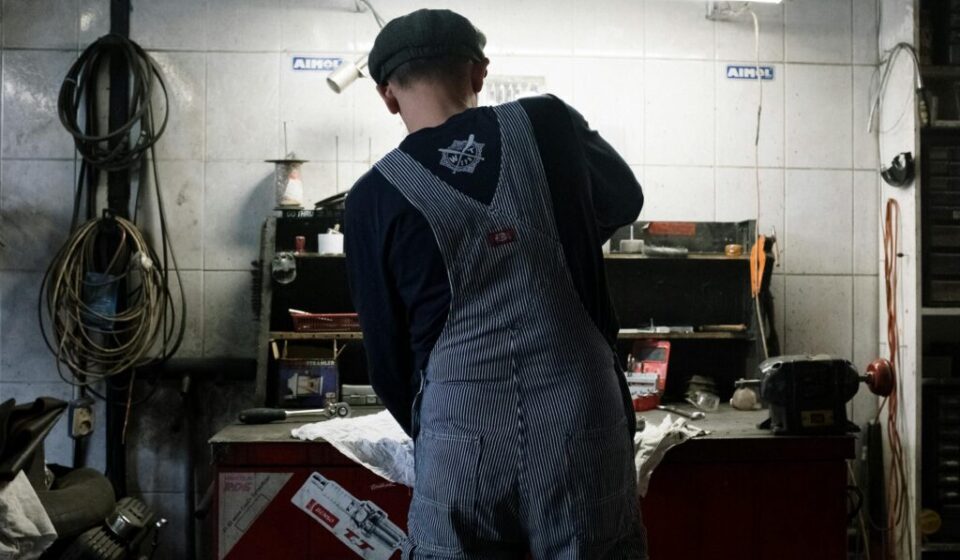

This used car inspection checklist starts the moment you take delivery. If you skip these checks, a warning light or a sudden breakdown a few months later can lead to much bigger repair bills. Because the car has been driven by someone else, its condition varies wildly depending on the previous owners habits and service history. The first three items to check are engine oil, tires, and brake pads.
1. Engine Oil Check and Replacement Timing
Engine oil reduces friction inside the engine and helps cool it. If the oil fails to do its job, engine life shortens and both fuel economy and performance drop noticeably. Even if the seller says “I changed it recently,” the service record is often unclear, so it is safer to have a shop verify the oil the moment you take delivery.
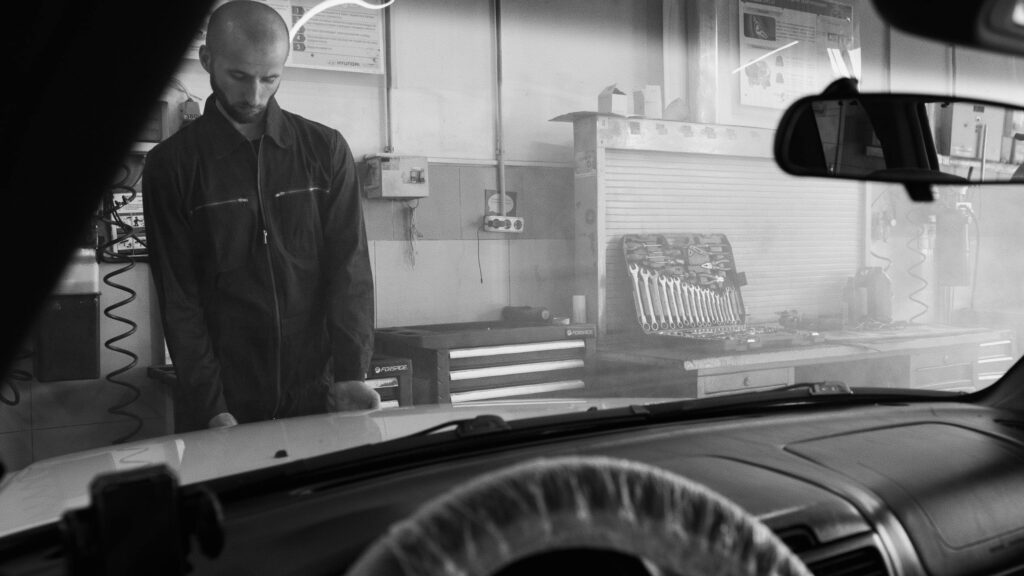
The check itself is simple. Pull out the engine oil dipstick and look at the color and viscosity. Fresh oil is clear with a brownish tint, while used oil turns dark and becomes thinner. Most vehicles recommend an oil change every 5,000 to 10,000 km.
| Oil Type | Replacement Cost (gasoline passenger car) |
|---|---|
| Mineral oil | KRW 30,000-50,000 |
| Synthetic oil | KRW 70,000-100,000 |
2. Tire Wear and Replacement Standards
Tires are the only part of the car that directly touches the road. The previous owners driving style may have left them unevenly worn, so they are a must-check item on any used car inspection checklist.
- Tread depth: Below 1.6mm fails the safety standard. If it is under 2.5-3mm, grip on wet or snowy roads drops sharply, so early replacement is recommended.
- Sidewall cracks and foreign objects: Inspect the tire sidewall for cracks or embedded nails. Also check the four-digit production date code on the sidewall.
| Vehicle Type | Cost per Tire |
|---|---|
| Compact or kei car (domestic) | KRW 70,000-120,000 |
| Standard passenger car (imported brand) | KRW 150,000-200,000+ |
| SUV or large car | KRW 200,000+ |
3. Brake Pad and Disc Inspection
Brakes are the one item you can never skip on a used car inspection checklist. Worn pads lengthen the stopping distance and produce squeaking noises. Replace pads immediately when thickness drops below 3mm, and replace or resurface the disc if there is heat warping or deep grooves.
| Item | Cost (standard passenger car) |
|---|---|
| Front brake pad replacement | KRW 50,000-80,000 |
| Pads and discs replaced together | KRW 150,000+ |
4. Additional Checks: Coolant, Transmission Fluid, Cabin Filter
These are the items to check right after engine oil, tires, and brake pads.
- Coolant (antifreeze): Check the color and level in the reservoir tank. Replace if it looks cloudy.
- Transmission fluid (ATF): Directly affects transmission durability. A professional diagnosis is recommended.
- Cabin air filter: Easy to swap yourself. A quick search will turn up the matching DIY replacement part.
5. Using Korean Auto Shops as a Foreigner
If language is a concern, franchise auto centers or official brand service centers are the safest choice. In larger cities, some locations offer multilingual support. Ask them to “do a full inspection including engine oil, tires, and brake pads,” and they will give you a cost estimate plus a list of what needs replacing. If Korean communication is difficult, reviewing the basic auto repair vocabulary on Wikipedia in advance will help.
It also helps to know how to respond if a traffic accident happens in Korea. The step-by-step traffic accident response guide for foreigners walks through the right order of actions. For broader practical info on living in Korea, the complete guide to hospital costs and insurance for foreigners is also worth reading.
6. Used Car Inspection Cost Planning
Checking engine oil, tires, and brake pads together costs money up front, but this kind of preventive maintenance blocks much larger repair bills later.
- Engine oil: change every 5,000-10,000 km or every 6 months
- Tires: check wear condition every 1-2 years
- Brake pads: inspect every 20,000-40,000 km
Set the next replacement dates as reminders on your phone so they never slip through.
Summary: Used Car Inspection Priority Order
- Check engine oil condition – decide whether to replace.
- Inspect tire tread depth and look for cracks.
- Verify brake pad thickness and listen for noise.
- Add coolant, transmission fluid, and cabin filter checks.
- Set up scheduled inspection reminders on your phone.
You can only drive Korean roads with confidence when the cars condition is clearly verified. Even with some up-front cost, a thorough used car inspection is the wisest starting point for life with a second-hand vehicle.
K-Name Studio: Create your perfect Korean name based on your personality and style.
What’s My K-Beauty Personal Color?
WeBring Service : Provides personalized services to foreigners living in Korea
Exclusive offer: Introducing foreign car rental in Korea, WeBring-SoCar
- Used Car in Korea: Real Cost and Which Type to Buy
- Korean Used Car Marketplace vs Offline Lots — Complete Comparison Guide
- Used Car Hidden Costs: Understanding Insurance and Taxes in Korea
- Used Car for Foreigners: Complete Guide for Buying in Korea
Last updated: 22 September 2026
Rules, fees and procedures can change over time. Before an important decision, check the latest guidance from the relevant authority.
WeBring operates its own services for foreign residents in Korea. The following is a promotion for those services.
Living in Korea? You don't have to figure it out alone
Insurance, visas, jobs and hospital interpretation — WeBring supports every step of settling in Korea, in your language.