

While South Korea boasts an excellent public transportation system, there are times when driving your own vehicle becomes necessary—whether for work, weekend getaways, or family travel. Foreigners might wonder, “Can’t I just drive with an International Driving Permit?” While this may work for a short stay, obtaining a Korean driver’s license is far more convenient for long-term residents. It’s also crucial to understand certain considerations when purchasing or leasing a car.
This article provides a detailed guide on how to get a Korean driver’s license, how to convert a foreign license, and what to watch out for when buying or leasing a vehicle. With the right preparation, you can drive safely on Korean roads while staying fully compliant with local traffic laws.
Recognition of Foreign Licenses: License Exchange vs. International Permits
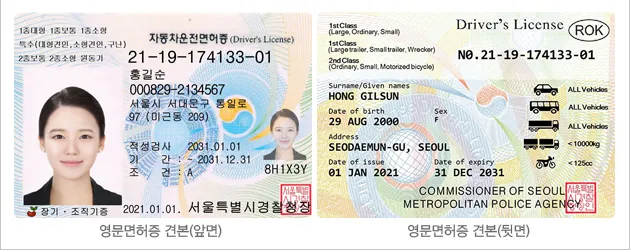
South Korea has reciprocal license exchange agreements with several countries. If you hold a license from a qualifying nation—such as the U.S., Canada, the U.K., Australia, or France—you may exchange it for a Korean driver’s license without taking a test. Typically, you’ll need to provide your alien registration card, passport, domestic license, and a notarized certificate from your country’s consulate. Since procedures can vary by country, it’s best to confirm via the Road Traffic Authority or Ministry of Foreign Affairs websites.
If your country is not eligible for a license exchange, you’ll generally be required to pass written and practical driving tests. Note that international driving permits (IDPs) allow driving for up to one year for short-term visitors, but if you are registered as a resident in Korea, this option quickly becomes invalid and difficult to renew. Ultimately, for long-term stays, obtaining or exchanging for a Korean license is the smart choice.
Korean Driver’s License Process: Written, Functional, and On-Road Exams
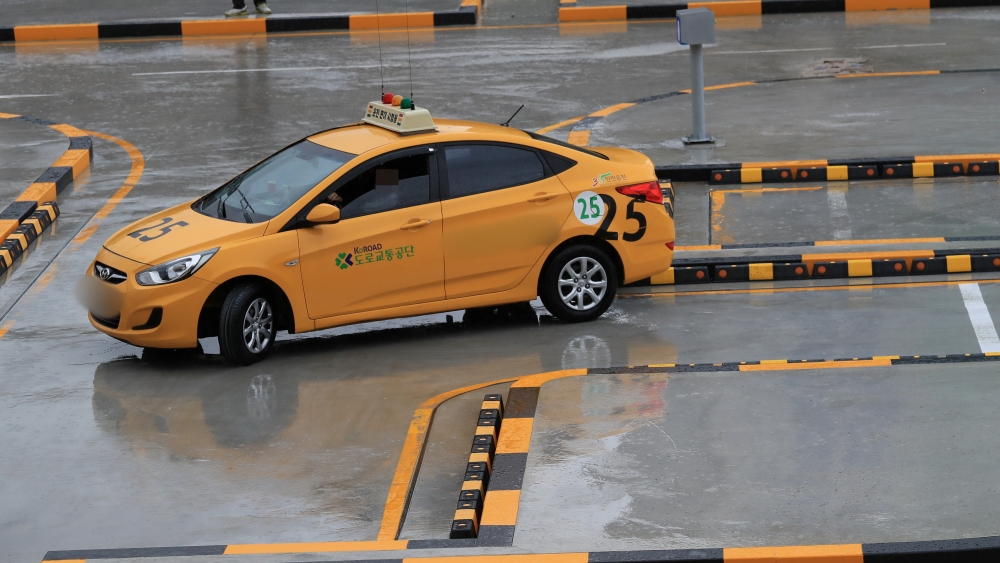
If you don’t possess a license from your home country or come from a non-exchangeable country, you’ll need to take Korea’s official driving tests. The process includes three stages. First, the “written test” covers traffic laws and safety protocols. Second, the “basic driving skills test” evaluates fundamental vehicle operations like starting, braking, and dashboard function checks. Third, you must pass the “on-road driving test” on public roads, where your real-world driving ability is assessed. Successful candidates receive either a Class 1 (including large trucks and commercial vehicles) or Class 2 (for standard passenger cars) license.
Most people prepare by enrolling in a certified driving school, which offers textbooks, practice tests, and hands-on training for both skills and practical exams. Foreigners should look for schools that offer instruction in English or their native language. Some larger schools even provide tests in English—call ahead to confirm.
Important Tips for the Driving Test Center
The license test is administered by the Road Traffic Authority under the National Police Agency, at centers in locations such as Gangnam, Seobu, Dobong (Seoul), as well as Busan, Daegu, and other major cities. Some private driving schools also have the authority to conduct the test. You must book a test date in advance and bring your alien registration card, ID photo, and application fees. English test versions are typically available, and support for Chinese, Vietnamese, and other languages is increasingly offered.
A health check is also mandatory. Your vision, hearing, and overall physical condition must meet driving standards—basic health exams are often conducted at the testing site. The on-road driving test involves following route instructions while demonstrating safe, defensive driving techniques. Once you pass, you may receive your license the same day after paying the issuance fee; however, procedures can vary slightly by region.
Car Purchase: New vs. Used, Choosing a Brand and Model
Once you’ve earned your license, it’s time to get a car. The most popular brands in Korea are Hyundai and Kia, with imported favorites including Mercedes-Benz, BMW, Audi, and Lexus. New cars can cost tens of millions of Korean won, which may be a financial burden for foreign workers. Fortunately, Korea has a well-developed used car market, with listings available through certified dealers like SK Encar or K Car, as well as via private sales platforms.
The advantage of buying new is clear: reliable warranty coverage, top-tier safety features, and modern interior design. Meanwhile, used cars are significantly more affordable, but you must evaluate factors like accident history and engine condition. Foreigners are advised to buy from certified dealers or through recommendations from trusted Korean acquaintances to avoid scams. Always verify the vehicle’s registration and history documents thoroughly.
Leasing and Long-Term Rentals: Reducing Upfront Costs
If buying a car isn’t ideal, leasing or using a long-term rental service may be the answer. In a lease arrangement, a financing company or lease provider owns the vehicle, while you pay a monthly fee to use it. At the end of the contract, you can return the car or buy it with a purchase option. Its main advantage is minimal upfront cost—just keep up with monthly lease payments.
Long-term rentals are similar but include maintenance, insurance, and registration handled by the rental company, offering greater convenience. The drawback is that you don’t own the car, limiting your ability to modify it, and monthly payments can be slightly higher. Foreigners may be required to prove their residency period and financial stability to qualify, and some may need to pay a security deposit depending on their credit status.
Insurance and Vehicle Registration
One of your first responsibilities after buying or leasing a car is purchasing auto insurance. Liability coverage is mandatory by Korean law, and failure to comply can result in fines. Basic policies typically include bodily injury, property damage, personal accident, and uninsured driver protection. Comprehensive coverage (for vehicle damage) can be added separately. Insurance companies may ask foreigners for a financial guarantor or additional documentation, so check in advance.
Vehicle registration is also required. New car dealers usually handle this process for you. For used cars, you’ll need to complete a title transfer. Once registered, your car will be issued a license plate and a registration certificate, which must be kept in the vehicle. You must present your alien registration card, and only residents with valid visas may register, so ensure your visa expiration aligns with your vehicle plans.
Driving in Korea: Road Laws and Etiquette
Korean traffic laws are strictly enforced, especially regarding speeding, crossing center lines, and signal violations. Speed cameras are widely placed in cities and on highways, so stay alert. Drunk driving is severely punished and strictly monitored with frequent checkpoints, so never drink and drive.
Using your phone while driving and not wearing a seatbelt also incurs fines. On highways, speed limits usually range from 100–110 km/h, while city limits often drop to 50–60 km/h. Though these limits may seem strict at first, they are justified given Korea’s road conditions and traffic density and are vital for safety.
Case Study: German Resident J’s License Exchange and Used Car Purchase
J, a German national, was working at a research institute in Korea and wanted a car for weekend trips. Since he already had a German license, he utilized Korea’s license exchange system and obtained a Korean license with just some documentation and a small fee. He explored the used car market and opted for a two-year-old Hyundai Avante. After visiting a certified K Car dealership and taking it for a test drive, he made his purchase.
He then contacted an insurance provider, submitted his alien registration card, proof of residence, and driving credentials, and secured a comprehensive insurance policy. Within a few days, his vehicle registration was complete, and the certificate was placed inside the car. Now, he enjoys visiting mountains and beaches on weekends, saying, “It was a bit complicated at first, but the license exchange system made it quick. As long as you follow the traffic rules, driving here is wonderfully freeing.”
Conclusion: Enjoy the Freedom of the Road with Proper Licensing and Car Ownership
If you’re planning to live in Korea long-term and wish to drive, begin with obtaining or exchanging your driver’s license. Check if your home license is recognized, understand the testing procedures, and don’t overlook the health exam requirements. With proper preparation, acquiring your license can be more straightforward than expected. Then, carefully consider your options for buying or leasing a vehicle, factoring in your budget, car type, insurance needs, and registration steps.
For foreigners, Korea’s mature used car and leasing markets make it fairly easy to find a car at a reasonable price. However, it’s vital to be well-informed on legal, financial (insurance, taxes, registration), and traffic rules in Korea to enjoy safe and lawful driving. Ignoring rules like speeding, drunk driving, or illegal U-turns can lead to fines or even license revocation, so never take them lightly.
Ultimately, having a car enhances your experience in Korea—weekend getaways and leisure trips become more enjoyable, and work-related mobility becomes more efficient. With adequate preparation, driving in Korea can offer foreigners a new level of freedom and convenience. So obtain your license, maintain your vehicle, practice safe driving, and hit the road with confidence!
K-Name Studio: Create your perfect Korean name based on your personality and style.
What’s My K-Beauty Personal Color?
WeBring Service : Provides personalized services to foreigners living in Korea
Exclusive offer: Introducing foreign car rental in Korea, WeBring-SoCar
- Foreigners Renting Cars in Korea: is it possible with an international driving licence?
- Used Car for Foreigners: Complete Guide for Buying in Korea
- Mastering Korea Car Rental as a Foreigner – Driving Tips and Top Destinations for Foreigners
- Used Car Payment: Options and Tips for Foreigners in Korea
Last updated: 22 September 2026
Rules, fees and procedures can change over time. Before an important decision, check the latest guidance from the relevant authority.
WeBring operates its own services for foreign residents in Korea. The following is a promotion for those services.
Living in Korea? You don't have to figure it out alone
Insurance, visas, jobs and hospital interpretation — WeBring supports every step of settling in Korea, in your language.