Korea Transportation Guide: Subway, Bus, Taxi & KTX for Foreigners
This Korea transportation guide breaks down every option foreigners need to get around the country. Seoul’s massive subway network, color-coded city buses, KakaoT taxis, KTX bullet trains, and airport transfers — with a single T-money card in your pocket, you can hop between them all without worrying about exact change or complicated fare calculations. The system is surprisingly efficient once you learn the basics.
Seoul Metro: Your Korea Transportation Starting Point
Seoul’s subway is the backbone of daily transit. With dozens of lines — including Lines 1 through 9, Bundang Line, Gyeongui-Jungang Line, and Sinbundang Line — you can reach almost anywhere in the metropolitan area. Trains run every 5 to 10 minutes during peak hours, making it the most reliable way to commute.
Station signs and announcements come in four languages: Korean, English, Chinese, and Japanese. The fare system is distance-based. With a T-money card, the base fare starts at approximately 1,250 KRW (about $0.90 USD) for adults, with small increments added every 10 km. For a handy list of navigation tools, check our essential apps for foreigners in Korea.
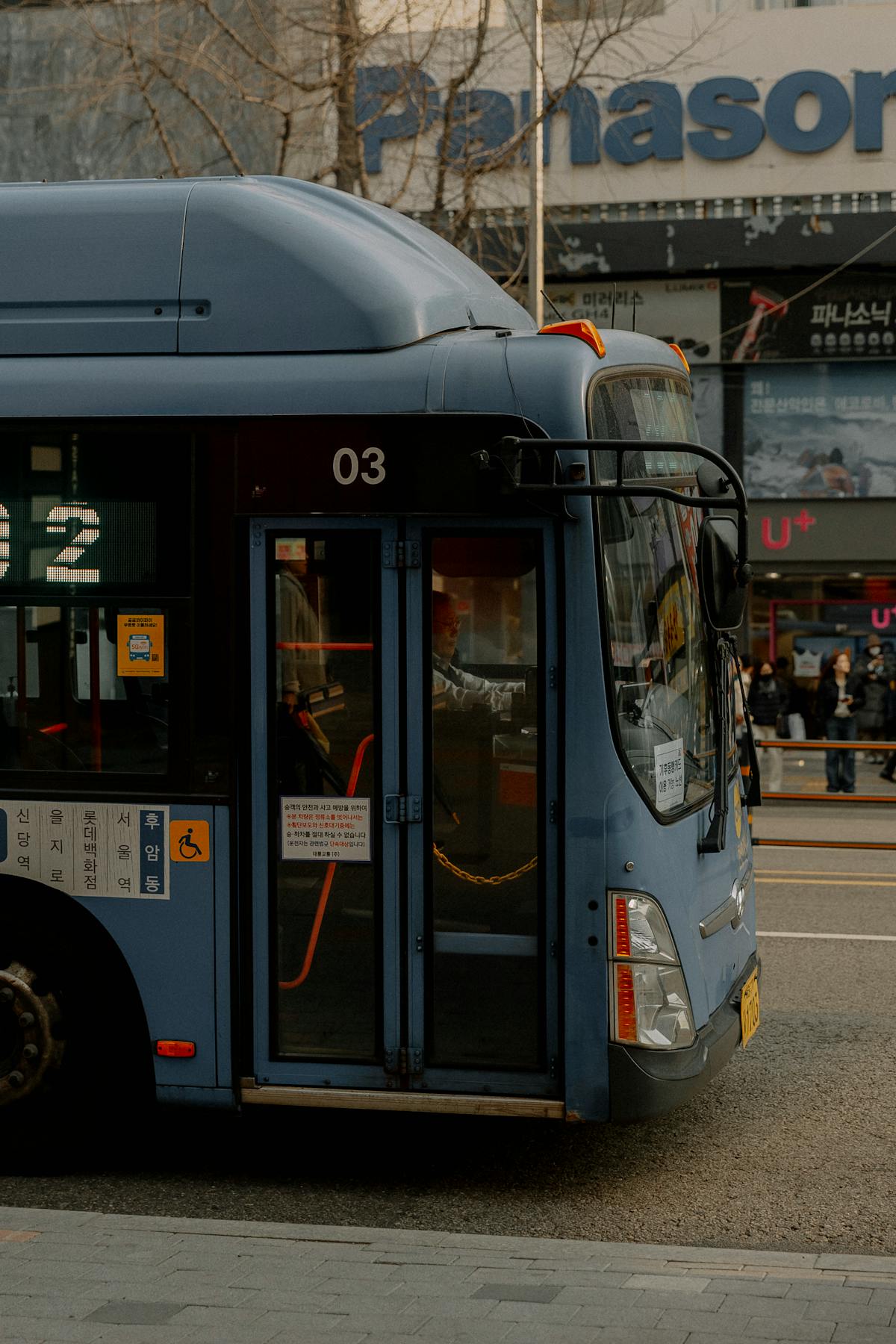
City Buses in Korea: The Color Code Explained
Buses fill the gaps where the subway does not reach. In Seoul and other major cities, buses are color-coded by function.
| Color | Type | Role |
|---|---|---|
| Blue | Trunk bus | Major cross-city routes between districts |
| Green | Branch bus | Connects subway stations to residential areas |
| Red | Express bus | Long-distance routes to Gyeonggi and Incheon |
| Yellow | Circular bus | Short loops within central districts |
Other cities like Busan, Daegu, and Incheon have their own color and numbering systems. Real-time bus tracking is available on apps like Naver Map and KakaoMap — search your stop name or route number to see exactly when the next bus arrives.
Taxis and KakaoT: Quick Rides When You Need Them
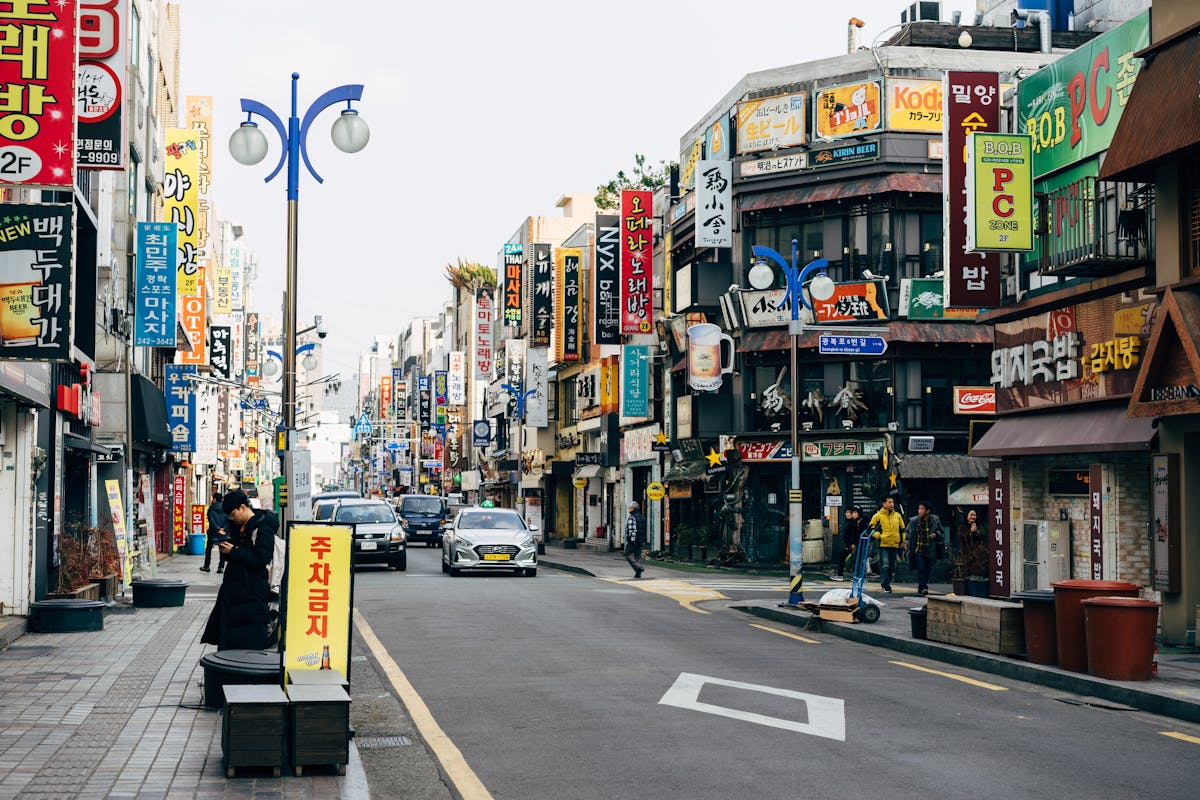
Taxis are fast and convenient, but fares can add up during rush hour traffic. You can pay by cash, card, or mobile payment. The dominant ride-hailing app is KakaoT, which is available in English and lets you set your pickup and destination with GPS — no Korean language skills required.
One important tip: a late-night surcharge kicks in after 11 PM in most major cities, increasing fares by about 20%. If you ever run into trouble while using taxis or driving, our foreigner traffic accident guide walks you through the exact steps.
KTX: Korea Transportation Between Cities at 300 km/h
For city-to-city travel, the KTX is your best bet. Running at speeds of approximately 300 km/h, it connects Seoul to Busan in about 2 hours and 15 minutes. Other major destinations include Daegu, Gwangju, Mokpo, and Gangneung. Book tickets on the KORAIL website (English available) or the Korail Talk app.
If KTX tickets sell out, slower alternatives like Mugunghwa-ho and Saemaeul-ho trains still run the same routes. Book at least 1 to 2 weeks in advance during weekends, holidays, and Chuseok/Lunar New Year. Planning a Gyeongju trip by train? See our Gyeongju 2-day public transport itinerary.

Express and Intercity Buses: Budget-Friendly Alternatives
When there is no direct train to your destination, express and intercity buses are the way to go. Major terminals in Seoul include Express Bus Terminal (Gangnam), Nambu Terminal, Dong Seoul Terminal, and Central City Terminal, with routes covering nearly every corner of the country.
Fares are significantly cheaper than KTX. Premium and deluxe buses offer wide seats and extra legroom. The downside? Travel times can balloon during rush hours and holiday traffic jams.
T-Money Card: Unlock Korea Transportation Discounts
Korea’s transfer discount system is one of the best perks of public transit. When you tap your card and transfer between subway and bus (or bus to bus) within 30 minutes, you pay zero additional base fare.
| Card | Features | Where to Buy |
|---|---|---|
| T-money | Most widely accepted, rechargeable at convenience stores | Convenience stores, airports, subway stations |
| Cashbee | Compatible with T-money, preferred in some regions | Convenience stores, subway stations |
| Credit card (transit) | Post-paid transit function built into Korean credit cards | Korean card issuers |
As a foreigner, the easiest option is to buy a T-money card at the airport or any convenience store and load it with cash. It works on subways, buses, some taxis, and even vending machines.
Airport Railroad (AREX): Getting to Incheon and Gimpo
The AREX airport railroad connects Seoul Station directly to Incheon International Airport. The express train takes about 40 minutes nonstop, while the all-stop commuter train is cheaper but slower. Airport limousine buses are another option, running routes through major hotels and terminals in the city.
Gimpo Airport is even easier to reach — Seoul Metro Lines 5, 9, and the AREX line all connect directly to the terminal.
Real Story: A Foreigner’s Korea Transportation Experience
Mr. B, a British expat, needed to commute from Bundang to Gangnam for work. At first he relied only on buses, but rush-hour gridlock stretched his commute to over 90 minutes each way. After studying the subway map, he discovered that 2 to 3 transfers could get him to the office in under an hour — and the T-money transfer discount kept costs low.
On evenings with plans, he used KakaoT to hail taxis, and on late nights after the subway stopped running, he hopped on night buses. “Korea’s transportation options are a bit complex at first,” he says, “but incredibly convenient once you get the hang of it.”
Building Your Korea Transportation Strategy
Korea offers subway, bus, taxi, KTX, and intercity buses that work as a complementary transit network. For daily city travel, combine the subway and buses. For spontaneous or late-night trips, use KakaoT. For intercity travel, KTX is the fastest option while express buses offer a budget alternative.
The key is figuring out your regular routes and maximizing transfer discounts with a T-money card. Download Naver Map or KakaoMap for real-time transit info, and install KakaoT for ride hailing. It might feel overwhelming during your first week, but this Korea transportation guide should have you covered — the system is genuinely one of the most efficient in the world.
K-Name Studio: Create your perfect Korean name based on your personality and style.
What’s My K-Beauty Personal Color?
WeBring Service : Provides personalized services to foreigners living in Korea
Exclusive offer: Introducing foreign car rental in Korea, WeBring-SoCar
Living in Korea? You don't have to figure it out alone
Insurance, visas, jobs and hospital interpretation — WeBring supports every step of settling in Korea, in your language.