
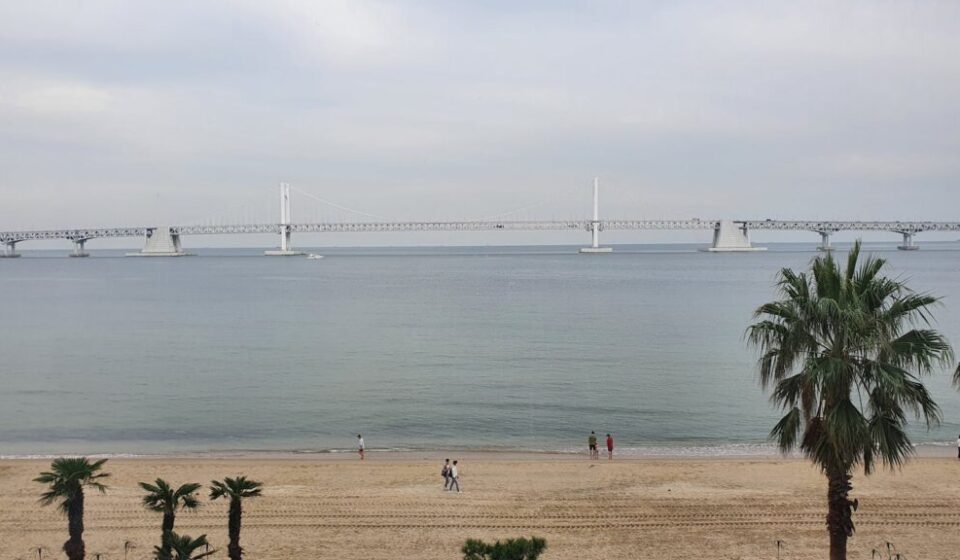

Gunsan sea modern architecture course is a rare day-trip in Korea where a dense modern-architecture cluster and a Yellow Sea island sit in the same city. Time-travel village alleys in the morning, Saemangeum seawall to Seonyu Island in the afternoon. This guide pulls together a standard one-day Gunsan route — schedule, transit, meals, and seasonal tips — for foreign visitors. For more, see the Korea Tourism Organization.
Gunsan sea modern architecture course schedule at a glance
| Time | Place | Highlight |
|---|---|---|
| 09:30–10:30 | Gunsan Modern History Museum | Port history and life under occupation |
| 10:30–12:00 | Former Joseon Bank, 18th Bank, Donguksa | 1923 Renaissance, Japanese-style temple |
| 12:00–13:30 | Lee Sung-dang + lunch | Red-bean and vegetable buns at Korea’s oldest bakery |
| 13:30–14:30 | Saemangeum seawall transit | 33 km sea-level highway |
| 14:30–17:30 | Seonyudo Beach + Seonyubong | Gogunsan Islands view |
| 17:30– | Sashimi / seafood dinner | Confirm last-bus time in advance |
Gunsan modern history district: alleys where time stopped
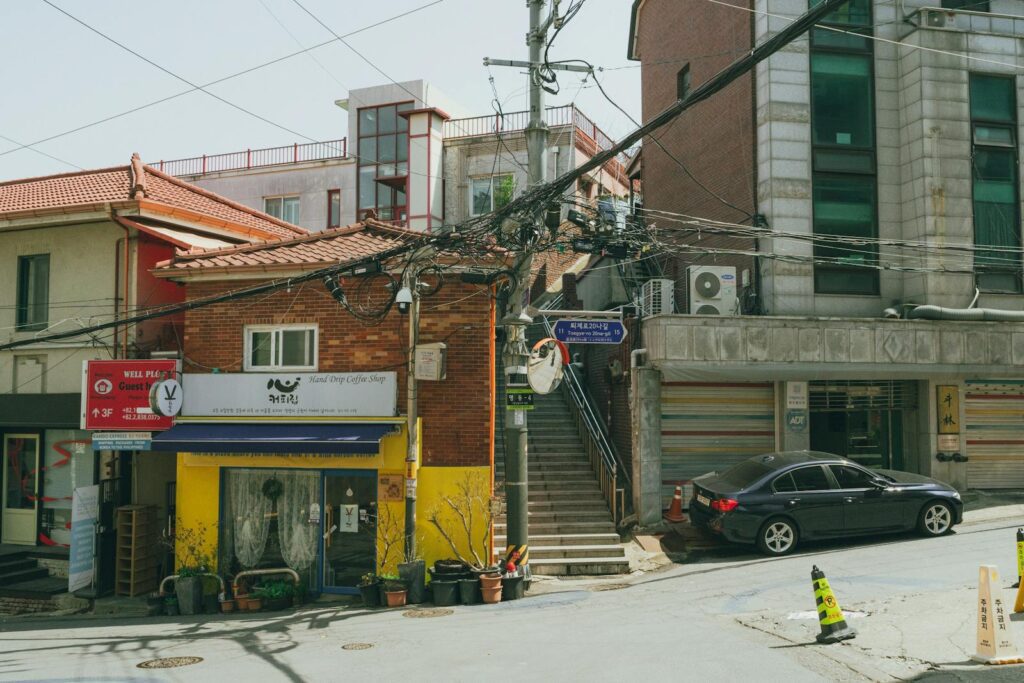
From Gunsan Station, walk about 15 minutes toward the city center or take a taxi to reach the Modern History Museum. From the late Joseon era through the Japanese occupation, Gunsan Port was the channel through which rice and resources flowed out, and buildings from that period remain close to their original form. Few cities in Korea show this density of modern architecture in one neighborhood. If this is your first time on the Gunsan retro route, also see the Gunsan modern history street guide.
The Modern History Museum’s strength is its exhibits more than the building itself. The port history, the actual extraction processes, and life under occupation are organized in detail, and starting here makes the rest of the day’s buildings legible. Plan about an hour for the museum.
Gunsan sea modern architecture course morning: former banks to Hirotsu House
Five minutes’ walk from the museum stands the former Joseon Bank Gunsan branch. Completed in 1923 in Renaissance style, its stone exterior and arched windows carry the weight of the era’s financial power. It now operates as the Gunsan Modern Architecture Hall, with full interior access. Right next door stands the former Eighteenth Bank of Japan Gunsan branch — the two banks side by side already form a cross-section of this city’s history.
Walk north and you reach Donguksa. The only Japanese-style Buddhist temple still standing in Korea, with eaves and wooden structure clearly distinct from Korean traditional temples. The yard is wide and quiet, a good place to pause. Turn from Donguksa toward Sinheung-dong and you reach Hirotsu House. A 1930s Japanese two-story wooden house, used as a filming location for several Korean films including The General’s Son and Tazza. On open-interior days you can see the tatami rooms and corridor structure up close.
You can finish this whole stretch slowly within the morning. Cafes and small restaurants along the way mean you can rest anywhere. Lee Sung-dang nearby is worth a stop even with a line — danpat-bbang (red-bean bun) and yachae-bbang (vegetable bun) are signature.
Gunsan sea modern architecture course transit: across the Saemangeum seawall to Seonyu
After lunch, head to Seonyu Island. Buses to Seonyu run a few times a day from Gunsan Intercity Bus Terminal or the bus stop in front of Gunsan Station — confirm the schedule in advance. With a car, you can drive the Saemangeum seawall yourself. The 33 km seawall drive is unique in itself: ocean stretches to both sides of the road with no obstruction, so on a clear day you see the horizon all the way out.
Seonyu Island belongs to the Gogunsan Archipelago. Before the seawall and connecting roads were built, you could only reach it by boat. Cars and buses now access the island, but the island itself is small enough that walking or biking suits it best. There is a bicycle rental near the harbor.
Gunsan sea modern architecture course afternoon: Seonyu Beach and Seonyubong view
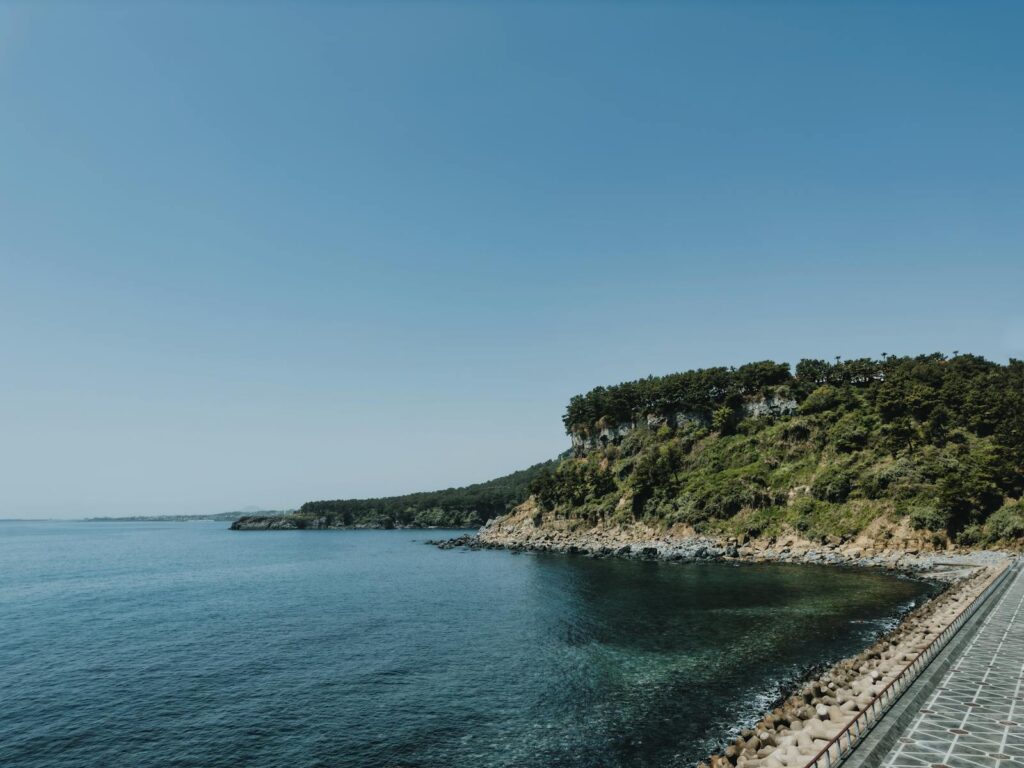
On Seonyu, head to Seonyu Beach first. Shallow water and gentle waves make it popular with families. The sand is bright and the water clean — among Yellow Sea beaches, it ranks on the cleaner side. The mood shifts hard by season: outside the summer peak, fewer people make for an open walk along the shore.
If time allows, climb Seonyubong. More a hill than a hike, but the view of the Gogunsan Archipelago from the top is striking — multiple connected islands, boats moving between them, and the seawall all visible in one frame. Climb at sunset and the light shifts the view further.
Small restaurants on the island serve a lot of sashimi and shellfish. Hungry late in the afternoon, a simple seafood meal near the harbor is the right close to the day. Don’t miss confirming the last bus time before going. To stretch this into a 2-night, 3-day route paired with Jeonju, see the Jeonju Gunsan 2-night 3-day course.
Gunsan sea modern architecture course summary
Gunsan sea modern architecture course makes morning alleys and afternoon ocean feel so different that one day reads like two trips. The route works as a day trip; staying overnight on Seonyu adds a sunrise option. The two key variables are confirming the last-bus time and avoiding the Lee Sung-dang lunch peak (visit right at opening or late afternoon).
Image credits
- Coastal view — Photo by Dennis Park on Pexels
- Street view — Photo by Theodore Nguyen on Pexels
- Seawall road — Photo by Artem Korolev on Pexels
- Island coast — Photo by Kharl Anthony Paica on Pexels
K-Name Studio: Create your perfect Korean name based on your personality and style.
What’s My K-Beauty Personal Color?
WeBring Service : Provides personalized services to foreigners living in Korea
Exclusive offer: Introducing foreign car rental in Korea, WeBring-SoCar
- Gunsan Lee Sung-dang Bakery Tour Guide: Beat the Line + Modern History Walk
- Jeonju Gunsan 2 Nights 3 Days Course Guide: Tradition + Retro Route
- Gunsan Japanese House Visit Guide: Sinheung-dong Hirotsu and Modern Quarter
- Gunsan Modern History Street Guide: Half-Day Retro Korea Itinerary
Last updated: 22 September 2026
Prices, opening hours and transport schedules change with the season and the operator. Check the official channel again before you go.
WeBring operates its own Korea tour and vehicle services. The following is a promotion for that service.
Explore Korea's mountains — guides in your language
Courses, transport and seasonal tips for 30 mountains, from Bukhansan to Hallasan, available in 11 languages. Pick up essential travel Korean and find events for the global community, too.