

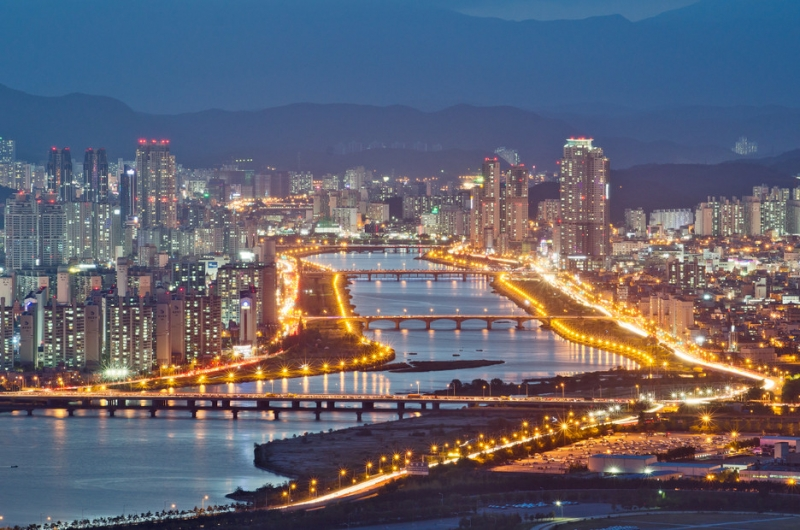
Ulsan is one of South Korea’s largest industrial cities, home to global giants such as Hyundai Motor Company and Hyundai Heavy Industries, playing a vital role in supporting the national economy. While many people often imagine Ulsan travel simply as an “industrial city,” it is also a remarkable natural destination where beautiful coastlines meet scenic mountain landscapes. In this post, we’ll explore Ulsan’s unique ‘industrial tourism’ attractions alongside its unexpectedly breathtaking natural scenery.
Industrial Tourism: Gigantic Factories and Museums
Industrial tourism in Ulsan includes guided tours of large-scale shipyards, automobile factories, energy plants, and port facilities. Hyundai Heavy Industries and other shipbuilding & offshore platforms rank among the largest in the world. Seeing massive vessels under construction up close is an awe-inspiring experience—almost like viewing monumental architecture. With advance reservations, visitors can take part in bus tours through designated areas, accompanied by explanations from onsite engineers or professional guides.
The Hyundai Motor Ulsan Plant is also one of the world’s largest automobile manufacturing complexes. Through its official tour program, visitors can witness how cars are built—from frames and assembly to the final product—at a cutting-edge facility where robots and human workers collaborate. Although not all areas are accessible due to security, the sights and sounds along the main production lines—clinking machinery and the rhythm of human hands—deliver a vivid sense of the “heartbeat of industry.”
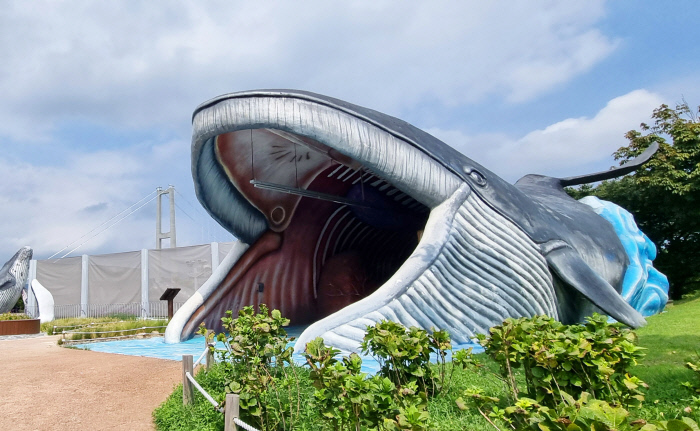
Jangsaengpo Whale Culture Village: Where Ocean and History Coexist
Located near Ulsan Port, Jangsaengpo was once famous for whaling. Today, however, as whaling is banned, the area has transformed into a hub for whale tourism and marine conservation. At Jangsaengpo Whale Culture Village, visitors can explore the Whale Museum and Whale Ecology Experience Hall, which showcase how whales shape marine ecosystems and how humans have historically interacted with them. On the first floor, exhibits of whale skeletons and cultural artifacts provide historical context, while from the observatory, the ocean view vividly recalls the days when whaling fleets once gathered here.
Nowadays, whale-watching tours also depart from the pier next to the Whale Ecology Experience Hall. Guests can board a “whale exploration ship” and head out to sea—with some luck, even spotting real whales. However, whale sightings are not guaranteed, and many days pass without them. Even so, simply cruising across Ulsan’s coastal waters is a precious marine experience in itself. During the trip, reflecting on the relationship between modern industry and natural ecosystems makes for a truly memorable journey.
Natural Scenery: Daewangam Park and Taehwagang National Garden
Ulsan is blessed with both the Taehwagang River and the East Sea coastline, allowing visitors to enjoy nature even in the heart of the city. Along the East Coast lies Ulgi Lighthouse and Daewangam Park, where pine forests, rugged cliffs, and endless blue sea create a stunning landscape. Daewangam is steeped in history, connected to the Silla-era legend of King Munmu’s underwater tomb. Walking along the coastal trails, the sound of waves and seagulls brings an undeniable sense of peace.
Taehwagang National Garden is a vast green space that stretches along the Taehwagang River right through downtown Ulsan. On both riverbanks, you’ll find flower fields, walking paths, cycling trails, and sculptures, making it a true oasis in the city. In spring, golden canola blossoms brighten the landscape, while in summer, the cool river breeze provides a welcome respite from the heat. At night, the illuminated pathways create a romantic ambiance, and during festivals or concerts, the riverside comes alive with crowds of locals and travelers alike.
Flavors of Ulsan: Fresh Local Produce and Modern Fusion
Although known as an industrial hub, Ulsan is just as rich in fresh seafood and produce, giving rise to a vibrant food culture. The seas around Ulsan offer delicacies like sea squirts, sea cucumbers, octopus, and squid, while autumn brings seasonal favorites such as snow crab, flounder, and mackerel. Around Jangsaengpo, some restaurants continue to serve whale meat as a specialty, though this remains a matter of personal choice depending on taste and ethical viewpoint.
Beyond seafood, the fertile inland fields and orchards around Ulsan produce high-quality pears, apples, and the region’s renowned Korean beef (Hanwoo). Many city restaurants blend traditional dishes with modern culinary fusion, offering creative cooking styles and visually striking plating. Near Ulsan Port, some eateries have even transformed shipping containers into trendy food zones, offering visitors unique and memorable dining experiences.
Travel Tips & Final Thoughts
Many visitors are amazed by Ulsan’s combination of modern industry, urban spaces, and natural coastal scenery all in one trip. For industrial tours, advance reservations are essential, and some facilities require identification, so make sure to check ahead. Attractions such as Jangsaengpo Whale Culture Village and Daewangam Park are heavily influenced by the weather and seasons—visiting on a clear day makes the experience even more rewarding. When choosing accommodation, consider transportation and proximity to your destinations; even without a car, city buses and taxis offer convenient travel options.
Ulsan’s unique coexistence of industrial development and natural preservation encourages reflection on “how humanity and the environment can progress together.” Despite its rapid growth as a global industrial city, Ulsan has actively created ecological parks along its shores and rivers while also preserving its whaling heritage. The time you spend here weaves together diverse visuals—the lights of factories, the horizon of the sea, and the greenery of riverside parks. A trip to Ulsan is an invitation to experience firsthand the captivating balance of industry and nature that defines this remarkable city.
K-Name Studio: Create your perfect Korean name based on your personality and style.
What’s My K-Beauty Personal Color?
WeBring Service : Provides personalized services to foreigners living in Korea
Exclusive offer: Introducing foreign car rental in Korea, WeBring-SoCar
- Ulsan Jangsaengpo Whale Culture Village Family Guide: Museum + Monorail Day Plan
- Ulsan Daewangam Park: Complete Guide to the Sea Bridge and Coastal Walks
- Korea Sunrise Spots: 10 East Coast Locations (Easy Access for Foreign Visitors)
Last updated: 22 September 2026
Prices, opening hours and transport schedules change with the season and the operator. Check the official channel again before you go.
WeBring operates its own Korea tour and vehicle services. The following is a promotion for that service.
Explore Korea's mountains — guides in your language
Courses, transport and seasonal tips for 30 mountains, from Bukhansan to Hallasan, available in 11 languages. Pick up essential travel Korean and find events for the global community, too.