
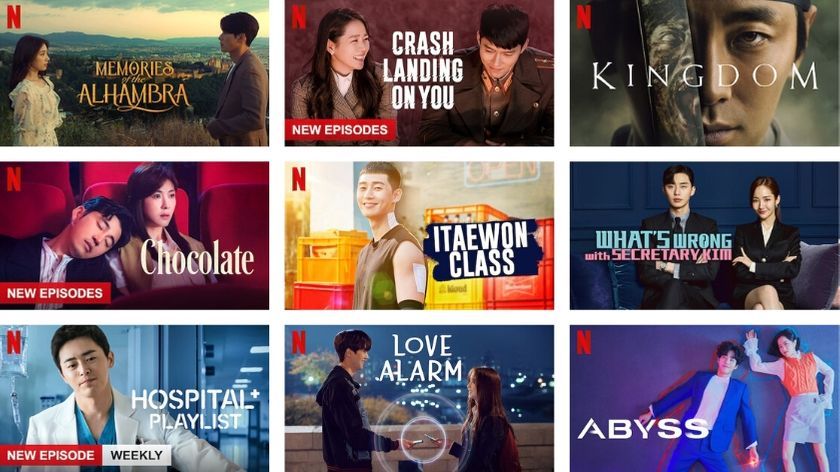

“K-Dramas” and Korean variety shows are loved by audiences all over the world. For international students, these aren’t just entertaining programs—they can be powerful tools for Korean language learning through K-Dramas. They provide a natural opportunity to pick up real conversational expressions, different intonations and dialects, and even the latest slang. In this post, we’ll share specific study methods such as dictation, role-play, and shadowing to help you maximize your learning with K-Dramas and variety shows.
1) Why K-Dramas and Variety Shows Are Effective
Textbook learning is great for building grammar and vocabulary systematically, but it often has limits when it comes to real-life conversation and subtle nuances. On the other hand, dramas and variety shows are filled with “living” Korean, where characters’ tones and expressions vary by situation. With engaging storylines, they capture your interest and keep motivation naturally high.
In dramas, you encounter shifts between formal and informal speech, emotional expressions, or even historical phrasing if it’s a period piece. In variety shows, you’ll hear slang, jokes, and subtitle humor that bring you closer to colloquial Korean. However, be aware that some slang or exaggerated expressions aren’t appropriate for learning, so use your judgment carefully.

2) Dictation (Detailed Listening)
Dictation involves pausing the video (or audio) and writing down exactly what you hear in Korean. This practice builds both listening skills and vocabulary while allowing you to analyze real conversational sentences closely.
How to do it: Choose a short scene (about 1–2 minutes) and play it without subtitles. Pause after each sentence and write down what you hear. At first it may feel frustrating when pronunciation is unclear, but repeated playback helps you grasp missed words and grammar structures.
Benefit: You’ll notice how connected sounds, contractions, and casual expressions are actually spoken, while also pinpointing where your listening gaps are.
3) Role-play: Expression Practice
One effective method is using a script from a memorable drama scene and practicing the characters’ lines through ‘Role-play.’ With a partner, you can split roles, and if alone, you can take on two parts yourself. Reading with intonation and emotion while following the script helps the sentence structures stick deeply in your memory.
Example: Take a confession scene script from a romantic comedy (about 10 lines) and alternate between the male and female leads. Later, compare with the original video to check how close your intonation, word choice, and emotional delivery are.
4) Shadowing
Shadowing is listening to a video (or audio) and repeating the lines almost simultaneously. Since the pace can be fast, start with slower scenes or variety show clips (like interviews or talk segments). If subtitles are available, follow them at first, but aim to eventually repeat immediately without subtitles.
Benefit: You naturally absorb pronunciation, intonation, and rhythm, while also improving breathing and pacing. Mimicking the speech style of drama actors or variety show hosts helps bring your Korean intonation closer to natural fluency.
5) Comparing Korean & English Subtitles
At the beginner stage, Korean subtitles may be necessary for understanding context. However, if you’re at an intermediate or advanced level, it’s better to challenge yourself with Korean subtitles (or no subtitles) rather than relying on English ones. Depending too much on English forces you to read instead of listen, taking away from real listening practice.
That said, for completely confusing parts, it’s fine to briefly switch to English subtitles or review with Korean captions to check vocabulary. In variety shows, subtitles often highlight key phrases, making it easier to catch important expressions.
6) Choosing Genres: Historical, Modern, and Dialect Variety
K-Dramas come in many different genres:
- Historical Dramas: Set in the Joseon era, featuring lots of classical vocabulary, formal speech, and special verb endings like “-haopnida.” You’ll also encounter royal etiquette expressions. Fascinating, but not very practical for everyday conversation.
- Modern Dramas: Urban romances, family stories, and school dramas provide vocabulary closely tied to real life—very useful for international students.
- Dialect Variety Shows: Many entertainers from Busan, Jeolla, or Chungcheong use regional dialects. Beginners may find this challenging, but if you’re curious, it can be a fun way to broaden your skills.
By choosing works that fit your level and interests, you can enjoy learning while keeping it entertaining.
7) Note-taking and Vocabulary Expansion
When watching dramas or variety shows, write down new expressions or words immediately in your phone notes or a notebook. For example, if you hear trendy terms like “갑분싸” (suddenly kills the mood) or “마상” (emotional hurt), look them up later to learn their meanings. Do the same for new verbs and adjectives—record their meanings and example sentences, then review weekly to grow your vocabulary quickly.
Using expressions you learned from dramas in real conversations with friends makes them more memorable and fun. However, be cautious with swear words, vulgar slang, or generational slang. Using them in the wrong context can be inappropriate.
8) Combine with Language Exchange and Study Groups
Maximize learning by finding chances to use the expressions immediately. For example, you can ask your language partner or study group: “I heard this phrase in a variety show yesterday—what nuance does it have?” Watching a short clip together and analyzing the dialogue helps deepen understanding.
This cycle of media study + real conversation practice helps expressions stick in your speech. Don’t just watch drama lines passively, but actively re-create them in actual conversation—you’ll internalize them much faster.
9) Things to Watch Out for: Exaggerations and Slang
Variety shows exaggerate speech styles for entertainment, often mixing in slang or vulgar words. Certain dramas also contain heavy swearing or over-the-top melodramatic lines, which—if imitated literally—might be inappropriate. For example, playful banter among comedians like Yoo Jae-suk or Lee Kwang-soo may sound funny on screen, but using those casual or witty retorts with strangers can come off as rude.
That’s why understanding context is crucial. Figure out whether an expression is used playfully among close friends, in anger during arguments, or in a mix of formal and informal tones. Instead of trying it immediately with strangers, ask a Korean friend first: “I heard this phrase on a show—can I actually use it?”
10) Korean Language Learning, Conclusion
K-Dramas and variety shows are some of the best tools for learning Korean with enjoyment. Don’t just watch passively—use dictation to sharpen listening, role-play and shadowing to refine pronunciation and intonation, and strengthen memory through note-taking and study groups. By actively engaging, you’ll notice significant improvement in your speaking skills in a short time.
At the same time, choose programs based on your learning goals and interests, while being cautious about exaggerated speech or slang usage in real life. Even after just a month or two of steady learning with K-Dramas and variety shows, your Korean listening and speaking skills can show remarkable progress. The key advantage is that learning feels fun, not stressful—so try balancing both entertainment and study.
K-Name Studio: Create your perfect Korean name based on your personality and style.
What’s My K-Beauty Personal Color?
WeBring Service : Provides personalized services to foreigners living in Korea
Exclusive offer: Introducing foreign car rental in Korea, WeBring-SoCar
- Effective TOPIK strategies for High Scores
- Business Korean: Mastering Professional Communication in Korea
- How to prepare for TOPIK: Your ultimate guide to mastering the Korean proficiency test
Last updated: 22 September 2026
Rules, fees and procedures can change over time. Before an important decision, check the latest guidance from the relevant authority.
WeBring operates its own services for foreign residents in Korea. The following is a promotion for those services.
Living in Korea? You don't have to figure it out alone
Insurance, visas, jobs and hospital interpretation — WeBring supports every step of settling in Korea, in your language.