

When You Need a Warm and Cozy Break
When stress piles up and your body feels stiff, one of the quickest and easiest ways to rejuvenate is by visiting a jjimjilbang (Korean sauna) or spa. In Korea, jjimjilbangs and saunas are so common that you can find them in nearly every neighborhood. They have become an essential part of Korean relaxation culture, with families and friends frequently visiting on weekends to unwind.
In this guide, we’ll explore the unique aspects of Korean jjimjilbang culture, share tips on how to enjoy them, and introduce some recommended facilities.
The Origins of Jjimjilbang and Korea’s Love for Saunas
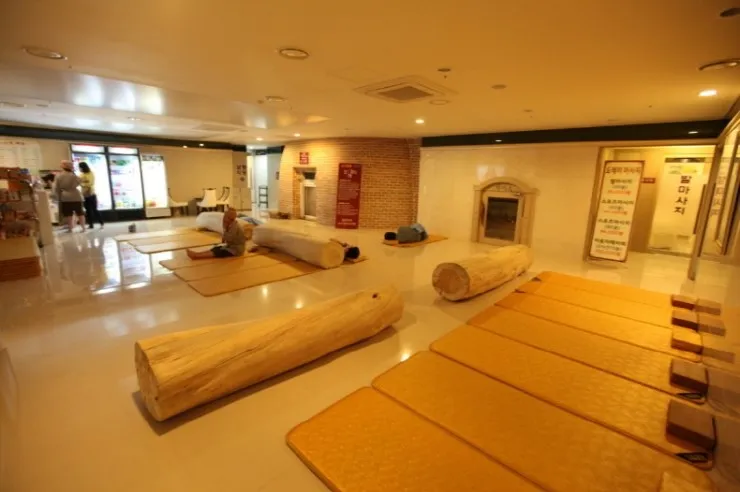
Public bathhouses have a long history as communal spaces in Korean society. In the 1990s, many bathhouses incorporated “bulgama” (high-temperature heated rooms), which led to the rise of large-scale jjimjilbangs equipped with various themed rooms. Unlike traditional bathhouses, jjimjilbangs offer dry saunas, steam rooms, ice rooms, jade rooms, clay rooms, and more, allowing visitors to sweat out toxins while watching TV or resting in spacious relaxation areas.
Most jjimjilbangs operate 24/7, making them a popular overnight resting place. They often include amenities like comic book rooms, PC gaming zones, restaurants, and massage services, functioning almost like an indoor theme park. On weekends, you’ll find families, groups of friends, and young adults lounging in warm spaces, chatting, and enjoying light snacks.
How to Enjoy a Jjimjilbang: From Entrance to Exit
When visiting a jjimjilbang, you’ll first take off your shoes and place them in a shoe locker before checking in at the reception desk, where you’ll receive a set of jjimjilbang clothes (a t-shirt and shorts) and a towel. Admission fees vary depending on location and facility size, with different daytime and nighttime rates.
Typically, guests start by showering and soaking in the bathhouse or sauna area before heading to dry sauna rooms to sweat it out. Each sauna room has different temperatures and benefits, so choose one that suits your comfort level. If you’re new to jjimjilbangs, start with a lower-temperature room and gradually work your way up, remembering to stay hydrated and take breaks in the relaxation areas. Many jjimjilbangs feature themed rooms such as salt therapy rooms, charcoal saunas, and yellow soil rooms, adding an extra layer of experience.
Popular Jjimjilbang Snacks and Meals
A jjimjilbang experience wouldn’t be complete without classic snacks like shikhye (sweet rice drink), steamed eggs, and buckwheat noodles. Shikhye, made from barley malt, is a refreshing and slightly sweet drink that helps cool the body after a hot sauna session. The tradition of lightly cracking a steamed egg shell with one’s teeth before peeling it adds a playful touch that people of all ages enjoy.
Many large jjimjilbangs have food courts or casual restaurants offering a variety of meals, including Korean favorites like bibimbap, stews, kimbap, ramen, and even fried chicken. Some locations even have cafés, allowing guests to enjoy desserts like patbingsu (shaved ice with red beans) or fresh juice. The ability to eat, rest, and continue relaxing freely within the jjimjilbang is one of its biggest attractions.
A Place for Family Bonding
Jjimjilbangs are more than just saunas—they are also family-friendly spaces where all generations can relax together. While children might prefer the cooler relaxation rooms or entertainment areas with animated films, adults can enjoy high-temperature saunas or indulge in massage chairs. The communal setting makes jjimjilbangs a comfortable place for families to spend quality time together.
Additionally, many jjimjilbangs have designated sleeping areas, making them a convenient and budget-friendly overnight stay option for travelers or those who cannot return home late at night. Some people even visit jjimjilbangs regularly at the end of the month as an economical way to reduce electricity and heating costs at home.
Spa & Resort Experiences: A Luxurious Retreat
For those seeking a more luxurious experience, spa resorts offer higher-end facilities that combine jjimjilbang culture with hot spring water and full-body treatments. These resorts provide premium spa programs focusing on skincare, detoxification, and relaxation, often including professional massages and body scrubs. Some locations even feature swimming pools, water parks, and glamping sites, making them a popular choice for weekend getaways and romantic trips.
Regions like Gangwon-do, Chungcheong-do, and Gyeongsang-do are famous for their natural hot springs, with many hotels offering packages that include hot springs, spa treatments, and jjimjilbang experiences. Water park-style spa resorts provide outdoor hot springs, hydrotherapy pools, and themed baths, ensuring a fun and rejuvenating experience for guests of all ages. If you’re looking for a short weekend escape surrounded by nature, a spa retreat is an excellent choice.
Jjimjilbang Etiquette: Loud vs. Quiet Spaces
Since jjimjilbangs are communal environments, it’s crucial to be mindful of others. Avoid loud conversations in relaxation or sleeping areas, and keep your phone on silent mode. Light and respectful conversations are acceptable in sauna rooms, but late at night, it’s important to be extra considerate as some guests may be sleeping.
In the bathhouse, maintain hygiene by not sharing towels or razors and keeping personal items neatly stored. Always wash thoroughly before entering pools or saunas, and dry off before moving between different areas to prevent unnecessary water messes. While these etiquette rules are second nature to most Koreans, first-time visitors can simply observe locals to get a sense of socially accepted behavior.
How to Enjoy Jjimjilbangs Safely
While sweating in a hot sauna can have health benefits, staying inside for too long can cause dehydration or dizziness. It’s essential to drink plenty of water or electrolyte-rich drinks and take regular breaks in cooler areas. People with heart conditions or high blood pressure should opt for lower-temperature rooms and avoid extreme heat exposure.
If you feel sticky or excessively sweaty, alternating between hot and cold baths can help improve circulation. However, avoid sudden plunges into cold water, as this can shock your system. Instead, gradually adjust to the temperature to keep your body comfortable. The key is to listen to your body and prioritize relaxation rather than endurance.
Unique and Themed Jjimjilbangs
In recent years, themed or “concept” jjimjilbangs have gained popularity, including jjimjilbang cafés with stylish interiors, Instagram-worthy photo zones, and specialty beverages. Some locations offer panoramic outdoor views, rooftop hot baths, or even scented therapy rooms to enhance relaxation.
Fashion-forward jjimjilbangs collaborate with designers to create modern sauna outfits, while some incorporate aromatherapy and ambient lighting in their dry saunas for a heightened sensory experience. These trendy spots are so popular that reservations may be necessary, so be sure to check availability before visiting.
Conclusion: Refresh Your Body and Mind
Korean jjimjilbangs and spas are more than just places to bathe—they serve as social hubs and sanctuaries for relaxation. Whether it’s chatting with friends, sharing a meal with family, or simply enjoying a deep-tissue massage, jjimjilbangs allow you to recharge physically and mentally.
The next time you’re feeling stressed or tired, why not try a jjimjilbang? The heat, the steam, and the soothing atmosphere will melt away your worries, leaving you refreshed and rejuvenated. If you’re looking for a perfect weekend getaway that combines rest, healing, and social interaction, jjimjilbangs are a must-visit in Korea!
K-Name Studio: Create your perfect Korean name based on your personality and style.
What’s My K-Beauty Personal Color?
WeBring Service : Provides personalized services to foreigners living in Korea
Exclusive offer: Introducing foreign car rental in Korea, WeBring-SoCar
- Jjimjilbang Traditional Market Course: 3 Seoul One-Day Healing Routes with Gwangjang Market
- Korean Jjimjilbang Guide for Foreigners: Step-by-Step Bathhouse Manual
- Korea Hot Spring Guide: Asan & Bugok Itinerary
- Gangwon Hot Spring Spa Visit Course: 4 Routes Compared
Last updated: 22 September 2026
Prices, opening hours and transport schedules change with the season and the operator. Check the official channel again before you go.
WeBring operates its own Korea tour and vehicle services. The following is a promotion for that service.
Explore Korea's mountains — guides in your language
Courses, transport and seasonal tips for 30 mountains, from Bukhansan to Hallasan, available in 11 languages. Pick up essential travel Korean and find events for the global community, too.