
The Korea Seowon Hyanggyo Tour is a Korean-style road trip that traces the spaces of Joseon-era Confucian (Neo-Confucian) learning. This guide bundles UNESCO’s 9 components of “Korean Seowon” with representative Hyanggyo into four routes — Yeongnam, Jeolla, Daegu/Gyeongnam, and a full loop — so first-time visitors can follow the route, hours, and admission without getting lost.
Korea Seowon Hyanggyo Tour Basics: How Seowon Differ from Hyanggyo
1) Hyanggyo (鄕校): Public, Government-run Schools
Hyanggyo were established in most counties under King Sejong, eventually reaching about 329 locations. Each Hyanggyo is split into two zones.
- Munmyo (ritual zone): Daeseongjeon (shrine for Confucius) plus Dongmu/Seomu (tablets of sages)
- School (lecture zone): Myeongnyundang (lecture hall) plus Dongjae/Seojae (dormitories)
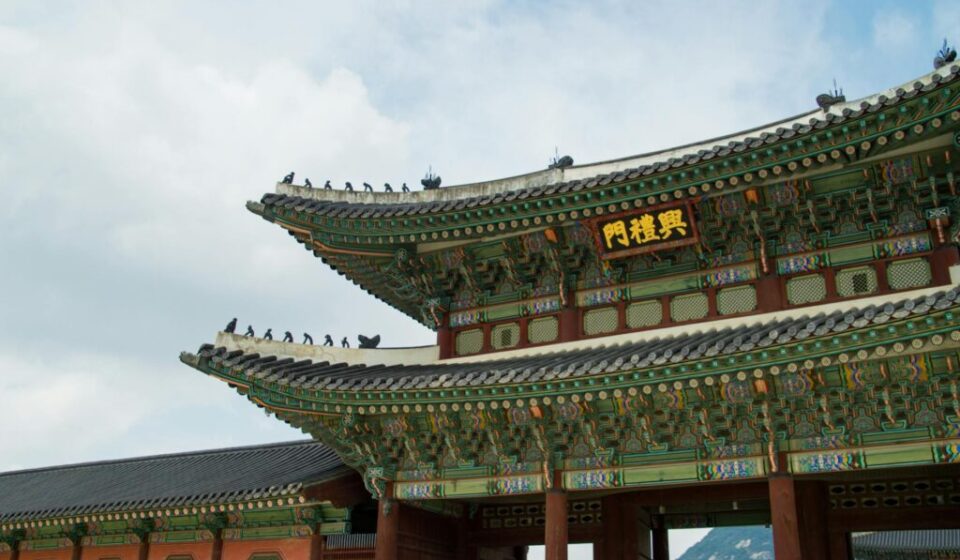
Having “study and ritual” in one compound is the heart of a Hyanggyo. Knowing this layout up front makes the architecture far more legible on a Korea Seowon Hyanggyo Tour.
2) Seowon (書院): Private Neo-Confucian Academies
“Seowon, Korean Neo-Confucian Academies” is a serial property of nine Seowon built between the mid-16th and 17th centuries. Their core functions — learning, veneration, and exchange — are summarised on the Cultural Heritage Portal. For details, see Korea Heritage Service.
UNESCO notes that the nine Seowon “show how Neo-Confucianism imported from China was adapted in a distinctly Korean way” (UNESCO World Heritage 1498). In short: Hyanggyo are public, Seowon are private; both combine study and ritual, but their operators and character differ. If learning Korean is your bottleneck, the Korean language test strategy guide is also worth a look.
UNESCO’s 9 Korean Seowon Checklist
UNESCO lists “Seowon, Korean Neo-Confucian Academies” as nine sites:
- Sosu Seowon (Yeongju)
- Namgye Seowon (Hamyang)
- Oksan Seowon (Gyeongju)
- Dosan Seowon (Andong)
- Piram Seowon (Jangseong)
- Dodong Seowon (Dalseong)
- Byeongsan Seowon (Andong)
- Museong Seowon (Jeongeup)
- Donam Seowon (Nonsan)
Korea Seowon Hyanggyo Tour: 4 Recommended Routes by Length and Region
Route A) Yeongnam (Yeongju · Andong · Gyeongju) 3D2N “Neo-Confucian Road”
This is the densest cluster of UNESCO Seowon, with strong city access and high satisfaction for foreigners and first-timers. If you’re new to a Confucian study trip, start here.

Day 1 — Yeongju: “Where Seowon Began” — Sosu Seowon
- Hours by season: spring/autumn 09–18, summer 09–19, winter 09–17
- Admission covers Seonbichon and the Sosu Museum
- Afternoon: cafés, hanwoo or gukbap in Yeongju → transfer to Andong (recommended overnight base)
Day 2 — Andong: Riverside Scenery + Seowon Architecture

- Morning: Dosan Seowon (Andong) — 09–18 (summer), 09–17 (winter), open year-round.
- Afternoon: Byeongsan Seowon (Andong) — 09–18 (summer) / 09–17 (winter), free. English/Japanese/Chinese leaflets and interpretation are noted.
- Evening: Andong jjimdak, heotjesatbap and other “Andong-style” dinners.
Day 3 — Gyeongju: Wrap with a Seowon and a Hyanggyo
- Morning: Oksan Seowon (Gyeongju) — 09:00–18:00 (Oct–Mar 17:00), per published guidance.
- Afternoon: Gyeongju Hyanggyo — 09:00–18:00, free.
Bundling three Seowon (private) with one Hyanggyo (public) lets you grasp the entire Joseon education system in one trip. For more on Gyeongju logistics, see the Gyeongju 2-day Bulguksa guide.
Route B) Jeolla 2D1N “Hanok Vibes + Confucian Culture” (Jeonju Base)
Jeonju’s hanok stays and food, plus two nearby UNESCO Seowon, make this a short Korea Seowon Hyanggyo Tour route.

Day 1 — Jeonju (Hyanggyo) + Jeongeup (Seowon)
- Morning: Jeonju Hyanggyo — winter 10:00–17:00, summer 09:00–18:00, closed Mondays (next weekday if Monday is a holiday). Famous for a 400-year-old ginkgo tree in autumn. Pair it with the Jeonju Hanok Village hanbok itinerary.
- Afternoon: Museong Seowon (Jeongeup) — daily 10:00–17:00, free.
Day 2 — Jangseong (Seowon) + Damyang/Gwangju Add-ons
- Morning: Piram Seowon (Jangseong) — weekdays 09:00–18:00, free.
- Afternoon: extend to Damyang (bamboo forest, cafés) or Gwangju (food, exhibitions).
Route C) Daegu/Gyeongnam 2D1N “Two Seowon + One City Hyanggyo”
Daegu offers easy transit and lodging, and is a natural anchor for Dodong Seowon (UNESCO) plus Namgye Seowon in Hamyang.
- Day 1 — Daegu: visit Dodong Seowon (Dalseong). Hours vary by source (one source lists 08:00–20:00); confirm before you leave. Stay around Dongseongno or Suseong Lake.
- Day 2 — Hamyang: Namgye Seowon (UNESCO), 10:00–17:00 per the tourist information centre, free. Afterwards, drive or café-hop near Jirisan to wrap up the “nature + Confucian” pairing.
Route D) Full 9-Seowon Loop, 6D5N (Car Recommended)
For Confucian devotees and World Heritage completists. A circular routing minimises backtracking.
- Day 1: Seoul → Donam Seowon (Nonsan, Chungnam)
- Day 2: Museong Seowon (Jeongeup) → Piram Seowon (Jangseong)
- Day 3: Namgye Seowon (Hamyang) → overnight in Daegu
- Day 4: Dodong Seowon (Daegu) → transfer to Andong
- Day 5: Dosan Seowon → Byeongsan Seowon (Andong)
- Day 6: Oksan Seowon (Gyeongju) → Sosu Seowon (Yeongju) → return to Seoul
The nine UNESCO components are spread across the central and southern regions, so completing them by public transport is hard; a car is far more efficient.
5 Viewing Points That Make a Korea Seowon Hyanggyo Tour Memorable
- Spot the “study front, ritual back” layout: Museong Seowon and the Hyanggyo distinguish their Munmyo and lecture zones; finding this axis is half the fun.
- Pavilions (nuru) frame the landscape: Seowon were placed near mountains and water, deliberately designed to merge with scenery, as UNESCO emphasises.
- “Whom they enshrined” defines a Seowon’s character: official sources repeatedly note that the connection to a specific scholar shapes the site’s location.
- Hyanggyo in town, Seowon in nature: the public-school Hyanggyo were built near administrative offices, while private Seowon leaned toward natural settings — feeling that contrast changes the trip.
- Quiet walks raise satisfaction: instead of chasing photo spots, follow the gate → courtyard → lecture hall → shrine sequence to read the architecture as a story.
Korea Seowon Hyanggyo Tour Pre-Visit Checklist
- Hours and closures change with season, ritual days (jehyangil), and local government operations; portal information varies between sites.
- These are quiet spaces; loud talking, running, and outside food are discouraged (Byeongsan Seowon explicitly bans outside food).
- If foreign visitors are joining, the 1330 Tourist Interpretation Hotline (English etc.) is widely listed in travel info. Pair with the quiet Bukchon Hanok Village walking route for a serene Seoul day.
Pairing Ideas Around the Korea Seowon Hyanggyo Tour
- Andong cluster: Hahoe Folk Village + Byeongsan Seowon + Dosan Seowon
- Gyeongju cluster: Oksan Seowon + Gyeongju Hyanggyo + (Yangdong Village · Bulguksa · Seokguram)
- Jeonju cluster: Jeonju Hanok Village + Jeonju Hyanggyo + Museong Seowon
Hours and Fees at a Glance
Operating times are the most common scheduling pitfall. Sources can disagree, so confirm via the official site or phone before you go. The table below summarises the values most often quoted.
| Site | Region | Hours | Fee | Notes |
|---|---|---|---|---|
| Sosu Seowon | Yeongju | Spring/Autumn 09–18 / Summer 09–19 / Winter 09–17 | Paid (incl. Seonbichon, Sosu Museum) | “Where Seowon began” |
| Dosan Seowon | Andong | 09–18 (summer) / 09–17 (winter) | Paid | Open year-round |
| Byeongsan Seowon | Andong | 09–18 (summer) / 09–17 (winter) | Free | No outside food |
| Oksan Seowon | Gyeongju | 09:00–18:00 (Oct–Mar 17:00) | Free | Pair with Yangdong Village |
| Gyeongju Hyanggyo | Gyeongju | 09:00–18:00 | Free | Public Hyanggyo example |
| Jeonju Hyanggyo | Jeonju | Summer 09:00–18:00 / Winter 10:00–17:00 | Free | Closed Mondays · ginkgo tree |
| Museong Seowon | Jeongeup | Daily 10:00–17:00 | Free | Study-front, ritual-back layout |
| Piram Seowon | Jangseong | Weekdays 09:00–18:00 | Free | Honam Confucian hub |
| Dodong Seowon | Dalseong, Daegu | Varies (e.g. 08:00–20:00 listed) | Free | Verify on-site notice |
| Namgye Seowon | Hamyang | 10:00–17:00 (per tourist office) | Free | Pair with Jirisan |
| Donam Seowon | Nonsan | Check site notice | Free | Chungnam component of the 9 |
Korea Seowon Hyanggyo Tour Transit and Booking Tips
Whether public transport or a car works better depends on the route. Yeongnam (Yeongju · Andong · Gyeongju) can be reached comfortably with KTX and intercity buses plus local services — manageable for foreign visitors. Outlying Seowon such as Dodong (Dalseong), Namgye (Hamyang) and Donam (Nonsan) are easier with a car, and the 9-Seowon loop (Route D) effectively assumes one.
- KTX/SRT: hubs like Andong, Gyeongju, Jeonju, and Nonsan are reachable in 1–3 hours by KTX/SRT.
- Intercity/express buses: Yeongju, Jeongeup, Jangseong, Dalseong, and Hamyang are often better served by intercity buses.
- Local city/county buses: many Seowon and Hyanggyo sit on the urban edge; intervals can be long. Check timetables via 1330, KakaoMap, or NaverMap in advance.
- Taxi/rental car: Dodong, Namgye, and Donam usually warrant a taxi for the last mile or a rental car overall.
- Guided tours and bookings: some Seowon offer pre-booked group interpretation, and on jehyangil ritual days general visits may be limited.
Korea Seowon Hyanggyo Tour FAQ
Q1. What is the biggest difference between Seowon and Hyanggyo?
Hyanggyo are local public-education institutions, while Seowon are private Neo-Confucian academies. Both combine study and ritual functions, but they differ in operator and character.
Q2. Which 9 sites make up UNESCO’s “Korean Seowon”?
The UNESCO components are Sosu, Namgye, Oksan, Dosan, Piram, Dodong, Byeongsan, Museong, and Donam Seowon — nine sites in total.
Q3. Which Korea Seowon Hyanggyo Tour route is best for first-timers?
Start with the Yeongnam 3D2N route: Yeongju (Sosu) — Andong (Dosan, Byeongsan) — Gyeongju (Oksan + Gyeongju Hyanggyo). It lets you compare a Seowon and a Hyanggyo back-to-back.
Q4. Why are Seowon often near mountains and water?
UNESCO explains that Seowon were positioned near mountains and water sources to support contemplation of nature and self-cultivation.
Q5. Which buildings should I look for in a Hyanggyo?
Daeseongjeon (the shrine for Confucius’s tablet) and Myeongnyundang (the lecture hall) are the central buildings, joined by Dongmu/Seomu and Dongjae/Seojae as supporting structures.
Q6. Roughly what about hours and admission fees?
Many sites are free (e.g. Byeongsan Seowon), while some charge admission (e.g. Dosan Seowon). Policies and seasonal notices change, so confirming the latest information before visiting is the safest move.
Image credits
- Sosu Seowon photo: Photo by Kimhs5400 / Wikimedia Commons (CC BY-SA 4.0)
- Byeongsan Seowon photo: Photo by Robert at Picasa / Wikimedia Commons (CC BY 3.0)
- Gangneung Hyanggyo Daeseongjeon photo: Wikimedia Commons (Public domain)
K-Name Studio: Create your perfect Korean name based on your personality and style.
What’s My K-Beauty Personal Color?
WeBring Service : Provides personalized services to foreigners living in Korea
Exclusive offer: Introducing foreign car rental in Korea, WeBring-SoCar
- Jeonju Gyeonggijeon Hyanggyo Walk: Quiet Korean Heritage Course
- Korea UNESCO Travel Destinations: 15 Sites Ranked
- Korean Traditional Architecture Tour: Hanok, Seowon, Temple Best Routes (4-Day Plan)
- Gyeongju Andong Heritage Tour: Discover Korea’s Ancient Roots
Last updated: 22 September 2026
Prices, opening hours and transport schedules change with the season and the operator. Check the official channel again before you go.
WeBring operates its own Korea tour and vehicle services. The following is a promotion for that service.
Explore Korea's mountains — guides in your language
Courses, transport and seasonal tips for 30 mountains, from Bukhansan to Hallasan, available in 11 languages. Pick up essential travel Korean and find events for the global community, too.