
Foreigner Korea Hospital Visit Guide: Registration, Consultation, Payment, Pharmacy

Foreigner Korea hospital visits feel intimidating the first time, but the system is one of the most predictable healthcare workflows globally. Once you walk through the four core steps — registration, consultation, payment, pharmacy — every subsequent visit takes about five minutes. This guide walks foreigner Korea hospital visits step-by-step, with the specifics that international residents trip on most: ID requirements, the prescription/pharmacy split, outpatient vs ER differences, referrals, prescription validity (typically 14 days), and English medical certificates.
10-second summary
- Step 1 Registration (접수): bring ARC, fill out visit slip, get queue number
- Step 2 Consultation (진료): see the doctor in your assigned room
- Step 3 Payment (수납): settle the visit fee at the cashier
- Step 4 Pharmacy (약국): take the prescription to a nearby pharmacy
That sequence holds for outpatient clinics, hospital outpatient departments, and most specialty clinics. ER follows a different flow — see the section below.
Step 1: registration
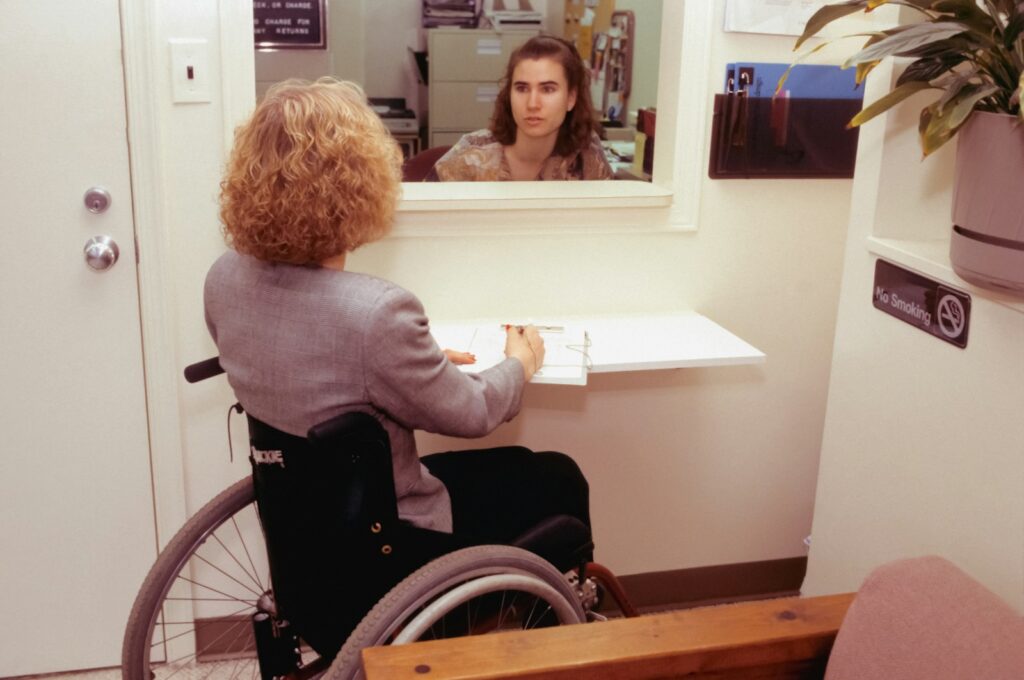
At the front desk, you typically need: Alien Registration Card (ARC) or passport, your insurance card if applicable, and a brief description of symptoms. The receptionist will:
- Confirm your visit type (first-time vs returning)
- Verify your NHIS coverage (or note self-pay)
- Direct you to the appropriate department
- Give you a queue number printed slip
First-time visits at large hospitals usually take 5–10 minutes longer because of file setup. Outpatient clinics process you in 1–2 minutes.
Step 2: consultation
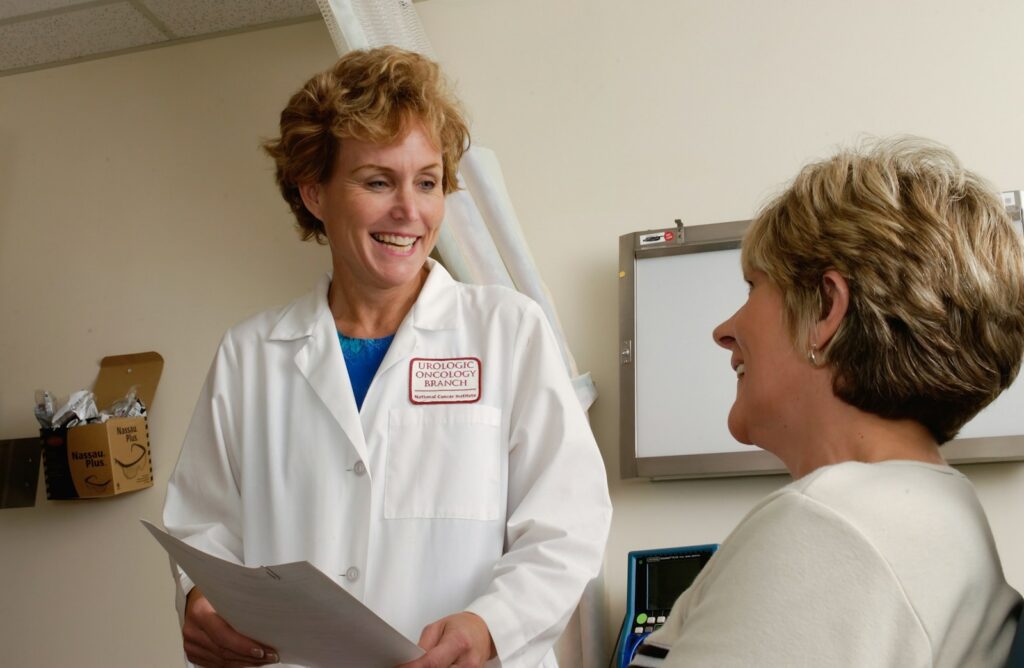
The actual doctor consultation typically runs 5–15 minutes (Korean primary care is famous for short slots). Bring:
- Symptoms list, written in English or Korean
- Medication list (current + allergies)
- Smartphone translator if Korean is limited
At specialty clinics or hospitals you usually need a referral (진료의뢰서) from a primary care clinic to access the lower NHIS co-pay rate. Without referral, NHIS co-pay jumps from 30% to closer to 60% at tertiary hospitals.
Step 3: payment & Step 4: pharmacy

After consultation, the doctor signs your visit slip; carry it back to the cashier. Typical fee bands:
- Outpatient clinic (NHIS-covered): KRW 5,000–15,000
- Hospital outpatient: KRW 15,000–40,000 (with referral) / KRW 30,000–60,000 (without)
- Specialist consultation: KRW 10,000–25,000
Korea operates strict medical-pharmacy separation (의약분업) — clinics issue prescriptions, pharmacies dispense medication. Take the prescription to any pharmacy within 14 days (default validity) for the medications. Pharmacy itself takes 5–10 minutes.
Emergency room (ER) flow
ER (응급실) follows a different sequence — triage by severity (KTAS), longer wait if non-critical, no out-of-pocket cap. Costs run KRW 50,000–200,000 even with NHIS coverage for non-critical ER visits, so use it for genuine emergencies only. Out-of-hours pediatric care has its own dedicated network — search “달빛어린이병원” for the closest 22:00–24:00 clinic.
English medical certificates
For visa renewal, insurance claims, or back-home reimbursement, request an English medical certificate (영문 진단서). Cost is typically KRW 20,000–40,000 per page; large hospitals (Severance, Samsung, Asan) issue them within 1–2 hours. Smaller clinics may need 1–2 business days. Always request before paying so it gets processed in the same visit.
Step 0: choosing the right kind of hospital
The most common mistake is starting at a large hospital. Appointments, referral requirements and queues make it slower, not faster, for ordinary complaints.
| Symptom or situation | Where to go | Why |
|---|---|---|
| Cold, fever, stomach upset, skin irritation, minor pain | Neighbourhood clinic (의원) | Same-day visit, lowest cost |
| Likely to need CT/MRI, surgery or admission | General hospital (종합병원) | Equipment and testing range |
| Cancer, serious or rare disease, specialist care | Tertiary hospital (상급종합병원) | Specialist centres — check referral rules first |
| Breathing difficulty, chest pain, loss of consciousness, major trauma | Emergency room | Delay is the risk |
What to bring
Identity checks at reception were tightened on 20 May 2024, so bring photo ID even for a routine visit.
- Passport or Alien Registration Card — required for insured treatment
- Mobile NHIS card app, if you have it — an accepted form of verification
- Cash or card — for the consultation, any tests, and the pharmacy afterwards
- A list of medications and allergies — to avoid interactions
- A note on your symptoms — when it started, where, how severe. Consultations are short; the note decides how accurate they are.
If your ARC has not arrived yet
Insured treatment is sometimes possible before the card itself is issued, using a certificate of alien registration instead. Practice varies, so confirm with the hospital’s reception desk or with NHIS on 1577-1000 before your visit.
Matching your symptom to a department
Reception will ask which department you want. Naming it yourself saves a round trip.
| Symptom | Department |
|---|---|
| Runny nose, cough, sore throat, ear pain | Otolaryngology (이비인후과) |
| Fever, body aches, abdominal pain, diarrhoea | Internal medicine (내과) |
| Rash, itching | Dermatology (피부과) |
| Sprains, joint pain, suspected fracture | Orthopaedics (정형외과) |
| Eye pain, redness, vision problems | Ophthalmology (안과) |
| Women’s health, pregnancy | Obstetrics and gynaecology (산부인과) |
| Children and adolescents | Paediatrics (소아청소년과) |
| Tooth pain, oral problems | Dentistry (치과) |
The referral letter, and why it is the costliest thing to get wrong
This is where foreign patients lose the most money. Tertiary hospitals generally require a referral (요양급여의뢰서) for insurance to apply, and many state plainly that without one you pay 100% of the cost yourself.
- Ask “do I need a referral?” before booking, not on arrival.
- If you are unsure, the safe route is clinic first, referral issued, then the large hospital.
- Statutory exceptions exist — emergencies, childbirth and family medicine among them — so check whether yours applies.
- Ask the issuing clinic whether there is a separate fee for the referral.
A referral does not automatically cut the bill to a fixed fraction. What you pay still depends on which items are covered and which are not.
Your prescription has an expiry date
Korean prescriptions carry a printed validity period, and dispensing is meant to happen inside it. Once it lapses the pharmacy cannot fill it, because your condition may have changed — you need a fresh consultation.
Periods vary; some hospitals have moved outpatient prescriptions from seven days to fourteen. Follow the date printed on your own copy rather than a general rule.
When something goes wrong
You forgot your ID
Ask reception about mobile verification or whether you fall under an exception. In an emergency, do not delay treatment to fetch documents. If you are insured but had to pay in full because identity could not be verified, you can generally apply for re-settlement within 14 days by returning with your ID and receipt — confirm the hospital’s procedure.
You lost the prescription
Within the validity period it can usually be reissued. After it expires you will need to return to the doctor for a new one. Call the hospital and ask before making the trip.
What to collect at the payment desk
- Receipt — for insurance claims and tax deduction
- Outpatient prescription — to hand to the pharmacy
- Any follow-up or test booking slip
Claiming on insurance from outside Korea usually needs an itemised statement and sometimes a medical certificate. English-language documents are charged per certificate and the fee varies by hospital, so ask before requesting them.
Predictable once you do it once
Foreigner Korea hospital visits look complicated from the outside but follow the same four-step pattern at every clinic and hospital — registration, consultation, payment, pharmacy. Bring your ARC, list symptoms in advance, get a referral if visiting a specialty hospital, and request an English certificate the same day if needed. After the first visit, the rest take five minutes each.
Hospital visits in Korea: FAQ
Why do I have to go to a separate pharmacy?
Korea separates prescribing from dispensing by law. Doctors diagnose and prescribe; pharmacists dispense. Hospitals and pharmacies are therefore separate businesses in most cases.
Can I go straight to a large hospital?
Not usually, if you want insurance to apply. Tertiary hospitals require a referral outside the statutory exceptions, and without one your treatment may not be covered.
Do I have to use the self-service payment machine?
No. Almost every hospital runs staffed counters alongside the machines. Use whichever you find easier.
Is a passport enough, or do I need the ARC?
For insured treatment, bring the ARC or another accepted form of identification; the mobile NHIS card also counts. With only a passport, ask reception what additional documents they need. Exceptions apply for emergency patients and some other groups.
I need language help at the hospital
See our guide to medical interpretation in Korea, which covers booking an interpreter in advance and the public services that arrange one.
Procedures described here follow national rules current in 2026; individual hospitals vary in how they apply them, and fees for certificates and referrals are set by each institution. Confirm requirements with the hospital or with the National Health Insurance Service (1577-1000). This guide is general information, not medical or legal advice.
K-Name Studio: Create your perfect Korean name based on your personality and style.
What’s My K-Beauty Personal Color?
WeBring Service : Provides personalized services to foreigners living in Korea
Exclusive offer: Introducing foreign car rental in Korea, WeBring-SoCar
- How to Visit a Korea Hospital: Appointments, Treatment, and Insurance Claims for Foreigners
- NHIS for international students: A Complete Guide to Healthcare in Korea
- Student Insurance Korea: Medical, Dental & Hospital Guide
- Korean Healthcare System: 3 Things to Know When You Get Sick in Korea
Last updated: 22 September 2026
Coverage, premiums and eligibility differ by product and by date. This article is general information — it is not a recommendation to buy a particular policy and it does not guarantee any coverage. Read the policy documents before you sign up; for National Health Insurance, call 1577-1000.
WeBring operates its own insurance brokerage service for foreign residents. The following is a promotion for that service.
Insurance that fits your stay in Korea — from 5,000 KRW/month
Student, work, travel or driving — get the right coverage explained in your own language.