
6 Ways to Book the Cheapest Flights to Korea

Need to book the cheapest flights to Korea? Hello everyone! I’m a frequent international traveler and I’m a master at booking flights. Today, I’m going to show you how to book a flight to Korea at the lowest possible price. Did you know that tickets for the same dates and the same airline can vary greatly in price depending on the booking tips you use? By the end of this post, you’ll be a master of airline ticket booking just like me. Let’s get started! This article is part of the Korea Travel Guide: 55 Tips for Foreigners on Getting to Know Korea series.

1. Cheapest flights to Korea, need to book fast! Book early!

The first tip is to book early – airlines usually start selling tickets a year in advance of your departure date, which is when you’ll find the best prices. If you’ve already finalized your travel plans, don’t hesitate to book early – early bird deals are limited and can go quickly, especially for peak season flights.

Cheapest Flights to Korea

2. Aim for unpopular days, unpopular times!

The second tip is to choose “off-peak days and times.” The price of airline tickets to Korea varies depending on the day of the week and time of day. Flights from Monday through Thursday, especially Tuesday and Wednesday, tend to be the cheapest. Weekends and holidays tend to be more expensive due to high demand. Also, flying around dawn, lunchtime, and midnight can be a good way to avoid crowds and save money.

3. Compare round-trip and one-way prices!

The third is a “round-trip vs. one-way” price comparison. Most of the time, round-trip flights are cheaper than one-way, but sometimes it’s cheaper to book two one-way flights. Try searching for both round-trip and one-way prices on online booking sites, and compare the total – you might find an unexpected combination that gives you the best deal. When booking two one-way flights, make sure you have plenty of time for your outbound and return flights!

4. Get acquainted with LCC, a league of their own!

Our fourth tip is to utilize low-cost carriers (LCCs)! LCCs are all the rage these days, selling tickets to Korea for 30-50% less than traditional airlines. You can find even better deals during the off-season and mid-season. They’re perfect if you’re traveling light and don’t need in-flight meals. You can find great deals on Korean domestic LCCs like Air Seoul, Jin Air, and Istar, as well as international LCCs like AirAsia.

5. Collecting points, let’s get started!

The final tip is to utilize miles and points. If you have a credit card that’s partnered with an airline, you can earn free flights with the miles you earn. As you move up the card’s tiers, you’ll get extra baggage, lounge access, and other perks. It’s also a good idea to collect points from online booking sites, which can be used to redeem discount coupons that can significantly reduce the price of your ticket.

6. Utilizing price comparison sites is a must

Many services offer airline ticket price comparison services these days. One of the most popular is Google Flights. There are many other airfare comparison sites such as Kayak, Skyscanner, Trip.com, and others, but Google Flights is the only one that allows you to track prices. Even when you’re planning a trip to Korea, you can register where you live and the country you’re traveling to, and use price tracking to get the best deals.

Google Flights

So there you have it, my top 6 tips for booking cheapest flights to Korea based on my own experience and research: book early, choose off-peak days/times, compare roundtrip/one-way, use LCCs, use miles/points, and use price comparison sites. It may seem obvious to some, but when you’re thinking about traveling, every dollar you save on your flight is a dollar you can spend elsewhere on your trip to make your trip more enjoyable.

If you have a strategy that works for you, you’re bound to find the cheapest flights to Korea. I’m cheering you on until the day you’re making amazing memories in Korea without worrying about money. Next time, I’ll share how to travel on the cheap in Korea. Stay tuned!

10 Things to Do Before Traveling to Korea – The Essential Guide for a Hassle-Free and Safe Trip

Traveling to Korea

Hello, everyone! I know you’re excited about your upcoming traveling to Korea, and I’m sure you’re getting ready for it! Based on my years of traveling around the world, I’ve put together a list of things you should check before you arrive. I hope this guide will help you prepare for your traveling to Korea, and I wish you a relaxing and enjoyable time!

traveling to Korea

1. Visa and passport preparation

  • Verify passport validity (must have at least 6 months remaining on date of entry)
  • Check if your nationals are eligible for visa-free entry (for short-term stays of 90 days or less)
  • Apply for a visa through an embassy or consulate in Korea if necessary
  • Check the type of visa (single, multiple, e-visa, etc.) and length of stay
  • Prepare documents required for visa issuance (passport, photo, application form, financial proof, etc.)

For more information, check out our guide to entering Korea for foreigners: Passport, visa, and K-ETA information.

2. Book a ticket and select a seat

  • Book flights to Korea early to get the best price. These days, it’s easy to find the cheapest flights with a Google flight search.
  • Choose a direct flight or a layover (allow enough time for connections)
  • Pre-designate your preferred seat (window, aisle, emergency exit, etc.)
  • Earn airline miles and check availability
  • Understand ticket change and cancellation policies

3. Choose the best place to stay

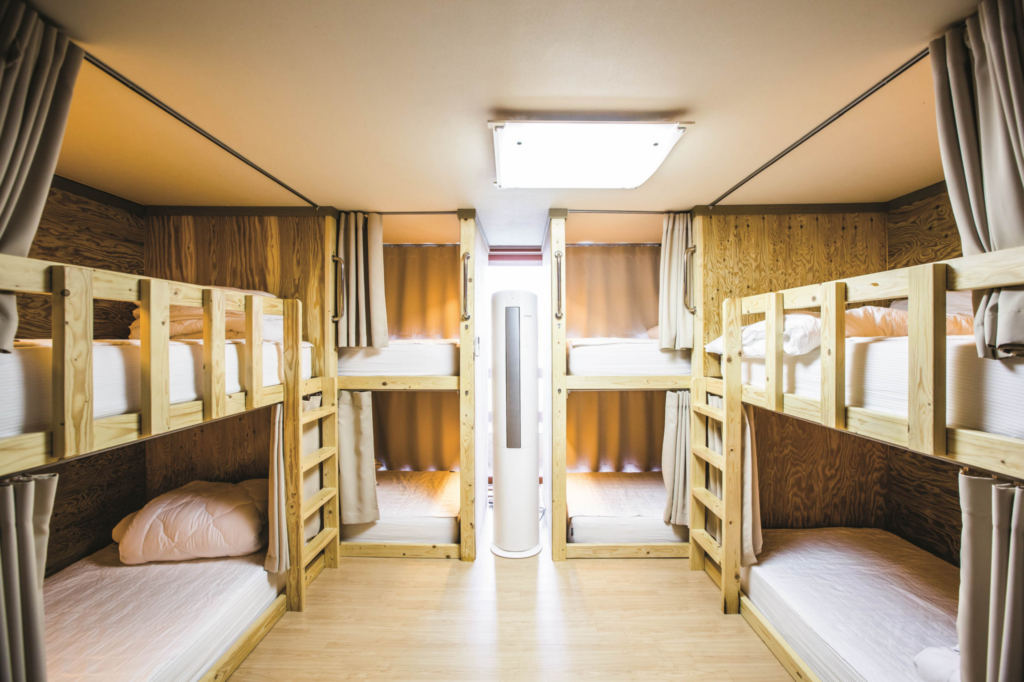
  • Choose the right type of accommodation (hotel, guesthouse, Airbnb, etc.) for your travel goals and itinerary
  • Consider location, access to public transportation, nearby attractions, etc.
  • Check the room type (single, double, twin, etc.), amenities, breakfast included, etc.
  • Compare prices and book through the accommodation booking site
  • Receive a confirmation email and voucher after booking

4. Prepare cash and cards

  • Pre-exchange KRW, the currency of Korea, or plan to use local ATMs
    If you want to learn more about Korea’s currency, the won, see Korea’s currency: A practical guide for foreigners.
  • Bring enough money to cover your average daily expenses per person
  • Bring a credit or debit card that works abroad
  • Notify your issuer that you’ll be using your card abroad before you use it
  • Keep a copy of your card and issuer contact information in case of loss or theft

5. Get travel insurance for your safety and health

  • Choose the right coverage for your trip length and activities
  • Check your coverage for injury, sickness, liability, loss of belongings, and more
  • Provide accurate personal information and itinerary when applying for insurance
  • Carry a copy of your insurance policy and contact information for your insurer

6. Prepare for good communication

  • Learn basic greetings and simple conversations in Korea
  • Install and familiarize yourself with a translator app (Papago, Google Translate, etc.)
  • Sign up for roaming service for your phone in Korea or plan to buy a local SIM card
  • Practice reading Korean menus and ordering in restaurants to make your life easier while traveling

7. Pack smart for travel

  • Choosing clothing and shoes for Korea’s seasons and travel itinerary
    To learn about the seasons in Korea, see Korea weather: 4 seasons guide for expats.
  • Make a checklist of essentials, such as personal hygiene products, medications, and chargers
  • Check suitcase and backpack sizes and weight limits
  • Keep valuables and necessary documents in your carry-on hand luggage
  • Pack liquids in individual containers of 100 ml or less in a zippered bag

8. Familiarize yourself with tips for completing immigration declarations

  • Immigration Declaration Form is a mandatory document to fill out when entering Korea
  • Distributed on board, available in both Korean and English versions
  • Accurately fill in your personal information, contact details in Korea and accommodation address
  • Check the appropriate box based on the purpose of your visit (tourism, business, study, etc.)
  • Sign your name in the signature box after completing all items

9. Understanding Korea’s culture and customs

  • Greetings in Korea (bowing rather than shaking hands is common)
  • Dining etiquette (‘thank you’ before meals and ‘thank you’ after meals).
  • There are also important everyday etiquette, such as removing shoes indoors.
  • Be mindful of public behavioral norms (don’t talk loudly, stand in line, etc.)

10. Traveling to Korea, gathering useful local information

  • Get travel information from the Korea Tourism Organization website and guidebooks
  • Refer to online platforms such as travel blogs and YouTube
  • Organize local information such as Korea’s typical food, shopping spots, transportation, etc.
  • Familiarize yourself with maps and public transportation routes in areas you will visit frequently
  • Save emergency numbers in Korea (112: police, 119: medical/fire)

Congratulations, you’re now fully prepared for your traveling to Korea! We hope this guide has been of practical help in preparing for your trip to Korea. Traveling in an unfamiliar place can sometimes be unexpected, but if you prepare thoroughly beforehand, you’ll be able to overcome any challenges. We wish you a trip to Korea that will be filled with wonderful memories!

Korea Travel Guide: 55 tips to get to know Korea for foreigners

Korea Travel Guide

Need a Korea Travel Guide? I will continue to share various information for foreigners planning a trip or short stay in Korea, which has recently attracted a lot of attention and love from many foreigners due to the interest in K-pop and other new cultures that they have never experienced before. I hope that it will be of practical use to those traveling to Korea and short-term residents. I also have a separate guide for foreigners staying in Korea for a long time, so you can check out various information through that as well.

Korea Travel Guide

I. Preparing to Travel to Korea

II. Transportation and getting around in Korea

  • How to Get from Incheon Airport to Seoul
  • How to use public transportation in Korea (subway, bus, taxi, etc.)
  • Riding trains in Korea (KTX, Mugunghwa, etc.)
  • Flying domestically to Nami Island, Jeju Island, etc.
  • Renting a Car in Korea
  • Bicycle paths and bicycle rentals in Korea
  • Getting around and using navigation in Korea
  • Getting around Korea’s major cities

III. Recommended destinations in Korea

  • Seoul attractions and tourist spots
  • Busan, Gyeongju, and other Gyeongsangnam-do destinations
  • Jeolla-do destinations such as Jeonju and Gwangju
  • Gyeongsangbuk-do: Daegu, Andong, etc.
  • Gangneung, Sokcho, and other Gangwon-do destinations
  • Recommended itineraries for Jeju Island
  • National Parks and Natural Spots in Korea
  • UNESCO World Heritage Sites in Korea

IV. Food and shopping in Korea

  • Korea’s Famous Foods and Eats
  • Foreigners’ Favorite Restaurants in Korea
  • Korea’s cafe and dessert culture
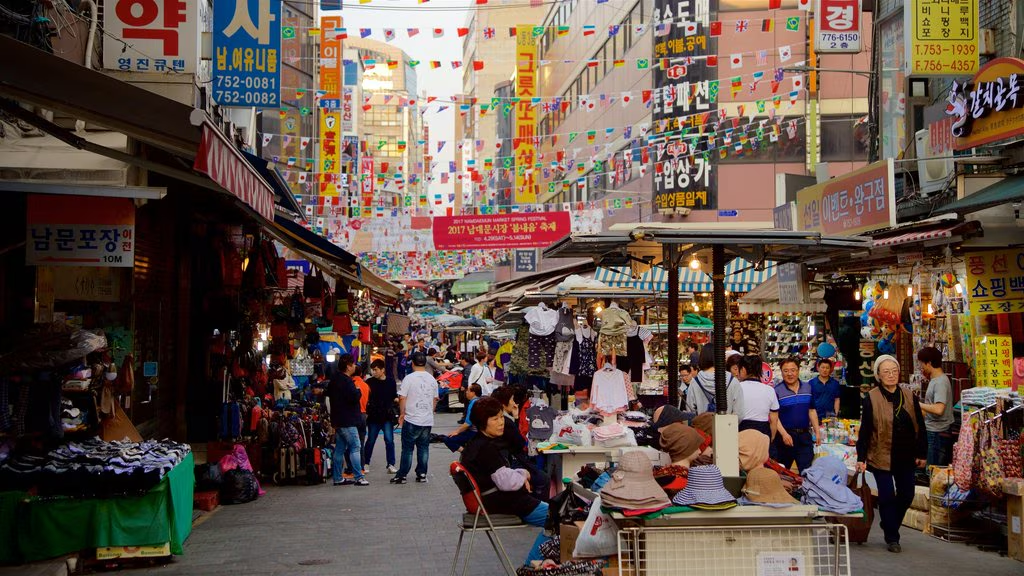
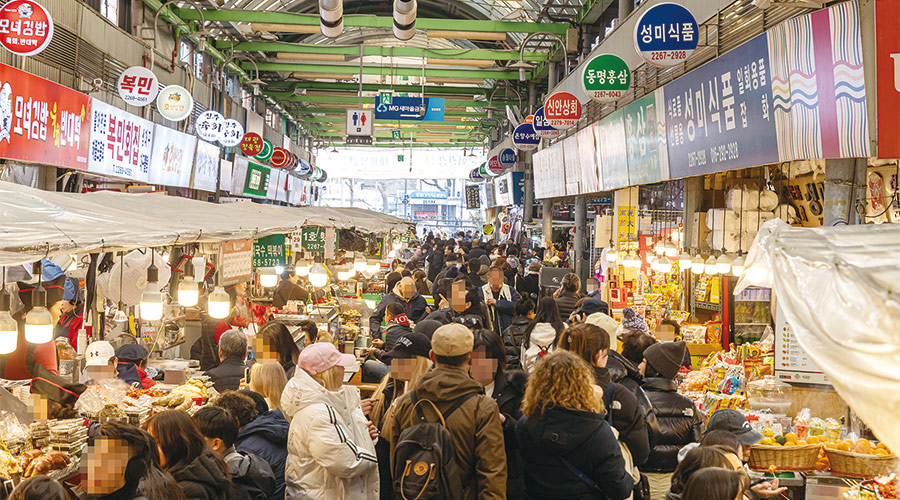
  • Traditional markets in Korea
  • Best places to shop in Korea (Myeongdong, Dongdaemun, etc.)
  • Duty-free shopping tips in Korea
  • Shopping for cosmetics and beauty products in Korea

V. Culture and entertainment in Korea

  • Visit movie and drama filming locations in Korea
  • Attend K-pop concerts and fan meetings
  • Attend traditional performances in Korea (gugak, talu dance, etc.)
  • Touring museums and art galleries in Korea
  • Theme parks and amusement parks in Korea
  • Experience Korea’s esports and gaming culture
  • VR cafes and VR theme parks in Korea
  • Visit places related to Hallyu stars in Korea (Korea Travel Guide)

VI. Must-do experiences in Korea

  • Trying on and renting hanbok
  • Learn traditional tea and tea ceremony in Korea
  • Temple stays and temple culture in Korea
  • Jjimjilbang and steam room culture in Korea
  • Experience Korea’s traditional “hanok” dwellings
  • Seoul nightlife and Han River cruises
  • Night markets and food truck alleys in Korea
  • Nighttime openings at Korea’s ancient palaces and a moonlight tour of Changdeokgung Palace

VII. Travel tips and tricks (Korea Travel Guide)

  • How to handle emergencies while traveling in Korea
  • Public Restrooms and Etiquette in Korea
  • Essential applications while traveling in Korea
  • Simple phrases and body language in Korea
  • Seasonal travel points in Korea
  • Things to watch out for while traveling in Korea
  • Useful services for travelers in Korea
  • Tips and tricks from travel experts in Korea

We’ll cover everything from practical tips to things to do and cultural immersion for your short stay and trip to Korea.(aka. Korea Travel Guide) From pre-arrival preparations to information on public transportation, food, shopping, and attractions, you’ll get a sense of what makes Korea unique. For those of you planning a trip to Korea. There are plenty of articles(this Korea Travel Guide post) and posts out there, but we hope you’ll stop by and check out this weekly roundup of information organized in one place. Thanks, and I’ll keep you posted in another post.

Korea Festivals – 13 must-see festivals for foreigners

Korea Festival

How much do you know about Korea festivals? Today, I’d like to introduce Korea’s fascinating festivals to foreigners living in Korea. Korea has unique festivals in each region throughout the four seasons, giving visitors an unforgettable experience. Having traveled around the world and experienced many festivals, I can tell you that these festivals are a great way to deepen your understanding of Korean culture and have fun. If you’re interested, you should definitely check them out and take part in them all. Let’s take a look at the top festivals for each month from January to December! This is part 24 in a series of articles in The Expat’s Complete Guide to Living in Korea.

1) Pyeongchang Trout Festival, Hwacheon Sancheon Trout Festival

If you want to experience Korea’s winter firsthand, we recommend the Pyeongchang Trout Festival and the Hwacheon Mountain Trout Festival. You can go fishing and catch trout and wild trout, which you can then cook and eat right away. The highlight of the festival is the hands-on programs like catching trout by hand. Even though it’s cold in the middle of winter, you’ll have a great time catching trout with your own hands.

2) Gyeongbokgung Palace Lunar New Year Folk Festival

In January, there are many folk festivals held around the Lunar New Year holiday. One of them is the Lunar New Year Folk Festival held at Gyeongbokgung Palace in Seoul. There are various events such as folk games, Korean music performances, and food markets, and foreign tourists especially love to experience a traditional wedding. It’s a truly exotic and special experience to get married in colorful wedding clothes.

3) Busan Chungwol Daeborum Moon Festival

Secondly, in February, folk beliefs and customs are preserved and festivals are held all over the country. At the Busan Jwondae Moon Festival, you can experience a large kite flying demonstration, a wish tunnel, photo zones (LED large full moon, LED cube chair, and life necklace), and try your hand at spirit mountain tug-of-war, wish writing, traditional folk games, and traditional craft making. Flying a kite with wishes tied to it high in the sky is a great way to fulfill your New Year’s wishes. Foreigners can also learn how to make a kite, so it’s a good idea to participate.

4) Korea Festival: Jinhae Cherry Blossom Gunhang Festival

From March to April, spring is in full bloom, and there are many spring flower festivals, including plum blossoms and cherry blossoms. Jinhae Gunhangje is the most famous. The cherry blossom tunnel that runs from Gyeonghwa Station to Yeojwacheon is spectacular, and at night, it is illuminated to create a dreamy atmosphere. It is a great festival for couples and families to go out. Of course, there are other cherry blossom festivals around the country, including Yeouido in Seoul, so it’s worth checking out your local festival.

5) Korea Festival: Jeonju Daeseokhapnori

Jeonju is home to many cultural festivals, including film festivals and international theater festivals. Among them, Daesaehaknori is widely known as a Joseon Dynasty folk festival. People of all ages dress up in beautiful hanbok and feel like they’ve traveled back in time. Foreigners can also try on hanbok, so be sure to join in! The festival is usually held from May to June.

6) Korea Festival: Everland Tulip Festival

May is the month of families, so it’s a popular time for family outings. On Children’s Day, there are many children’s festivals in each region. The Tulip Festival at Yongin Everland is a great family outing where you can enjoy colorful tulips in a European-style garden. The Everland Tulip Festival is held from March to June, so you can visit it at your leisure. There are other flower festivals held around the country during this time, and the Goyang International Flower Fair where roses are in full bloom is a must-see.

Korea Festival

7) Korea Festival: Lantern Festival

On Buddha Day, temples celebrate with lantern festivals, where people light lanterns at Buddha altars to pray for peace of mind. Usually held between April and May, it’s a wonderful festival that takes place around Gwanghwamun Square, Jogyesa Temple, and Bongunsa Temple in Seoul.

8) Korea Festival: Boryeong Mud Festival

The Boryeong Mud Festival is typically held in June, which is known as early summer. It is a festival where foreigners can enjoy various mud experiences such as mud massage and mud wrestling. It is fun to get covered in mud without worrying about pollution against the backdrop of the clear blue Boryeong sea. It is especially popular among foreigners. The 2024 Boryeong Mud Festival will be held from July 19 to August 4 at Daecheon Beach.

9) Korea Festival: Incheon Pentapot Rock Festival

During the summer season, there are many music festivals that are popular among foreigners, and the Incheon Pentapot Rock Festival is one of them. You can enjoy the festival until late at night and even go camping, which is a great way to beat the heat. The festival schedule changes slightly every year, so it is recommended to check the official website for information on the schedule and tickets before visiting.

10) Korea Festival: Gwangju Kimchi Festival

The kimchi making experience at the Gwangju Kimchi Grand Festival is a highlight, with foreign participants having a lot of fun tossing and slicing cabbage. Don’t miss the chance to experience Korea’s most famous food, kimchi, for yourself. It’s usually held in November.

https://youtu.be/sfHy58Tfy9c?si=6Id9P7gCWAU0Rt2Z

11) Korea Festival: Fall Foliage Festival

One of the best ways to enjoy the peak of fall is at an autumn festival. Korea has four distinct seasons, so in the fall, all the mountains are covered in colorful leaves. Just like the spring flower festivals, autumn festivals offer a great way to enjoy the changing of the seasons. The most recommended festival is the Hwadam Forest Maple Festival.

With more than 400 types of maples, including gut maple, woolly maple, and Norway maple, covering the entire mountain, the autumnal scenery of Hwadam Forest is reminiscent of a watercolor painting. You can enjoy it at a leisurely pace on the gentle trails that are easy for all ages, or you can take the monorail for a convenient view. Advance reservations are required. There are other mountains throughout the country that are famous for their fall foliage, including Mount Naejangsan.

12) Korea Festival: Seoul World Fireworks Festival, Busan Fireworks Festival

The Seoul World Fireworks Festival is held near the Hanwha 63 building in Yeouido, and has grown to become one of the world’s leading fireworks festivals. The Busan Fireworks Festival is held near the Gwangalli Beach in Busan, and is held in October and November, respectively, and you can watch amazing fireworks accompanied by a variety of music.

13) Seoul Christmas Festival, Seoul Light Lantern Festival, Haeundae Light Festival in Busan

In December, there are plenty of festivals to get you in the Christmas spirit. The Seoul Christmas Festival is famous for its colorful lights and performances that light up the winter nights. For expats, it’s a bit of a hometown Christmas, perfect for a warm and romantic holiday celebration with family, friends, or your significant other.

Korea’s four seasonal festivals are a combination of colorful, traditional, and natural beauty that will satisfy your senses, so be sure to check out the festival schedule when you’re in Korea and join in the fun. You’ll find yourself shouting “Korea’s festivals are the best!” in the midst of all the excitement and fun, and we’re sure you’ll have a blissful time making special and valuable memories.

The Ultimate Guide to Korean Public Transportation for Foreigners

Korean Public Transportation

Are you planning a trip to Korea? Traveling by Korean public transportation is the best way to enhance your travel experience. From buses to subways and taxis, Korean public transportation is fast and convenient. Plus, using public transportation saves you money and allows you to experience everyday life like a local. However, you might feel overwhelmed by the unfamiliar public transportation system in a foreign country. Don’t worry. We’ve got you covered. Let’s start the ultimate guide to mastering Korean public transportation for foreigners! This is part 24 in a series of articles in The Expat’s Complete Guide to Living in Korea.

Bus and Subway

Transportation Card, the Essential for Korean Public Transportation

To use buses and subways in Korea, you need a transportation card. You can pay in cash, but having a transportation card makes your journey much more convenient. The most common cards are T-money and Cashbee. You can easily purchase them at convenience stores, subway stations, or bus terminals. The card deposit is 4,000 won(Between 4,000 and 6,000 won, depending on card type), and you can charge the card with the amount you want. If your balance is low, you can recharge anytime. Don’t worry about any remaining balance; you can get a refund for the deposit and the remaining balance when you return the card after your trip.

Korean Public Transportation

There’s also a Daily Pass for foreigners. Called the Mpass, it’s a time-ticket transportation pass that allows you to ride up to 20 times per day on public transportation such as the Seoul Subway, Seoul Bus, and Incheon Airport Railroad. Prices by day are as follows

Mpass

Various Buses Differentiated by Colors, How to Ride Them?

When you stand at a bus stop, you’ll notice buses in different colors. Korean buses are color-coded according to their route types. First, remember the blue bus. It’s called a trunk bus and runs on major roads, covering long distances. Green buses are branch buses. They travel to smaller streets in neighborhoods compared to blue buses. Red buses are express buses connecting cities and towns over long distances. Yellow buses are circular buses that loop around key points. Just remembering the bus colors will make your travel much easier.

Korean Bus

Remember the boarding rules, too. Generally, you get on through the front door and get off through the rear door. Tap your transportation card when you board and press the bell when you want to get off. Easy, right?

From Line 1 to Line 9, Mastering the Convenient Subway System

There’s an easy way to navigate Seoul’s complex subway system. Seoul has subway lines from Line 1 to Line 9. Each line has a designated color and number, making it easy to visually distinguish them. Look for the subway map at the station. It’s written in multiple languages, so you can easily find your destination even in unfamiliar places. No more worries about getting lost! The announcements inside the train also inform you of the next station and transfer points. They provide information not only in Korean but also in English, Chinese, and Japanese, so you won’t miss a thing. Enjoy your journey comfortably inside the train.

Korean Subway

Taxi

How to Safely and Smartly Take a Taxi

Are there places hard to reach by bus or subway? In that case, taking a taxi is the best choice. Korean taxis are divided into orange, white, and gray. In Seoul, orange taxis are the most common. When you take a taxi, make sure to check the meter. Korea doesn’t have a negotiated fare system. The base fare is 3,800 won, and there’s a late-night surcharge. Keep in mind that additional charges apply if there’s traffic congestion.

Know the safety rules for taxis, too. Fastening your seatbelt is a must! Tell the driver your exact destination, and ask them to take main roads if possible. You can also pay by card, so no worries if you don’t have cash.

Conveniently Call a Taxi with Kakao T Taxi App

Is it hard to hail a taxi on the street? Try using the Kakao T Taxi smartphone application. Kakao T Taxi is a taxi-hailing app serviced by Kakao. Just input your pickup location and destination, and it matches you with the nearest available taxi. It also shows you the driver’s information and estimated fare in advance, giving you extra peace of mind. No more worries about getting lost in unfamiliar places. Move around comfortably and safely with Kakao T Taxi.

Kakao T

Tips for Using Public Transportation

No More Worries about Finding Your Way with Kakao Map and Naver Map

Is finding your way in an unfamiliar city daunting? In Korea, there are reliable navigation companions. They are Kakao Map and Naver Map. With these apps, you can go anywhere using public transportation. Just input your destination, and they’ll show you the fastest public transportation route from your starting point to your destination. They provide accurate arrival times by reflecting real-time traffic information. Put aside your worries about getting lost. Just follow the app’s guidance.

Naver Map Kakao Map

Enjoying Korea Travel Freely with Public Transportation

You’ve learned the know-how of Korean public transportation, from buses and subways to taxis. Remember, you can move freely anywhere with a single transportation card. The color-coded buses and smart subway system will double the joy of your travel. Don’t forget the safe and convenient ways to use taxis. When you’re stuck finding your way, turn on Kakao Map and Naver Map. Now, unfamiliar streets won’t frighten you, right?

Move around freely with Korean public transportation and savor the charm of traveling. From busy morning commute scenes to vibrant streets, you can glimpse locals’ daily lives through buses and subways. Explore places you want to visit freely by taxi. The exciting journey that public transportation offers will be a memorable experience with no regrets. We’re rooting for you to have a wonderful trip to Korea!