
Gyeongsang-do refers to the Yeongnam region of Korea, encompassing Daegu, Busan, North Gyeongsang Province, and South Gyeongsang Province. This vast region is home to countless traditional markets and renowned eateries, each offering diverse local specialties and cooking methods that spark the curiosity of food travelers. In this article, we will introduce some of the most representative Gyeongsang-do Traditional Markets along with nearby restaurants, exploring the rich food culture hidden in every alleyway.
Daegu Seomun Market: A Centuries-Old Marketplace
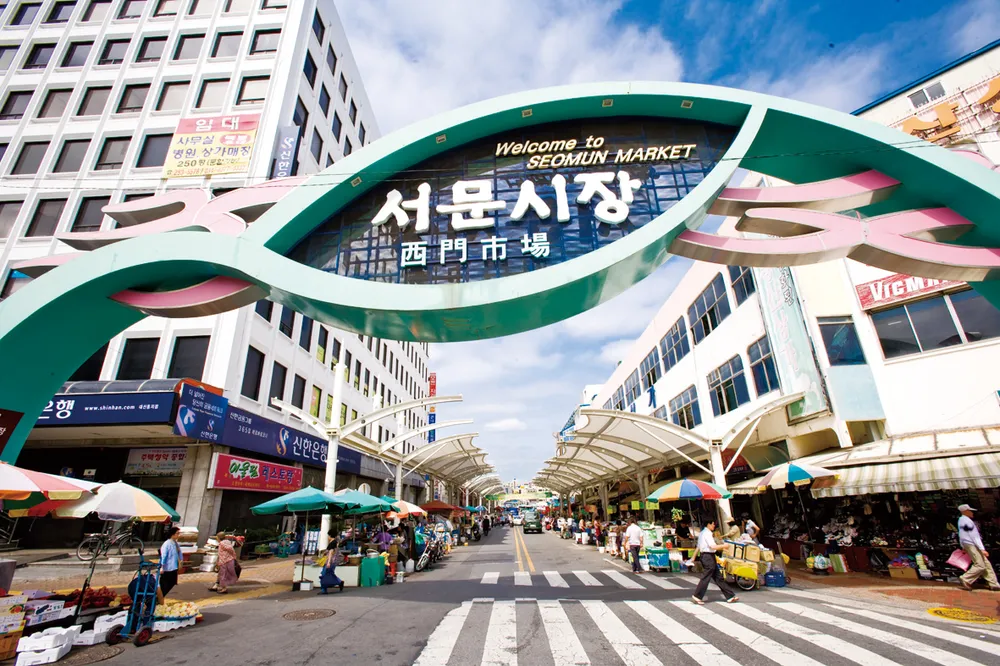
Daegu Seomun Market is one of the “Three Great Markets” of the Joseon Dynasty and boasts over 400 years of history, making it the largest traditional market in Daegu. It offers everything from clothing, medicinal herbs, and food products to accessories, attracting bargain hunters from all around. Especially famous is its night market—once the sun sets, rows of food stalls light up with noodles, tteokbokki, steak, and desserts, making it one of Daegu’s most iconic night attractions.
Among Seomun Market’s must-try foods are flat dumplings, spicy sashimi salad, and steamed short ribs, which represent Daegu’s signature street flavors. The flat dumpling is grilled thin with only a little filling of shredded vegetables, offering an addictive taste when paired with dipping sauce or tteokbokki broth. Wandering through the bustling food alleys late into the night, you can truly experience Daegu’s energetic spirit.
Busan Jagalchi Market: A Seafood Paradise
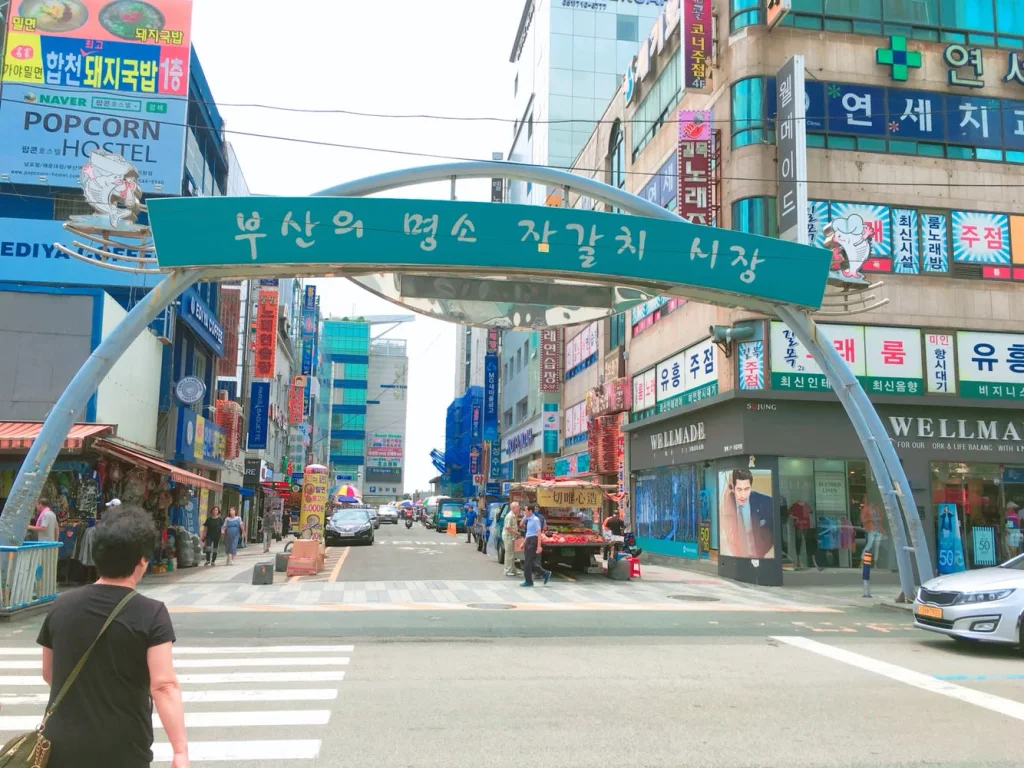
Busan Jagalchi Market is one of Korea’s largest and most famous fish markets, so much so that locals say, “If you want fresh seafood, go to Jagalchi!” Located near the harbor, the market is supplied daily with freshly caught fish and shellfish. Walking through its alleys filled with the smell of the sea, you’ll find sashimi centers, seafood restaurants, and endless stalls selling salted seafood and dried fish. The vendor’s cheerful calls of “Come and buy, it’s cheap!” add warmth and charm to the lively market atmosphere.
The highlight of Jagalchi is undoubtedly its sashimi. After purchasing freshly cut fish inside the market or from a connected restaurant, visitors can take it to a dining spot where it’s served immediately. Choices range from basics such as snapper, flounder, and rockfish to seasonal delicacies like amberjack, sea squirt, and sea cucumber. A spicy fish stew after the sashimi is the perfect finishing touch to savor the essence of the Busan sea. Additionally, other seafood dishes such as braised hairtail, codfish stew, and grilled eel make Busan a true seafood lover’s city.
Pohang Jukdo Market and Ulsan Jungang Market
Moving along the eastern coast of Gyeongsang-do, Pohang’s Jukdo Market and Ulsan’s Jungang Market are vibrant centers of local food and commerce. Jukdo Market is famous for its large fish market, offering local specialties like dried herring (gwamegi) and fermented flatfish at affordable prices. Many restaurants within the market highlight “mulhoe” (cold raw fish soup), a Pohang specialty served with spicy gochujang seasoning for a refreshing, tangy kick that bursts with flavor.
Ulsan Jungang Market, on the other hand, is a comprehensive marketplace combining traditional food stalls with clothing and household goods. If you’re craving hearty meals such as beef bone soup or eel rice bowls, the surrounding restaurants are worth a visit. You can also purchase fresh seafood or vegetables to cook yourself. Stumbling upon hidden snack bars or local pork soup eateries provides a glimpse into the everyday dining culture of locals.
Tongyeong Jungang Market and Geoje Seafood
Traveling down to the southern coast of Gyeongsang-do, Tongyeong and Geoje also offer rich market cultures. Tongyeong Jungang Market is a representative harbor market brimming with fresh seafood such as octopus, sea squirt, eel, and conger eel. Visitors can select seafood from street stalls nestled among old alleyways and take it to a nearby sashimi restaurant, or enjoy it prepared fresh on-site. Tongyeong is also renowned for oyster farming, drawing crowds in winter who seek grilled oysters, oyster rice dishes, and oyster sweet-and-sour specialties.
Geoje Island also boasts top-quality sashimi and seafood from the pristine South Sea waters. Local markets like Gohyeon Market or Jangseungpo Fish Market are perfect places to indulge. Many visitors also ship their seafood purchases home. Geoje is further famous for unique dishes like anchovy ssambap in Ssanggeun Village and the scenic Windy Hill café views that pair perfectly with the ocean. It’s a destination where culinary delights and natural beauty come together.
Cities Where Tradition Meets Modernity
Exploring Gyeongsang-do’s traditional markets, you’ll often notice old and new coexisting side by side. Modernized indoor shopping mall-style structures operate next to vendors calling out while carrying baskets of goods. To revitalize these markets, some have introduced youth-run shops and hosted food festivals, creating collaboration between young entrepreneurs and long-standing merchants. This blend connects tradition with the future, showcasing how traditional markets continue to thrive.
It’s also common to find contemporary cafés and galleries near the markets, often transformed as part of “alley regeneration projects.” For example, an old building might be renovated into an artist’s workshop, or a former eatery turned into a trendy coffee shop, attracting both locals and tourists. Such changes reflect how life and culture in Gyeongsang-do’s cities are constantly evolving rather than remaining stagnant.
Gyeongsang-do Traditional Markets Conclusion: The Soul of the Region Found in Its Markets
A journey through Gyeongsang-do’s traditional markets and local restaurants is more than just a culinary adventure—it’s an exploration of history and regional atmosphere. These markets are filled not only with fresh local produce and seafood but also with the warmth of human interaction and the spirit of preserving cultural heritage. Sitting down to a table full of regional dishes, you’ll taste the unique ingredients and techniques that have been passed down through generations.
When planning your trip, consider adding traditional markets to your itinerary instead of focusing solely on modern shopping centers or tourist attractions. Asking a vendor, “What’s the specialty of this market?” can open the door to genuine cultural connections. From hearty street foods to heartfelt hospitality, the markets of Gyeongsang-do will leave you with warm, flavorful memories that enrich your journey.
K-Name Studio: Create your perfect Korean name based on your personality and style.
What’s My K-Beauty Personal Color?
WeBring Service : Provides personalized services to foreigners living in Korea
Exclusive offer: Introducing foreign car rental in Korea, WeBring-SoCar
- Pohang Jukdo Market Food Route Guide: Mulhoe, Sashimi, Octopus Alley
- Geoje Travel Guide: A Healing Island Course with Wando and Tongyeong
- Noryangjin Fish Market Guide: Four-Stage Ordering, Pricing, Menu Pairings
- Jagalchi Gukje Market Nampo course: Busan half-day guide
Last updated: 22 September 2026
Prices, opening hours and transport schedules change with the season and the operator. Check the official channel again before you go.
WeBring operates its own Korea tour and vehicle services. The following is a promotion for that service.
Explore Korea's mountains — guides in your language
Courses, transport and seasonal tips for 30 mountains, from Bukhansan to Hallasan, available in 11 languages. Pick up essential travel Korean and find events for the global community, too.