

Seoul’s cityscape is dotted with stunning historical palaces, testaments to Korea’s rich royal history. Among them, Gyeongbokgung Palace stands as the grandest and most iconic, while Changdeokgung Palace offers a more tranquil, nature-imbued experience. Though both were central to the Joseon Dynasty, they each possess unique architectural styles and atmospheres.
In this guide for seoul palaces, we’ll compare these two royal sites and provide tips to help you explore them efficiently, even on a tight schedule. Whether you seek majestic splendor or quiet contemplation, this itinerary will give you an immersive glimpse into the world of Korea’s royal family.
Gyeongbokgung: The First Royal Palace of Joseon
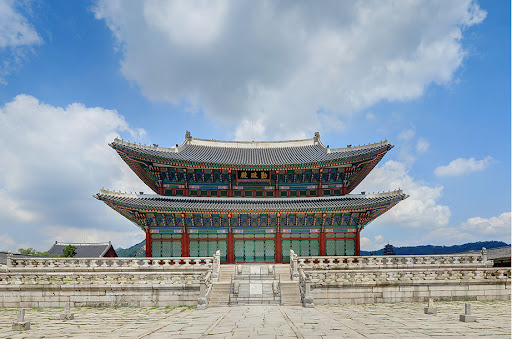
Gyeongbokgung Palace was the first palace built when King Taejo established the Joseon Dynasty and chose Hanyang (modern-day Seoul) as its capital. Its name means “Palace Greatly Blessed by Heaven,” symbolizing its role as the political and administrative center of the dynasty. Although destroyed during the Imjin War, it was later reconstructed during King Gojong’s reign.
One of the palace’s most eye-catching landmarks is Geunjeongjeon, the throne hall where significant national ceremonies were held. The grand, meticulously decorated wooden structure showcases the finest examples of traditional dancheong (multicolored paintwork), demonstrating the pinnacle of Joseon-era artistic skill. Looking up from Geunjeongjeon’s courtyard, the contrast between modern skyscrapers and historic architecture creates a striking blend of old and new.
Another must-visit site within Gyeongbokgung is Gyeonghoeru Pavilion, a two-story hall gracefully built over a reflective pond. Unlike the imposing designs of other buildings, Gyeonghoeru’s subtle beauty captures the essence of traditional Korean architecture. Throughout the year, its appearance changes with the seasons—pink cherry blossoms in spring, lush greenery in summer, fiery autumn foliage, and the serene snow-covered landscape in winter—offering photographers and history lovers unique perspectives during every visit.
Changdeokgung: A Royal Retreat in Harmony with Nature
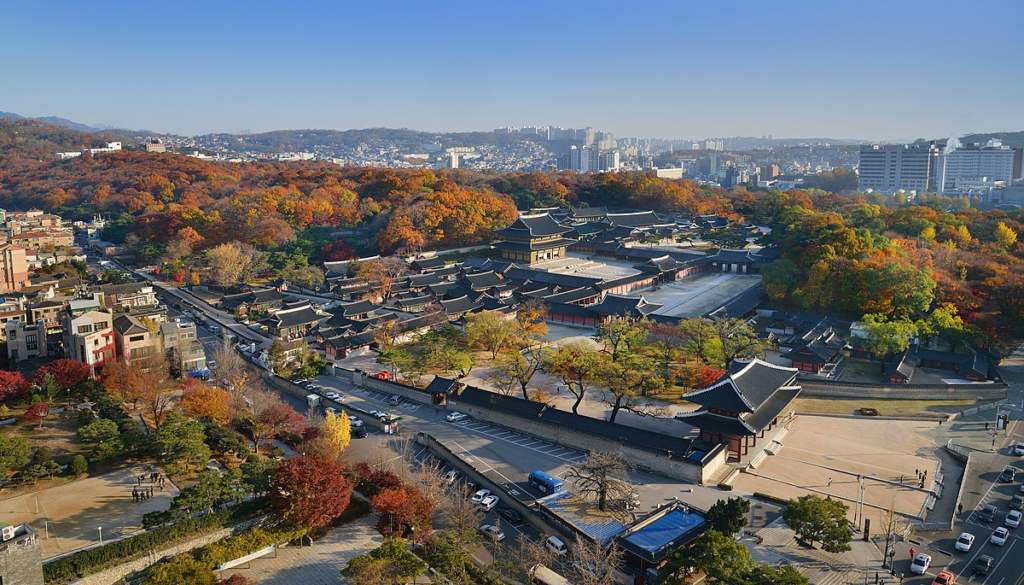
While Gyeongbokgung served as the main political hub, Changdeokgung Palace was built as a residential retreat for Joseon kings. Constructed during the reign of King Taejong, it emphasizes harmony with nature rather than rigid architectural formality. The palace is best known for its extensive Huwon (Secret Garden), which has been recognized as a UNESCO World Heritage site due to its historical and artistic significance.
Changdeokgung’s layout follows the natural curves of the landscape. Strolling through its tree-lined pathways, you might momentarily forget you’re still within a palace. The Secret Garden is especially mesmerizing, with its peaceful walking trails, serene lotus ponds, and hidden pavilions—spaces designed for quiet contemplation and relaxation for Joseon monarchs. Buyongji Pond, Juhamnu Pavilion, and Aeryeonjeong Pavilion are particularly picturesque highlights.
Unlike Gyeongbokgung’s majestic structures, Changdeokgung’s buildings exude an understated, elegant charm. Delicate wooden structures, traditional tiled roofs, and carefully arranged courtyards give insight into the daily lives of royal family members. Walking through its corridors, one can vividly imagine the routines of Joseon-era scholars, court ladies, and princes.
Comparing Gyeongbokgung and Changdeokgung: Scale, Layout, and Atmosphere
Although both palaces originated during the Joseon Dynasty, their purposes and layouts differ significantly. Gyeongbokgung represents power and authority, with large halls and symmetrical arrangements, while Changdeokgung is more personal and integrated with nature, resembling a noble countryside retreat rather than an imposing fortress.
- Size & Design: Gyeongbokgung is larger and has a more structured, straightforward layout, emphasizing straight lines and open courtyards. Changdeokgung’s paths wind through hills and trees, making it feel like an expansive royal villa rather than a formal court.
- Architectural Impressions: Gyeongbokgung boasts grand halls such as Geunjeongjeon and Sajeongjeon, designed to display the king’s authority. In contrast, Changdeokgung’s Huwon is an unparalleled example of how Joseon architecture blended seamlessly with nature.
- Visitor Experience: Gyeongbokgung attracts large crowds due to its central role in Korean history, often feeling bustling and lively. Changdeokgung offers a quieter, more tranquil atmosphere, perfect for those seeking a peaceful cultural retreat.
Recommended Itinerary: Half-Day Palace Tour
If you’re short on time but wish to experience both palaces, a half-day itinerary is feasible. Start your morning at Gyeongbokgung, where you can watch the impressive changing of the royal guard ceremony at Heungnyemun Gate. Afterward, explore its main halls and walk through Gyeonghoeru Pavilion.
For lunch, visit a nearby traditional neighborhood such as Samcheong-dong, Bukchon Hanok Village, or Insadong, where you can enjoy a delicious Korean meal. Then, head to Changdeokgung in the afternoon. If possible, book a Secret Garden tour in advance, as access is granted only with a guided tour.
If time permits, enhance your experience by visiting the National Palace Museum of Korea or the National Folk Museum, both near Gyeongbokgung, to gain deeper insights into Joseon’s royal culture and traditions.
Insider Tips: Hanbok Experience & Guided Tours
Both palaces offer free entry for visitors wearing hanbok, Korea’s traditional attire—an excellent opportunity for unique travel photos. Hanbok rental shops are conveniently located near the palace entrances, allowing easy access for those who wish to dress in elegant historical clothing.
Joining a guided tour is highly recommended. Gyeongbokgung and Changdeokgung provide tours in multiple languages, including English, Chinese, and Japanese. Listening to the stories behind each landmark enhances the cultural depth of your visit. Many travelers remark that these tours turn an ordinary sightseeing trip into an unforgettable educational experience.
Best Photo Spots & Seasonal Beauty
Each season transforms the aesthetic charm of the palaces:
- Spring: Cherry blossoms and magnolias bloom along palace walls and ponds.
- Summer: Lush green leaves offer a refreshing contrast against the red and gold palace structures.
- Autumn: Fiery red maple leaves and golden ginkgo trees create breathtaking backdrops.
- Winter: Snow-covered rooftops offer a peaceful and ethereal ambience.
For photography enthusiasts, Gyeongbokgung’s Geunjeongjeon courtyard and Gyeonghoeru Pavilion are must-visit spots. Changdeokgung’s Secret Garden, especially near Buyongji Pond, offers some of the most serene, picturesque views. To avoid crowds, visit early in the morning or during weekday afternoons for a more relaxed photography session.
Final Thoughts: Immerse Yourself in Royal Korean Culture
While both palaces provide a glimpse into Korea’s royal history, they offer contrasting experiences—Gyeongbokgung impresses with grandeur and political symbolism, while Changdeokgung captivates with its tranquil, nature-infused layout. Visiting both gives a well-rounded perspective of how Joseon’s kings lived, ruled, and sought respite from the pressures of governance.
Even if you have limited time, a well-planned itinerary can allow for a deeply enriching experience in half a day to a full day. As you step back into history, you’ll not only gain a greater appreciation for traditional Korean architecture but also develop a profound understanding of Seoul’s unique blend of past and present.
A visit to these iconic palaces is an essential step in truly grasping the essence of Seoul, making your journey both unforgettable and culturally rewarding.
K-Name Studio: Create your perfect Korean name based on your personality and style.
What’s My K-Beauty Personal Color?
WeBring Service : Provides personalized services to foreigners living in Korea
Exclusive offer: Introducing foreign car rental in Korea, WeBring-SoCar
- Changdeokgung Secret Garden Reservations for Foreigners The Complete Booking Guide
- Hanbok Palace Photo Travel: Best 1-2 Day Course in Seoul and Suwon
- Seoul City Tour Recommendations: 5 Essentials for First-Time Travellers
- Seoul landmarks: Your Ultimate Guide to the Top 5 Must-visit
Last updated: 22 September 2026
Prices, opening hours and transport schedules change with the season and the operator. Check the official channel again before you go.
WeBring operates its own Korea tour and vehicle services. The following is a promotion for that service.
Explore Korea's mountains — guides in your language
Courses, transport and seasonal tips for 30 mountains, from Bukhansan to Hallasan, available in 11 languages. Pick up essential travel Korean and find events for the global community, too.


