

Korean Holidays: A Comprehensive Guide for Foreigners
Like many countries around the world, South Korea has a variety of Korean holidays and national celebrations that offer a glimpse into its culture and traditions. These holidays play an important role in the lives of Koreans, and they provide a great opportunity for foreigners to understand and experience Korean culture. In this article, we’ll introduce you to some of the major holidays in Korea, and learn more about their cultural significance and characteristics. Check out the fourth installment of the Complete Guide to Living in Korea for Foreigners, Korean Holidays and National Holidays: A Comprehensive Guide for Foreigners.
Korean Holiday: Lunar New Year (Seollal)
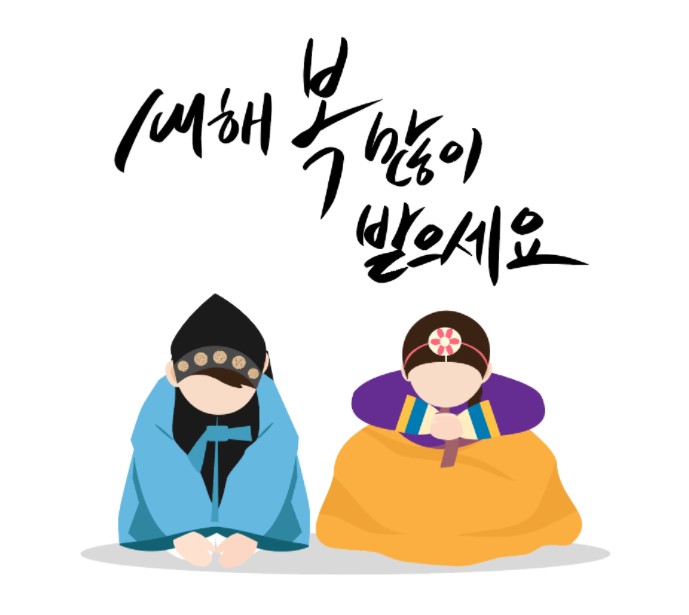
Lunar New Year(Seollal) is one of the most important traditional holidays in South Korea, celebrating the first day of the lunar New Year. This is why the Korean calendar uses both lunar and solar dates, not just the one we’re used to: January 1 falls on the first day of the lunar year, so the date changes every year based on the solar calendar. In order to celebrate the holiday, South Korea has designated the day before, the day of, and the day after Lunar New Year as official public holidays. Many stores and restaurants may be closed during this time, so foreigners traveling or living in Korea should consider this in advance.
Features and traditions
- Family gatherings: Koreans have a tradition of spending time with their families and paying their respects to their ancestors.
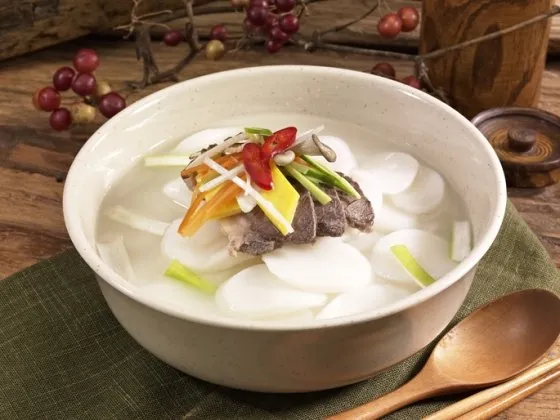
- New Year’s food: Koreans celebrate the New Year by eating tteokguk. Eating tteokguk means that you will live another year.
Cultural implications
- New Year’s wishes: Koreans greet each other on Lunar New Year’s Day and share their wishes for the new year.
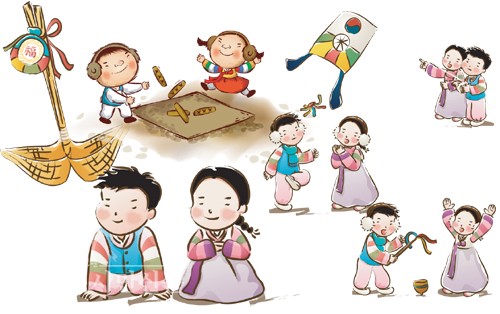
- Traditional games: Koreans get into the spirit of the holiday by playing traditional games such as yut, jumping rope, and flying kites.
Korean Holiday: Chuseok
Chuseok is the Korean fall harvest holiday, also known as Hangawi. Chuseok falls on August 15th of the lunar calendar, which is between September and October on the Gregorian calendar, but the date changes every year. Along with Lunar New Year, it is one of the most important holidays in South Korea. Like Lunar New Year, Chuseok is celebrated on the day before Chuseok, the day of Chuseok, and the day after Chuseok. As with Lunar New Year, shops and restaurants may be closed on Chuseok, so it’s a good idea to plan ahead if you’re traveling during this time.
Features and traditions
- Harvest thanksgiving: Chuseok celebrates the bounty of the harvest season.
- Turns and graves: Families gather to give thanks to their ancestors and visit graves.
Cultural activities
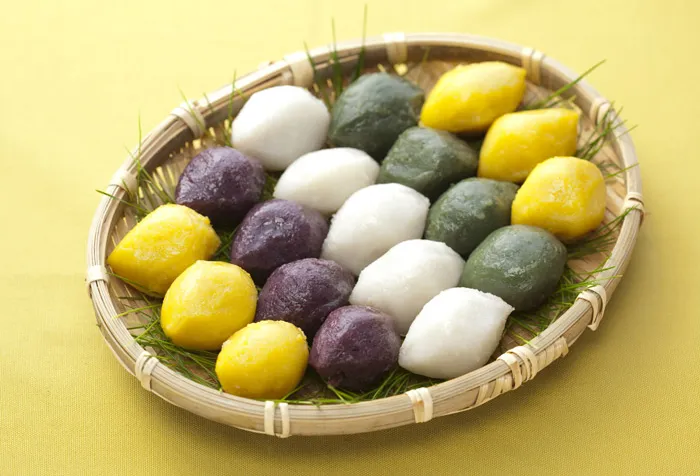
- Make songpyeon: Songpyeon is a traditional Chuseok food. Making songpyeon with your family is an important holiday activity.
- Folk games: Traditional folk games such as kangangsulae and tug of war are typical Chuseok activities.
Korean Holidays
In addition, South Korea has a variety of public holidays. If a holiday falls on a weekday, it’s good to know that all companies and schools are closed. In addition, there are occasional special sharing days. For example, presidential and parliamentary election days are also irregular sharing days.
- January 1: The start of the Chinese New Year
- Samhain Festival (March 1, lunar calendar): Commemorates the mass independence movement that began on March 1, 1919, and spread across the country, demanding independence during the Japanese occupation.
- Buddha’s Birthday (April 8, Lunar calendar): The day Shakyamuni Buddha was born.
- Children’s Day (May 5): Celebrated to honor children’s humanity and promote their well-being
- Memorial Day (June 6): A day to honor those who gave their lives for their country, including those who died in the Korean War.
- Liberation Day (Aug. 15): Aug. 15, 1945, when Korea gained its independence from Japanese occupation.
- Gaecheon Festival (October 3): Commemorates the founding of the Korean nation by the founding fathers. Gacheon means the day the sky opened.
- Hangeul Day (October 9): A day set aside to commemorate King Sejong’s introduction of Hangeul and to encourage the study and dissemination of Hangeul.
- Christmas (December 25): The day Jesus Christ was born.
- Sunday
- Temporary holidays: Days set aside by the government for reasons such as elections, public holidays, and overlapping holidays.
Korean holidays and national celebrations reflect important aspects of Korean culture and help foreigners understand Korean traditions and modern life. We hope these days will help you experience Korean life and culture and enrich your life in Korea.
Living in Korea? You don't have to figure it out alone
Insurance, visas, jobs and hospital interpretation — WeBring supports every step of settling in Korea, in your language.



I am sure this post has touched all the internet users, its
really really nice piece of writing on building up new web site.