Korean Healthcare System: 3 Things to Know When You Get Sick in Korea
What to do if you get sick while traveling in Korea? Today I’d like to talk about the Korean healthcare system. Have you ever had a health issue while traveling abroad? I’ve been traveling around the world for over 10 years and have experienced the healthcare systems of many countries. Today, I’m going to share with you what to do if you get sick while traveling in Korea, and where to find reliable medical care.
If you’re scared to go to the doctor in a foreign country, don’t worry – after reading this guide, you’ll be able to get medical care in Korea with confidence. Medical information is essential when traveling abroad, especially during the COVID-19 pandemic, so let’s get started. Oh, and by the way, this is part 24 of the Complete Guide to Living in Korea for Expats.
What makes the Korean healthcare system so special?
Korea is known around the world for its high quality of healthcare, especially for its fast and accurate diagnosis, advanced medical equipment, and reasonable healthcare costs. In fact, the 2021 Bloomberg Healthcare Efficiency Index ranked Korea #1 in Asia and #4 globally. Most hospitals are comfortable and modern, and the medical staff is highly professional.
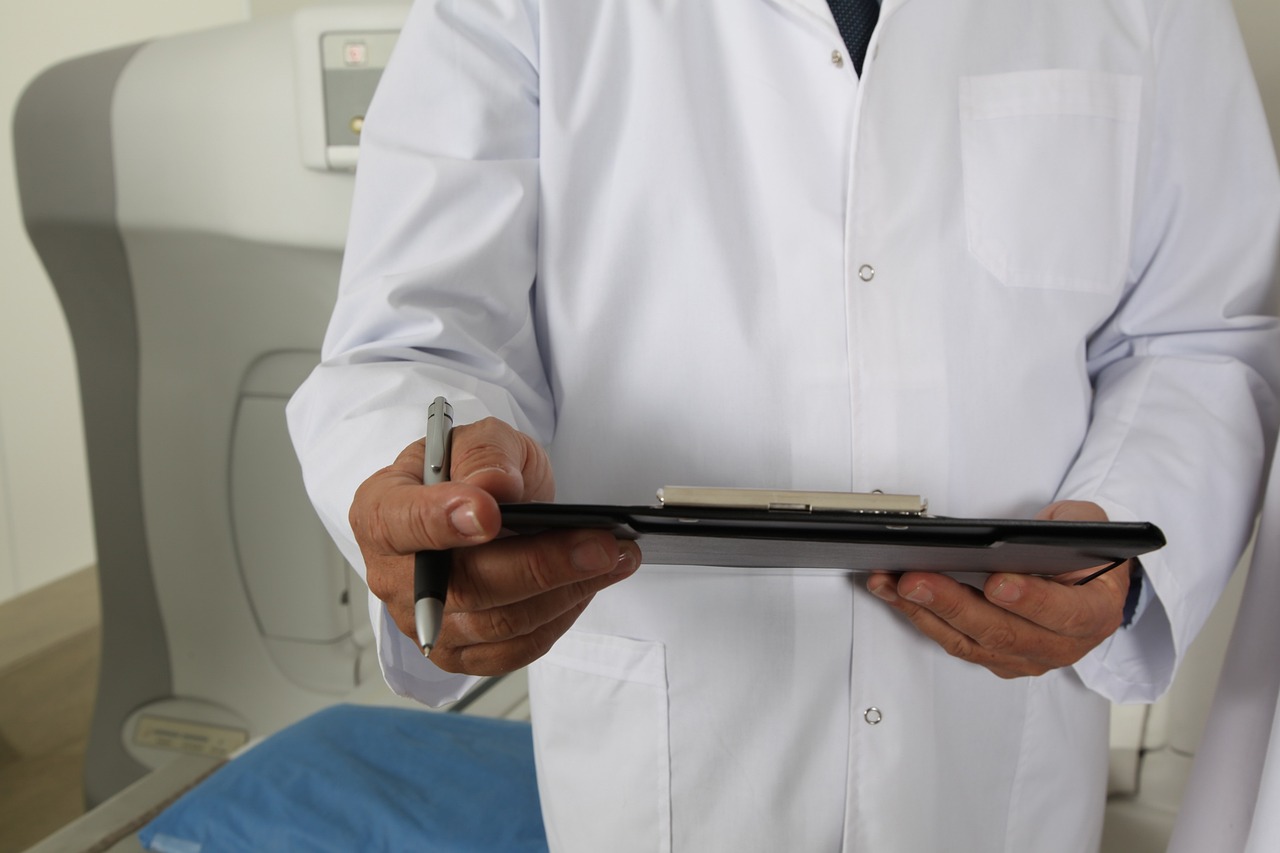
Larger hospitals have international clinics that offer multilingual services, including English. From simple consultations to hospitalizations and surgeries, foreigners can receive medical care with confidence. Of course, if you have travel insurance, you can save a lot of money on medical expenses.
Where to go if you get sick in Korea?
In Korea, there are primary, secondary, and tertiary medical centers. For minor symptoms such as a runny nose or cough, you can go to a local doctor, and for hospitalization or further tests, you can go to a general hospital or university hospital. In case of emergency, it is safest to call 119 and call an ambulance. (In countries such as the United States, the emergency number is 911, but Korea has a different 119 number.)
- Primary care organizations (clinics, hospitals)
- It’s great for mild illnesses like colds, body aches, and indigestion.
- They are located in every neighborhood, so they are easily accessible.
- Many are closed at night or on weekends, so be sure to check their hours.
- Secondary healthcare organizations (clinics, hospitals)
- When you need to be hospitalized, have surgery, or need specialized tests.
- It’s equipped with CT, MRI, and other tests.
- It has a wide range of specialties, so you can see multiple doctors at once.
- Waiting times can be long, so make an appointment.
- Tertiary Healthcare Organizations (Advanced General Hospitals)
- Go when you need advanced medical care, including serious illnesses and rare diseases.
- They have the latest medical equipment and specialized medical staff.
- Many have international treatment centers for foreign patients.
- Medical treatment can be expensive, so make sure you have travel insurance.
- Emergency Room
- If you have an emergency, don’t hesitate to call 911.
- Follow the paramedics’ instructions to the nearest emergency room.
- ERs are open 24 hours a day, and the order of care is determined by severity.
- Mild cases may have a longer wait.
What to expect when using hospitals in Korea
- Check your health insurance coverage
- Korea is covered by the National Health Insurance, but short-term foreigners are not.
- If you have travel insurance, check with your insurer to see if you’re covered.
- If you’re not covered, you’ll have to pay out of pocket.
- Check your doctor’s office hours and appointments
- Most hospitals are open from 9am to 6pm on weekdays.
- Be aware that they stop for lunch (usually 12-1pm).
- It’s hard to get in to see a doctor at a BIG5 hospital without an appointment.
- It’s a good idea to call the International Care Center or the department first and make an appointment.
- Communication, how do we do it?
- In larger hospitals, the International Care Center can provide foreign language interpretation.
- Many of the medical staff also speak English.
- If communication is difficult, you can use apps like Papago and Google Translate.
- Organizing your symptoms and translating medical terminology ahead of time will make your visit easier.
- Most doctors will be able to communicate in conversational English.
We even have medical tourism services for foreign patients!
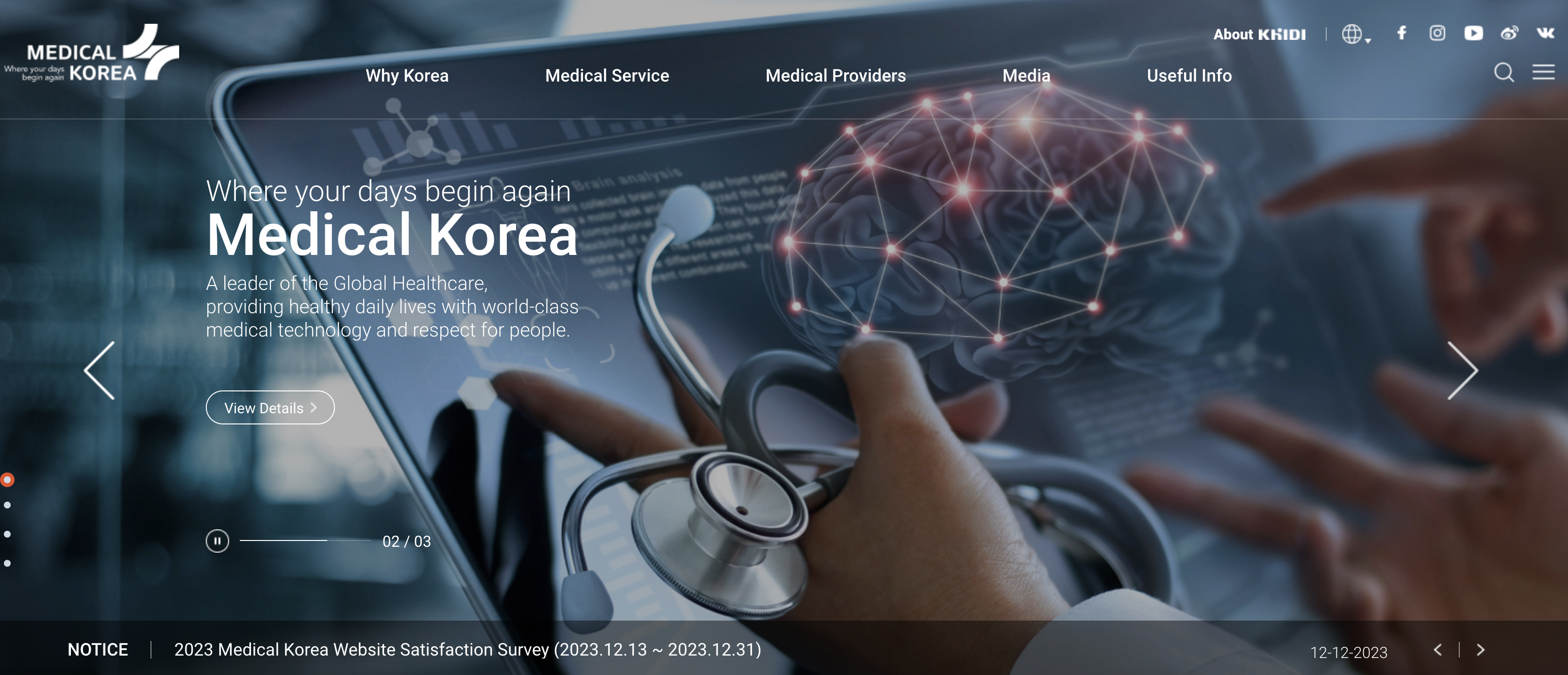
Recently, Korea has been focusing on medical tourism to attract foreign patients, and various programs are available to combine high-quality medical care with sightseeing. If you’re planning a medical checkup, cosmetic surgery, or dermatology treatment, it’s worth checking out medical tourism packages, which often include accommodation, transportation, and tickets to tourist attractions. The government-run Medical Korea website provides a wealth of information, including medical tourism guidebooks in different languages, as well as medical interpreter reservations and consultation services.
Today, we’ve learned more about navigating the Korean healthcare system for international travelers. To avoid panicking when you get sick in Korea, it’s important to know how to navigate the system and what to expect. After reading this guide, you’ll be able to get the medical care you need in Korea with confidence.
There’s nothing more important than your health when traveling abroad. We hope this information helps you have a healthy trip to Korea, and we wish you many wonderful memories without getting sick.
Living in Korea? You don't have to figure it out alone
Insurance, visas, jobs and hospital interpretation — WeBring supports every step of settling in Korea, in your language.