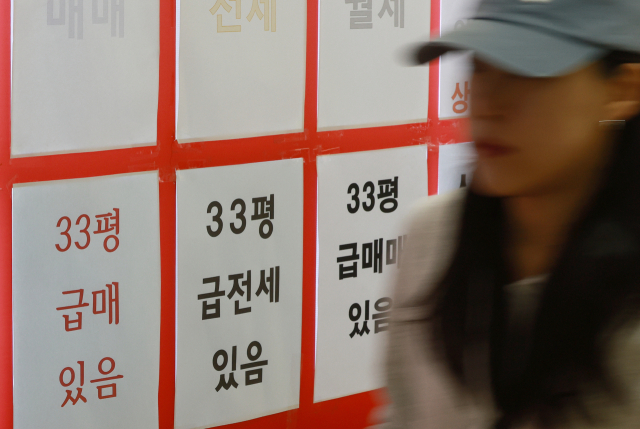

If you decide to live alone in Korea—whether in a studio apartment, a one-room, a lease (jeonse), or a boarding house—the most basic yet crucial responsibility is “paying rent on time.” You need to manage this either by transferring the money to your landlord on the exact due date each month or by setting up an automatic transfer. If payment is late or the amount is incorrect, it may cause issues with your landlord, and in some cases, it could even lead to the termination of your lease. In this post, we’ll take a closer look at the process and important considerations for foreigners paying rent in Korea, with a focus on monthly rent payments (wolse).
1) Different Payment Methods for Foreigners Paying Rent in Korea
There are several common ways to pay rent in Korea. The most traditional method is bank transfer. Landlords usually provide their own bank account or one under a family member’s name. The tenant then transfers the rent on the agreed date each month. Although some landlords may prefer receiving cash in person to avoid transfer fees, for international students or foreigners, bank transfers are safer since they leave a verifiable record.
In the case of dormitories or corporate-style share houses, you may be able to pay through their website or a dedicated app via credit card or automated billing. Sometimes, these options may include benefits like reward points or interest-free installments. However, make sure to check if there are any hidden service charges.
2) Things to Watch Out for When Making a Bank Transfer
While bank transfers are convenient, they may lead to errors if not handled carefully. For example, inputting the wrong account number or name could result in sending money to the wrong recipient. Therefore, always double-check the landlord’s bank details (bank name, account holder, and account number) before transferring. When using mobile or internet banking, make sure the account holder’s name appears correctly before confirming the payment.
After completing the transfer, it’s wise to keep a receipt or capture a screenshot of the transaction. If the landlord ever claims that payment wasn’t received, you can present this as proof. Typically, international students pay rent from a Korean bank account, but if you must transfer from an overseas account, don’t forget to factor in exchange rates and international transfer fees.
3) Pros and Cons of Setting Up Automatic Transfers
If you often forget to pay rent, using the bank’s automatic transfer service may be a good solution. By setting the landlord’s account information, the amount, and the date in advance, the transfer will take place automatically each month. This prevents late fees and the stress of remembering payment deadlines.
However, automatic transfers require that your account always has sufficient funds. If your balance is too low on the scheduled date, the rent will remain unpaid. Also, when moving out or at the end of your lease, don’t forget to cancel the automatic transfer to prevent unnecessary duplicate payments.
4) The Importance of Keeping Receipts and Transaction Records
In Korea, receipts are not only paper documents—digital transaction receipts are also legally valid. After paying rent, make sure to save a screenshot of your mobile banking record or take a picture of your bankbook entry. These serve as solid evidence in case of any disputes.
This is especially important for international students who may face difficulties due to language barriers. While verbal claims can be disputed, proper receipts provide undeniable proof of payment. Details such as date, bank used, recipient’s account holder name, and the amount must always be clear.
5) Payment Deadlines and Late Fees
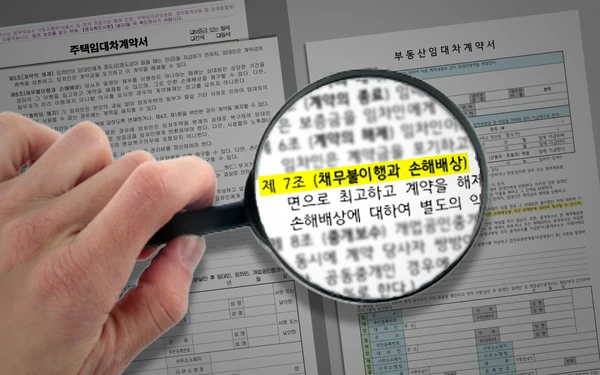
Most contracts clearly state: “Monthly rent must be paid by [specific date].” Missing this date may lead the landlord to charge late fees. The rate differs by contract, but it is often calculated as a daily percentage of the rent. Some contracts even state that if rent is unpaid for over three months, the landlord may terminate the agreement—so international tenants must be very cautious.
If delays are unavoidable—such as waiting for your salary or scholarship—it’s better to inform your landlord beforehand. A simple explanation like, “I will pay in a few days,” can go a long way in maintaining a good relationship. Ignoring the deadline without communication, however, can damage trust.
6) Important Notes for Paying Rent in Cash
Some landlords still prefer cash payments over bank transfers. In this case, you must always request a receipt or prepare a written acknowledgment yourself. A document including the date, amount paid, and the landlord’s signature such as “Received ₩500,000 rent on [date]” can be extremely helpful in preventing future disputes.
When paying in cash, always count the money carefully and confirm the date. For foreigners, even an English-written receipt is acceptable as long as the details are clear. Since verbal claims can create uncertainty—such as “I paid cash but the landlord says they didn’t receive it”—keeping written records protects you from such conflicts.
7) Things to Know When Transferring Rent from a Foreign Account
If you need to send rent from your home country to Korea, currency exchange rates and international transfer fees can add up quickly. A more cost-efficient option may be to open a Korean bank account, transfer a lump sum when the exchange rate is favorable, and then make monthly transfers domestically.
Additionally, many landlords are unfamiliar with international transfers. Be sure to explain that payments may take a few days to arrive and confirm once funds are deposited. While some tenants try using PayPal or third-party services, landlords may not accept them, so it’s crucial to reach an agreement in advance.
8) Renegotiating Payment Terms During Lease Renewal
As your one- or two-year lease approaches expiration, renewing your contract may involve changes in deposit or monthly rent. Rental prices in Korea tend to fluctuate with the housing market, and landlords may request a rent increase. During such negotiations, you can emphasize that you have always paid on time and responsibly reported issues—these factors strengthen your position for more favorable terms.
You might also negotiate by increasing your deposit to lower monthly rent or vice versa. Regardless of the adjustment, always ensure a written renewal contract is prepared to prevent future disputes.
9) Final Settlement When Ending the Lease: Deposit and Rent
The most important step in the rent process is settling accounts at the end of the lease. When your contract ends, you are entitled to receive your security deposit back, considering any deductions for damages or unpaid utilities. If you are an international student leaving Korea before your lease officially ends, you may face early termination fees, so plan ahead carefully.
The landlord will inspect the property, deduct repair costs if needed, and return the remaining deposit. Sometimes, differences between the last rent payment date and the actual move-out date must be settled as well. Once everything is clear, both parties should provide written confirmation and signatures to finalize properly.
10) Conclusion: Attention to Detail is the Best Protection
Making mistakes in your rent payment can create unnecessary stress, late fees, and tension with your landlord, which could affect your study abroad experience in Korea. However, by mastering how to use bank transfers or automatic payments, keeping detailed receipts, and never missing deadlines, you can maintain a smooth and stress-free rental life.
Above all, communication with your landlord is key. If you’re unsure about the payment method or due date, ask in advance. If you expect delays, be honest and transparent. Although Korea’s rental system may feel unfamiliar at first, you’ll adapt quickly within a few months. Remember—being thorough, prepared, and consistent is the simplest way to secure a safe and stable living environment while studying or working in Korea.
If You Fall Behind: What to Do First
Circumstances that make rent late happen to everyone. What matters is not the lateness but the response.
- Say so in advance. A text before the due date saying you will pay by a specific day is completely different from silence. Going quiet is what landlords take worst.
- Pay something. Even a partial payment communicates intent when the full amount is impossible.
- Keep it in writing. Verbal understandings get denied later, so exchange messages.
- Check the late-fee clause. If the contract sets one, that is the basis; if not, it is negotiable.
Know that accumulated arrears can become grounds for terminating the lease. Once a defined number of payment periods are outstanding, the landlord can end it — so discussing adjusted terms or moving out before it becomes unmanageable is the better path. Letting it run against your deposit ends with losing the deposit.
What Gets Disputed at Move-Out
When the deposit comes back, what is deducted is the final point of conflict. Knowing the standards makes it negotiable.
| Item | Usual treatment |
|---|---|
| Unpaid rent and fees | Deductible |
| Natural wear (faded wallpaper, floor indentation) | Generally treated as ordinary use rather than tenant liability |
| Nail holes, scratches, damage | Where restoration scope is most often disputed |
| Cleaning fee | Per the contract if stated; otherwise negotiable |
| Utility settlement | Usage to the move-out date — record the meter readings |
| Long-term repair reserve | In apartments, amounts paid by the tenant are generally returned |
The strongest protection is photographs taken on move-in day. Capturing walls, floors, window frames, the bathroom and every included appliance lets you separate “already there” from “caused by me” at the end. Photograph the same angles on move-out day, and capture the electricity, water and gas meter readings.
If the deposit return is delayed, request it in writing before you move out and keep the record. Transferring your move-in registration before being repaid can cost you the protection you had, so look into a lease-rights registration order first.
K-Name Studio: Create your perfect Korean name based on your personality and style.
What’s My K-Beauty Personal Color?
WeBring Service : Provides personalized services to foreigners living in Korea
Exclusive offer: Introducing foreign car rental in Korea, WeBring-SoCar
- Korea Monthly Rent Contract Checklist: 12 Things to Check Before You Sign (2026)
- Finding a Studio Apartment in Korea: Complete Step-by-Step Guide for International Students
- Jeonse vs Wolse: Complete Korean Rental Guide for Foreigners
- Korea Housing Guide: Buying, Renting, and Leasing
Last updated: 22 September 2026
Rules, fees and procedures can change over time. Before an important decision, check the latest guidance from the relevant authority.
WeBring operates its own services for foreign residents in Korea. The following is a promotion for those services.
Living in Korea? You don't have to figure it out alone
Insurance, visas, jobs and hospital interpretation — WeBring supports every step of settling in Korea, in your language.