Jeju Travel East West South North: The Ultimate Guide

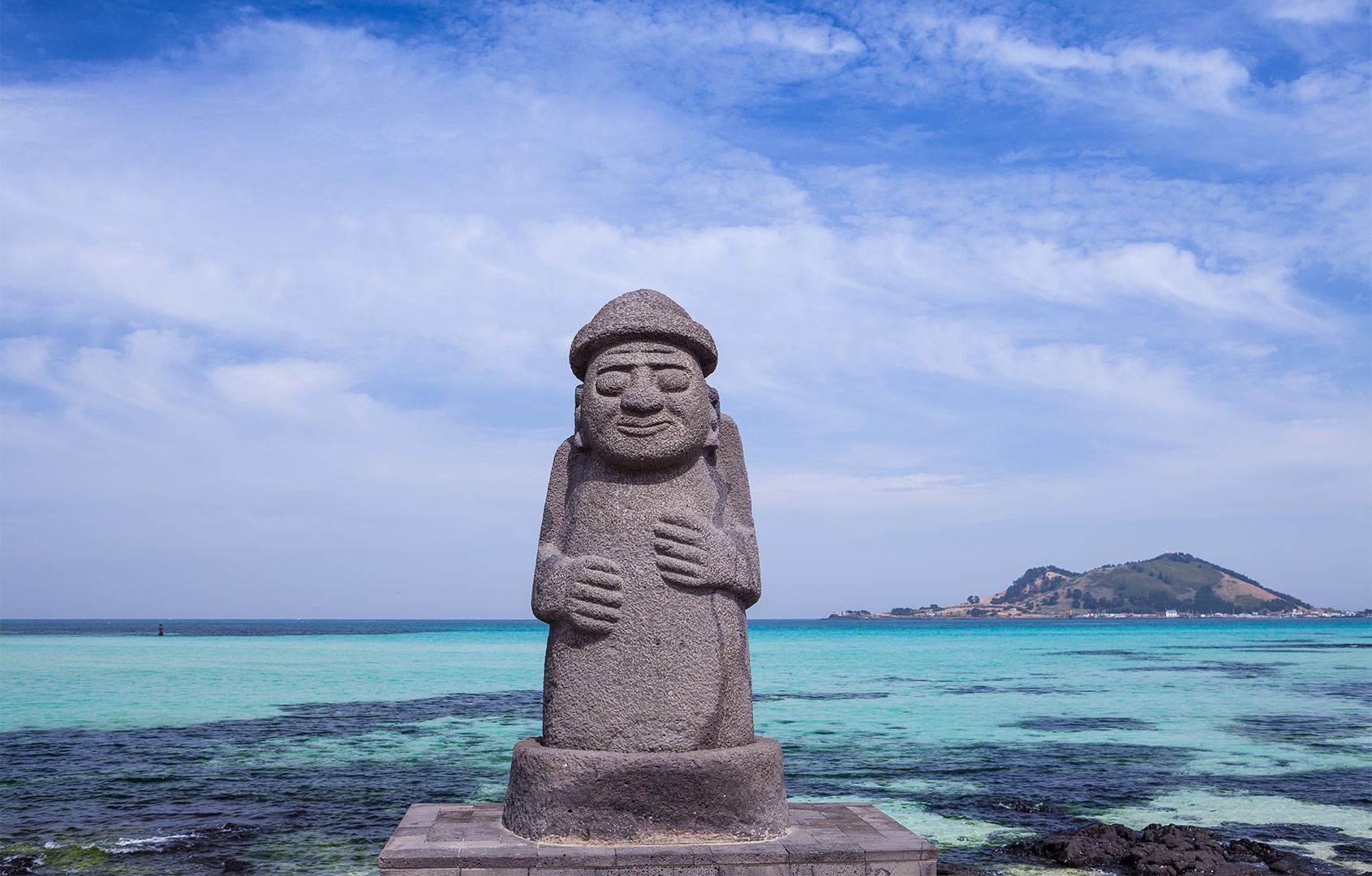
Jeju Island is Korea’s premier vacation destination and a natural paradise loved by travelers from all over the world. With its vivid blue seas, volcanic cones known as oreum, the majestic Hallasan Mountain, and unique basalt landscapes, Jeju offers scenery you won’t find anywhere else. If you’ve ever wondered, “Can I explore all of Jeju Travel East West South North in just a few days?” – this blog post outlines key highlights and must-see spots across the island’s east, west, south, and north regions. Even on a short trip, you may not be able to take in everything, but with some smart planning, you’ll be able to make the most of your time.

Jeju East: The Land of Sunrises and Nature Experiences

The eastern part of Jeju is synonymous with the iconic Seongsan Ilchulbong, also known as Sunrise Peak. While the early morning wake-up call can be tough, witnessing the sunrise from the summit is a memorable experience. As the sun rises over the volcanic crater, the sky fills with a crimson hue—an unforgettable sight if the weather cooperates.

Just a 15-minute ferry ride from Seongsan is Udo, a small island that boasts emerald beaches, the charming Udobong peak, and cafes famed for their peanut ice cream. The seascape of Seongsan Ilchulbong as viewed from Udo is stunning, and renting a bicycle or electric scooter for a leisurely loop around the island is highly recommended to truly enjoy its relaxing vibe.

As you drive along the east coast road, you’ll discover dramatic sea cliffs and tranquil seaside villages. Particularly noteworthy are Seopjikoji and Gwangchigi Beach, which have served as filming locations for dramas. The combination of black volcanic rocks and crashing white waves offers breathtaking views. Many scenic walking routes await in this area, so bring a good pair of sneakers and take your time exploring.

Seongsan Sunrise Peak

Jeju West: Starry Skies, Silver Grass, and Art

Jeju’s western region offers serene landscapes, far from busy urban areas. Hallim Park, Hyeopjae Beach, and Geumneung Beach stand out with their crystal-clear waters and volcanic rock formations. It’s a great place for a full day of swimming and snorkeling, and in the afternoon, visit a gallery or local café to recharge your artistic senses.

In autumn, the landscape around Saebyeol Oreum is completely transformed by fields of silvery pampas grass, creating one of Jeju’s most iconic and romantic natural scenes. As you hike up the oreum, the mix of rustling grass, expansive fields, and ocean views lets you truly appreciate the raw grandeur of Jeju’s nature. While every season has its charm, fall pampas grass season is particularly enchanting.

The western region is also renowned for stargazing. Fewer lights mean clearer skies perfect for spotting constellations. Camping or glamping beneath a blanket of stars offers a calm, restorative experience—something even foreign travelers frequently highlight as unforgettable. If true relaxation is your goal, don’t miss the western part of Jeju.

Hyeopjae Beach

Jeju South: Stunning Coastal Roads and Waterfalls

Centered around Seogwipo City, Jeju’s southern region features scenic coastal drives and extraordinary natural beauty. One of its defining landmarks is Jeongbang Waterfall, notable for being one of Asia’s rare waterfalls that drops directly into the sea. Pay a small entrance fee and step inside to enjoy the refreshing mist and the magnificent view.

Namwon Keunung Coastal Scenic Spot, well-known as a film location, combines rugged volcanic cliffs with immense ocean views. Slow down and take a peaceful walk along the coastal trail while listening to the rhythm of the waves. Recently, the area has welcomed stylish cafes and restaurants, ideal for brunches with an ocean view.

The Jungmun Tourism Complex is another must-see. This area is lined with high-end hotels near the beach and includes attractions like the Teddy Bear Museum and Yeomiji Botanical Garden. The white sands and turquoise waters of Jungmun Beach resemble those of world-famous resorts. However, note that this area can get quite busy during peak season, so for a more relaxed vibe, visiting off-season is recommended.
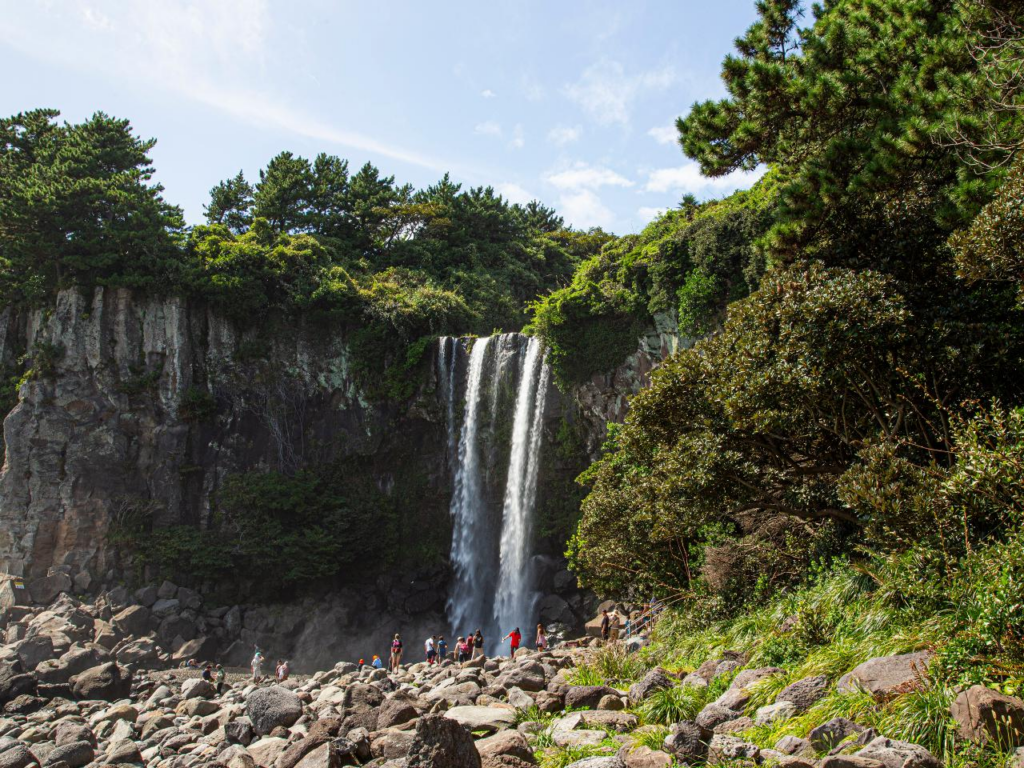
Jeongbang Waterfall

Jeju North: A Glimpse of Old Town and Market Culture

The northern region of Jeju, home to Jeju City, feels more urban and is where transportation and lodging options are most concentrated. It’s an excellent base, especially if you’re arriving or departing via Jeju Airport. Walk the streets of the original downtown around Jungang-ro for a taste of old Jeju’s charm.

Dongmun Market, Jeju’s most famous traditional market, is always bustling with activity. You’ll find fresh local produce, seafood, and unique Jeju specialties. From oranges and Hallabong citrus to omija rice cakes, black pork pancakes, and spicy pork broth noodles, it’s a foodie’s paradise. The market vendors are generally warm and welcoming, offering a great opportunity to experience Jeju’s hospitality.

Along the northern coastal road, spots like Yongduam Rock and Iho Tewoo Beach make for ideal scenic strolls. The horse-shaped lighthouse at Iho Tewoo is a favorite photo op, while Yongduam—literally “Dragon Head Rock”—is famous for its dramatic silhouette, especially at sunset.

Yongduam Rock

Travel Logistics and Itinerary Tips

If you’re visiting Jeju on a short trip, renting a car is highly recommended. While public transportation exists, long intervals between buses and limited access to remote attractions can make it difficult. If you’re short on time, driving gives you the freedom to explore more efficiently. However, during peak seasons, expect traffic and limited parking—so consider alternatives like scooters or e-bikes during busy periods.

To fully experience the east, west, south, and north regions of Jeju, you’ll need at least 3 to 4 days. If you’re working with less time, focus on 1 or 2 regions aligned with your interests. For example, if you love photography and nature, choose east and west. If food and local culture are your priorities, opt for the north and south. Mapping out major oreum climbs and beaches as anchor points, and adjusting for indoor options like museums and cafes based on weather, is the best way to design a flexible, satisfying trip.

Seasonal Highlights

Jeju offers unique scenery throughout the year. Spring brings vibrant canola flowers and cherry blossoms that brighten up the entire island. Summer is perfect for water sports like swimming and surfing. In fall, golden rice fields and silver grasses create a warm, romantic atmosphere, while winter reveals the snow-covered beauty of Hallasan Mountain. Each season has its own charm, so timing your trip according to your interests can enhance your overall experience.

Final Thoughts

While this guide breaks Jeju down into east, west, south, and north, even focusing on just one direction can lead to a rich and memorable visit. Whether you’re hiking an oreum, walking along the shore, or chatting with vendors at a traditional market, take the time to absorb Jeju’s authentic charm. Sometimes, the most unexpected views or cozy cafes turn into the most unforgettable parts of your journey.

Jeju is a destination full of landscapes and cultural experiences that are rare anywhere else in the world. Even a short trip can lead you to “your own Jeju,” leaving you longing for a longer return next time. Why not pack your bags and head there now? Somewhere between Hallasan and the sea, a moment you’ll treasure forever awaits.

Jeju Travel East West South North

Webring Newsletter

K-Name Studio: Create your perfect Korean name based on your personality and style.
What’s My K-Beauty Personal Color?
WeBring Service : Provides personalized services to foreigners living in Korea
Exclusive offer: Introducing foreign car rental in Korea, WeBring-SoCar

Foreign Worker Employment Agreement: What You Need to Know

When a foreigner wants to officially work in South Korea, the first and most crucial step is drafting a formal employment contract — commonly referred to as a foreign worker employment agreement. This is not simply a document that lists your salary and working hours; it is a legally binding agreement that outlines the rights and responsibilities of both employee and employer. To ensure fair and transparent working conditions in South Korea, you must carefully review, fully understand, and mutually agree to the terms before signing the employment contract.

In this article, we will explore what foreign workers should pay attention to when entering into a work contract in Korea, the legal protections they are entitled to, and key considerations during the negotiation process. Understanding the information in your employment agreement is the first step to avoiding unfair labor conditions and ensuring proper protection under Korean labor laws.

Key Elements of a South Korean Employment Contract

1) Workplace Location and Job Description

One of the first things you should look for in an employment contract is a clear statement of where you’ll be working and what your job responsibilities are. This is particularly important for foreign workers, as ambiguous job scopes can cause significant confusion. For instance, you may sign a contract as a developer at an IT company but later be asked to also do translation or sales-related work. To avoid these unpleasant surprises, make sure the scope of work and your specific responsibilities are clearly stated in the contract.

2) Working Hours, Holidays, and Leave

Under Korea’s Labor Standards Act, standard weekly working hours are capped at 40, with up to 12 additional hours of overtime allowed per week. Employees are also entitled to one paid day off each week and at least 15 annual vacation days, which increase with longer service periods. As a foreign worker in Korea, you are protected under these same laws. If a company offers fewer holidays or vacation days than the legal minimum, it could be a legal issue. Ensure your contract clearly outlines working hours, holidays, and vacation days in specific terms.

3) Salary and Payment Methods

Salary is arguably the most sensitive and important part of any employment contract. You should carefully check how base pay, overtime compensation, weekend work bonuses, meal and transportation allowances are calculated and paid. The document should clearly specify the payment date (e.g., the 25th or end of each month) and the payment method (direct deposit, cash, etc.). Be sure to confirm how any bonuses or allowances are calculated — for example, whether your overtime is based on hourly wage or if there’s a fixed night overtime allowance.

4) Enrollment in Korea’s Four Major Insurance Programs

South Korea’s four major social insurance systems are National Pension, Health Insurance, Industrial Accident Compensation Insurance, and Employment Insurance. These play a vital role in providing social safety nets. In most cases, foreign workers legally employed in Korea are required to enroll in these programs — and in some instances, enrollment is mandatory by law. Make sure to check that “enrollment in the four major insurances” is clearly mentioned in your employment contract. You should also confirm how the premiums are shared between you and your employer.

5) Employment Period

Whether you’re hired as a regular, full-time employee, a contract worker, or on a project basis, the employment term must be noted. If the duration of your visa and the employment period stated in your contract do not match, you may face issues when renewing your visa. Short-term contracts can be renewed, but very short durations may also lead to employment instability — so be extra cautious when agreeing on contract periods.

Foreign Worker Employment Agreement

1) Protection Under the Labor Standards Act

Just like Korean workers, foreign employees are equally protected under Korea’s Labor Standards Act. For example, employers must pay at least the minimum wage, provide at least one paid day off each week, and pay additional compensation for overtime. If an employer violates these provisions, you can report the case to the Ministry of Employment and Labor and seek legal recourse.

2) Employment Permit System (EPS)

The Employment Permit System (EPS) is designed for foreign nationals — such as E-9 visa holders — entering Korea as low-to-medium skilled workers. The system ensures that employers follow lawful hiring procedures, including the mandatory use of a standard employment contract. All parties must follow designated guidelines, and a work contract must always be signed during the hiring process.

3) Labor Dispute Mediation via Regional Labor Offices

If issues like unpaid wages or unfair dismissal arise, you can file a complaint with your local labor office under the Ministry of Employment and Labor. Multilingual support services are also available for foreign workers, so language barriers should not deter you from asserting your rights. It’s strongly recommended to use these resources when disputes occur.

Real-Life Case: Unpaid Overtime Compensation

Mr. B, a foreign worker employed by a small Korean IT firm, signed a contract stating he would work 40 hours a week. However, due to the company culture, he regularly worked 2–3 hours of overtime daily and was sometimes required to come in on Saturdays. Unfortunately, the contract only stated that overtime would be compensated “according to internal company regulations” — without detailing the actual amounts or calculation methods.

As a result, Mr. B did not receive proper overtime pay for several months, leading to growing dissatisfaction. The issue eventually escalated into a drawn-out labor dispute that required mediation from the local labor office. In the end, the company had to pay the entire amount of unpaid overtime. This example clearly illustrates why overtime and holiday work pay rules must be clearly documented in the contract to prevent such conflicts.

Tips for Negotiating Your Employment Contract

Korean companies often present employment contracts written in difficult legal Korean, and they may not offer translations. In such cases, to avoid missing important clauses, you should either request a translated version or get help from an interpreter. If there are any unresolved points, make sure to negotiate and reach an agreement before signing.

  • 💰 Salary Negotiation: Unless you’re applying to a large corporation with set salary guidelines, initial salaries can vary significantly depending on academic background, work experience, and language proficiency. Research your market value and don’t hesitate to bring up salary negotiations during interviews.
  • 🏠 Work Arrangement Negotiation: If you prefer remote or flexible work options, clarify this upfront. While Korean firms may be conservative about remote work, you can still make a case if you have special circumstances.
  • 🧪 Probation Period: Korean companies often impose a 3–6 month probation period, even for experienced hires. Employers may offer lower pay or delay registration for national insurance during this period, so review these clauses carefully and make sure they comply with labor laws.

For foreign employees, the job type and contract duration listed in your employment contract can directly impact visa issuance or extension. For example, when applying for an E-7 visa, the job must be categorized as a “specialized occupation,” and the visa stay duration must align with the contract period. If the information in your contract and visa application don’t match, this may lead to problems.

Also, when renewing your visa, your employer will need to resubmit your certificate of employment and updated employment contract. If there are any changes, such as a raise or job title change, immigration authorities must be notified. Be sure the contract includes all the information required for proper visa management from the start.

Foreign Worker Employment Agreement Conclusion: A Clear and Fair Employment Contract Is the First Step Toward a Good Life in Korea

An employment contract is more than just a document outlining salary and work hours for foreign workers in South Korea — it is a legal protection and a mutual promise that builds trust between you and your employer. Remember, Korea’s labor laws and protection systems apply equally to foreign employees. Knowing your rights and using them wisely is essential.

To maintain good relationships with your company, clearly communicating and agreeing on expectations and conditions at the contract stage is key. To avoid misunderstandings due to language barriers, actively use translation or interpretation services. Always be cautious of unfair treatment, and remember that labor authorities like the Ministry of Employment and Labor exist to help you if a problem arises.

Ultimately, building your career on a solid employment contract will help you better adapt to Korean corporate culture and open up new opportunities for growth. Carefully reviewing your employment agreement is the most critical step for a safe and stable life as a foreign worker in Korea.

Foreign Worker Employment Contract

Webring Newsletter

K-Name Studio: Create your perfect Korean name based on your personality and style.
What’s My K-Beauty Personal Color?
WeBring Service : Provides personalized services to foreigners living in Korea
Exclusive offer: Introducing foreign car rental in Korea, WeBring-SoCar

Hanbok Experiences: A Guide to Korean Traditional Clothing

1) The Beauty and Cultural Significance of Hanbok

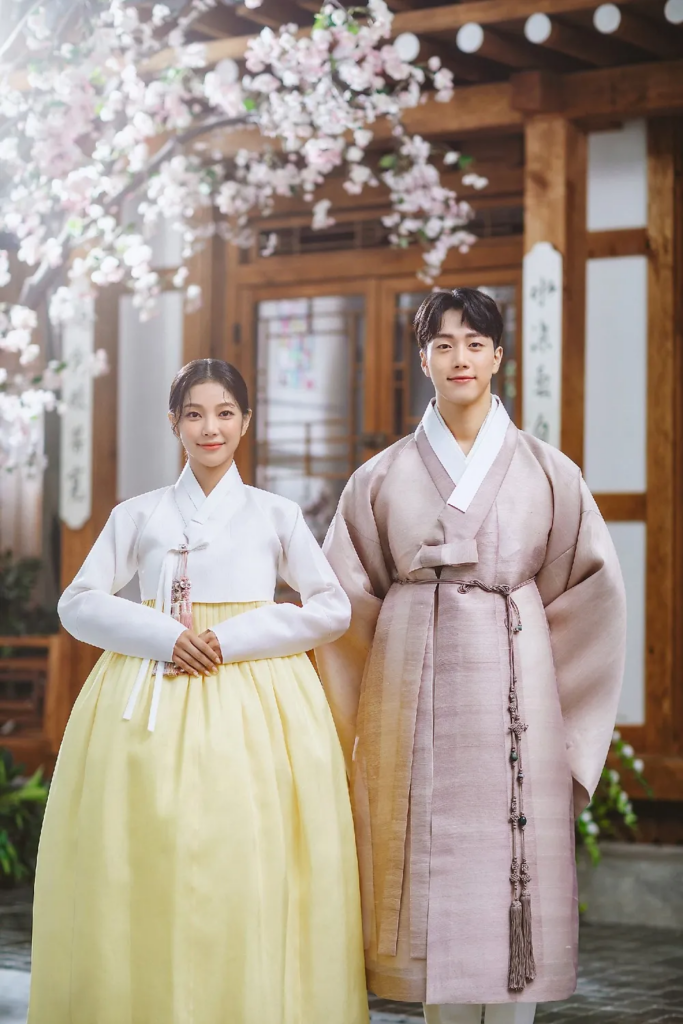
Many foreign visitors to Korea are interested in Hanbok experiences, the nation’s traditional attire that symbolizes Korean heritage. Hanbok is known for its elegant lines and flowing curves, typically consisting of a jeogori (jacket) and chima (skirt for women) or baji (pants for men). It has evolved through a long history, reflecting changes in society and fashion. While Hanbok is mainly worn today during weddings, holidays, and special occasions, its everyday use is slowly regaining popularity. The colors, patterns, sleeve lengths, and skirt widths all carry traditional symbolism and aesthetics, expressing Korean identity and notions of beauty.

To Koreans, Hanbok is a source of cultural pride passed down through generations. It represents etiquette, dignity, and heritage. During Korean holidays, it is common for families to wear Hanbok to perform ancestral rites and make formal New Year’s greetings. Brides often wear wedding Hanbok for ceremonies or receptions. For foreigners, trying on Hanbok is a unique way to immerse themselves in Korean tradition, and it creates memorable and stunning photographs.


2) Where to Experience Hanbok

If you want to try wearing Hanbok, start by visiting cultural landmarks or tourist attractions. In areas like Gyeongbokgung Palace, Changdeokgung Palace, and Bukchon Hanok Village in Seoul, you’ll find numerous Hanbok rental shops. It’s common to see visitors walking around these historic sites dressed in vibrant Hanbok that blends traditional elegance with modern style. Taking photos in Hanbok with these architectural backdrops results in exotic pictures that gain attention on social media. Recently, “modernized Hanbok” — which combines traditional aesthetics with comfort — has become increasingly popular.

Outside Seoul, many regional cultural tourist spots also offer Hanbok experience programs. For example, Jeonju Hanok Village is famous for its Hanbok experiences, with many rental stores lining the traditional streets. Visitors can enjoy the scenery in Hanbok and participate in packaged programs that include tea ceremonies, traditional food-making, and performances.

Hanbok Experiences


3) Traditional Hanbok for Holidays

Korea’s major holidays are Seollal (Lunar New Year) and Chuseok (Korean Thanksgiving). During these times, families gather to pay respects to ancestors or visit graves, exchanging formal bows and greetings. Traditionally, Hanbok is worn during holidays — while not mandatory today, many still uphold this custom. Modern Hanbok comes in a variety of materials, colors, and designs, making them lighter and easier to wear, even for children.

Wearing traditional Hanbok bridges generational gaps within families. Seeing grandparents and parents dressed in Hanbok enhances the holiday spirit, and children get a firsthand feel for familial traditions. People often accessorize with traditional items like jokduri (bridal crown) or binyeo (hairpins), and men might wear gat or jeollip (traditional hats), further enriching the atmosphere. Holiday Hanbok fosters a warm, respectful, and festive family environment.


4) How to Rent Hanbok and Expected Costs

Nowadays, many people prefer renting Hanbok instead of purchasing it, due to high costs and limited usage. Hanbok rental shops allow customers to choose outfits that suit their body type and preferences, usually renting for time periods such as 2 hours, 24 hours, or a full day. Accessories, shoes, and hairpieces are often provided as part of the rental package. Depending on the location and type of Hanbok, prices generally range from KRW 15,000 to 30,000 for a 2-hour rental.

Rental stores near tourist spots often offer English guides and carry a wide range of sizes and designs for foreign visitors. You may need to leave identification or a deposit. Be careful not to damage or heavily stain the garments, as additional cleaning or repair fees may apply. Hanbok can be bulky to wear, but staff members will assist with fitting and provide instructions, ensuring a smooth experience.


5) Trendy “Modernized Hanbok” and Practical Fashion

To counter the perception that traditional Hanbok is beautiful but impractical, designers have created “modernized Hanbok.” These styles retain the classic lines and colors but incorporate functional elements like buttons or zippers, making them more convenient for daily wear. Skirts may be shorter, and jeogori redesigned like blouses. This modern interpretation appeals to younger generations looking for accessible traditional wear.

Modern Hanbok brands strive to blend tradition with everyday fashion—some offer Hanbok tops that pair well with jeans or outerwear resembling the traditional dopo (overcoat). Increasingly, people wear modern Hanbok for special occasions outside traditional holidays, such as photo shoots. Numerous online shops offer a wide selection of designs, making it easier for both international customers and those in rural areas to access Hanbok collections.


6) Traditional Etiquette and Wearing Hanbok

Wearing Hanbok encourages not just a change in clothing, but a deeper engagement with traditional Korean etiquette and posture. Korean gestures such as bowing or greeting respectfully are closely tied to the structure of Hanbok. For example, women in Hanbok bow by placing their hands together and lowering their upper body while kneeling. Men overlap their hands with the right hand on top and raise them toward the forehead. Adhering to these customs enhances the dignity and beauty that Hanbok embodies.

Because of Hanbok’s loose and flowing design, it’s important to be cautious when climbing stairs or moving around — gently lifting the skirt or adjusting pant legs adds a graceful touch. While dining, one should take care not to spill food on the fabric; when eating at Western-style restaurants, it is wise to tuck in long sleeves or ensure they don’t touch food. These small gestures add to the elegance of the experience.


If you’re a foreigner visiting Korea, trying on Hanbok is a must-do cultural experience. Dressing in Hanbok and taking photos at palaces or Hanok villages creates an unforgettable memory and offers a hands-on way to engage with Korean culture. It’s especially fun to match with friends in “couple Hanbok” or coordinate family outfits in matching colors. These photos make for perfect souvenirs and shareable content on social media or blogs.

If you visit Korea during a major holiday, you might even join a traditional family gathering where Hanbok is worn for ancestral rites and formal greetings. As these are personal family events, you may need an invitation or join through a homestay program. In such cases, learning how to wear Hanbok and some basic etiquette beforehand will help you connect more naturally and meaningfully with your host family.


8) The Future of Hanbok and Preserving Tradition

Although Western-style formal wear dominates modern society, Hanbok continues to stand out as a symbol of Korean identity and is gaining attention as a fresh cultural trend. Artists and fashion designers bring the elegance of Hanbok to global fashion stages, and Korean celebrities and K-pop idols often wear it in performances and photoshoots to showcase a unique cultural style. This evolution highlights Hanbok’s dynamic ability to adapt and thrive through changing times.

More than just traditional attire, Hanbok encapsulates Korean history, manners, and aesthetics. Through rental shops and cultural programs, more people are experiencing Hanbok comfortably. Wearing it during holidays or weddings isn’t just about preserving tradition—it’s also about inspiring new creativity. Once you experience the graceful lines and vivid colors, you begin to understand the deeper meaning behind Hanbok and feel the essence of “Korean style.” Trying on Hanbok is more than a dress-up moment — it’s a gateway to genuine respect and emotional connection with Korean culture.

Hanbok Experience

Webring Newsletter

K-Name Studio: Create your perfect Korean name based on your personality and style.
What’s My K-Beauty Personal Color?
WeBring Service : Provides personalized services to foreigners living in Korea
Exclusive offer: Introducing foreign car rental in Korea, WeBring-SoCar
Halal and Kosher food in Korea: A Comprehensive Guide

Introduction: Diverse Food Cultures in Korea

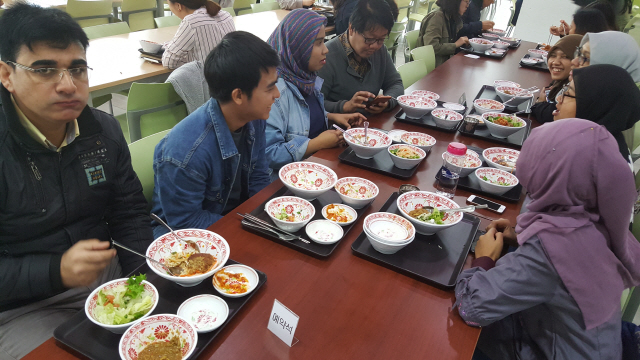
Among foreigners living in Korea, many adhere to specific dietary restrictions due to religious beliefs or personal reasons. Muslims seek Halal food, while those who follow Judaism require Kosher meals. However, it’s often difficult to find detailed information or dedicated restaurants offering such foods in Korea. Fortunately, in recent years, efforts to embrace cultural and religious diversity have been growing, making it increasingly easier to access Halal and Kosher ingredients and dining options. In this article, we’ll explore the basic concepts of Halal and Kosher, and offer practical tips on how to find these foods while living or traveling in Korea.


Understanding Halal and Its Application in Korea

“Halal” is an Arabic term meaning “permissible,” and refers to dietary laws followed by Muslims. The most well-known restrictions include the prohibition of pork and alcohol, with specific slaughtering methods required in accordance with Islamic law. Strictly observant Muslims only consume meats and ingredients that are Halal-certified, which can make ordering from a typical Korean menu quite difficult.

However, with increasing cultural exchange with Islamic countries and a rise in Muslim tourists, Korea has begun expanding its selection of Halal-certified restaurants and imported ingredients. Areas like Itaewon in Seoul are home to several Halal-certified diners. Major supermarkets and online malls have also started offering meat products labeled “Halal Certified.” For example, near Seoul Central Mosque in Itaewon, you’ll find a wide variety of Middle Eastern and Southeast Asian restaurants that offer Halal-friendly meals.


Where to Find Halal Restaurants and Markets: Seoul and Major Cities

Walking through the alleys of Itaewon in Seoul, you’ll come across Middle Eastern restaurants, Indian and Pakistani eateries, Turkish kebab shops, and more. Many of these establishments are Halal-certified or at least avoid pork and alcohol in meal preparation. In other tourist-heavy areas like COEX, Myeongdong, and Gangnam, some hotels and restaurants are starting to offer partial Halal menus to cater to international guests.

Other cities like Busan, Incheon, Daegu, and Jeju are also gradually seeing an increase in Halal food offerings. In neighborhoods with a high concentration of multicultural families, you can find supermarkets that carry Middle Eastern and Southeast Asian ingredients. If local restaurant options are limited, consider joining online communities (such as Muslim expat forums) to exchange regional information or learn about how to order Halal groceries for home cooking.

Halal Restaurant


What is Kosher? An Overview of Jewish Dietary Laws

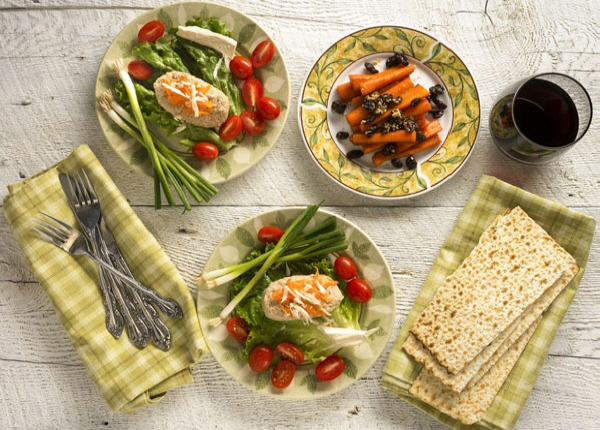
Kosher refers to the set of dietary laws outlined in Jewish law. Only certain animals—like cattle, sheep, and goats with split hooves and that chew the cud—are permissible. Pork and other prohibited animals are strictly forbidden. Additional rules include not mixing dairy and meat in the same meal. These laws are complex, and in many cases, restaurants need direct inspection and certification from a rabbi to be deemed Kosher-compliant. As a result, unless in places with a larger Jewish population (like Israel), it can be quite difficult to find a dedicated Kosher restaurant.

In Korea, the Jewish community is relatively small, making Kosher-specific dining options rare. However, some embassies and international hotels provide Kosher meals during special events. During major Jewish holidays such as Passover or Rosh Hashanah, related events and dining options may be available.


Finding Kosher Dining in Korea: Limited, But Available

In areas such as Itaewon, Hannam-dong, and other foreigner-friendly neighborhoods in Seoul, you may occasionally find snack shops that carry Kosher snacks or small quantities of Kosher-certified products. Some upscale hotels will also arrange Kosher catering during international conferences that host Jewish attendees. To access such offerings, it’s best to connect with members of the Jewish community, embassy staff, or follow updates through social media groups.

Because there are so few fully certified Kosher restaurants in Korea, it’s safer to choose vegetarian or fish-based dishes when dining out. Take extra care to avoid any ingredients considered non-Kosher, such as pork, shrimp, or clams. Be especially mindful of dairy being mixed with meat. Always inquire with staff who speak English or ask the chef directly to ensure compliance with your dietary needs.

Kosher Restaurant


Shopping for Halal and Kosher Products: Online and Supermarkets

Through online shopping platforms, you can purchase frozen Halal-certified chicken or beef and canned goods or sauces from globally recognized Kosher brands. Some shoppers prefer international shipping to stock their trusted brands in bulk. However, customs duties and shipping fees may apply, so local sources are often more convenient.

International food sections at large supermarkets or specialty international grocery stores sometimes stock Halal meats or Kosher-certified snacks and beverages. Be aware that due to lower turnover, products may occasionally be out of stock or restocked irregularly. To ensure steady access to desired items, speak with store employees about regular orders or consider organizing a group purchase through a Muslim or Jewish network.


What to Watch For While Traveling in Korea: Restaurants and Tour Packages

If you’re visiting Korea for tourism or business and require Halal or Kosher meals during your trip, it’s essential to inform your tour operator or hotel in advance. Recently, Halal-friendly tour packages have emerged specifically for Muslim travelers. These packages include visits to officially Halal-certified or Muslim-friendly restaurants.

Even if you’re not part of a package tour, you can research independently using internet guides and maps created by Muslim and Jewish communities. Since not all restaurants offer English menus, it’s a good idea to confirm if English-speaking staff are available ahead of your visit, or make use of translation apps for easier communication.


Community Activities Promoting Halal and Kosher Awareness

Although there are only a few synagogues in Korea compared to places like Seoul Central Mosque or Myeongdong Cathedral, small Jewish communities often organize cultural or food-sharing events. Participating in foreign community gatherings or multicultural festivals can offer great opportunities to bond with people who follow Halal or Kosher diets and share helpful information.

For example, during the Islamic holy month of Ramadan, Muslims prepare Iftar (breaking the fast) after sunset and often invite others to join. Experiencing Iftar is not only a cultural exchange but also a valuable chance to learn more about Halal-friendly ingredients and cooking styles.


The Meaning of Halal and Kosher Dining: Embracing Diversity

Restaurants specializing in Halal and Kosher cuisine serve a greater purpose than simply offering convenience to certain religious groups; they reflect a growing respect for diversity in Korean society. As the number of Muslim students, diplomats, and professionals continues to rise, the nation’s culinary landscape is gradually expanding. This trend is likely to accelerate in the coming years.

Thanks to this shift, more opportunities are opening up for Muslims and Jews—previously hesitant to try Korean food due to concerns over alcohol or prohibited ingredients—to enjoy local cuisine. For instance, some restaurants now offer bulgogi prepared in Halal style. These fusion dishes that blend tradition with specific dietary laws represent an exciting new direction in Korean dining culture.


Conclusion: Ongoing Research and Open Communication Are Key

Finding Halal or Kosher-friendly restaurants in Korea has become much easier compared to the past, but accurate information can still be limited and subject to change. To avoid misunderstandings and ensure comfort, regularly check online cafes, forums, and SNS groups for up-to-date guides. Religious centers such as mosques, synagogues, or relevant embassies also provide helpful resources.

As Korea continues to grow into a global cultural hub, embracing various dietary practices is becoming more common. This trend opens more doors for those who adhere to Halal or Kosher diets, while offering Korean residents the chance to explore new and exciting international food cultures. With the continued development of the Halal and Kosher markets, a more inclusive dining environment for people of all beliefs and backgrounds is on the horizon.

Halal


Let me know if you want this optimized further for targeted keywords or formatted for a specific publishing platform (e.g., WordPress).

Webring Newsletter

K-Name Studio: Create your perfect Korean name based on your personality and style.
What’s My K-Beauty Personal Color?
WeBring Service : Provides personalized services to foreigners living in Korea
Exclusive offer: Introducing foreign car rental in Korea, WeBring-SoCar

Sports Hobby: Elevate Your Life Through Sports in Korea

Exercise today is more than just a health habit for modern people—it’s a powerful stress reliever and a way to build new relationships. For foreigners living in Korea, the range of sports hobby impressively diverse—from easy activities like gym workouts and yoga, to outdoor sports such as hiking and golf. In this post, we’ll explore some of the most popular sports hobbies in Korea, what makes each one appealing, and how to get started.


Gym Workouts: The Most Accessible Fitness Option

Going to the gym is one of the easiest and most accessible ways to stay fit. Neighborhood gyms across Korea offer both weight training and cardio equipment, making it easy to pop in at your convenience. Membership fees are quite reasonable, especially with discounts for off-peak hours or long-term plans. Many gyms are open 24/7, which is ideal for office workers who want to exercise after work.

One major advantage of gyms in Korea is the availability of expert guidance through personal trainers (PTs). Beginners may risk injury from improper use of machines, especially to the back or knees. Signing up for sessions with a PT or asking a staff member for help can ensure a safe and effective start. Combining workouts with body composition analysis and meal planning can pave the way to achieving your body goals or improving your overall health systematically.

Gym


Yoga: A Holistic Workout for Body and Mind

Yoga improves both muscular strength and flexibility, while also offering mental calm through meditation. In Korea, yoga has become a widely embraced hobby among not just women, but also men and seniors. Yoga studios typically offer different styles such as Hatha, Vinyasa, and Ashtanga, each varying in intensity and approach.

First-time yoga participants are often surprised by how stiff their bodies really are. But with consistency, you’ll notice improved posture and a sense of relaxed nervous system function. Most yoga studios operate on a class-based system, commonly offering 2–3 sessions per week. Monthly memberships are the norm, and with flexible schedules, even full-time workers can easily join classes after hours or on weekends.

Yoga


Hiking: Korea’s Year-Round Outdoor Favorite

For Korean people, hiking goes beyond a physical activity—it’s practically a national pastime. With so many mountains scattered across the country, you can reach a trailhead easily via subway or bus, even from a major city. In Seoul alone, there are multiple accessible mountains such as Bukhansan, Dobongsan, and Gwanaksan. On pleasant weekends, it’s common to see busy trails filled with hikers from early morning.

If you’re a beginner, start with low-elevation trails, and make sure to gear up with essential items like proper hiking boots and clothing. Especially in winter, trails can be icy or snowy, making anti-slip gear crucial. Hiking with a group of friends or joining a hiking club makes even difficult sections feel fun. The achievement of reaching the summit, while breathing in the crisp air and taking in the views, is indescribable. Plus, many hikers celebrate with traditional pancakes (jeon) and rice wine (makgeolli) at local eateries near the trail, which adds to the cultural richness of the hobby.


Golf: A Sport that Combines Leisure and Networking

Not long ago, golf in Korea was seen as an expensive pastime for executives and the wealthy. However, thanks to the rise of screen golf and indoor ranges, more people—especially beginners—can now try their hand at golf without breaking the bank. The surge in popularity has even led to the creation of a new term, “gollini” (golf + beginner), widely used among young golf enthusiasts.

That said, playing a full round on an outdoor course can still be costly—with expenses covering green fees, caddy fees, transport, and equipment. Fortunately, screen golf is a much cheaper alternative, usually costing just a few tens of thousands of won per person for an hour’s session. Since golf also serves as a tool for business networking and social bonding in Korea, learning the basics—such as swing technique and rules—can also prove valuable for expanding your professional and personal circle.


Double the Fun with Sports Clubs and Social Groups

In Korea, sports clubs and hobby groups are very active and welcoming. Whether you’re into gym workouts or yoga, it’s easy to find workout buddies. For hiking or golf, group activities often enhance the experience. You can find various groups based on region or skill level by searching on social networks or online communities such as cafes and forums.

Joining a club can help you learn practical techniques, share tips, and stay motivated when exercising alone gets boring. Hiking clubs often rent buses for group trips to more distant and famous mountains, while golf groups foster a laid-back atmosphere where you can enjoy play even if your swing isn’t perfect. These clubs also provide opportunities to build friendships through post-exercise meals or social gatherings—classic features of Korea’s club culture.


Enjoy Seasonal Sports All Year Round

Thanks to Korea’s distinct four seasons, you can enjoy different sports depending on the time of year. Spring and fall offer the perfect weather for hiking, while summer is ideal for water sports like swimming and surfing. Head to Jeju Island or the east coast and you’ll easily find surf spots. Come winter, skiing and snowboarding are in full swing, attracting crowds to Gangwon-do ski resorts and indoor ice rinks every weekend.

If you prefer indoor sports all year, squash, badminton, or table tennis are great options. Local sports centers, university gyms, or community halls often allow court reservations for regular group sessions. Racket sports are relatively simple in terms of equipment and offer team-based fun that combines competition and camaraderie.


Gear Up Safely: Equipment and Guidelines

Before starting any new sport, it’s crucial to assess your physical condition. A quick doctor’s visit for basic consultations or check-ups on the heart, joints, and blood pressure will help you choose the most suitable activity. Even for less intense workouts like yoga or gym training, improper movement or overexertion can lead to injuries.

Make sure you have the appropriate gear—whether that’s good sneakers, suitable clothing, or protective gear. For example, hiking boots should provide ankle support, and beginners in golf don’t need to invest in expensive clubs right away—used gear or rental services work perfectly. Finally, first-timers should seek initial guidance from instructors, trainers, or experienced group members to establish a safe and effective routine.


Progress and Connection Through Consistency

The benefits of working out don’t come from a one-off session. Even just one or two times a week can build physical stamina, relieve stress, and give you a sense of accomplishment. Keeping track of your progress over three, six, or twelve months might surprise you—you may be lifting heavier weights or hiking tougher trails than before.

Also, sports are a great way to forge real human connections. New friendships naturally form as you share experiences, meals, or even trips with those you meet through exercise. These bonds often grow unexpectedly strong, such as when you help each other through difficult parts of a mountain trail—and come down as friends.


Conclusion: Elevate Your Life Through Sports in Korea

Whether it’s gym workouts, yoga, hiking, or golf, Korea offers a wide variety of sports hobbies for everyone. Once you get moving and start to sweat, you’ll feel your body and mind becoming stronger and more energized. The country’s well-developed fitness infrastructure and vibrant community culture also make it easier for beginners to get involved.

You might explore a few options before settling on one that suits you. If gym workouts bore you, try yoga or Pilates. If you crave the outdoors, give hiking or golf a shot. The key is to stay consistent and embrace the joy of the activity. When exercise becomes more than just physical movement—when it turns into a lifestyle—you gain not just health, but happiness too. Start building a fuller, more rewarding daily life through your sports hobby in Korea.

Sports Hobby

Webring Newsletter

K-Name Studio: Create your perfect Korean name based on your personality and style.
What’s My K-Beauty Personal Color?
WeBring Service : Provides personalized services to foreigners living in Korea
Exclusive offer: Introducing foreign car rental in Korea, WeBring-SoCar