Foreign Bank Account Korea: A Comprehensive Guide for Foreign Residents

If you’re planning to stay in South Korea for an extended period, you’ll likely need to handle several financial matters such as paying a housing deposit, receiving salary payments, paying utility bills, or sending money overseas. Upon arrival, many foreigners ask themselves, “Can I easily open a bank account in Korea?” or “Which bank is best for foreigners?” Fortunately, South Korea is gradually expanding its banking services for foreign residents, making it relatively straightforward to open an account as long as you have the necessary documents.
This article takes a detailed look at foreign bank account Korea and what to keep in mind during the process. Even if you don’t have a Korean resident registration card, you can still access banking services with your passport and alien registration card. So instead of worrying, a calm and thorough preparation will go a long way.

Identification Documents: Alien Registration Card Is Key

To open a bank account, you must present documents that verify your identity. While Korean citizens use a resident registration card or driver’s license, foreigners primarily rely on their Alien Registration Card (ARC). If you’re staying long-term, you’re typically required to apply for an ARC within 90 days of arrival. Once issued, the ARC is widely accepted by banks as valid identification.
If you need banking services before receiving your ARC, some banks may allow you to open a basic account with your passport and proof of temporary residency (e.g., a housing confirmation document). However, these accounts often come with limited features, so it’s much more convenient in the long run to wait until you have your ARC before opening a full-service account.

Choosing a Bank: Accessibility and Service Comparison

In Korea, major banks such as KB Kookmin Bank, Shinhan Bank, Woori Bank, Hana Bank, and NongHyup offer a wide range of services. Online banks like KakaoBank and K-Bank are also gaining popularity. Choosing a bank with convenient branch locations or ATMs near your residence will simplify everyday transactions. Some banks provide foreigner-dedicated counters or English-language support, which is especially helpful if you’re not confident in Korean.
Online-only banks are particularly attractive for their easy-to-use mobile apps and low fees. They allow you to open and verify accounts without visiting a branch. However, identity verification can be more complicated, and some systems may not fully support foreign ID registration yet. Weigh your options based on convenience and available services before choosing.

Foreign Bank Account Korea

Account Opening Procedure: ID, Contact Number, and Address

When you visit a bank and say you’d like to open an account, the banker will first ask for identification. Bringing both your Alien Registration Card and passport will make the identity verification smoother. You’ll also need to provide a local phone number and a residential address in Korea. Due to recent anti-money laundering regulations, you may also be asked to state your account’s intended use — for instance, “salary deposit” or “personal living expenses.”
Once approved, you’ll receive a bankbook and a debit (check) card. If you’re interested in digital banking, you can also apply for internet and mobile banking services at this point. Downloading the bank’s app will allow you to check your balance and make transfers on the go. Note that some banks do not issue debit cards on the spot, so you may need to wait a few days to receive it by mail.

Be Aware of ATM, Transfer, and Remittance Fees

Just because you’ve opened an account doesn’t mean all services are free. Korean banks often charge fees depending on the time of day for ATM withdrawals or when transferring to other banks. However, some of these fees can be waived when you use the bank’s debit card, or reduced through internet and mobile banking — though the rules can be complicated.
Some banks offer increased fee exemptions if your account is designated for salary deposits or if you maintain a certain minimum balance. It’s a good idea to ask the bank representative about fee waiver conditions when opening your account. Online banks typically charge little to no transfer fees, making them a good choice for those who send money frequently.

Foreign Exchange and Foreign Currency Accounts

As a foreigner, you may often need to deposit or withdraw foreign currencies like your home country’s currency, U.S. dollars, or euros. Korean banks provide currency exchange services, or you can maintain a “foreign currency savings account.” This allows you to deposit, hold, and withdraw foreign currencies without converting them into Korean won. You can potentially take advantage of favorable exchange rates during volatile periods to minimize losses or gain profits.
Some banks offer exchange rate discounts or promotional coupons, granting preferential rates of up to 50-90%, which significantly lowers transaction costs. Just present your passport, bankbook, or ID at the exchange counter. If you’re exchanging a large amount, it’s wise to make a reservation in advance for better rates and service.

Security Cards, OTP, and Mobile Authentication

Korean banks use a fairly strict security system. You may need to use a security card or a one-time password (OTP) generator when transferring money. Recently, banks have introduced mobile app features like fingerprint or facial recognition, but multiple identity verifications are often required during the initial setup.
A security card is a printed sheet with 30-50 pairs of numbers, and you’ll be asked to enter specific codes during transactions. An OTP device can be purchased separately, or you can install a mobile OTP on your smartphone. Though these procedures may feel inconvenient for foreigners, Korea places great importance on financial security. Following the setup steps carefully will make the process easier.

Mobile Payments and Pay Services

In Korea, mobile payment and transfer services like “KakaoPay,” “NaverPay,” and “Toss” are widely used. By installing these apps and linking them to your bank account or debit card, you can pay via QR codes or send money using phone numbers. It’s entirely possible to live in Korea with little to no cash use.
Foreigners can use these services once their bank account is set up. However, you may be required to verify your identity using a Korean mobile phone number. Using a prepaid or budget carrier number may pose limitations, so it’s better to obtain a number registered with a mainstream telecom company. Once the service is activated, you’ll be able to make easy payments at convenience stores, in taxis, or when shopping online.

Case Study: How a French National Opened a Bank Account

Mr. S, from France, began his life in Korea after getting hired at an IT company in Seoul. Initially worried about how he’d receive his salary, he found it easy to open an account after getting his Alien Registration Card. When he visited the bank, the staff recommended a “salary account package,” which included a debit card, internet banking, and mobile OTP setup all at once.
Though initially overwhelmed by the complex fee structures, he soon got the hang of it by checking transaction histories and fee details in the bank’s app. He found online currency exchange especially convenient. Mr. S says, “The Korean banking system is highly digitized and secure, which makes it safer and quicker than I expected. Though the language was a slight barrier, the staff were kind and helpful.”

Conclusion: Foreign Bank Account Korea

If you’re going to live in Korea long-term, you’ll inevitably need to manage your finances. Core daily activities like salary deposits, utility payments, and phone bills all rely on having a bank account or mobile banking app. Therefore, it’s recommended that foreigners prepare their ARC in advance and choose a bank that meets their specific needs.
Once your account is set up, learning about fee structures, exchange services, and security procedures will make daily life smoother. Since digital payment and remittance services are growing rapidly in Korea, you can live almost cash-free by making good use of these mobile features. While the process may seem tedious at first, you might be surprised at how convenient Korea’s financial system becomes once you’re familiar with it.

Ultimately, with the right preparation and access to information, banking in Korea is not a daunting task for foreigners. Begin managing your finances systematically by opening an account, and take advantage of the various banking products and digital services available. A stable and efficient financial infrastructure will enhance both the safety and richness of your life in Korea.

Foreign Bank Account

WeBring Service : Provides personalized services to foreigners living in Korea
Exclusive offer: Introducing foreign car rental in Korea, WeBring-SoCar
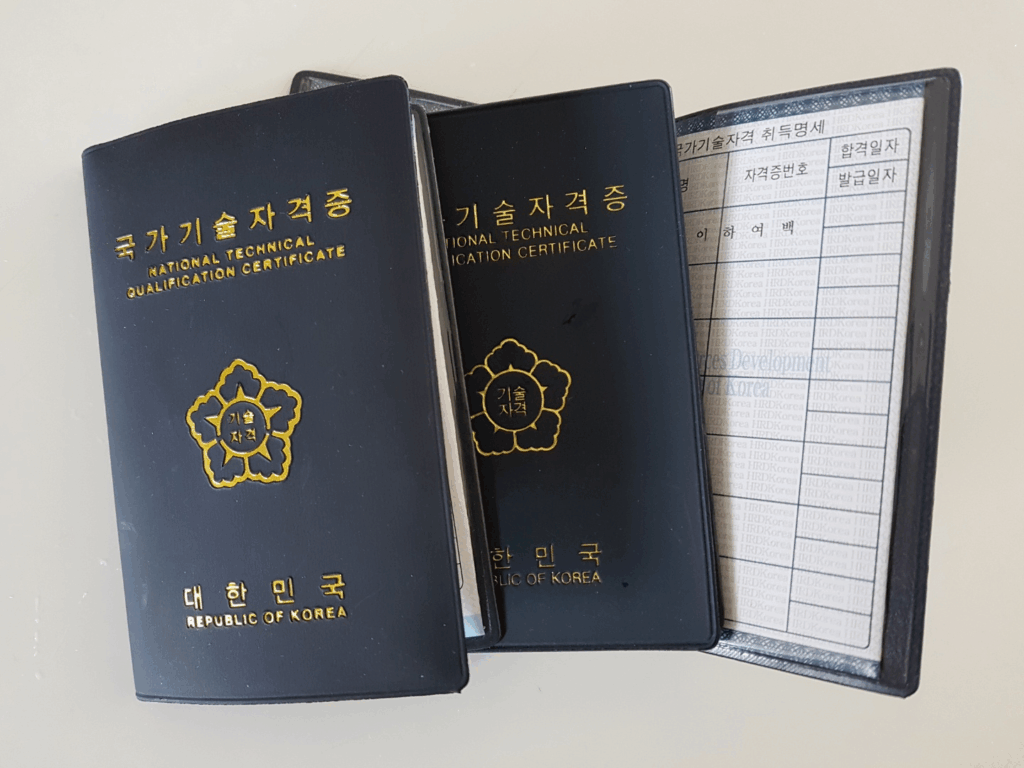
Secondhand Market: A Guide for International Students in Korea

While studying abroad, there are many times when you either need new items or want to get rid of unused ones. As a student, it can be hard to afford brand-new products, and when it’s time to return home, you may find yourself with large appliances or furniture to dispose of. In Korea, people actively use secondhand marketplace apps and community platforms in these situations. ‘Danggeun Market’ (Karrot) is already well known for its local-based transactions, while ‘Bungaejangter’ and ‘Joonggonara’ (a Naver Cafe) are also highly active. In this post, we’ll break down the unique features of each platform that international students can use for secondhand trading, along with tips to ensure a safe transaction.

1) The Background of Korea’s Secondhand Market Culture

Although Korea has a highly developed e-commerce ecosystem that makes buying new products easy, secondhand trading is also very popular. Especially in times of high inflation, it offers the benefit of saving money, reducing waste, and reusing items that others no longer need. For international students, buying used household goods (desks, wardrobes, microwaves, printers, etc.) can be significantly cheaper, and you can resell them when leaving the country—thus, cutting costs substantially.

However, most secondhand deals are conducted directly between individuals, making them prone to scams or disputes. This makes selecting the right platform and managing the transaction process crucial. Follow some basic precautions, and you can trade safely and conveniently. Read on for more details.

2) Danggeun Market (Karrot): Local Face-to-Face Transactions

‘Danggeun Market’ is a location-based service that limits listings to a few kilometers within your residential area. This makes it easy to meet sellers or buyers in person, reducing the risks of returns and eliminating the need for shipping. It’s great for buying or selling bulky items like appliances and furniture in your neighborhood—especially useful for international students.

However, the location restriction can make it harder to find rare nationwide goods, and the app doesn’t offer full English interface support. That said, the user-friendly UI and simple chat functions make it relatively easy to communicate—even with basic Korean or the help of translation apps.

Danggeun Market

3) Bungaejangter: Nationwide Shipping and Diverse Categories

‘Bungaejangter’ is a nationwide secondhand trading platform with a wide range of categories including fashion, digital devices, beauty, books, and sports gear. You can search for your desired item using the app, chat with sellers, and use the platform’s “Bungae Pay” feature for secure payments. Since it’s a mainstream platform, it has advanced search features and a large user base.

For foreign students, shipping-based transactions may be more common than in-person deals, so mastering payment methods is essential. Bungaejangter supports an escrow system called “Bungae Pay Escrow,” which holds your payment until the transaction is completed successfully—offering a safeguard against scams. However, since shipping adds time and cost, this platform is better suited for items you don’t need urgently.

Bungaejangter

4) Joonggonara (Naver Cafe): A Traditional Giant Community

‘Joonggonara’ began as a Naver Cafe and gained broad popularity as a secondhand trading forum. With a large number of members and high transaction volume, it’s easier to find rare items or older electronics. However, since it’s operated as a cafe format, interactions happen through bulletin board posts, direct messages, or comments, making it a bit more cumbersome compared to app-based platforms like Karrot or Bungaejangter.

There are also reports of scammers being active in the community, giving Joonggonara a reputation as a place to “be cautious.” While trustworthy transactions far outnumber the bad ones, most trades are shipping-based between individuals, so it’s critical to learn how to detect and avoid scams. Use escrow services whenever possible and make sure to verify payment security before proceeding.

5) Safe Transactions and Escrow

To prevent fraud in secondhand trading, use payment methods like ‘Safe Payment’ or escrow services. In this system, a third party (the platform) holds the buyer’s payment and only releases it to the seller after the item has been safely delivered and confirmed. Apps like Bungaejangter offer built-in escrow functions, while cafes like Joonggonara may require using external services for the same protection.

For international students not fluent in Korean, there’s a higher risk of falling victim to scams when using bank transfer as the primary method. If someone asks for payment in advance without question — for instance, “Send me the money first”— this could be a major red flag. You can also search the seller’s name, phone number, or bank account online to check for any scam records. Whenever possible, ask for escrow or trade with sellers who have positive reputations.

6) Tips for In-Person Transactions

Meeting in person for a transaction significantly reduces fraud risks. However, there’s still a chance the seller won’t show up or the item is not as described. Always get sufficient photos and detailed information beforehand via chat, and don’t hesitate to ask directly about any scratches or signs of use. Choose public and well-lit meeting spots like cafés or subway station entrances. For bulky items, you may need to meet at the seller’s doorstep.

If you’re worried about your Korean skills, having a few basic translated phrases ready such as, “Is there a scratch here like in the photo?” or “Which subway station should we meet at?” can make communication smoother. For cash payments, bring the exact amount to avoid needing change. If transferring money, show the seller your completed transaction screen for confirmation.

7) Summary of Scam Prevention Tips

  1. Use Escrow for Shipping-Based Deals: Whenever possible, use the platform’s safe payment system so the payment isn’t released before the item is received.
  2. Beware of Unusually Low Prices and Rush Offers: Listings that are incredibly cheap or offer half-price if paid “right now” are likely red flags.
  3. Search Seller’s Account Info: Look up the bank account number or contact details online to spot past scam reports.
  4. Watch for Unnecessary Information Requests: Requests for your social security number or passport number may be suspicious.
  5. Keep Transaction Records: Save chat screenshots, payment receipts, and package tracking info in case of disputes.

8) For International Students

Rather than shipping goods from abroad, many students purchase secondhand furniture and appliances locally for temporary use while in Korea. Used marketplaces are a convenient and cost-saving option, and when it’s time to return home, you can resell those items through the same apps. If you move to a new location, just update your area settings and keep items in good shape for better resale value.

If speaking Korean is a challenge, prepare translated message templates or get help from a Korean friend. Since secondhand deals are person-to-person, a bit of human trust and good manners go a long way.

9) Shipping Considerations (Quick Service, Courier, Etc.)

If you buy heavy items like a studio fridge or a compact washer through secondhand platforms, it can be hard to transport them without a car. In such cases, you might need to hire a “quick service” or a freight driver—keep in mind these can be costly, so calculate first. For smaller items, convenience store couriers or standard shipping services are fine, but be sure to package items securely to avoid damage—and make sure both parties agree on shipping costs in advance.

Disputes over shipping charges are common in secondhand transactions. Usually, buyers pay for shipping, or sellers clarify extra fees, e.g., “Shipping not included, extra 3,000 won.” For international students, international shipping is too complex, so it’s best to trade domestic-use items only.

10) Conclusion: Secondhand Marketplaces for International Students

Using secondhand platforms like Karrot, Bungaejangter, and Joonggonara can help international students save money and reduce waste during their time in Korea. Choose Karrot for local face-to-face trades, Bungaejangter for wide searches and secure payments, and Joonggonara for finding unique or special items. Each service has its pros and cons, so it’s important to understand safe trading practices and actively communicate with sellers or buyers before making deals.

If you can manage to furnish your space or declutter at the end of a semester through secondhand trading, your stay in Korea will be much more budget-friendly. You might even come across rare finds or make meaningful connections with locals—so don’t be afraid to give secondhand shopping a try.

Secondhand Market for International Students

WeBring Service : Provides personalized services to foreigners living in Korea
Exclusive offer: Introducing foreign car rental in Korea, WeBring-SoCar

Korean Banchan: Unveiling the Heart of Korean Cuisine

People encountering Korean cuisine for the first time often say, “I was amazed that the side dishes accompanying the main dish filled the entire table!” Indeed, the arrangement of the table and the side dishes (banchan) are essential elements of Korean food culture. It is common to enjoy a meal centered around a variety of banchan, accompanied by rice, soup, and a main dish. In this post, we delve into how this traditional table setting and the culture of side dishes developed, and why they are an inseparable part of Korean cuisine.

Historical Background of ‘Bansang’ Culture

The traditional Korean dining style is epitomized by the concept of “bansang (飯床),” literally meaning “rice table.” It refers to a structured layout of rice, soup, and multiple banchan. During the Joseon Dynasty, noble families developed meal formats such as “gyeomsang” or “gyojasang,” where rice and soup were accompanied by an even number of side dishes—commonly 3, 5, or 7. This format reflected the social class of the diner, with different types and numbers of side dishes depending on status.

Ordinary people also prepared diverse side dishes at home, though more modest compared to noble households. Dishes like seasoned beans, stir-fried anchovies, seasoned vegetables, and stews were common additions. Meals centered around a bowl of rice, with the addition of soup or stew, kimchi, pickles, and namul created a “simple yet abundant table.” This basic structure has remained largely unchanged even today.

Types and Characteristics of Banchan

Korean side dishes vary widely by region, season, and household. However, they can generally be classified into categories such as seasoned vegetables (namul), stir-fries (bokkeum), braised dishes (jorim), steamed dishes (jjim), kimchi types, and pickled vegetables (jangajji). For example, namul dishes are made by blanching or stir-frying mountain herbs and vegetables like spinach, fernbrake, or bellflower root, then seasoning them. Stir-fried items often include sweet or spicy seafood and vegetables, like dried anchovies or seasoned squid. Braised dishes typically involve simmering radish, potatoes, or fish in soy sauce-based broth to infuse deep flavor.

Through various ingredients and cooking methods, each Korean meal contains a balanced medley of flavors and nutrients. From spicy and salty notes to sweet, tangy, and savory tastes, the small variations in side dishes keep each bite of rice exciting. This sampling style—tasting a spoonful of rice followed by a different banchan—is a unique joy of Korean dining, making it fair to describe banchan culture as the centerpiece of Korean cuisine’s distinct appeal.

Korean Banchan

Kimchi and Traditional Sauces (Jang) Culture

No discussion of Korean side dishes is complete without mentioning kimchi and jang (fermented sauces). Kimchi, made by salting vegetables like napa cabbage, radish, or cucumber, then fermenting them with red chili flakes, garlic, ginger, and fermented seafood, reigns supreme among banchan. A single plate of kimchi is often flavorful enough to accompany a bowl of rice on its own. Regional varieties such as baek-kimchi (white kimchi), gat-kimchi (mustard leaf kimchi), and chonggak-kimchi (ponytail radish kimchi) offer seasonal diversity in ingredients and fermentation styles.

Jang—specifically doenjang (soybean paste), ganjang (soy sauce), and gochujang (red chili paste)—forms the backbone of Korean seasoning. These fermented sauces, made primarily from soybeans, served as essential protein sources and the key to the deep, savory flavors of Korean cuisine. Most side dishes incorporate soy sauce for saltiness, gochujang for spiciness, or doenjang for umami. In this way, jang plays the silent yet pivotal role in uniting the flavors of Korean banchan.

Formal Table Setting: Hospitality and Family Meals

In the past, formal table settings differed according to the status of the diner. Royal banquets for kings featured luxurious meals with dozens of side dishes, while aristocrats typically offered meals with at least five banchan as a matter of etiquette. For commoners, however, such extravagance was rare. Meals often consisted of just kimchi, doenjang jjigae (soybean paste stew), and a couple of side dishes. Nonetheless, even a modest assortment of banchan fostered an atmosphere of family bonding and table manners.

Today, many Korean households still take special care when hosting guests or during family gatherings. It is commonly believed that “preparing many side dishes shows sincerity.” As a result, dishes such as kimchi, namul, braised items, hot pots, and pickles cover the table, offering guests the pleasure of choosing what to eat. Meanwhile, the host expresses their hospitality by telling guests to “eat plenty.”

Global Popularity: The Rise of Banchan with K-Food

Korean side dish culture is becoming increasingly known abroad thanks to the global surge of K-food. Kimchi is a prime example—it is now commonly found in grocery stores across the U.S. and Europe. At Korean restaurants overseas, complimentary “banchan on arrival” surprises many foreigners, making a strong impression: “I get several side dishes automatically!” This leads to a favorable perception of Korean dining.

While some people feel it’s burdensome to prepare multiple banchan at once, this very aspect earns Korean meals praise for delivering rich flavor and balanced nutrition in one spread. The popularity of Korean cooking classes and banchan workshops abroad reflects this appeal. The concept of “presenting various small dishes on one table” resonates with people seeking to break free from monotonous eating patterns.

Modern Changes and Continuity in Table Settings

Today’s Korean households may not prepare numerous side dishes for every meal. With more dual-income couples and single-person households, the number of banchan tends to decrease, and ready-to-eat items or food delivery is more common. Still, during holidays, family gatherings, or special occasions, the tradition of serving diverse side dishes remains, helping to preserve a cultural identity.

Furthermore, on social media and cooking shows, banchan recipes are shared continuously, encouraging younger generations to try “banchan-making” on weekends. Some even experiment with creative combinations, such as fusion dishes blending bulgogi or tofu with Western ingredients, elevating banchan to standalone entrees. This demonstrates how traditional roots are maintained while embracing modern culinary trends, proving the evolution of Korean side dish culture.

In Conclusion: A Shared Table, A Way of Korean Life

The culture of table setting and side dishes transcends food—it reflects how Koreans view community and family. Bringing an array of banchan to one table and sharing openly encourages the genuine practice of “jeong” (affection) and communal spirit. On a table where ingredients, recipes, tastes, and aesthetics come together, laughter and conversation flow abundantly, and sometimes, comfort and strength are found in a single bowl.

For travelers, simply asking “What is this?” when presented with banchan can offer meaningful cultural insight. After tasting a few, one begins to realize the profound variety and richness of Korean food and emotion. Ultimately, a single meal holds more than just food—it carries connection. That small sincerity contained in one dish of banchan might just be the core philosophy of Korean table setting.

Korean side dish culture

WeBring Service : Provides personalized services to foreigners living in Korea
Exclusive offer: Introducing foreign car rental in Korea, WeBring-SoCar
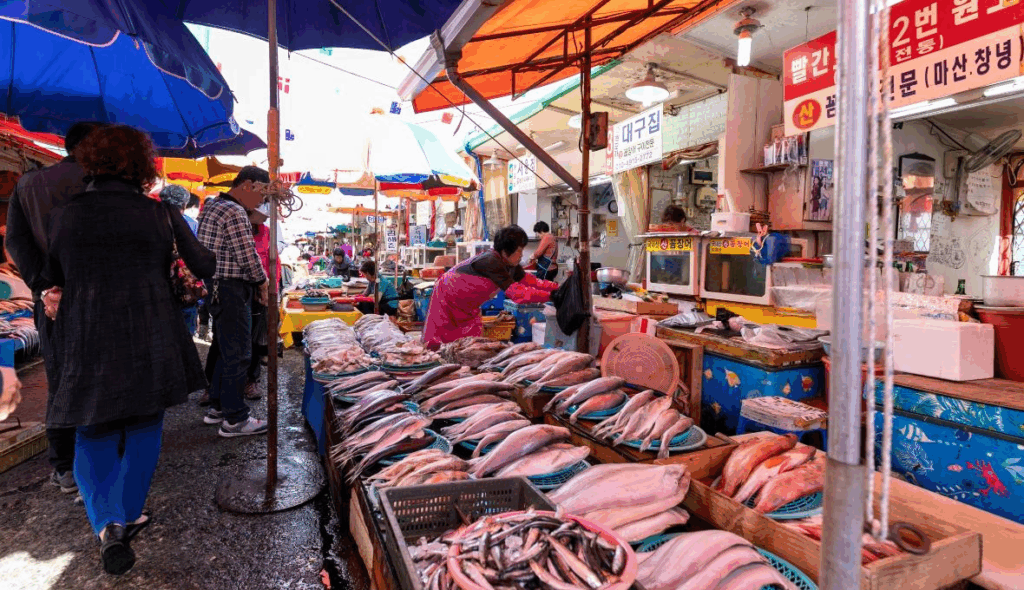
Create Your Ultimate Seoul Bucket List: 50 Things to Do

Seoul, the capital of South Korea, is a dynamic megacity where culture, arts, shopping, and history blend harmoniously. For international students, it’s only natural to want to explore every corner of this vibrant city beyond just academics. In this post, we’ve curated 50 things you can enjoy in Seoul. From famous tourist spots to local hidden gems, plus sensory food and cultural experiences—there’s something for everyone. Use this as a guide to create your very own ‘Seoul bucket list’.

seoul

Note: Instead of listing out 50 ideas in a bullet format, this article presents them woven into several thematic categories. There are many more possibilities, but here we’ve summarized some of the most representative experiences across different areas.

1) Historical & Traditional Cultural Experiences

Seoul still holds traces of the 500-year-old Joseon Dynasty throughout the city. Visiting all five grand palaces—Gyeongbokgung, Changdeokgung, Deoksugung, Changgyeonggung, and Gyeonghuigung—could take you over a month! Renting a hanbok (traditional Korean dress) while strolling through palace grounds lets you simultaneously appreciate the elegant architecture and the aesthetic of traditional attire. Try sipping on a cup of coffee while walking down Deoksugung Stonewall Road, or catch the royal guard-changing ceremony in front of Gwanghwamun—it’s a truly memorable experience.

You can also dive into traditional crafts, hanji (Korean paper) art, or tea ceremonies at places like Jongmyo or Insadong. We recommend sipping on herbal teas inside a small traditional tea house hidden in an Insadong alley or trying your hand at painting minhwa (traditional folk art). What makes Seoul truly special is how ‘Korean tradition’ and ‘modern city life’ coexist in harmony.

2) Nature & Walking Trails

Though Seoul is a bustling metropolis, it’s surprisingly rich in greenery and rivers. Han River Parks are famous for their well-maintained biking and walking trails where you can enjoy picnics with a refreshing breeze. Each Han River park—like Yeouido, Banpo, Ttukseom, or Nanji—offers a different atmosphere, so why not explore a new one each weekend?

For urban walks, head to Bugak Skyway (Bugak Palgakjeong Pavilion) for stunning night views or stroll through Namsan Park near Seoul Tower. Riding the Namsan Cable Car to the top gives you a panoramic view of Seoul, and it’s especially romantic at night when the city lights glow below.

3) Food & Culinary Tours

If you’re a fan of Korean food, Seoul is a gourmet paradise. From traditional dishes like kimchi jjigae, bulgogi, samgyetang, and bibimbap to trendy new restaurants, you’ll find an abundance of mouthwatering options. Don’t miss trying mayak gimbap, bindaetteok, and yukhoe at Gwangjang Market, or head to Namdaemun Market for galchi-jjim and kalguksu. Seoul’s diverse neighborhoods—like Myeongdong, Jonggak, Hongdae, Itaewon, and Gangnam—all offer their own unique foodie map.

Recently, there’s also been a rise in vegetarian and vegan options, which is great news for international students with special dietary needs. You’ll even find hidden halal restaurants or gluten-free bakeries across the city, so get ready to explore with a curious spirit!

4) Arts & Cultural Events

Seoul is brimming with festivals and performances year-round. From the Seoul Street Arts Festival in autumn, to the Seoul Jazz Festival, or classical concerts at Lotte Concert Hall and Sejong Center, to musicals and operas at Blue Square and Seoul Arts Center—you’ll never run out of options. K-pop fans absolutely shouldn’t miss idol concerts or fan meet-and-greets.

Watch street busking in Hongdae or join a theater performance in Daehakro’s small venues for a different kind of thrill. Free outdoor performances and cultural events frequently pop up too, so keep tabs on social media and cultural event sites. With so much “to see and enjoy,” this is one of the best aspects of living in Seoul.

5) Shopping & Trendspotting

Seoul is a shopper’s paradise with hotspots like Myeongdong, Dongdaemun, Hongdae, Garosugil in Sinsa, Apgujeong, COEX, and Express Bus Terminal Underground Mall. From K-beauty and K-fashion brands to bustling markets and curated lifestyle shops, the variety is endless. Wander down Myeongdong’s main street to receive tons of beauty samples from road shops, or visit Dongdaemun where fashion buildings operate late into the night for wholesale shopping.

If you’re into vintage or second-hand goods, explore the streets of Hongdae or the Pungmul Market in Jongno. Looking for cutting-edge tech gadgets? Check out Yongsan Electronics Market or Technomart in Gangbyeon. Bookworms can enjoy browsing Korean books and stationery at large bookstores like Kyobo Bookstore or Bandi & Lunis.

6) Night Views & Rooftop Culture

Seoul is especially dazzling at night. Whether it’s the sparkling riverside while crossing Han River bridges by taxi or bus, or the panoramic views from Namsan Seoul Tower, 63 Square, and Lotte World Tower (Seoul Sky), the nighttime scenery is unforgettable. Take a night walk along Cheonggyecheon Stream or picnic at Yeouido Hangang Park while enjoying the Banpo Bridge Rainbow Fountain for a romantic twist.

Recently, rooftop bars and cafes have flourished in neighborhoods like Itaewon, Hongdae, and Jongno. With DJ parties or mood lighting on top of urban buildings, many of these spots have become must-visit Instagram hotspots.

7) Traditional Markets & Alley Adventures

Seoul isn’t just large and modern—it’s also filled with history. Many back alleys still preserve old houses, markets, and artisan workshops. Areas like Seongbuk-dong, Bukchon Hanok Village, Seochon, and Ikseon-dong boast a mix of traditional hanok homes and modern architecture—and are now bustling with trendy cafes and eateries.

Explore traditional markets like Gwangjang, Tongin, and Mangwon to taste street food and shop for household goods. Haggling with market vendors or trying your hand at DIY crafts offer a whole different kind of fun compared to modern malls.

8) Han River Cruises & Water Sports

If you want to enjoy the Han River from a fresh perspective, hop on a cruise or water taxi. Cruises depart from places like Yeouido and Ttukseom, and you can even enjoy onboard performances during sunset or night tours. For a more private vibe, try out water taxis with your group.

For thrill-seekers, various parks by the Han River—like Banpo, Nanji, or Gayang—offer water sports such as jet skiing and wakeboarding. If you’re craving some excitement during your university life in Korea, take advantage of the good weather and create cool memories through water activities.

9) Korean Language & Cultural Learning

As an international student, you may want to deepen your understanding of the Korean language and culture. Visit the National Hangeul Museum to learn about the alphabet’s history and design, or explore the National Folk Museum to discover how Koreans lived in the past. You can also attend Korean traditional music (gugak), samulnori, or pansori performances—or even try traditional martial arts like taekkyeon or taekwondo.

Many cultural centers and district offices offer hands-on programs open to international students, often free or low-cost. Classes in natural dyeing, pottery, and traditional knotting crafts are especially popular with foreigners. Keep an eye out in your local community!

10) Final Thoughts: Create Your Own Seoul Bucket List

The experiences mentioned above are just a glimpse of what Seoul has to offer. Other options include attending K-POP pre-recordings, coin karaoke, PC gaming cafes, art exhibitions, animal cafes, club hopping, fried chicken tasting, palace night tours, or even experiencing camping inside the city. What’s most important is identifying your personal interests and goals to customize your unique Seoul lifestyle.

Since your time in Korea may fly by, we recommend jotting down a bucket list early on and ticking items off one by one. Whether you’re exploring trendy spots with Korean friends or visiting places you saw on social media, you might just stumble upon unexpected joys or life-changing connections. As Seoul never stays still, with new events and venues emerging each month, staying updated will open doors to even more colorful adventures.

Seoul Bucket List

WeBring Service : Provides personalized services to foreigners living in Korea
Exclusive offer: Introducing foreign car rental in Korea, WeBring-SoCar
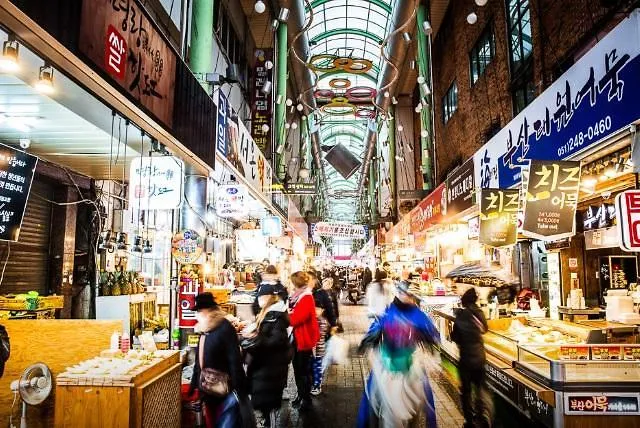
Employment After Graduation In Korea: Your Ultimate Guide

Many students who complete their studies in Korea want to continue their career through employment after graduation in Korea. Entering a Korean company or research institute to gain hands-on experience and build a career in the Asian market is certainly attractive. However, there are many things to prepare, such as visa conversion, resumé and cover letter writing, and interview preparation. In this post, we’ll cover the full process and strategies for “getting a job in Korea after graduation.”

1) Visa Conversion: D-2 → D-10 → E-7, etc.

If you are staying in Korea on a student visa (D-2), you’ll need to switch to a job-seeking visa (D-10) or employment visa (E-7, etc.) after graduation. The D-10 visa is a temporary visa available to those who have not yet secured a job and wish to look for employment within Korea. It’s usually renewable every six months, and once you are hired, you can switch to an E-7 (for professionals) or other employment-related visas like E-1~E-6.
Tip: Make sure to prepare all necessary visa conversion documents, such as a graduation certificate, employment contract, financial proof, and personal references. Visit your local immigration office for guidance and be cautious not to miss deadlines.

2) Understanding the Job Market: Conglomerates, SMEs, Startups

Companies that are known to hire foreigners in Korea include large conglomerates (Samsung, LG, Hyundai, etc.), small and medium enterprises (SMEs), startups, and foreign-affiliated companies. Conglomerates and foreign companies tend to have higher demand for global talent and offer more opportunities for international students. At the same time, SMEs and startups are also increasingly hiring foreigners, especially for roles where specific technical or language skills are needed.

Tip for international students: Your strategy should vary depending on your major. For science and engineering students, conglomerates and research centers are good targets. For IT and software, startups are actively hiring. Humanities and social science majors can find opportunities in translation, marketing (especially international sales), and trade-related positions.

Employment After Graduation In Korea

3) Writing Your Resumé & Cover Letter

Most Korean companies require a Korean-language resumé and self-introduction letter (cover letter). An English resumé alone may not be sufficient, so preparing documents in Korean is often necessary. However, some foreign companies or roles in international sales may accept English or Chinese resumés. Be sure to carefully check job postings.

  • Resumé: Include your name, contact information, educational background (university/graduate school), experience (internships, part-time work, projects), certifications, and language test scores (such as TOEIC, TOPIK). Some Korean companies request your date of birth, ID photo, and gender, though more employers now allow omitting those due to personal information policies.
  • Cover Letter: Write about your motivation, strengths, and preferred job roles in 2–3 sections. Since this is a place to showcase your Korean writing skills, thoroughly proofread for grammar and sentence clarity. Adding specific examples (projects, past results) and numerical data can increase persuasiveness.

4) Portfolio & Interview Preparation

In fields like design and IT, a portfolio is essential. You should be able to present your university/graduate projects, personal works, and coding achievements as a PDF or website. Preparing this in advance is a great way to demonstrate your expertise.
Interviews are usually conducted after your application passes screening. They may be held in Korean, English, or both. Depending on the company, interview types may include panel interviews, presentations, or group discussions. Korean interviews also highly value etiquette, greetings, and appearance, so wearing formal attire, being punctual, and maintaining polite manners are crucial.

5) Job Search Platforms & Recruitment Information

You can search job openings labeled “foreigner-friendly” or “global talent hiring” on major sites like Saramin, JobKorea, Wanted, and LinkedIn. In addition, university career support centers or department email notices may include special job listings for international students—so check them frequently.
On online communities (Facebook groups, Band, etc.), you might find posts about foreigner hiring. Certain public institutions or corporations also run industry internship programs. You can also reach out to your home university’s exchange office, international affairs team, or academic advisor—they may have unexpected connections or recommendations.

6) Language Proficiency: TOPIK & English Scores

Generally, Korean companies often expect international applicants to have Korean proficiency at TOPIK level 4 or above. For roles involving international work, English or a second language may hold more importance. If your native language is in high demand, you could be favored in trade or marketing positions.
Tip for international students: Regardless of your major, obtaining a high-level TOPIK or a valid English test score can give you an edge during screening. Many companies prefer bilingual (Korean + English) candidates, so emphasize your language strengths.

7) Internships & Field Training

If a full-time position feels too burdensome at first, consider starting with an internship. Many Korean companies accept foreign interns, and there’s a growing number of cases where 3–6 month internships lead to full-time offers after mutual evaluation.
Also, many universities operate field training programs (industry-academic internships) for academic credit while studying. Check for notices from your school’s international office or career center. During this process, you’ll build networking opportunities—and if the company responds positively, they may later offer you a job after graduation.

8) Visa Maintenance & Work Permission

With a student visa (D-2), you are allowed to work part-time or intern under restricted hours. However, for full-time employment, you must switch to an E-7 visa according to immigration regulations. This visa generally requires a bachelor’s degree or higher, a certain salary threshold, and alignment with your field of study.
When ready, convert to a D-10 job-seeking visa, find a suitable employer, and then prepare documents like your employment contract, business registration, and academic credentials to apply for the E-7. The visa is valid for two years and can be extended. Note: For smaller companies, visa approval may be more difficult, so it’s important to stay in touch with the HR team for proper processing.

9) Interview Etiquette & Cultural Differences

Typical Korean interview etiquette includes wearing formal attire, greeting politely, and maintaining respectful behavior throughout. Questions usually focus on your academic knowledge, job suitability, and Korean language ability. Sometimes, they may check how well you understand the company (“Do you know what our business does?”) or assess your personality and reliability.
Tip: Prepare answers in Korean to commonly asked questions like “What are your strengths?” or “Why do you want to join our company?” Even if you make grammar mistakes while speaking, don’t panic—just focus on clearly conveying your main point.

10) Conclusion

If you want to get a job in Korea after graduation, you should quickly begin preparing for visa transition, enhancing your language skills, researching companies, and writing your resumé and cover letter. Although landing a job is not easy, if you bring professionalism and skills like bilingual fluency, there are plenty of opportunities.
Most importantly, evaluate whether your field of expertise has growth potential in Korea and whether you’ve gained sufficient hands-on experience through internships or research labs. Even after securing a job, be thorough in maintaining your E-7 visa and residency status—communication with your company’s HR or immigration offices is key.
If you pass through this process successfully, you’ll begin a new career within Korean work culture, gaining not only technical skills but also experiencing a deeper “local integration” beyond student life. Best of luck with your job search and your exciting new journey!

한국졸업후취업

WeBring Service : Provides personalized services to foreigners living in Korea
Exclusive offer: Introducing foreign car rental in Korea, WeBring-SoCar