
Foreign student bank account in Korea: A Complete Guide
If you’ve come to study in Korea, you’ll need to manage various financial matters such as living expenses, tuition payments, and receiving part-time job wages. To handle these transactions smoothly, having a Korean bank account is essential — it allows you to receive and spend money conveniently and make all kinds of payments with ease. However, at first, you might wonder, “As a foreigner, how do I open a bank account? What documents do I need? Which bank should I choose?” In this article, we’ll walk you through the process of opening a foreign student bank account in Korea, along with important considerations and services offered by different banks.
1) Why Is a Bank Account Important?
First, students often receive tuition or living expenses from their home country, and having a Korean bank account allows for more secure and affordable currency exchange and international transfers. Second, to pay monthly rent, shop online, or use mobile payment services like KakaoPay, a bank account is necessary. Third, to receive wages from part-time jobs or scholarship funds, many institutions require a local bank account — making it virtually essential for student life in Korea.
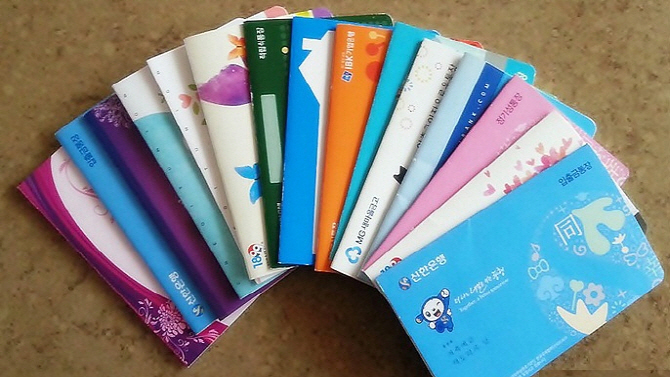
2) Required Documents and Identification
To open a bank account in Korea as a foreign student, you’ll typically need the following documents:
- Alien Registration Card (ARC) or passport
- Certificate of Enrollment or proof of student status (requirements vary by bank)
- Korean contact information and proof of address (housing contract, dormitory papers, etc.)
Most major banks in Korea have English-language brochures and counters dedicated to assisting foreigners. Some banks may allow account opening with just a passport and temporary stay documents if you’ve been in the country less than 90 days and haven’t received your ARC yet, but others may not — so be sure to check policies in advance.
3) Choosing the Right Bank
Major Korean banks include KB Kookmin Bank, Shinhan Bank, Woori Bank, Hana Bank, and NongHyup Bank, many of which offer services and products tailored to foreigners. For example, Shinhan Bank operates “Global Desks” at major Seoul branches with English, Chinese, and Vietnamese-speaking staff, while Hana Bank provides specialized services for foreign exchange and international transfers.
As an international student, it’s smart to choose a bank with multiple branches near your school and convenient ATM access. Compare ATM fees, overseas transfer charges, and mobile banking language support to make an informed decision. Also, check if your school requires you to pay tuition through a designated bank — some universities only accept tuition payments to certain bank accounts.
4) Preparation and Account Opening Process
Before visiting a bank branch, it’s best to confirm the exact documents required for foreigners through the bank’s website or customer service. Generally, a passport and ARC are required, and some banks also ask for proof of student status (e.g., certificate of enrollment). Having your residence address prepared in both Korean and English will make the application process smoother.
At the branch, take a queue number and wait for your turn. Once called, inform the staff that you’d like to open a bank account. You’ll then complete an application form noting your name, nationality, contact information, occupation (student), and account usage (salary, tuition, living expenses, etc.), and sign the form. If you’re not fluent in Korean, you can request an English-speaking staff member or use translation devices that some banks provide.
5) Account Types: Basic and Time Deposit Accounts
The first account international students typically open is a regular deposit account (checking/savings). You can deposit and withdraw money daily and use a debit card for ATM withdrawals and payments. The interest rate is minimal, but it’s convenient for everyday use. If you have a lump sum to set aside for a longer period, you may consider fixed or installment savings products. Foreigners can open these accounts just like Korean citizens, though considerations such as length of stay or visa duration may apply.
If you plan to stay long-term or you’ve accumulated savings from part-time jobs or scholarships, ask your bank about products offering better interest rates or favorable currency exchange benefits.
6) Debit Card Issuance
When you open a bank account, you can also issue a debit card (check card), which deducts money directly from your account at convenience stores, supermarkets, and online shops — similar to a credit card. Most banks will issue a temporary or permanent card on the spot or have the official card delivered to your address within a few days or available for pick-up at the branch.
As a foreigner, getting a credit card may be more difficult due to credit checks, but a debit card usually has no such hurdles. If the card carries an international brand logo (Visa, MasterCard, UnionPay), you can even use it for overseas purchases and online payments. However, some foreign websites may not recognize debit cards issued to foreigners in Korea, so use them with awareness. Still, for most transactions in Korea, there are no issues at all.
7) Mobile Banking and OTP
Once your account and debit card are set up, downloading your bank’s mobile banking app (e.g., KB Star Banking, Shinhan SOL, Woori WON Banking) will make managing your money much easier. These apps allow you to transfer funds, check balances, and pay bills directly from your smartphone. You’ll need to register an OTP (One-Time Password) device, security card, or a digital certificate to use these services. While initial setup may take time, once done, it’s very convenient.
You might worry that the app won’t support English, but many banks offer English versions or provide basic English guidance within the app. If need be, tools like Google Translate can help you navigate the features.
8) International Money Transfers
There may be times when you need to receive money from your home country or send tuition or pocket money back home. In such cases, you’ll need to use the bank’s international remittance service. While you can visit a branch and fill out a money transfer request, you can also make transfers via internet or mobile banking (although certain requirements regarding ARC registration and limits might apply).
Each bank has different international transfer fees and exchange rate benefits. For example, Shinhan Bank and KEB Hana Bank are known for favorable terms on currency exchange and global transfers, and they often offer “global benefit” products or promotions. Also, services like TransferWise (Wise) can be used for international transfers, although connecting a Korean bank account may involve restrictions, so be sure to check the details carefully.
After opening an account, you can deposit or withdraw cash using the bank’s ATMs. As an international student, you’ll likely use convenience store ATMs often, but be aware that they may charge extra fees when using a bank different from your own. For example, if you have a KB Kookmin Bank account and use a Seven Bank ATM at a CU convenience store, you may be charged 1,000 KRW per transaction. For lower fees, it’s better to use your own bank’s ATM.
Some ATMs don’t operate 24/7. If you need cash late at night, look for 365 corners or 24-hour ATMs. Note that additional nighttime charges may apply, so it’s wise to secure enough cash in advance. In case of lost cards or PIN issues, you’ll need to call customer service or revisit the branch — it’s helpful to know whether your bank offers foreign language support lines.
10) Conclusion
Having a local bank account in Korea simplifies many aspects of student life — from paying tuition, rent, and daily expenses to receiving part-time wages and making overseas transfers. Though the initial paperwork may seem complicated, once you open an account, it will serve you well until you return home. Choosing a bank with a designated foreigner-friendly counter or global desk can also lower language barriers and make the process stress-free.
Consider which branch location you’ll use most, how frequently you’ll make international transfers, and whether the bank supports English in its online services. With just a bit of preparation, securing a bank account early on will make everything — from paying utility bills, tuition, and rent to ordering food — much easier and more efficient during your stay in Korea.


K-Name Studio: Create your perfect Korean name based on your personality and style.
What’s My K-Beauty Personal Color?
WeBring Service : Provides personalized services to foreigners living in Korea
Exclusive offer: Introducing foreign car rental in Korea, WeBring-SoCar
Living in Korea? You don't have to figure it out alone
Insurance, visas, jobs and hospital interpretation — WeBring supports every step of settling in Korea, in your language.